
63rd Assembly of the Central American and Caribbean Regional System of Research and Postgraduate Studies -SIRCIP-

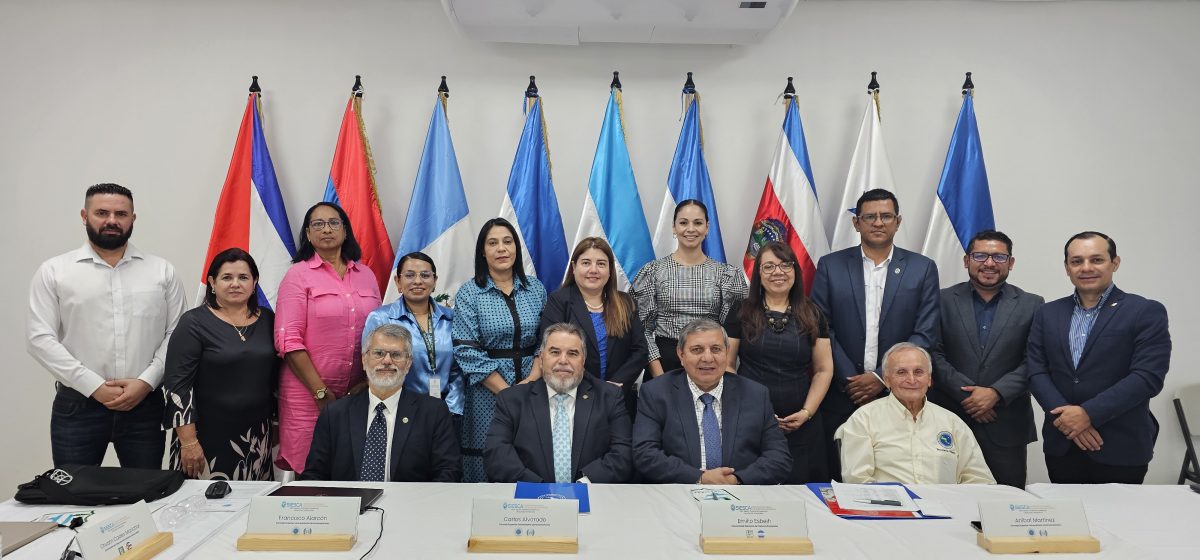
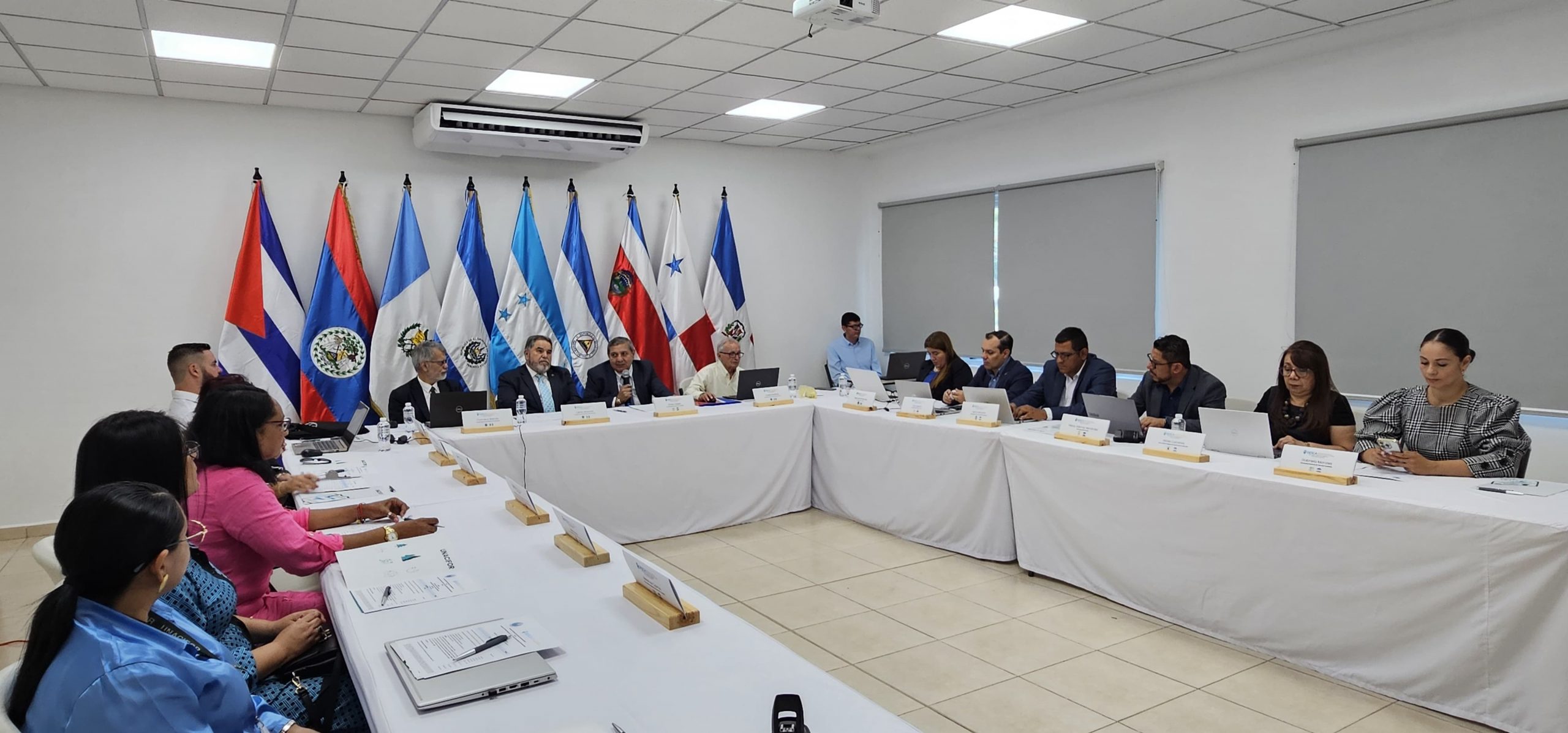
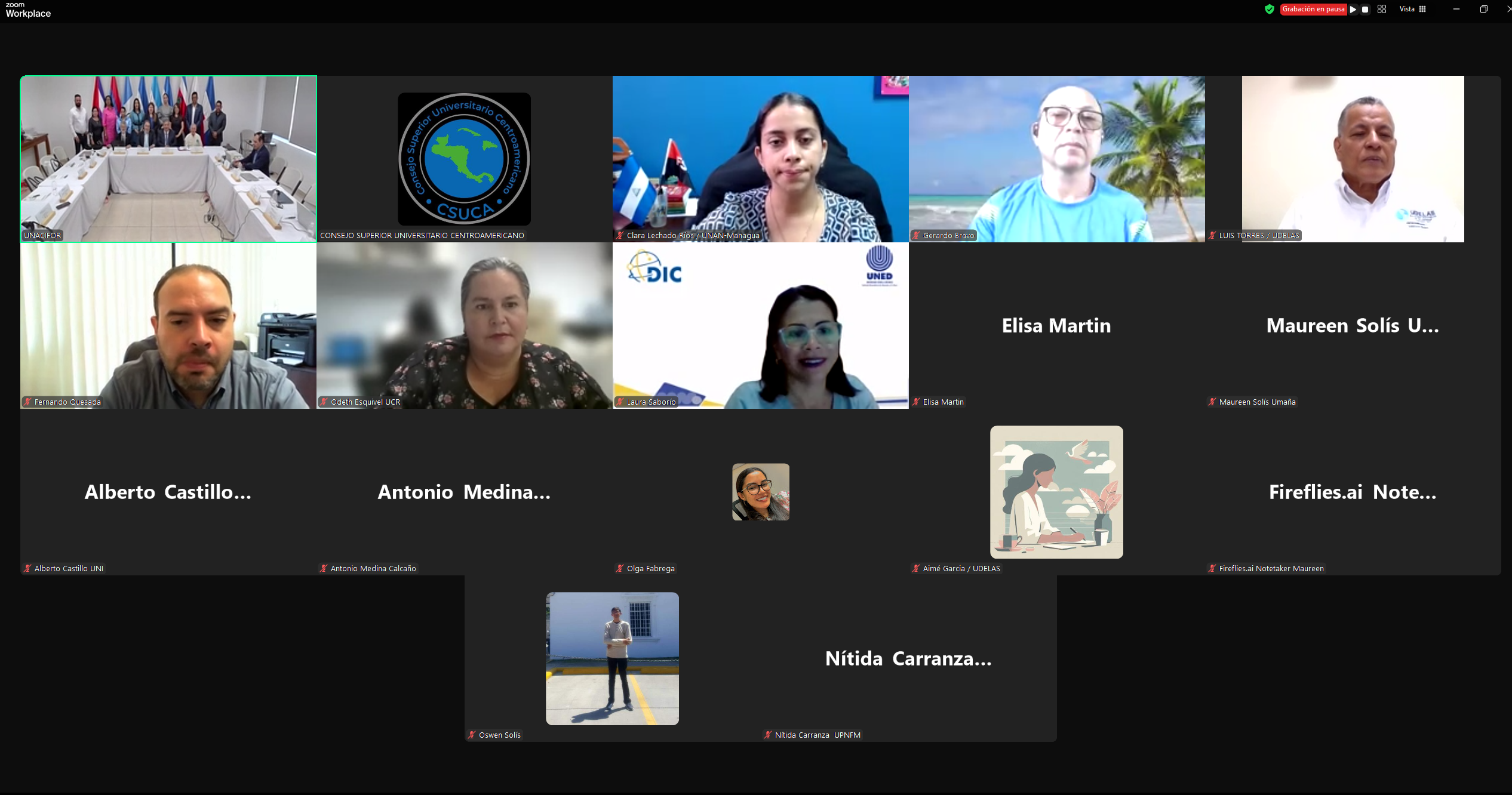
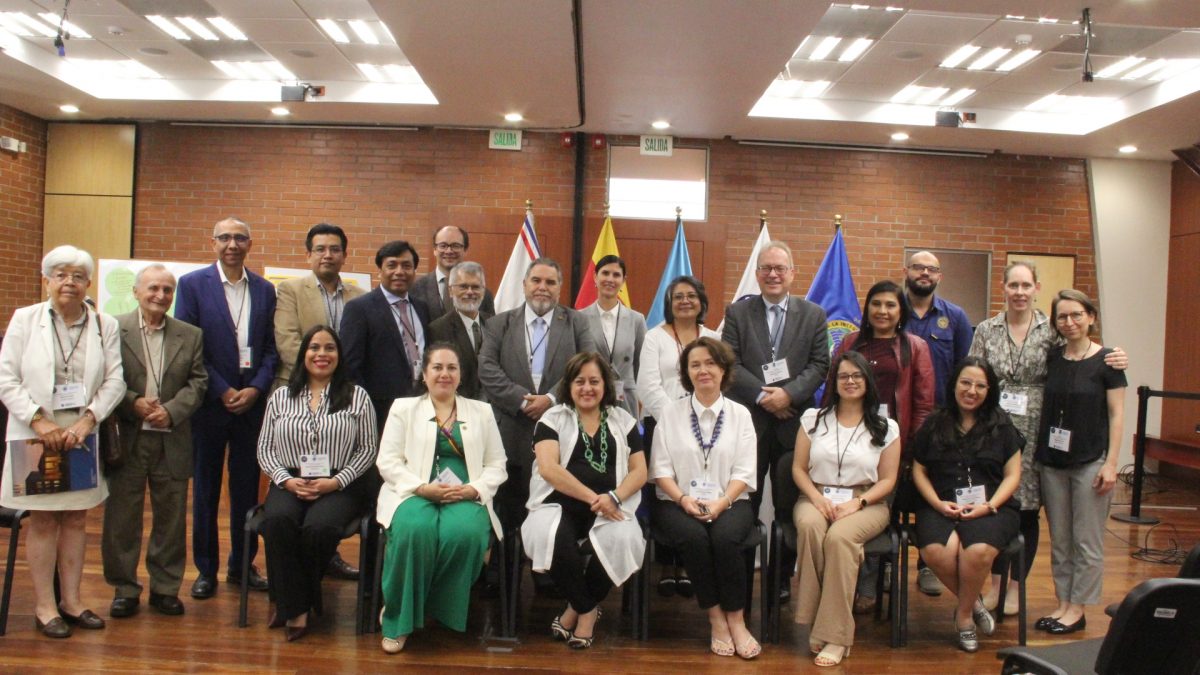
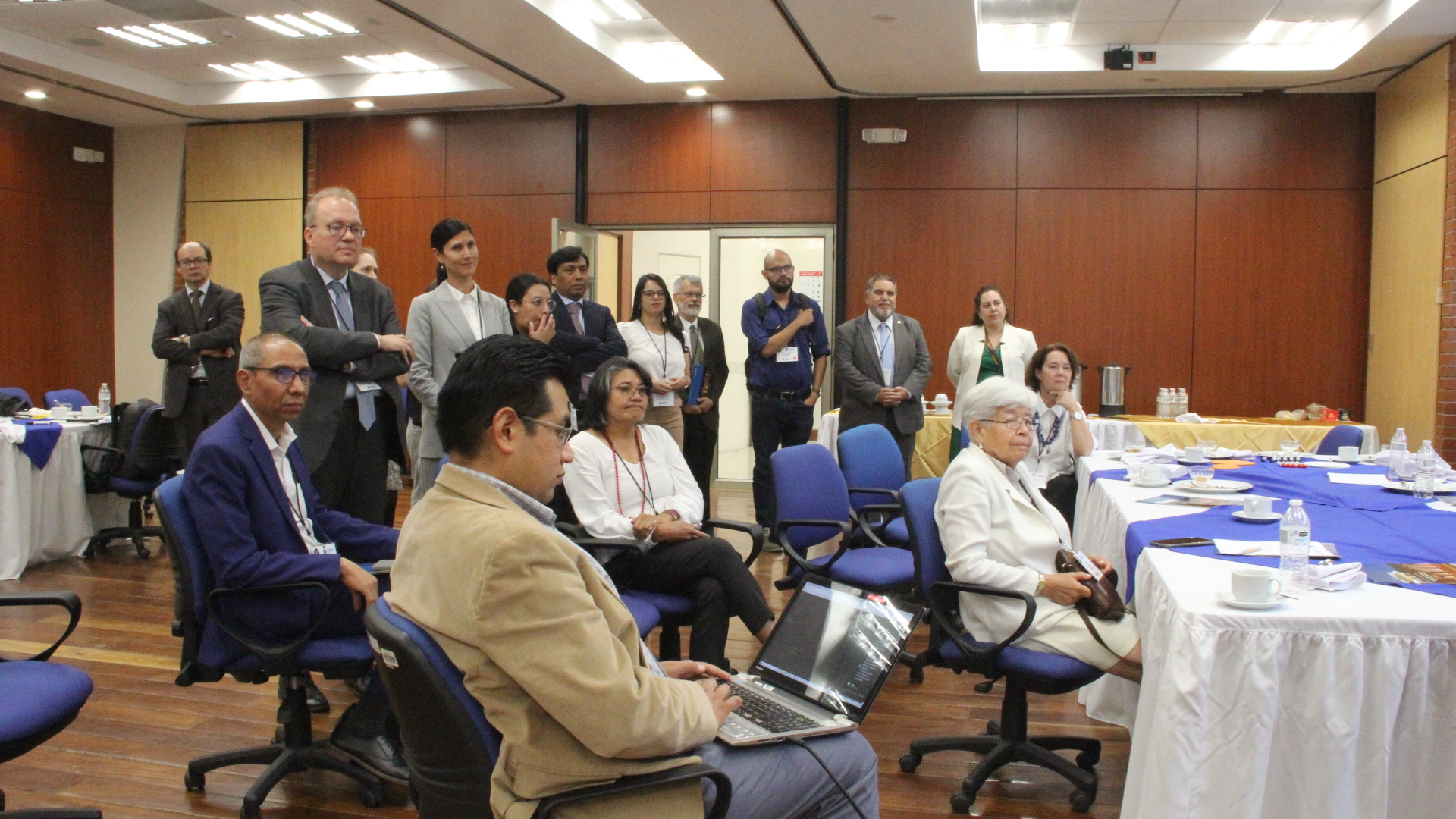
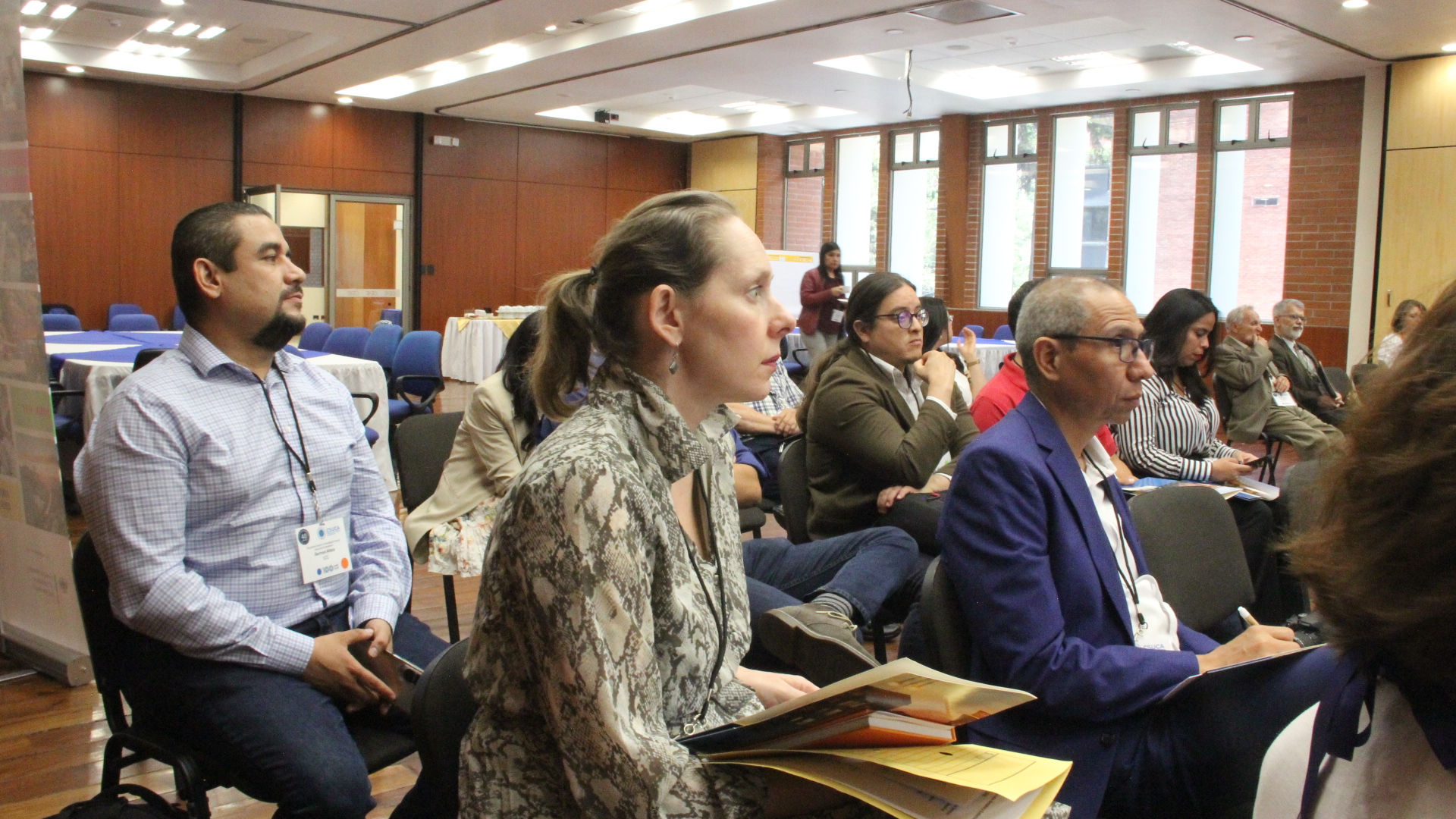
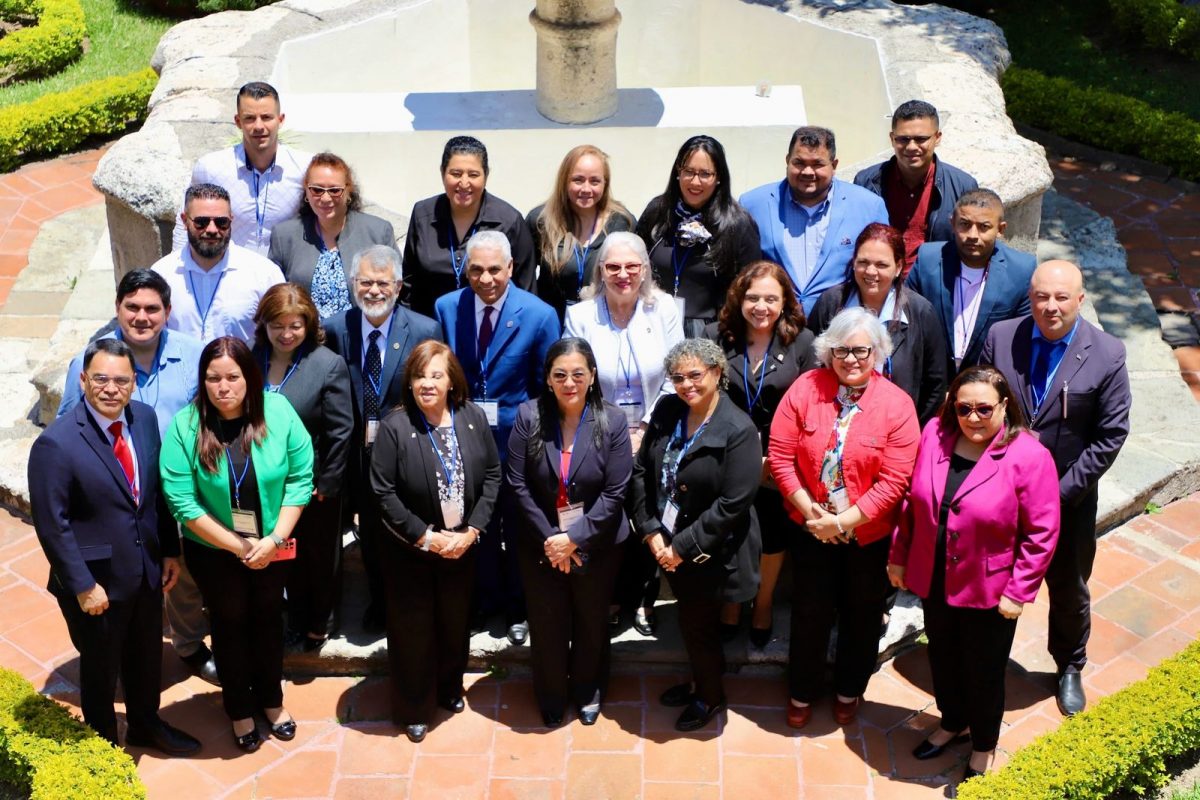
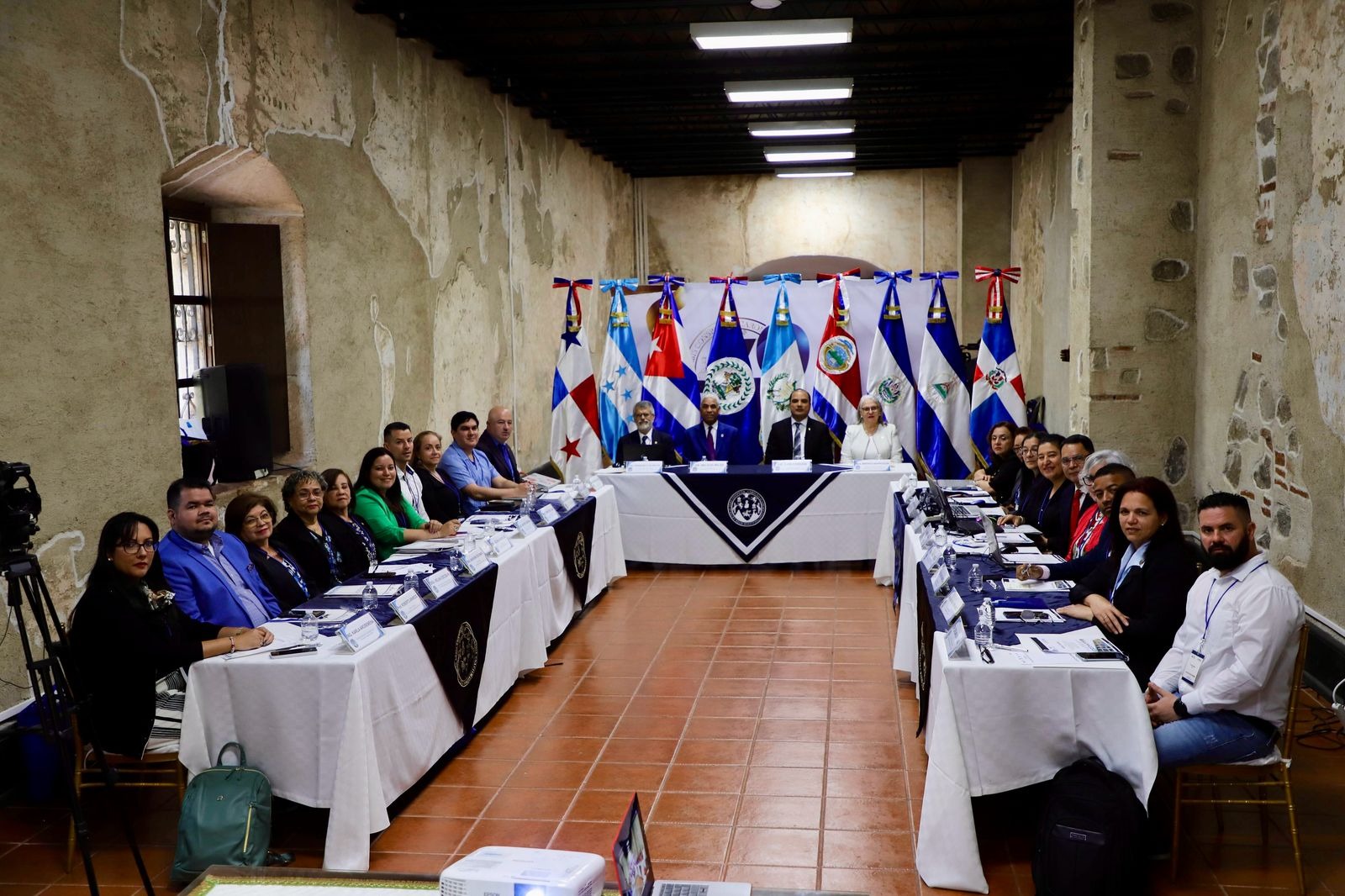
The days 01, 02 and 03 of April have given rise to the development of the 63rd Assembly of the Central American and Caribbean Regional System of Research and Postgraduate Studies -SIRCIP-, an activity that has been carried out in a hybrid way, with face-to-face at the National University of Costa Rica -UNA-.

SIRCIP is an organ of the Central American University Confederation that strengthens, guides, supports, coordinates, harmonizes and integrates research and postgraduate studies, with a regional focus in the universities that make up CSUCA, thus seeking the sustainable human development of the region.

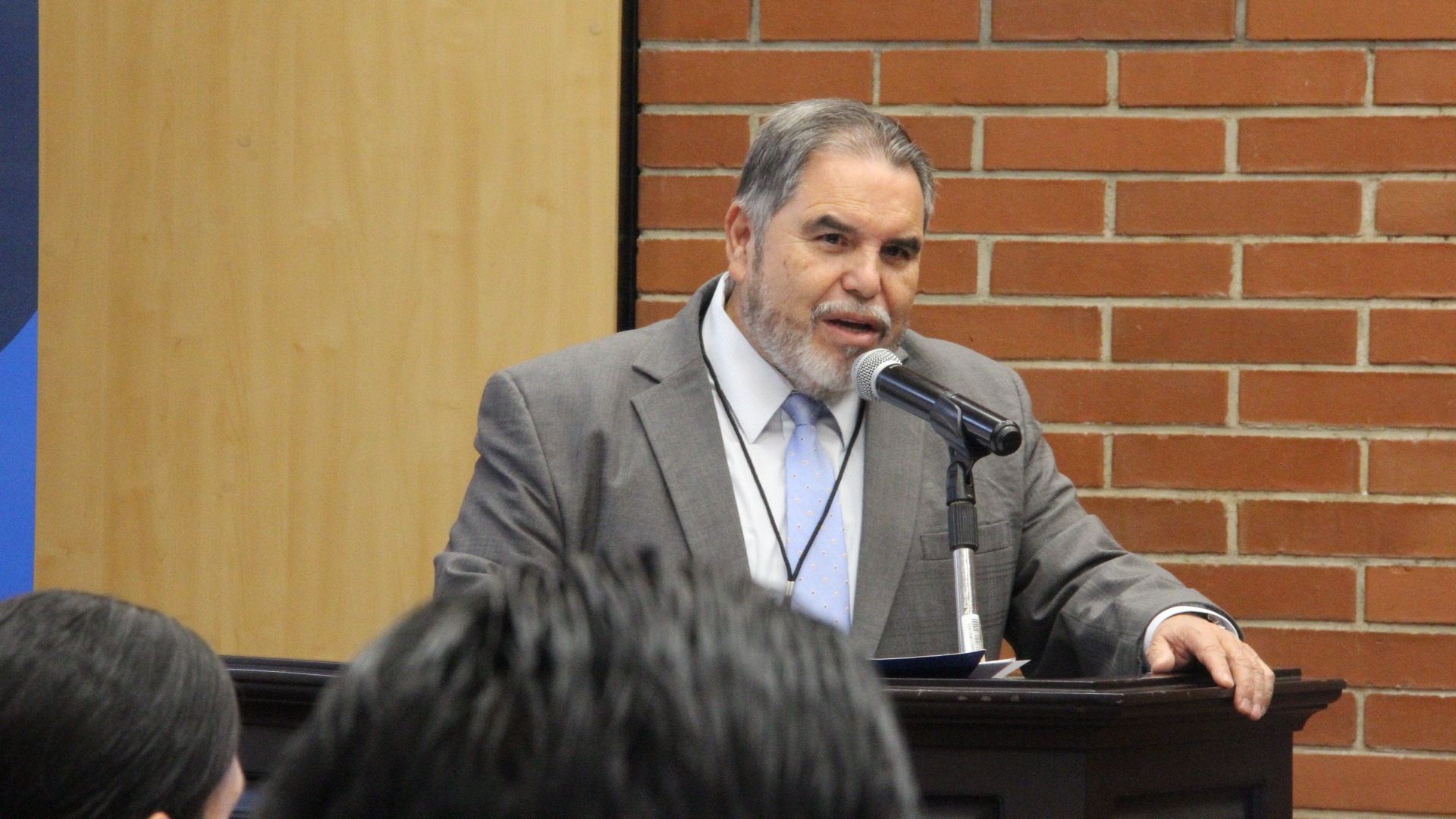
To begin the assembly, Radhamés Silverio González, President of SIRCIP, proposed, “I consider it appropriate to bring to this assembly a proposal that complements our vision of recognizing the incentive for research, which will allow us to make our academic activities more visible, namely the creation of the SIRCIP research award. I submit this proposal to this assembly because, as SIRCIP, we are aiming for more.”.

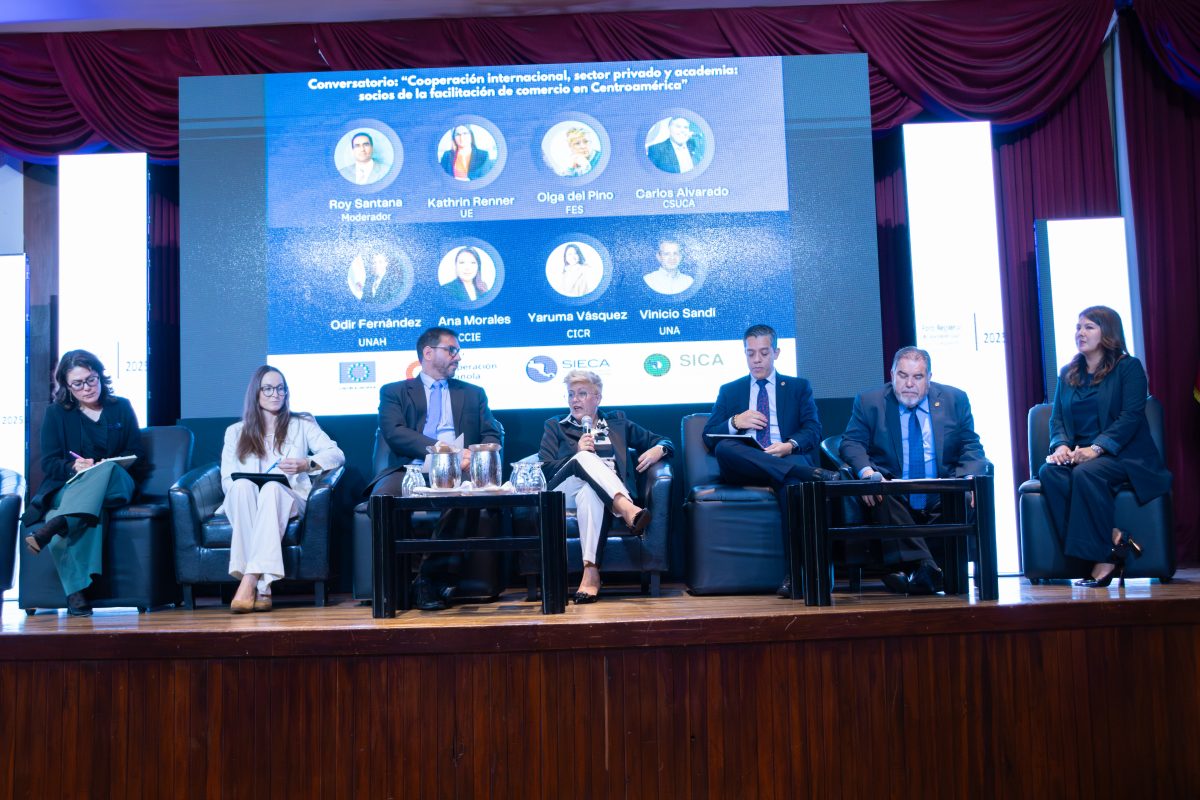
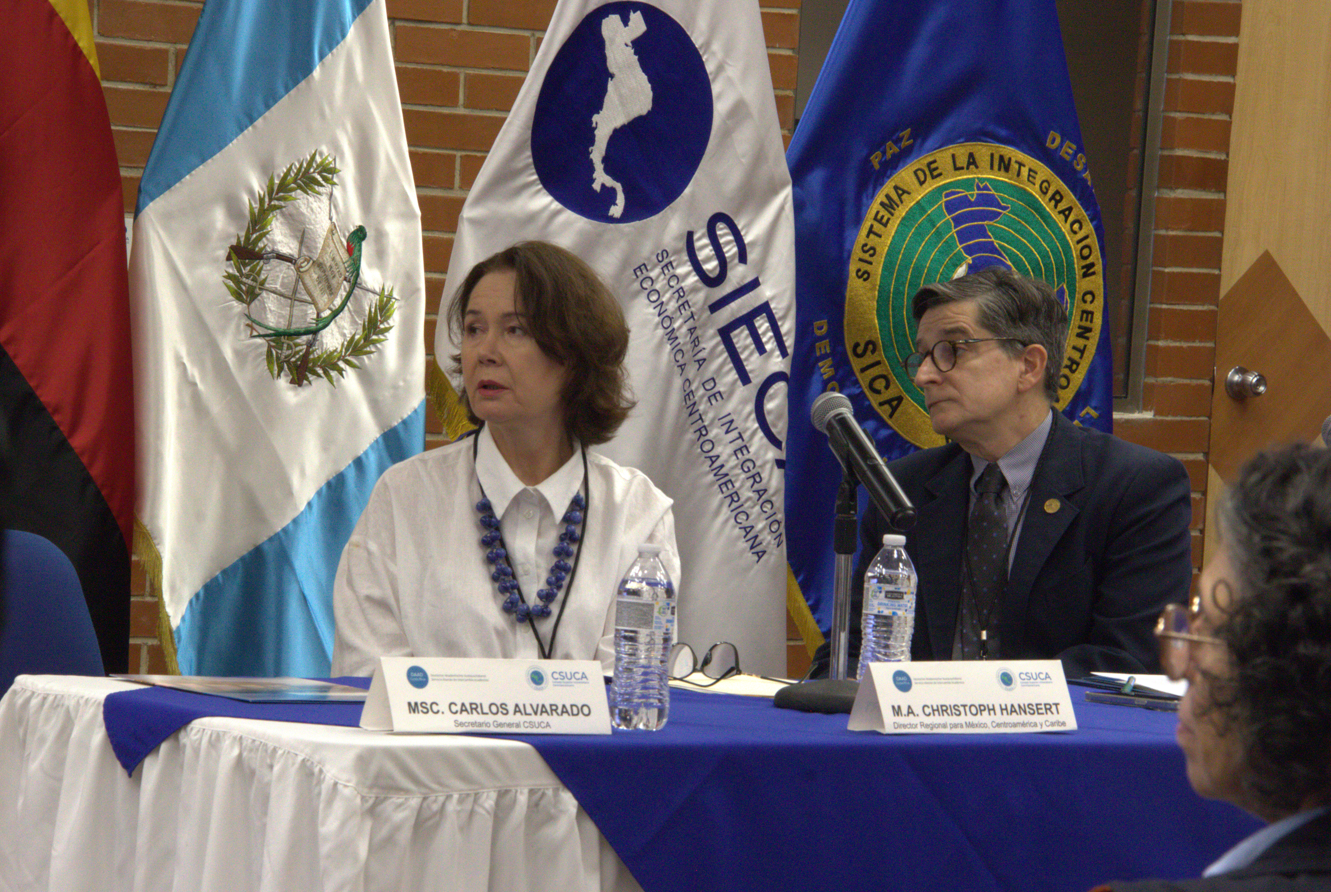
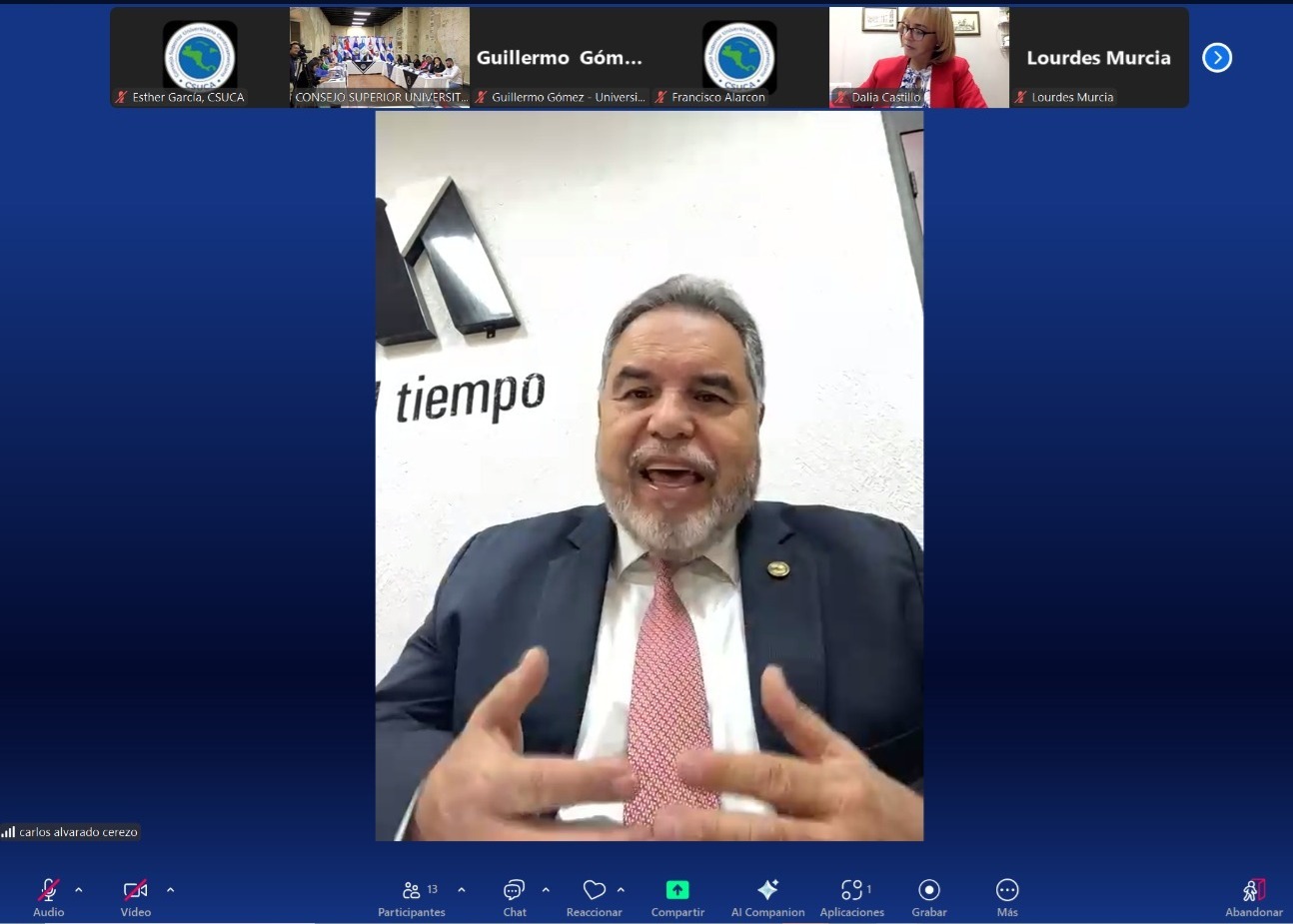
For his part, Carlos Alvarado, Secretary General of CSUCA, mentioned the importance of open science for the development of the system's actions: "It is necessary to promote mechanisms that facilitate open access, allowing the dissemination of scientific knowledge and guaranteeing the quality and relevance of the research generated by our universities, publicly, which will generate synergies for the work and development of our societies.".

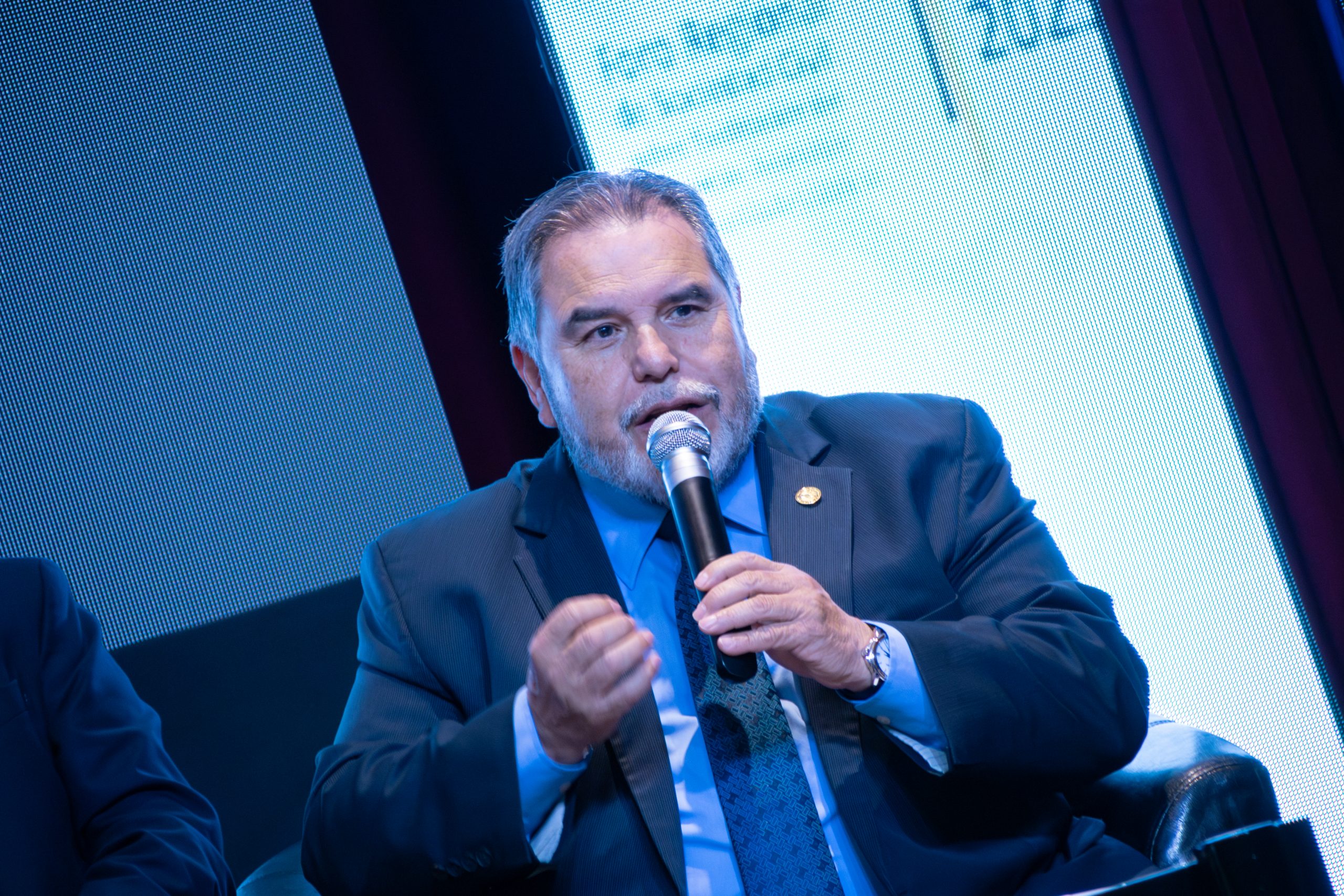
And Francisco González, Rector of the UNA, spoke about the pillars that universities need to generate research: “Research must always strive to influence and be relevant to public policy. This is only possible if we have top-level researchers, a budget, and sustained investment. Without these three principles, nothing else can happen. We have the human potential, but we need training, equipment, and stability so that researchers can develop their potential.”.

The 63rd assembly's main objective was training through keynote lectures focused on developing university policies for academic publications and exploring new research trends in public universities. It also emphasized collaborative work through the Regional Research Council (CORI), the Regional Postgraduate Council (COREP), and the Technical Commission for Research and Postgraduate Studies.

It is important to highlight that in October SIRCIP will hold the VII Biennial of Research and Postgraduate Studies, which is organized by the University of San Carlos of Guatemala.

First Extraordinary Session of CONREVE

On Wednesday, March 19, the first Extraordinary Session of the year 2025 of the Regional Council of Student Life -CONREVE-, an organ of the Regional System of Student Life -SIREVE-, was held in virtual mode.

Activity whose purpose was to present and approve the proposed modifications to the regulations of the Central American University Sports Games -JUDUCA-.

To begin the session, Jorge Cortez, President of CONREVE, welcomed everyone and emphasized, “Thank you to all those present. This meeting is very important for our organization, as we will be taking an important initiative to modify the regulations of the Central American University Games -JUDUCA- and thus achieve their excellent development.”.

Meanwhile, Carlos Alvarado, Secretary General of CSUCA, mentioned, “I wish to highlight the collaborative work through CONREVE with commitment and responsibility. The JUDUCA games aim to carry out promotional, mass participation, and competitive sports activities to integrate our universities. It is important to make changes to the regulations for continuous improvement and the successful development of sports activities.”.

The Central American University Sports Games -JUDUCA-, are a multi-sport competition organized by the Central American University Confederation, which aims to promote sports in the region's public universities and is held every two years.

These games originated in May 2006 at the University of El Salvador -UES-, and this year the IX edition will take place at the National Autonomous University of Honduras -UNAH-, where more than 3,500 athletes from public universities in Central America, Panama, the Dominican Republic and for the first time from Cuba will gather, competing in 10 sports disciplines to be crowned as the best in the region.

.

Call for applications open for the International Deans' Course for Latin America 2025-2026

📢 The German Academic Exchange Service (DAAD), the German Rectors' Conference (HRK), Saarland University (Germany), and the University of Alicante (Spain) invite newly appointed Deans and Vice-Deans from Central and South America to participate in the International Deans' Course for Latin America

Becas de investigación en Alemania

📢 Convocatoria de becas para estudiar en el CATIE Costa Rica, dirigida a personas de: Panamá, Nicaragua, Guatemala, Honduras, El Salvador, Belice y República Dominicana, para participar en los programas

  • Master en Agroforestería y Agricultura Sostenible

  • Master en Economía, Desarrollo y Cambio Climático

  • Master en Manejo y Conservación de Bosques Tropicales y Biodiversidad

📅 Fecha límite de aplicación: 15 de abril de 2025

Co-creation workshops for the design of capacity-building programs for water culture are being developed in Costa Rica and Guatemala.

Within the framework of the Project “Towards SMART and Sustainable Water Management in Central American Communities Through Innovative and Inclusive Water Research and Education” (SMART-S Water Management), In the months of December and January, the following took place: Co-creation workshops for the Design of Capacity Building Programs for Water Culture, carried out in the following manner:

On Tuesday, December 10, 2024, a workshop-meeting on synergies between ASADAS and academia was held at the University of Costa Rica, with the participation of associations that manage community water and sewer systems (ASADAS). Representatives from the following organizations attended: Asada Tarbaca Aserrí, Asada San Rafael de Ojo de Agua, Asada Cifuentes, Asada La Melissa, Asada El Guarco e Higuito, Asada San Rafael de Irazú, and Asada La Angelina.

Meanwhile, in the departments of Quetzaltenango and Retalhuleu, Guatemala, two workshops were held, one for an academic audience and the other for a general audience, respectively, organized by the Western University Center. These workshops took place in January, on Tuesday the 21st and Friday the 31st. The activities were carried out with the participation of teaching and research staff from this institution, along with directors from the Ministry of Health and Social Assistance, as well as representatives from the communities of San Vicente Boxomá, Mangales, La Lolita de Santa Cruz Muluá; San Andrés Villaseca; and Champerico, Retalhuleu.

The purpose of these workshops is to gather significant input for developing training programs that will help achieve the goal of promoting innovative and effective strategies, culturally and gender-sensitive, focused on sustainable sanitation and the protection of surface and groundwater bodies in Guatemala, Honduras, and Costa Rica. The methodologies developed by the research team at the Francisco Morazán National Pedagogical University (Honduras), who conducted pilot workshops in August 2024, were used in their implementation. The final product will be the design of two training programs, one for an academic audience and the other for a non-academic audience.

The project SMART-S Water Management It is executed by the research consortium made up of the Western University Center of the University of San Carlos of Guatemala (CUNOC), the University of Costa Rica (UCR), the Francisco Morazán Pedagogical University (UPNFM) and the Monterrey Institute of Technology (TEC), within the framework of the regional project “Strengthening inclusive science and innovation systems in Latin America through a collaborative research network” implemented by the Central American Higher University Council (CSUCA), the Commission for Scientific and Technological Development of Central America and Panama (CTCAP) and the General Secretariat of the Central American Integration System (SG-SICA), financed by the International Development Research Centre of Canada (IDRC).

Additionally, support was provided by the Community Coordinating Association for Health Services (ACCSS) in Guatemala, and in Costa Rica by the Transition to a Green Urban Economy (TEVU) Project, funded by the Global Environment Facility (GEF) and implemented by the Organization for Tropical Studies (OTS), and the United Nations Development Programme (UNDP).