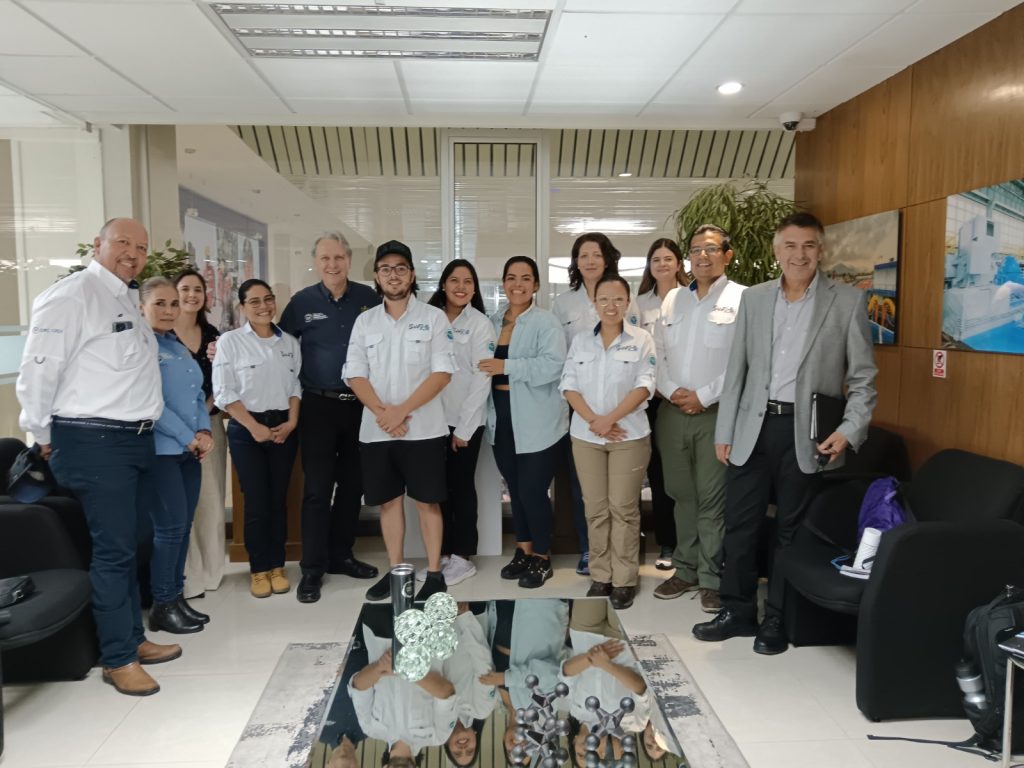
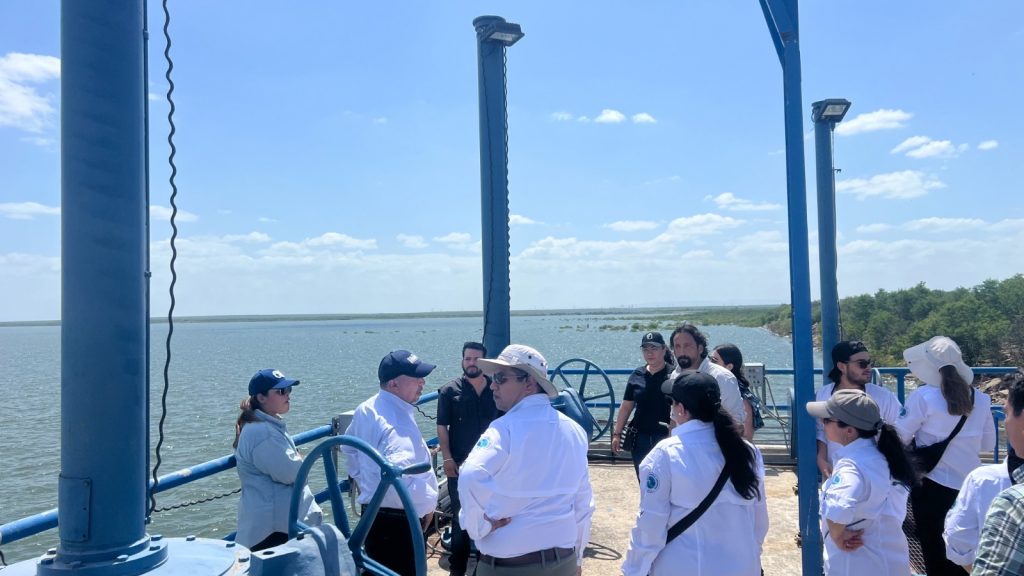
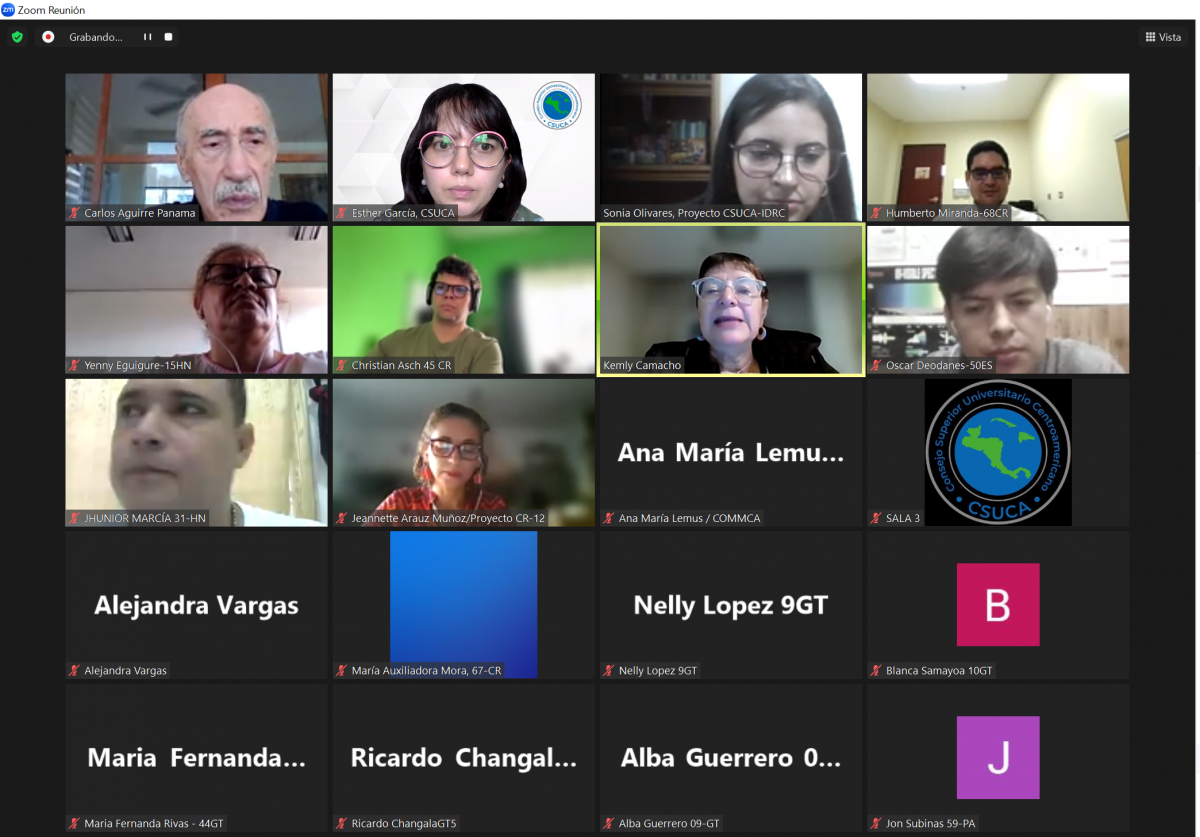
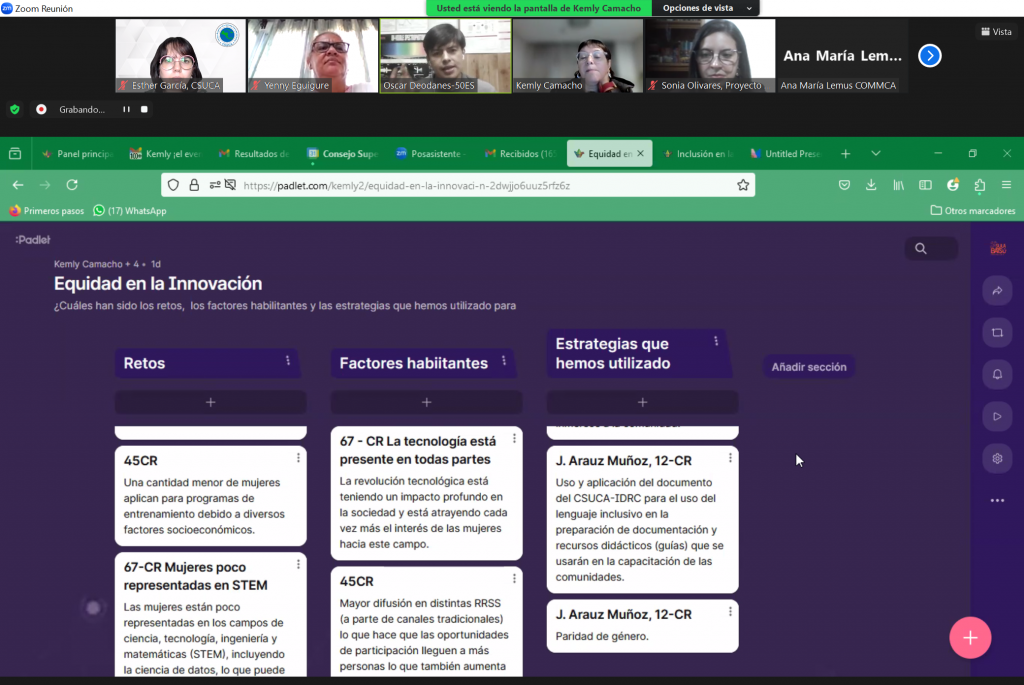
CSUCA and IDRC implement 16 collaborative research networks

Scientific research and technological development, reliable information and timely scientific knowledge are necessary and crucial elements to successfully address and overcome the main environmental, economic, social and political problems of the countries of Latin America and the Caribbean (LAC).

The Central American Higher University Council (CSUCA), in its last two strategic plans (PIRESC IV and PIRESC V), has included the Research, Science, Technology and Innovation program, whose objective is to develop regional research capacities and contribute to the joint study of the main problems of the region, with territoriality, risk, local development; economic growth, productivity, competitiveness and sustainable development; digital transformation, automation, artificial intelligence and data science; climate change and environmental management being some of the priorities. .

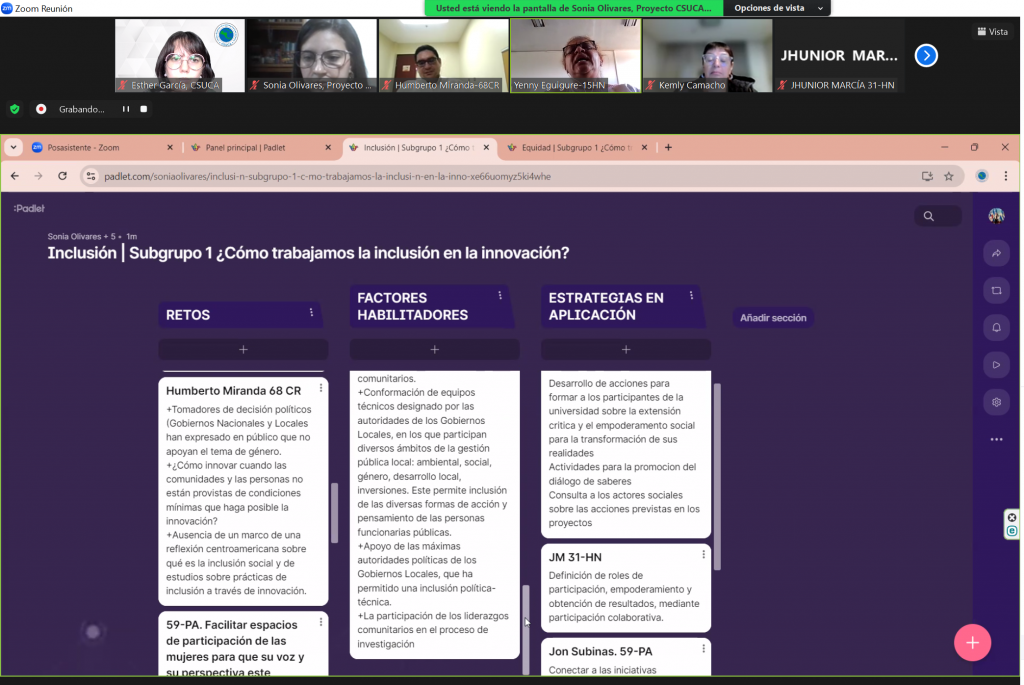
The project “Strengthening inclusive science and innovation systems in Latin America through a collaborative research network”; funded by the International Development Research Centre (IDRC) of Canada and coordinated by CSUCA, aims to promote regional scientific exchange and collaboration, and invites the development, in its first phase, of 16 projects aimed at generating new knowledge that contributes to strengthening the research-innovation-inclusion nexus.

Currently, the first call for proposals of the regional project is underway, strengthening the development of 16 collaborative research networks, which are in their second and third quarters of implementation. The objectives of these projects are geared towards promoting joint work between universities, governments, multilateral bodies, companies, entrepreneurs, community groups, as well as adding value to scientific collaboration within the Central American region, allowing its results to be translated into processes of economic, social and environmental development. 


The 16 projects underway in this first phase are:


  1.  Utilizing carao, teosinte and mangosteen for the development of functional foods as a food and nutritional security strategy for Honduras, El Salvador and Guatemala.
  2.  Local territorial development for equitable and sustainable economic growth in Guatemala, El Salvador, Costa Rica and Panama.
  3.  Towards SMART and Sustainable Water Management in Central American Communities, through Innovative and Inclusive Research and Education (SMART-S Water Management) (Guatemala, Honduras, Costa Rica and Mexico).
  4.  Strengthening environmental skills in communities through technological and methodological innovation to promote resilience in Disaster Risk Management and Climate Change in the canton of Heredia, Costa Rica, the district of Almirante, Bocas del Toro, Panama and the indigenous Achí community of Rabinal in the department of Baja Verapaz, Guatemala (COPAGUAR).
  5.  Multicenter validation of an Artificial Intelligence application, developed by Guatemala, El Salvador and Honduras, for the identification of intestinal parasites.
  6.  Central American Consortium for High-Performance Computing for Socio-environmental Applications: towards the inclusion of women and indigenous groups in science in the region (Cocecar). (Costa Rica, El Salvador and Panama).
  7.  Consortium for the development of innovative and inclusive research on problems related to climate change and renewable energies in Central America and the Dominican Republic. (El Salvador, Guatemala, Honduras, Nicaragua, Costa Rica, Panama, Belize, Colombia and Spain).
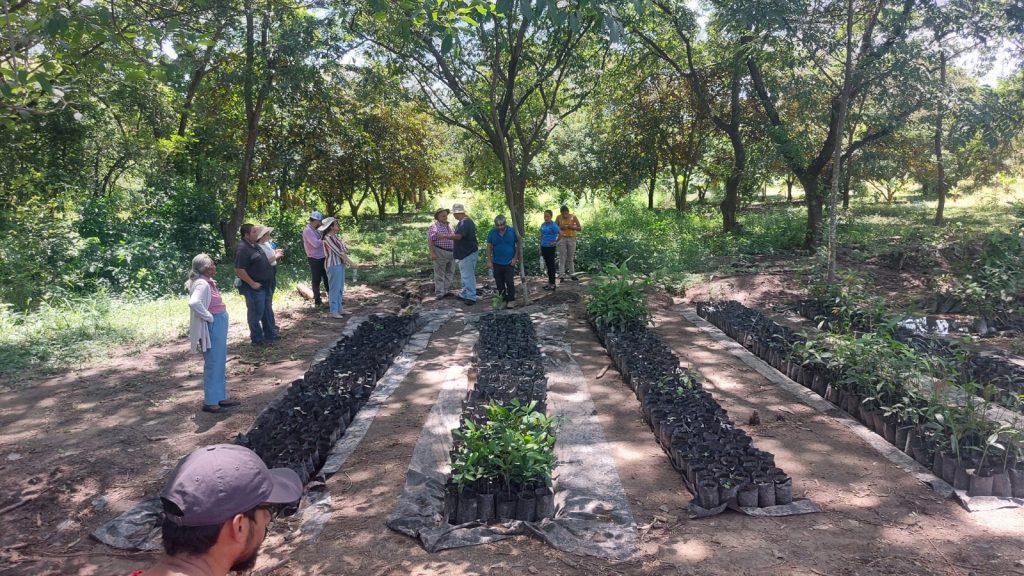
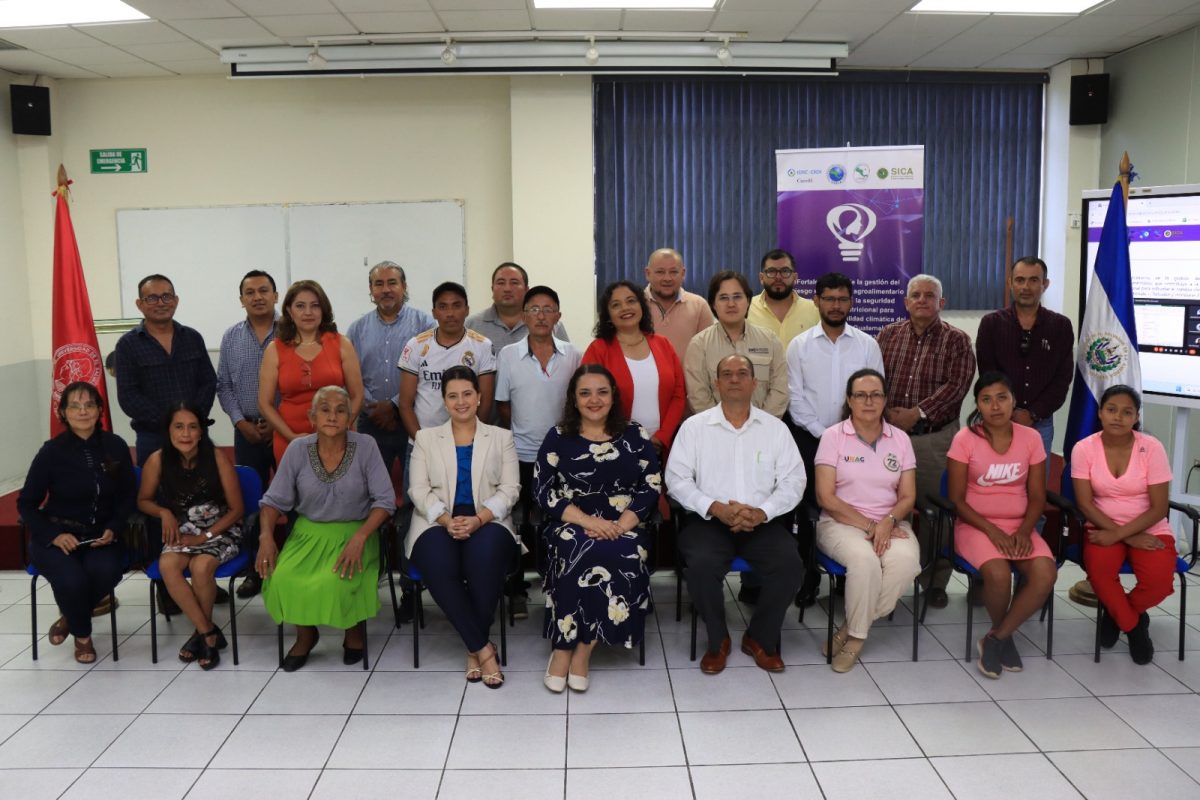
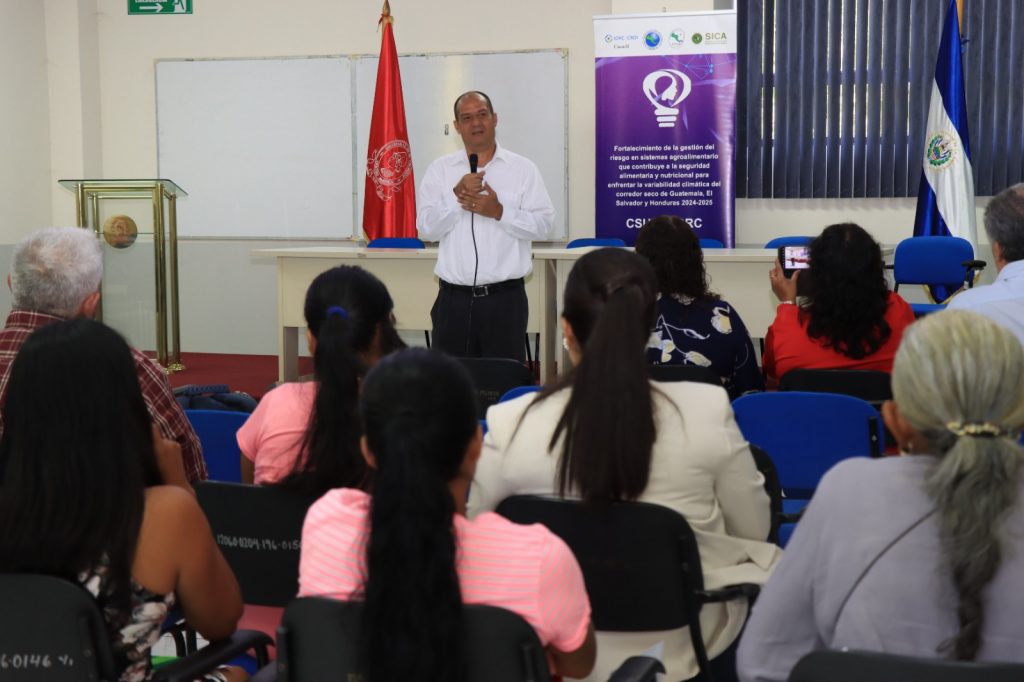
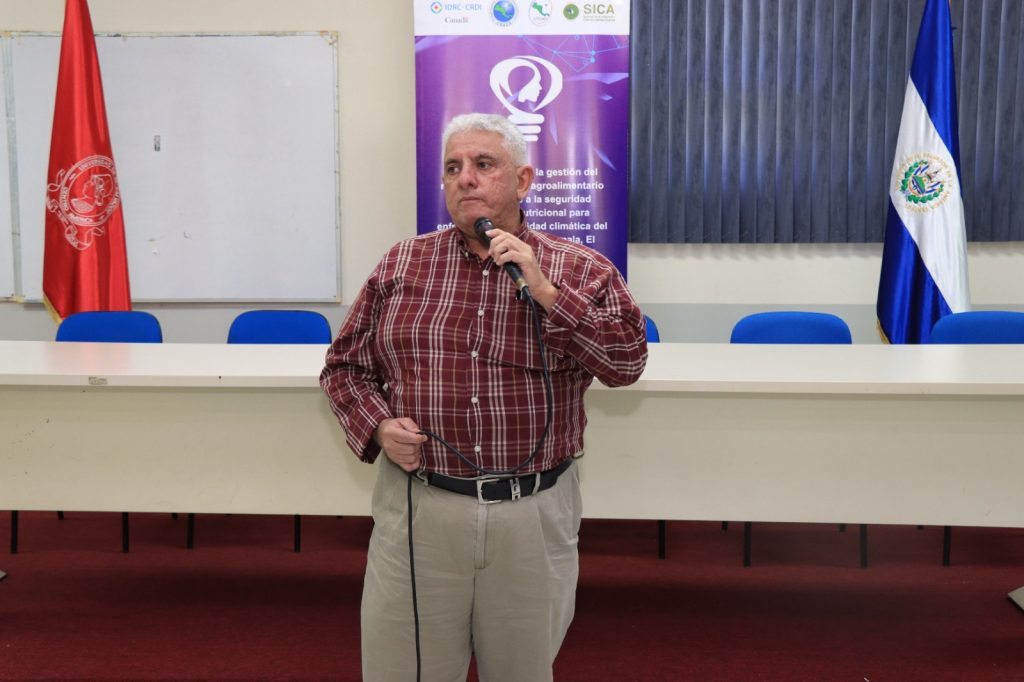
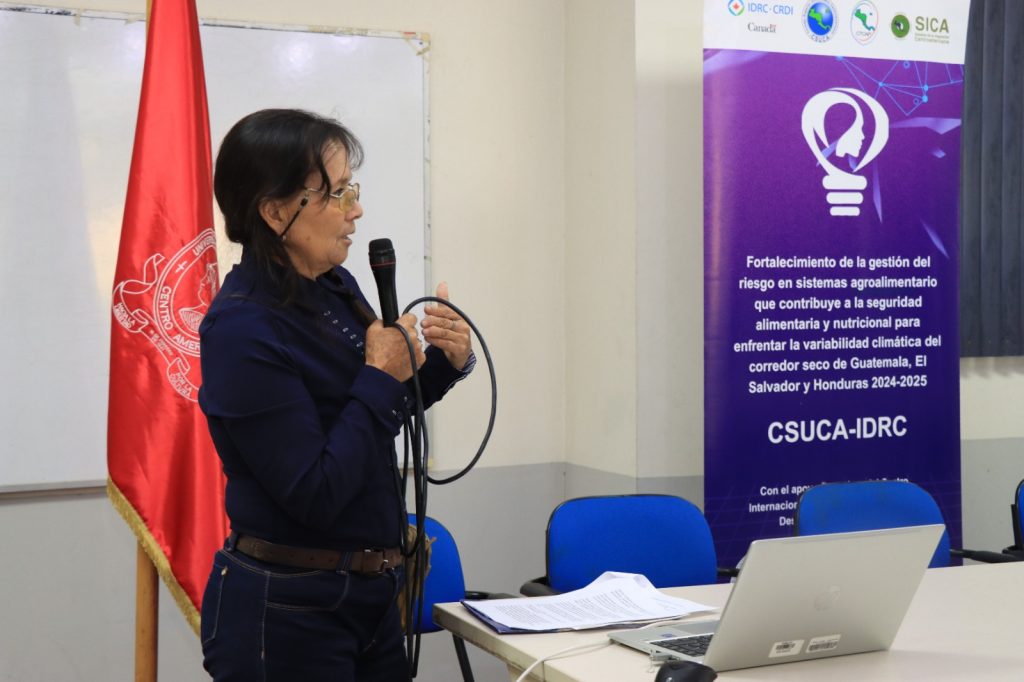
  8.  Strengthening risk management in agri-food systems that contributes to food and nutritional security to address climate variability in the dry corridor of Guatemala, El Salvador and Honduras 2023-2024.
    9. Equity in a just transition. Promoting the participation of the Central American region in the IPCC reports “Central American Network on Climate Change (RC4)”. (Costa Rica, Guatemala, El Salvador, Nicaragua and Panama)
  9.  Implementation of a data science-supported research network that empowers and inspires women to develop capacities to contribute to biodiversity conservation (Redbioma). (Costa Rica, Guatemala, Nicaragua and Mexico).
  10.  Consolidation of the Central American Network of Innovation and Research for Fair Access to Housing and the Understanding of Metropolitan Architectures. Horizontal, inclusive and collaborative dialogues between Metropolitan Areas of Nicaragua, El Salvador, Guatemala and Mexico (RCAII –AJH -AM).
  11.  Tools for the defense of the territory of indigenous communities in Costa Rica, Honduras and Guatemala.
  12.  Technological Innovation, Social Inclusion and Environmental Management for the identification of variables of sustainable community development in Central America. (Guatemala, Costa Rica and Panama).
  13.  Consolidation of the Central American Network for Critical Extension Research (RECIEC), Stage II. (Honduras, Guatemala, El Salvador, Nicaragua, Costa Rica and Panama).
  14.  Strengthening the economic conditions of indigenous women in Honduras, Guatemala and El Salvador within the framework of the second Sustainable Development Goal: Zero Hunger.
  15.  Traditional Ecological Knowledge for Food and Nutritional Security: Innovation and Conservation. (Panama, Guatemala and Nicaragua).

The projects are expected to identify challenges or needs of the various vulnerable groups or sectors in the Central American region over the course of 22 months and provide responses that will improve inclusive innovation and gender equality, while also supporting the achievement of the Sustainable Development Goals (SDGs) and regional policies.


SICEVAES PRESIDENCY TRANSFER

Central America, July 24, 2024

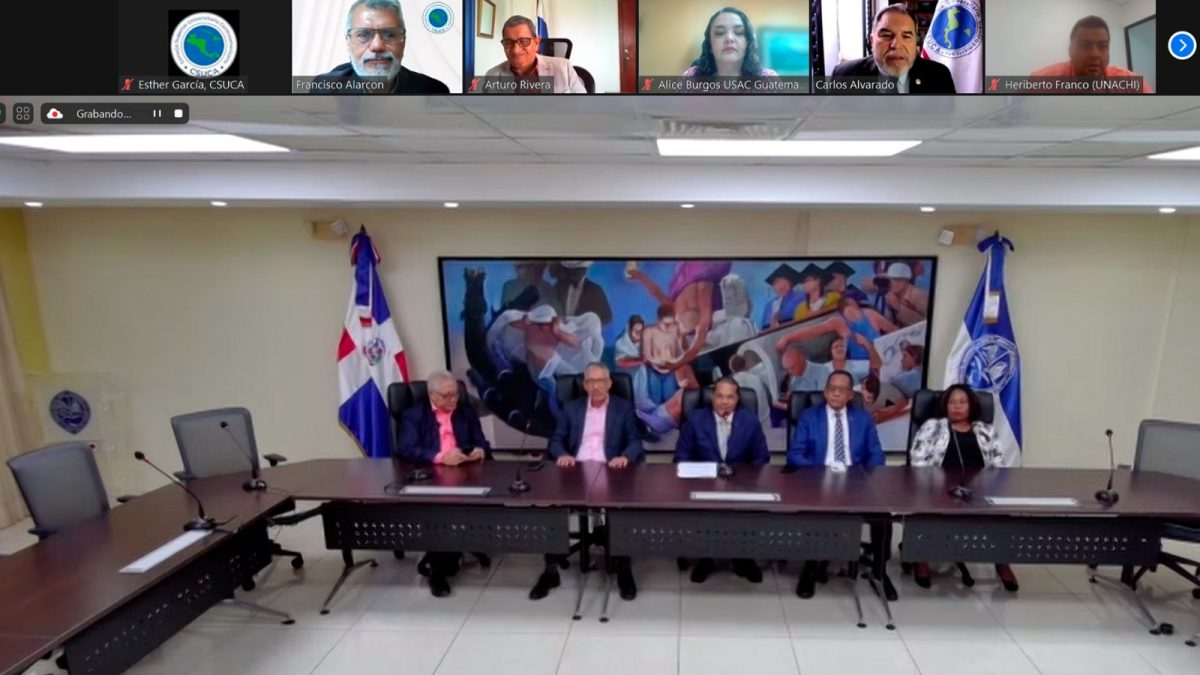
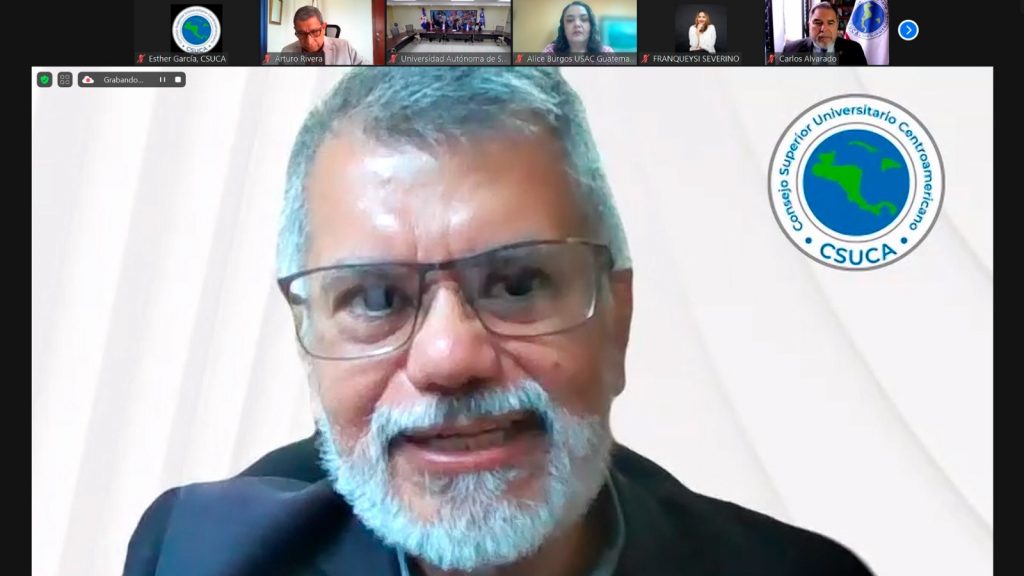
Today, in a virtual format, the transfer of the presidency of the Central American System for Evaluation and Harmonization of Higher Education -SICEVAES- took place, with Ángela Laguna of the Technological University of Panama handing over the position to Wilson Mejía of the Autonomous University of Santo Domingo.

SICEVAES is the system that promotes a culture of quality, evaluation, and accountability to society in member universities, using evaluation and accreditation as a strategy for managing change, modernization, and improvement. According to the system's operating regulations, the presidency rotates annually to the country holding the presidency of the Central American Higher University Council; in this case, it is the Dominican Republic, which holds the presidency from Panama.

Ángela Laguna, the outgoing president, in presenting her report, highlighted the importance of collaborative work with the vice-rectors and directors of teaching at member universities, for the development and fulfillment of the Fifth Plan for the Integration of Higher Education in Central America and the Dominican Republic -PIRESC V-.

In addition, a review of the activities planned for the second half of the current year was carried out by the Technical Commission and the committees for promoting and monitoring the strategic objectives of program 3 of PIRESC V.

For his part, Wilson Mejía, the incoming president, stated, “We will promote regional mechanisms for international accreditation of the quality of university education and the harmonization and academic integration of higher education in the region. In other words, we will advocate for improved quality in curricula to foster integration, development, and an improved quality of life in the countries of Central America and the Dominican Republic.”.

For his part, Carlos Alvarado, Secretary General of CSUCA, mentioned the importance of universities, especially through SICEVAES, in promoting social change towards greater global human development. A key instrument in this is the implementation of the Central American Qualifications Framework for Higher Education (MCESCA), which aims to promote curricular innovation by focusing on expected learning outcomes, foster regional academic harmonization, define a common regional benchmark, and provide greater transparency to university degrees offered in the region; as well as ensure ongoing teacher training, which is so important for academic quality.,

 as part of the curriculum, methodologies, technology, pedagogy, among others, that provide value to students and are relevant within that context.


University Week of Linkage for Development

📢CONARE invites you to participate in the “University Week of Linkage for Development”, presenting papers at the “Second Regional Meeting of Innovation, Entrepreneurship and Knowledge Transfer” and at the “Eleventh International Congress of the University-Business Network ALCUE” to be held at the University of Costa Rica

📒To be developed with the following themes:
-Technology Linkage and Transfer in response to global challenges
-Dynamic entrepreneurship and entrepreneurial culture in universities
-The link with the socio-productive sector from teaching and vocational training
- Quintuple helix of innovation and SDGs
-Contribution of universities to BIOECONOMY
-Reducing social and economic gaps through technology transfer, innovation and entrepreneurship

👉All the information is available at: https://undecimocongreso.redue-alcue.org and presentations can be given on completed works or works in progress.
👉Requirements for submitting papers: https://undecimocongreso.redue-alcue.org/participacion-y-costos/ponente/

CXXII Sesión Ordinaria de CSUCA

En instalaciones de la Universidad Autónoma de Santo Domingo -UASD-, los días 20 y 21 de junio, se desarrolla la centésima vigésima segunda sesión ordinaria del Consejo Superior Universitario Centroamericano -CSUCA-.

Para dar inicio a la reunión, Editrudis Beltrán Crisóstomo, Rector de la UASD y Presidente entrante de CSUCA, da la bienvenida a los miembros del consejo a la casa de estudios que representa, señalando que “El CSUCA es una reafirmación para la población de la integración de las instituciones de educación superior en Centroamérica, mediante el intercambio académico cultural de las casas de estudio que apuestan por una educación universitaria pública y participativa”.

Por su parte Eduardo Flores, Rector de la Universidad de Panamá y Presidente saliente, manifiesta que “El CSUCA desempeña un papel crucial para el fortalecimiento de la educación de nuestras universidades, debemos hacer que más universidades públicas se integren y sea una manera de levantar la voz y defender las universidades públicas que en la actualidad,se ven amenazadas”.

Mientras que Franklyn García Fermín, Ministro de Ciencia y Tecnología de República Dominicana, da la bienvenida a su país y señala la importancia del trabajo de las universidades públicas en el transcurso de los años, señalando la importancia de la primada de América.

Carlos Alvarado Cerezo, Secretario General de CSUCA expresó su agradecimiento con el Señor Rector de la UASD y su equipo de trabajo, y expresó “El CSUCA es el organismo de integración más antiguo, estamos por cumplir 76 años de trabajar con compromiso y solidaridad, actualmente estamos integrados por 25 universidades, hago un llamado a que trabajemos en armonía, con un trabajo solidario, con el propósito de cumplir los fines y objetivos de nuestras instituciones”.

Con un quórum de 33 representantes del Consejo, entre ellos Rectores y Presidentes Estudiantiles y la aprobación de agenda, ha dado inicio a la CXXII Sesión Ordinaria de CSUCA, la cual tiene como propósito la presentación de informes, solicitud de ingreso de universidades, presentación de proyectos y universidades.

Por parte de la Secretaria Adjunta para Asuntos Estudiantiles de CSUCA, Miguel Gutiérrez, se ha presentado el informe de FEUCA, reglamento de Voluntariado Centroamericano y Caribeño de la Red UNIVOCES, SIREVE-CSUCA, aprobados en la L Sesión Ordinaria de CONREVE; mientras que el Secretario General de CSUCA, Carlos Alvarado, ha presentado el informe de la Secretaría General, señalando 4 puntos principales de interés para el desarrollo de la región:

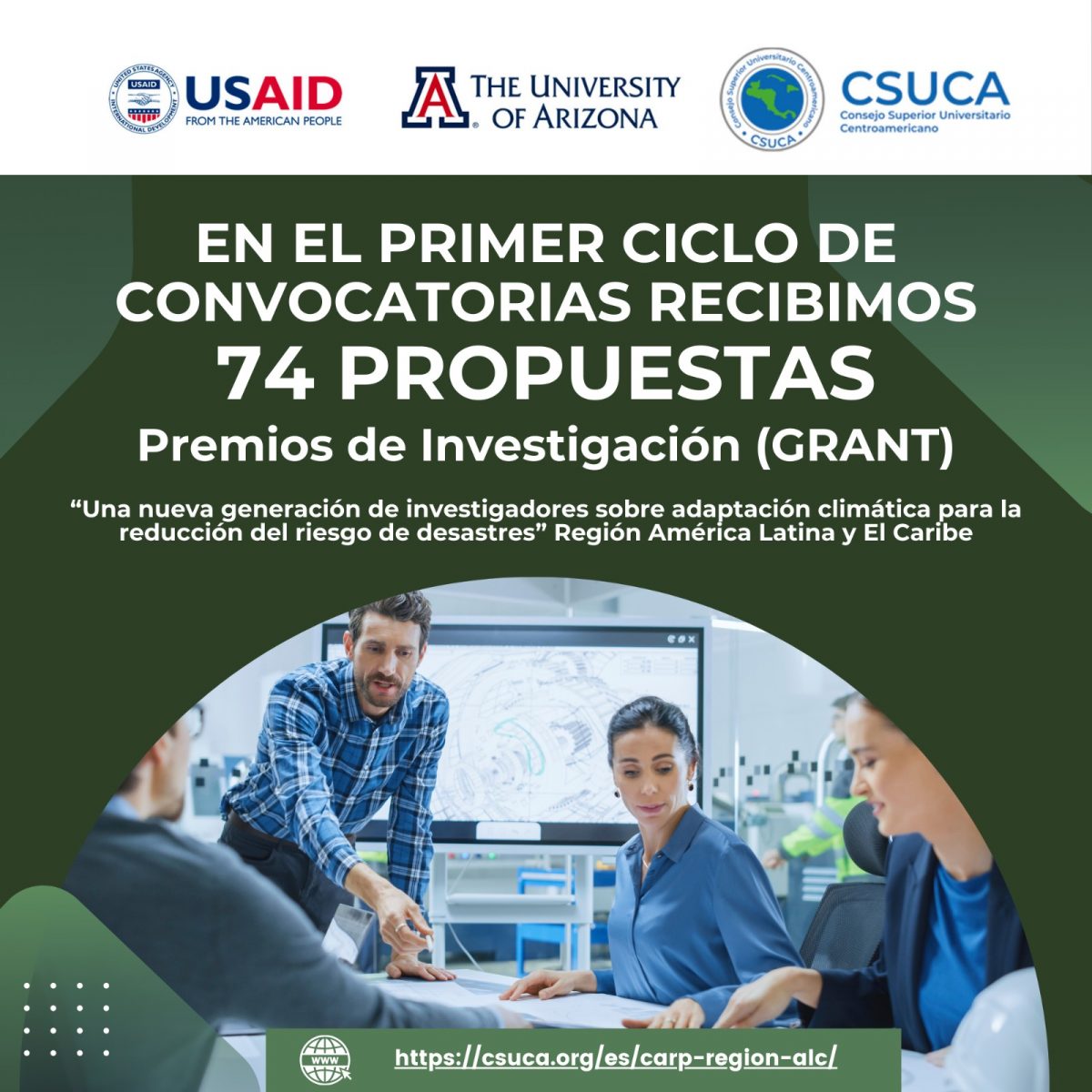
  • Se ha realizado el lanzamiento proyecto CARP, para la región América Latina y el Caribe, coordinado desde CSUCA, y actualmente ha habilitado el primer ciclo de convocatorias para premios de investigación de carrera temprana y premios de investigación en colaboración en educación superior (GRANT).
  • En la actualidad, se encuentra en ejecución el proyecto regional CSUCA-IDRC, mediante el desarrollo de 16 redes de investigación, dentro de las cuales, se encuentran siendo beneficiadas 18 universidades de las 25 que conforman CSUCA.
  • La Secretaría General de CSUCA fue seleccionada de manera unánime ante más de 500 universidades, para ser la sede de la próxima reunión de ENLACES, a realizarse en el primer trimestre del año 2026.
  • Mediante el Proyecto CAPES, las universidades miembros de CSUCA, serán beneficiadas por aproximadamente 20 millones de dólares en becas, las cuales estarán a disposición a partir de enero de 2025.

Asimismo, Jorge Cortez, Presidente de CONREVE, presentó el informe de JUDUCA e hizo la cordial invitación a las y los rectores de las universidades miembro, a conocer el calendario de las próximas actividades a realizar desde el área de vida estudiantil, pidiendo su total apoyo para el desarrollo de las mismas:

  • Entrega al Premio Regional a la Excelencia Académica Rubén Darío a desarrollarse en instalaciones de la Universidad Nacional de Ciencias Forestales -UNACIFOR- en Honduras, en el mes de octubre del año en curso.
  • Primer Congresillo Técnico de los JUDUCA, en Honduras durante el mes de octubre de 2024.
  • Universidades Promotoras de la Salud, en Santo Domingo, República Dominicana durante el 2025.
  • Voluntariado en Costa Rica, en 2025.

Por otro lado, se ha recibido la solicitud de ingreso a CSUCA, por parte de la Universidad de Ciencias de la Cultura Física y el Deporte. Manuel Fajardo (UCCFD) y Universidad de Ciego de Ávila Máximo Gómez Báez (UNICA), ambas de Cuba, siendo aprobado el ingreso de manera unánime, como miembros observadores de CSUCA.

Además se realizó la presentación del proyecto CARP para la Región América Latina y el Caribe, por parte de Anabella García, quien señaló la importancia de participar con proyectos ante las dos convocatorias que se tienen habilitadas.

Mientras que Dario Kusinsky, Rector de UNPAZ, realizó una presentación sobre la Universidad Nacional de José Clemente Paz (UNPAZ) de Argentina, con el propósito de trabajar de manera colaborativa junto al CSUCA y presentación de la Universidad Autónoma de Santo Domingo por Anotnio Medina, Vicerrector de Internacionalización de la UASD.

En agenda para el segundo día de sesión, se tiene planificada la presentación de FUNIBER, RED CLARA y la entrega de reconocimientos para exmiembros de CSUCA y el cambio de presidencia de Panamá a República Dominicana.