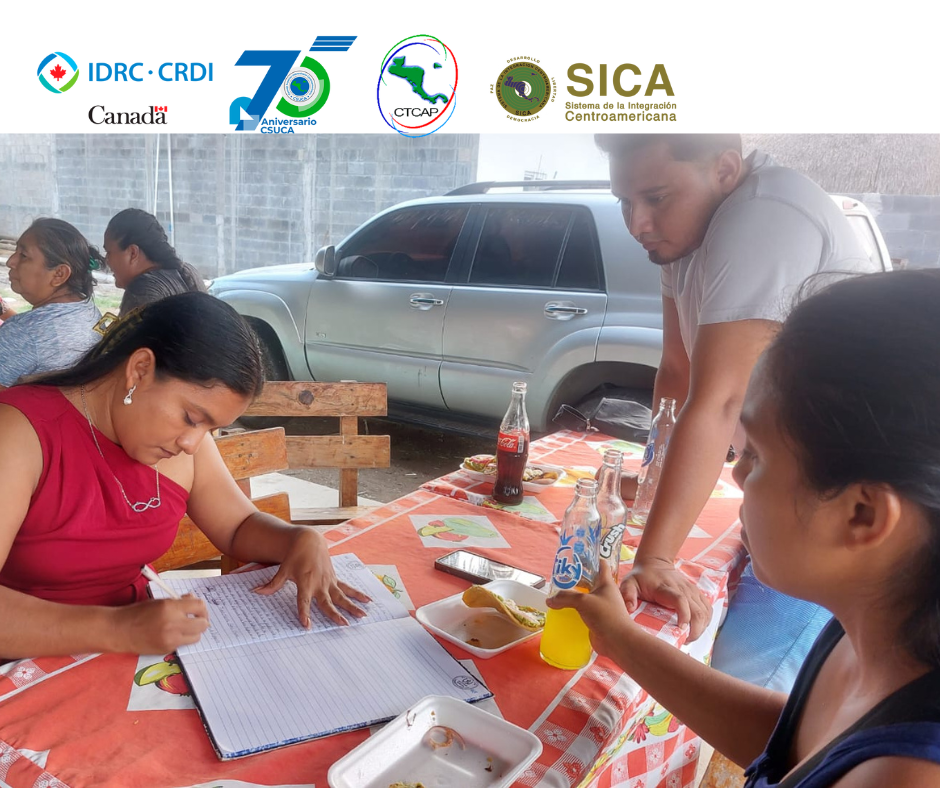
Actividades realizadas en Honduras

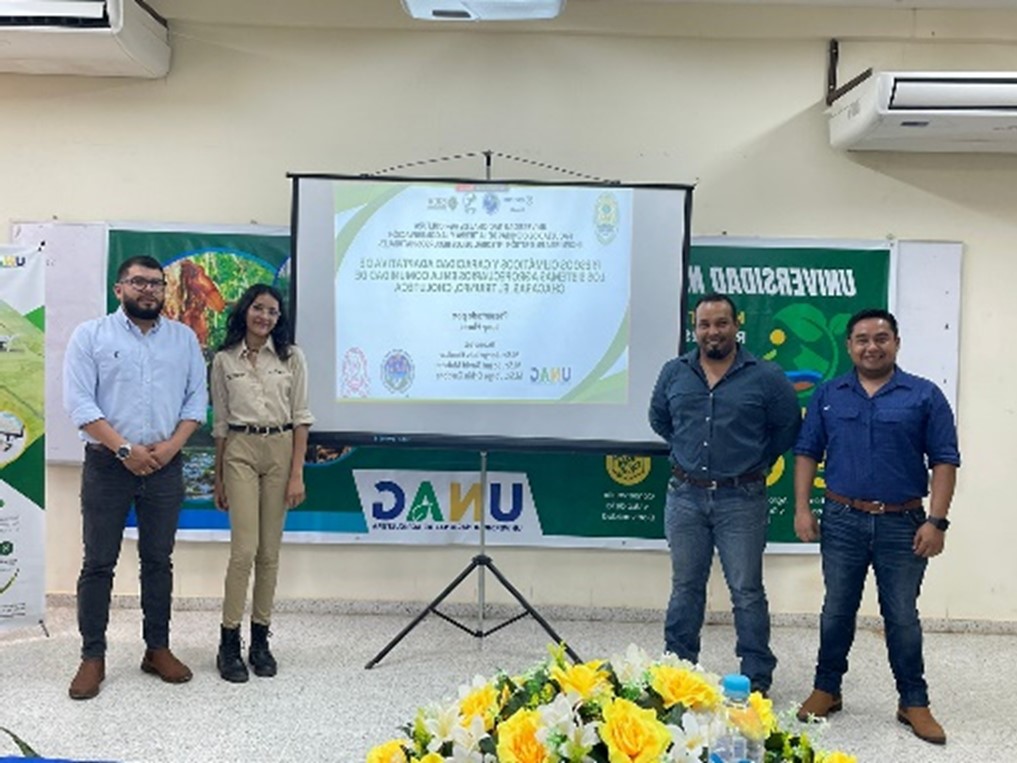
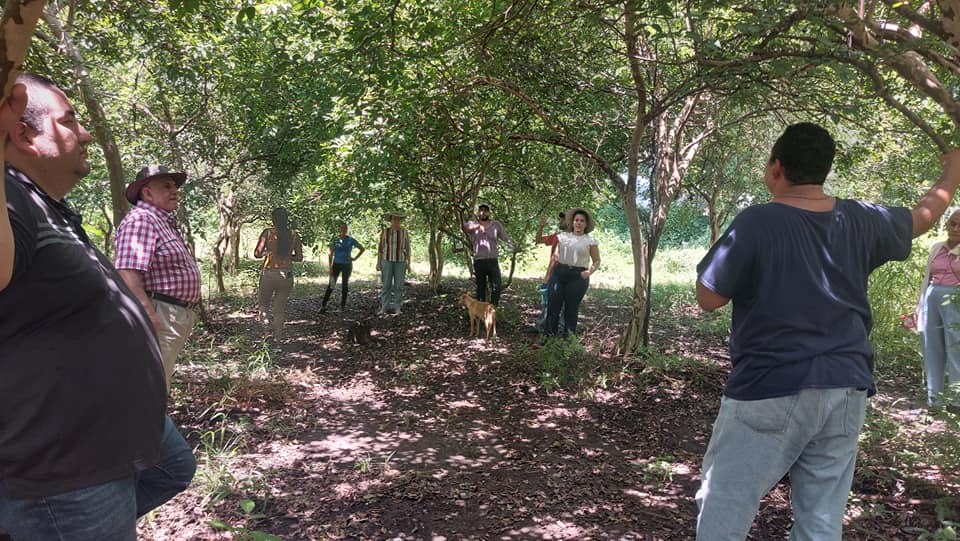
12 de Septiembre. Estudiantes de la Carrera de Ing. Integral en Recursos Naturales de la Universidad de Agricultura de Catacamas reciben una beca por la presentación del estudio “Análisis del sistema maíz- árboles frutales MIAF” en la comunidad El Perico. El Triunfo Choluteca, en el Corredor Seco.

El trabajo se realizó durante 3 meses en las comunidades de manera permanente.

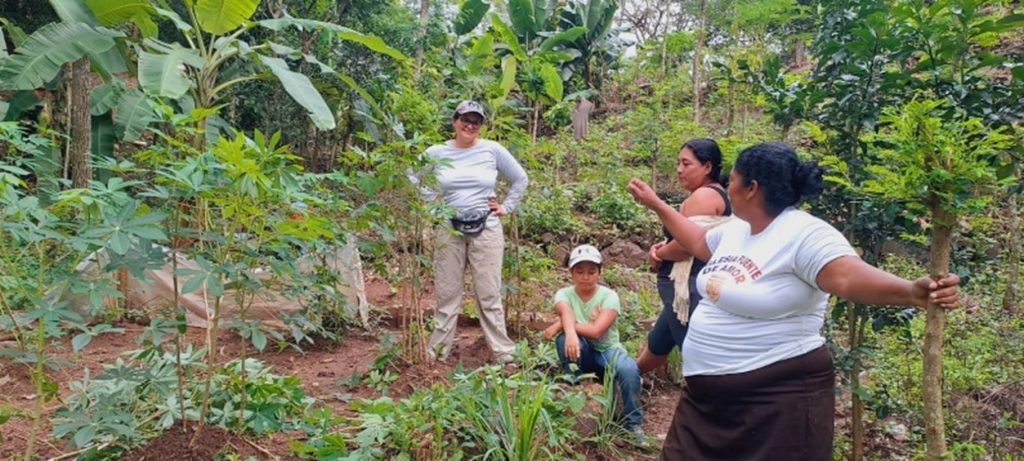
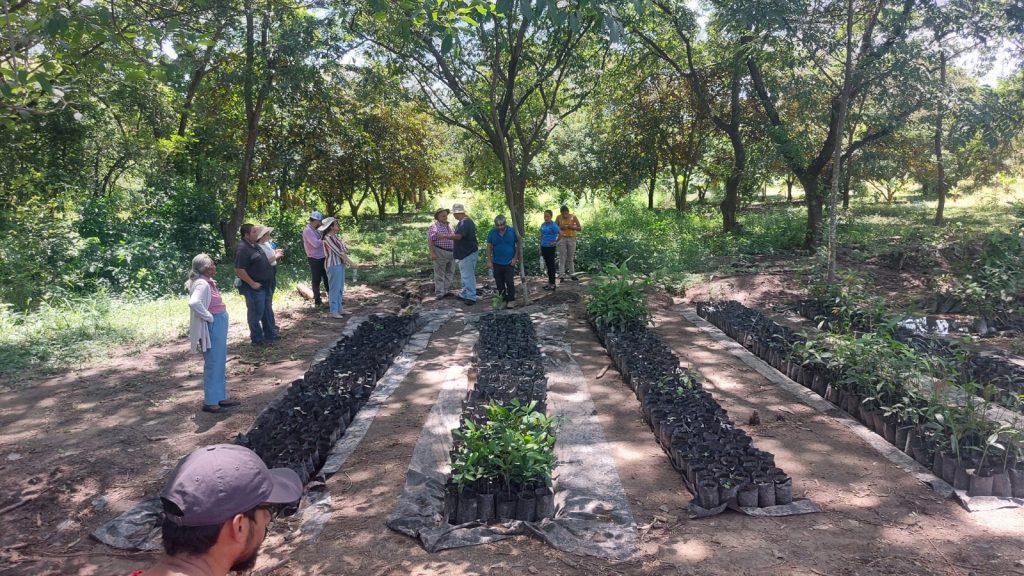
Dentro de las acciones que se realizan en Honduras, se avanza en el proceso de fortalecimiento de capacidades en Agroecología y parcela agroecológica usada como (vitrina tecnológica) en el Corredor Seco Hondureño, comunidad del Perico, Triunfo, Choluteca. La experta en Agroecología de UNAG, Wendy Castellanos demostró el manejo de sistema multiespecie y explicó la funcionalidad y las interacciones que existen entre cada una de las especies utilizadas, el Ing. Josué Matute trabajó el manejo de suelo y la importancia de la materia orgánica y coberturas de los suelos más la acción de la microbiología en los procesos biogeoquímicos.

Actividades realizadas en Guatemala

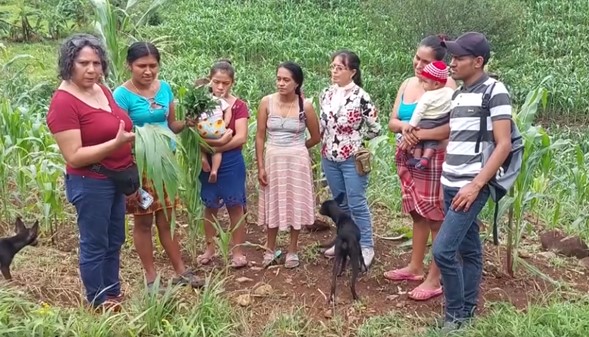
20 de septiembre. La Maestra Caremina Barrios del proyecto 7-GT, explica a agricultoras y agricultores de la Aldea Ixcanal I Jutiapa, Guatemala, las ventajas de deshojar la planta de maíz durante la etapa de floración; que se resume en: ayuda a fortalecer la formación de la mazorca y por ende incrementa el rendimiento del grano de maíz; la hoja puede utilizarse como alimento para ganado y como envoltura de productos alimenticios (tamalitos). Autoconsumo y comercialización de la hoja.

Actividades realizadas en El Salvador

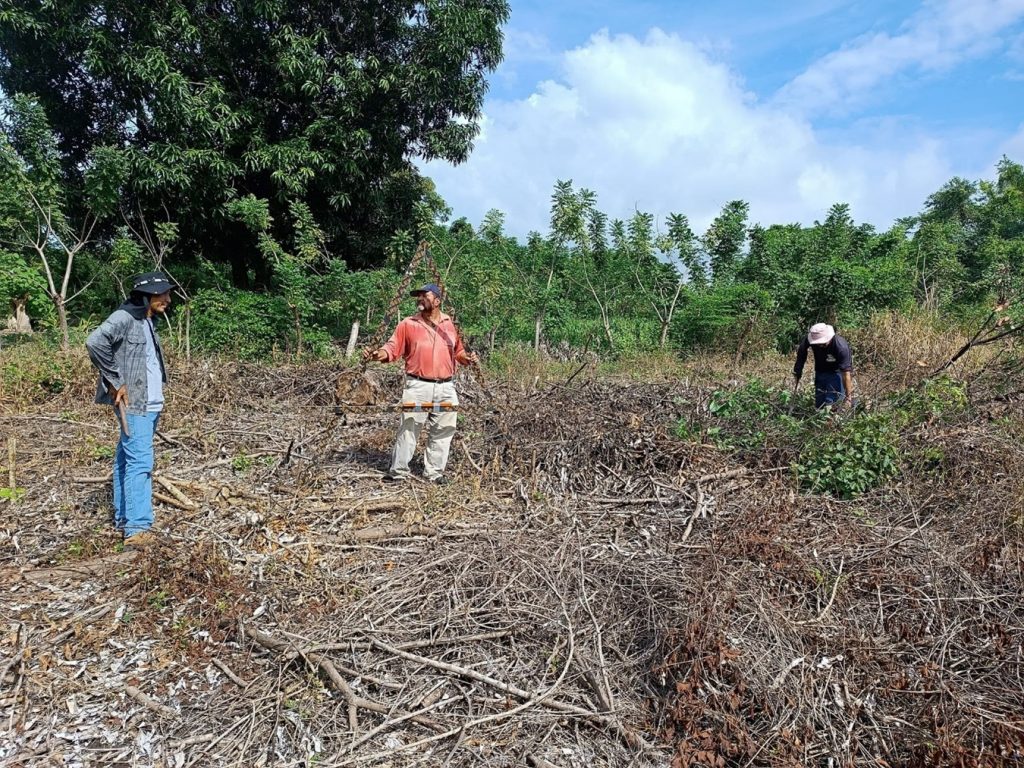
El 04 de noviembre parte del equipo técnico del proyecto 7-GT, El Salvador UES, realizó trazo de curvas a nivel en el terreno asignado para el establecimiento del MIAF Limón Pérsico.

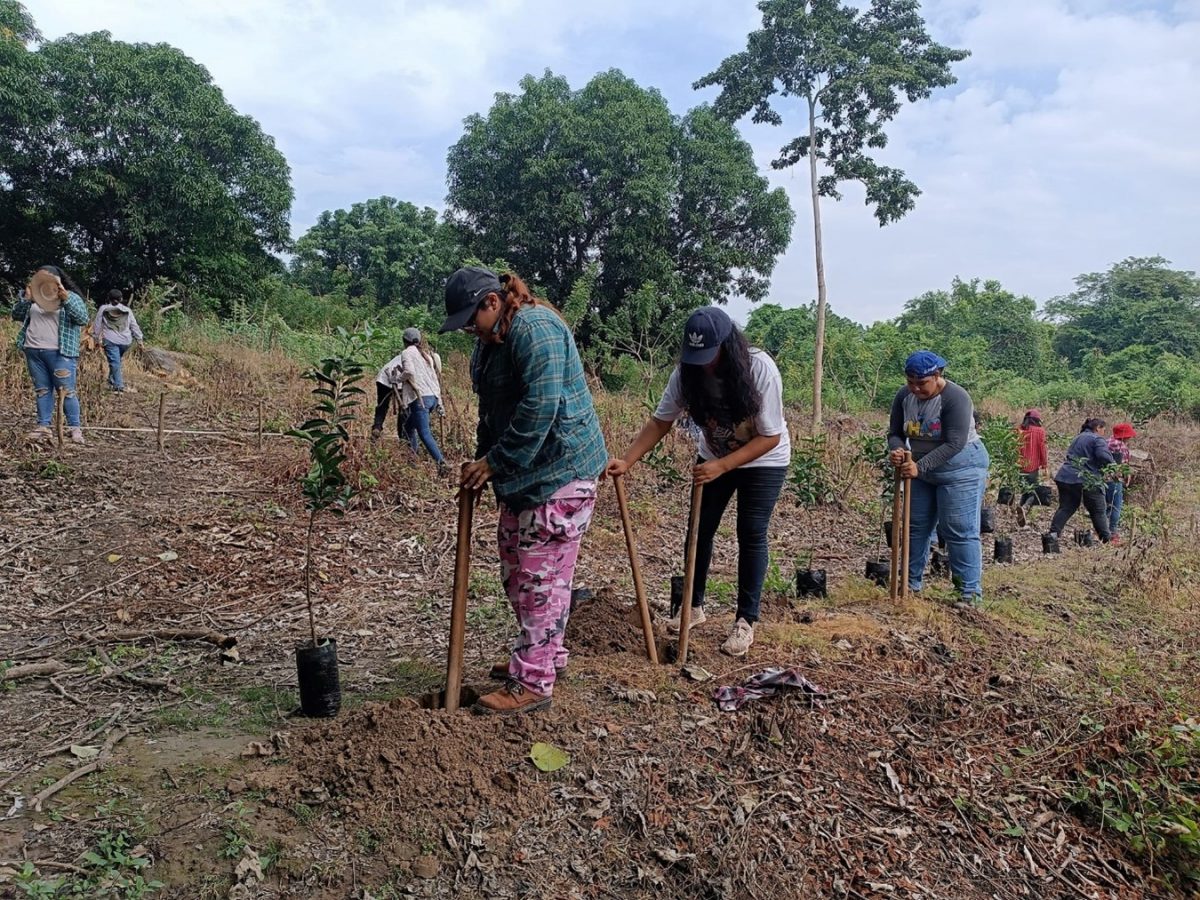
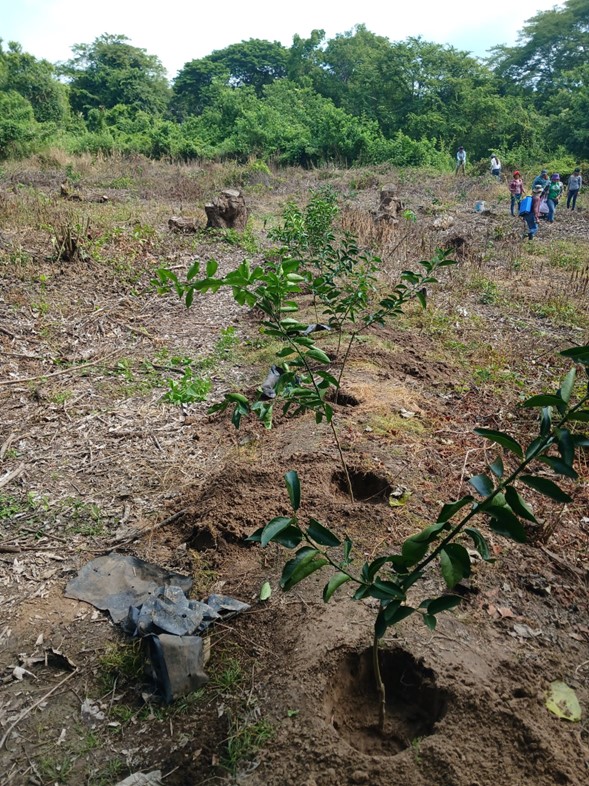
El 06 de noviembre se establecieron los limones pérsicos que constituirán el cuarto MIAF, en la Estación Experimental y de Prácticas (EEP) de la Facultad de Ciencias Agronómicas, en San Luis Talpa, como parte del proyecto 7-GT, El Salvador UES, que serán vitrinas tecnológicas para irradiar la tecnología a los productores de la zona de influencia de la EEP.  La actividad contó con la participación de estudiantes del curso de Cultivos Extensivos.

GUIDED FIELD TOUR

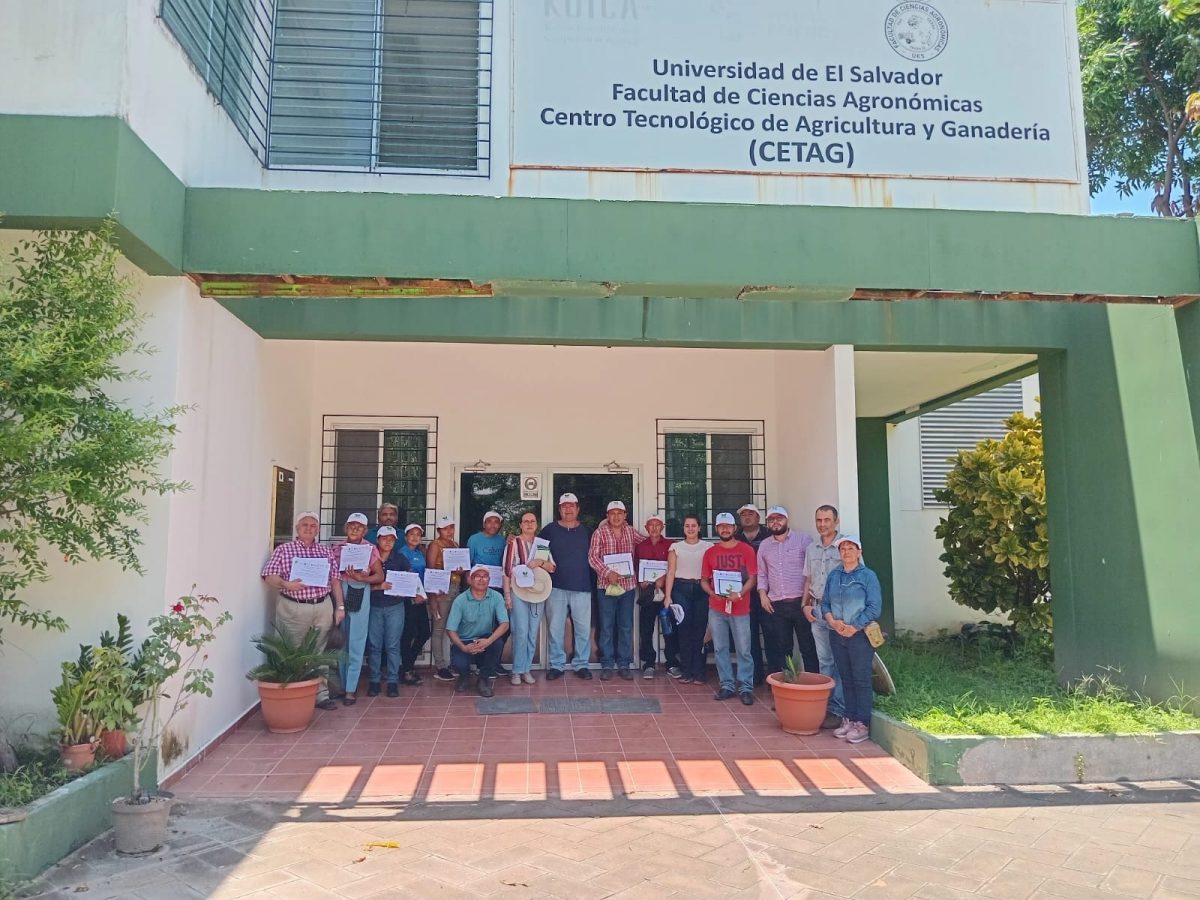
On August 30, 2024, as a follow-up to the activities of the Trinational Meeting, organized by the project “Strengthening the risk management of agri-food systems that contributes to food and nutritional security to face climate variability in the dry corridor of Guatemala, El Salvador and Honduras 2024-2025”, a field visit was carried out at the Technological Center of Agriculture and Livestock of the Faculty of Agronomic Sciences, UES, an activity in which the group of farmers from Guatemala and the professionals of the 7-GT project consortium and the Master Sonia Olivares of the IDRC-CSUCA Executing Unit participated.

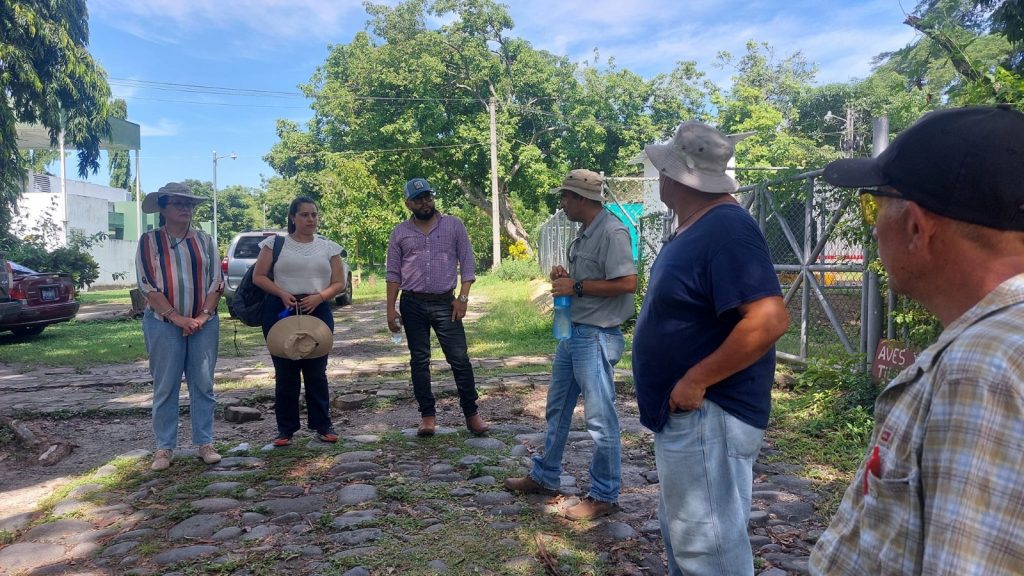
The Center Coordinator, accompanied by MSc Fidel Parada, welcomed the group, outlining the activities to be carried out within the center. During the tour, the group observed and received explanations about the rice trials being conducted; they also observed the management of the guava orchards, planted one meter apart and frequently pruned to prevent excessive growth and maximize shorter harvest times; the planting of the common bean (Cannavalia ensiformes); the displays of integrated agroforestry systems (MIAF): corn-fruit trees-sorghum-pitaya; and a plot of chufle (a type of palm) cultivated for commercial purposes due to its germination rate and rapid flower development for consumption. The group also saw the cocona shrub (Solanum sesiliflorum), used as a living fence; its fruit is in high demand in El Salvador for direct consumption and jam making.

Space in which the work carried out by women in the clonal garden of fruit trees was observed in order to obtain vegetative material that is planted in the MIAF systems.

At the end of the visit, diplomas and fertilizer bean seeds (sword bean) were given to all participants, following the closing ceremony of the Second Trinational Meeting of the 7-GT project.

TRINATIONAL MEETING PROJECT 7-GT – IDRC-CSUCA

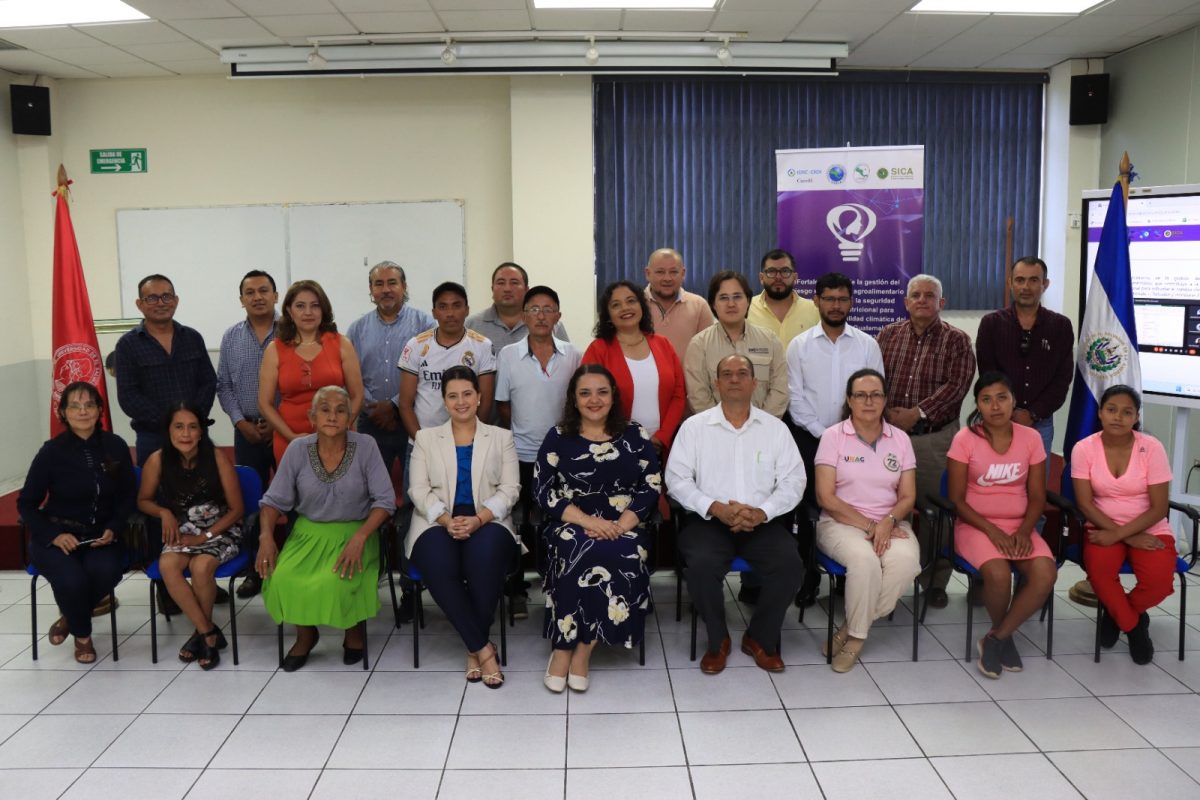
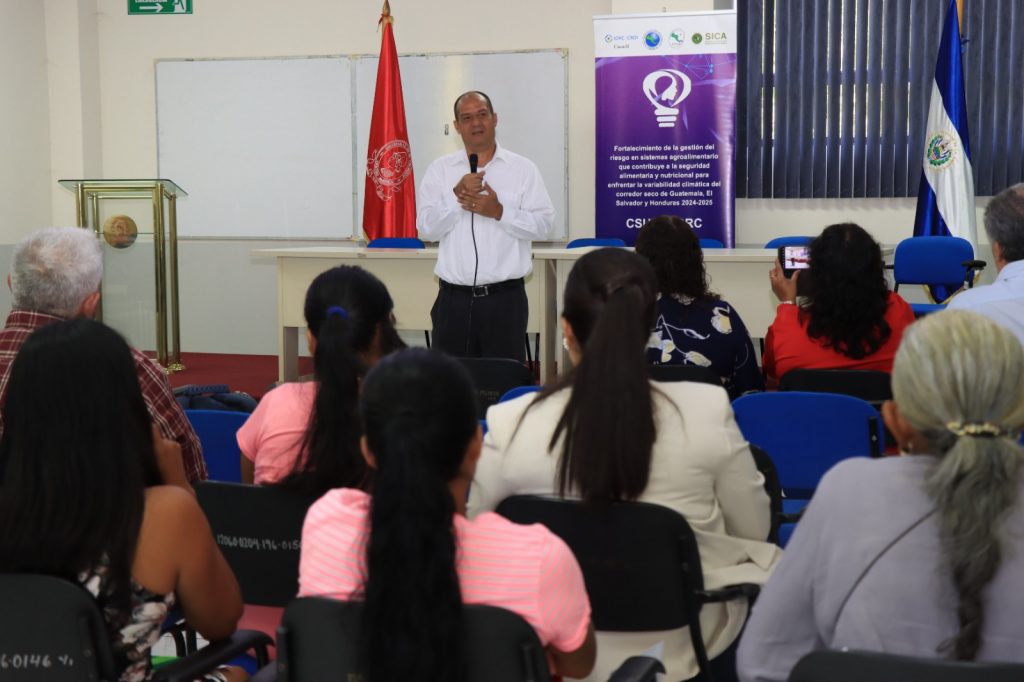
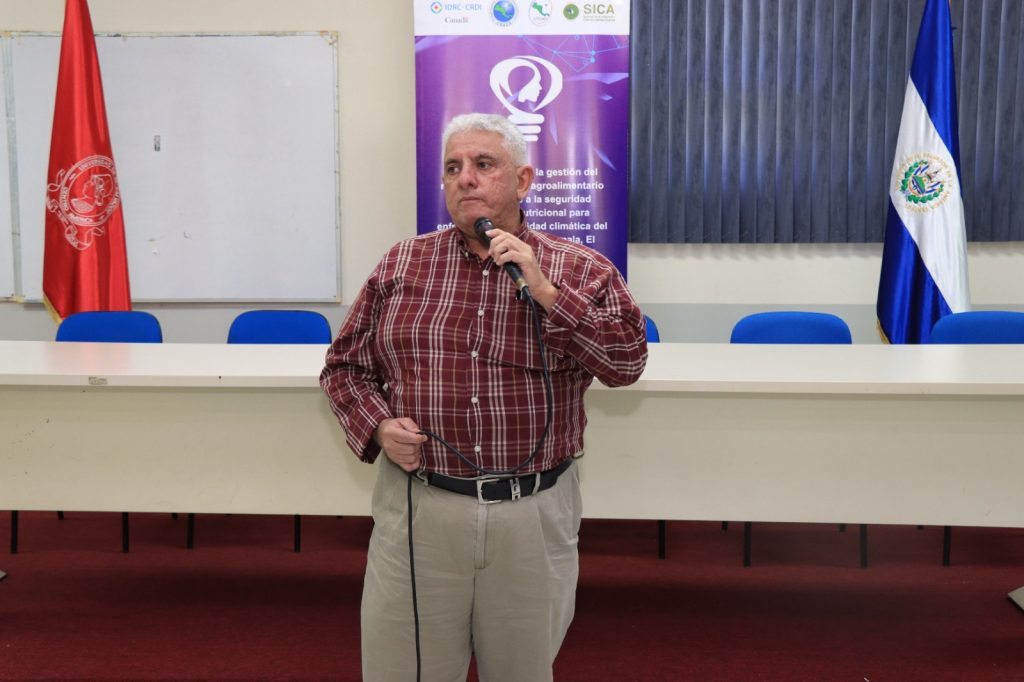
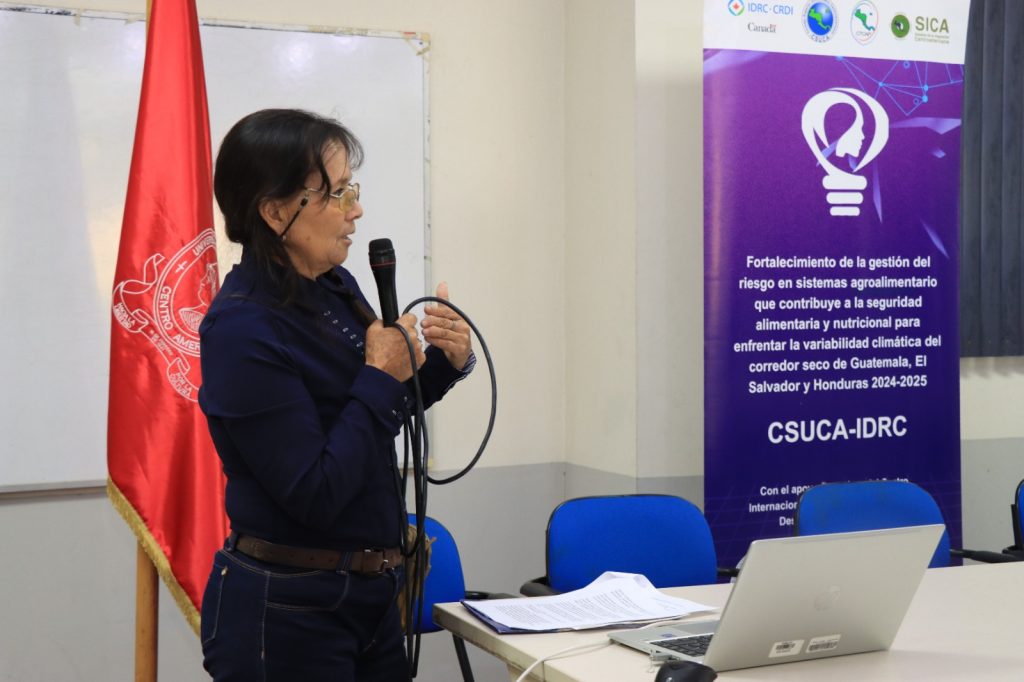
On August 29, 2024, the second trinational meeting of the consortium of researchers from Guatemala, El Salvador, and Honduras was held. These researchers are implementing Project 7-GT, "Strengthening the risk management of agri-food systems that contribute to food security and nutrition to address climate variability in the dry corridor of Guatemala, El Salvador, and Honduras 2024-2025," funded by the regional IDRC-CSUCA project. The opening ceremony took place in the auditorium of the Center for Research and Development in Health (CENSALUD) at the University of El Salvador. It was presided over by the Rector, MSc. Juan Rosa Quintanilla; MSc. José Miguel Cermeño, Secretary of Scientific Research; MSc. Nelson Bernabé Granados, Dean of the Faculty of Agronomic Sciences at the University of El Salvador; Dr. Alice Burgos, Director of Research at the University of San Carlos (USAC); MSc. Sonia Olivares from the IDRC-CSUCA Implementing Unit; and Dr. Milton Sandoval, Coordinator of Project 7-GT. Those who spoke welcomed the participants, highlighting the importance of the project in contributing to mitigating the effects of climate change on food production agriculture.

Among the topics addressed during the meeting was "Women's Empowerment in Agricultural Practices," presented by Nora Letona, who offered a historical analysis of the evolution of women's struggle for their rights in society. She also outlined the activities being carried out within the project to encourage women's participation in communities. Ana Mireya, for her part, discussed the activities implemented in Honduras to promote women's participation in the project.

Regarding Dr. Milton Sandoval, the project coordinator, I presented the experience of the “Agri-food risk assessment in the communities where the Guatemalan group works. Case study: USAC-CUNSARO subproject.”.

Another topic addressed was the “Importance of Early Warning Systems (EWS) to determine agri-food risk” by Eng. Rodrigo Vásquez, UES, and “Agroecological strategies and practices in the diagnostic phase applied in agricultural systems” by MSc. Jorge Luis Escobar, UNAG, mentioning droughts, heat, lack of water, and crop losses that are addressed in the IDRC-CSUCA project in Honduras.

While MSc. Oscar Ferreira, UNAG, mentioned the experiences they carry out with children in promoting agri-food practices in Honduras, MSc. Fidel Parada Berrios, UES spoke about the expected impact on the communities benefiting from the MIAF technological showcases, and the SAF agroforestry systems, and Dr. Héctor Alonso Gómez Gómez from UNAG pointed out the progress of the project in Honduras in the town of El Triunfo, with the focus on sustainable agri-food systems.

The day ended with the reading of agreements regarding the actions to be developed in the project, by Teacher Sonia Olivares.

Actividad Cebollitos Santa Rosa

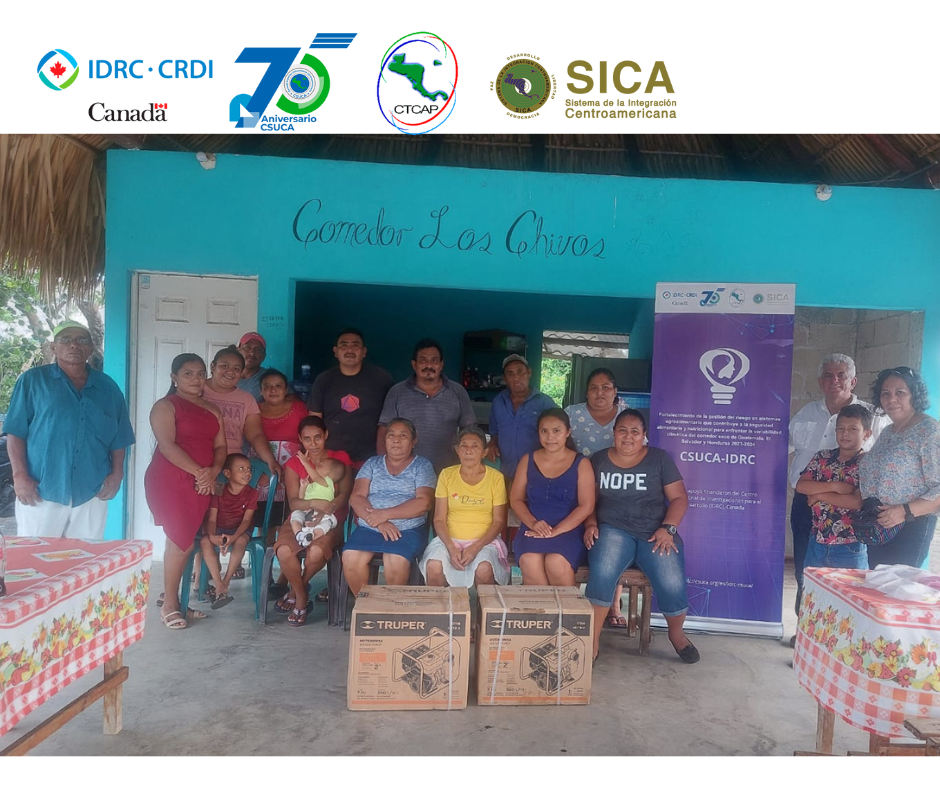
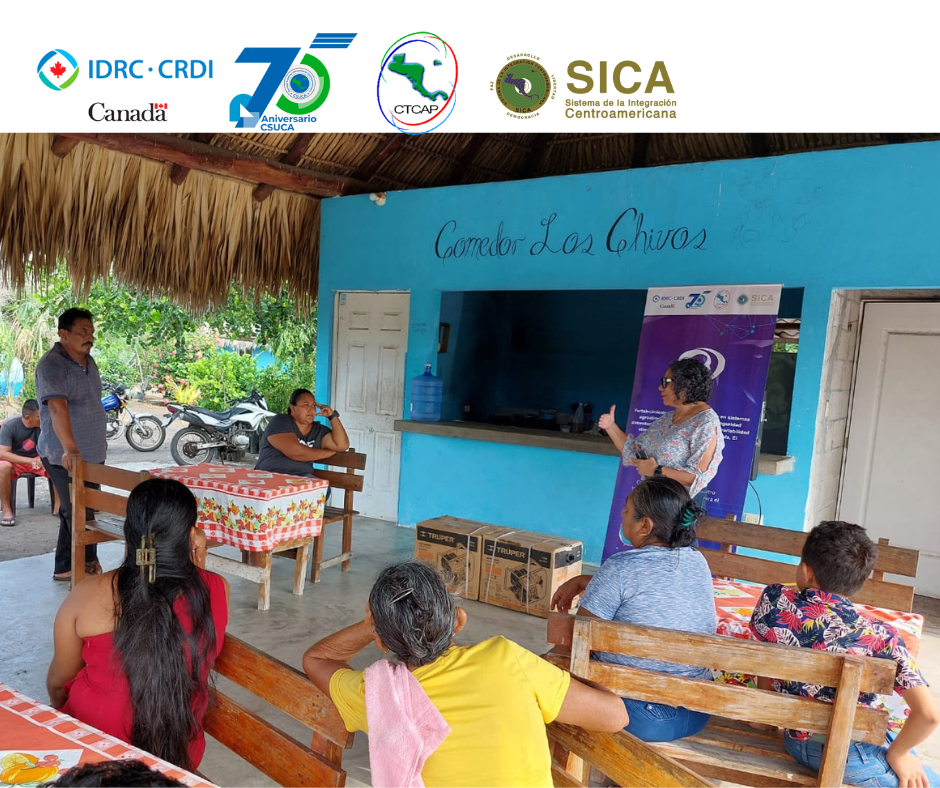
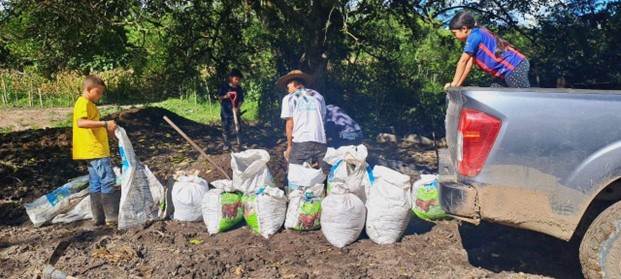
Los días 1 y 2 de junio del 2024, en el marco del proyecto “Fortalecimiento de la gestión del riesgo en sistemas agroalimentarios que contribuyan a la seguridad alimentaria y nutricional para enfrentar la variabilidad del cambio climático en el corredor seco de Guatemala, El Salvador, Honduras 2024-2025”.   7-GT, financiado por IDRC-CSUCA, Milton Sandoval, Caremina Barrios y Nora Letona realizaron la entrega de árboles frutales (Mango tomy, limón persa, carambola, guanábana, chico zapote) al presidente del COCODE de la aldea Cebollitos, Chiquimulilla, Santa Rosa, Sr. Juan Manuel Morales.

En el lugar estuvieron presentes 30 agricultores (hombres, mujeres, jóvenes y niños) de la comunidad, para recibir capacitación sobre la siembra y cuidado de los arbolitos que se sembrarán intercalados con maíz (Sistema MIAF).

El grupo manifestó su interés en sembrar plantas de rápido crecimiento tales como hierba mora y Chipilín, para disponer de alimento de alto valor nutritivo y comercial.

Para apoyar la eficiencia del área que se constituirá en vitrina tecnológica del sistema MIAF, se donaron 2 bombas de agua, que permitirá el riego del área a cultivar.

Finalmente se levantó un acta en la cual se dejó constancia de la reunión, la entrega de las bombas y el compromiso de la comunidad de establecer y manejar el sistema MIAF.