XXIV Sesión Ordinaria de SIESCA

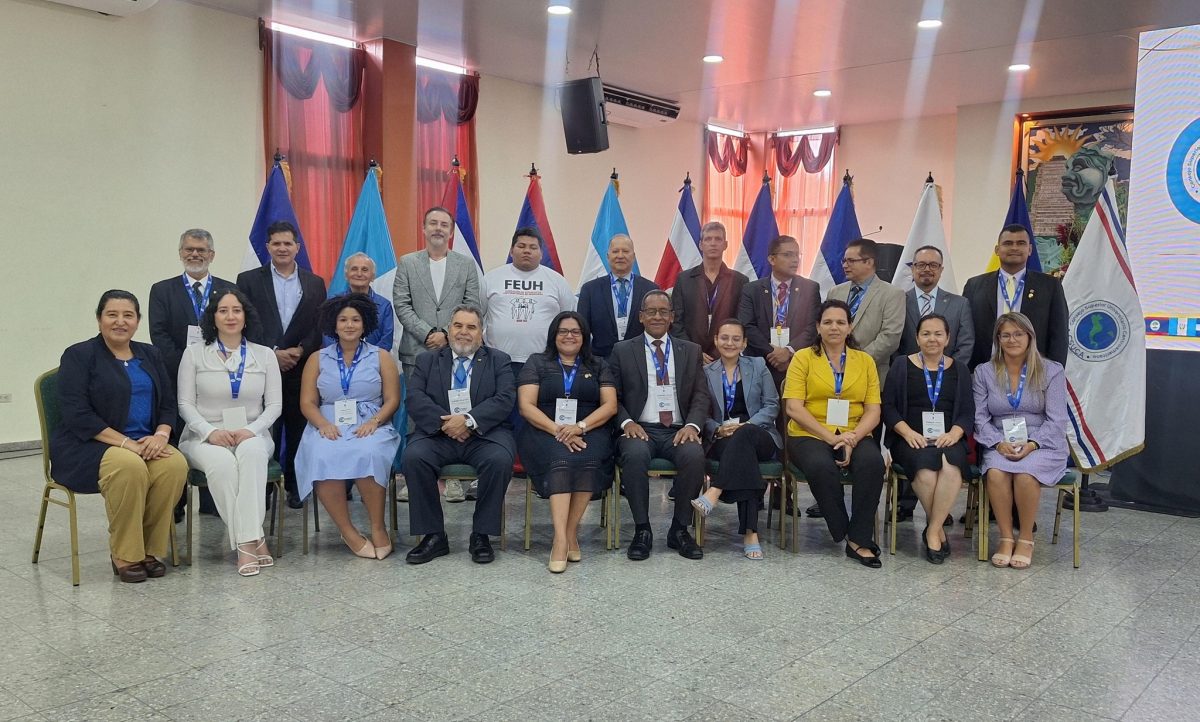
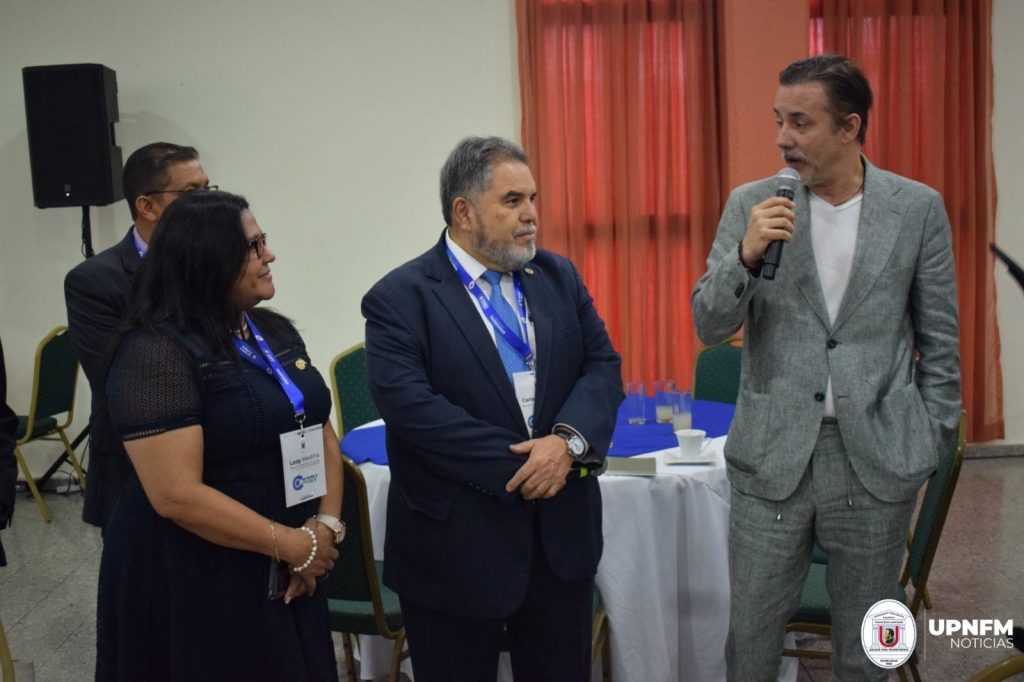
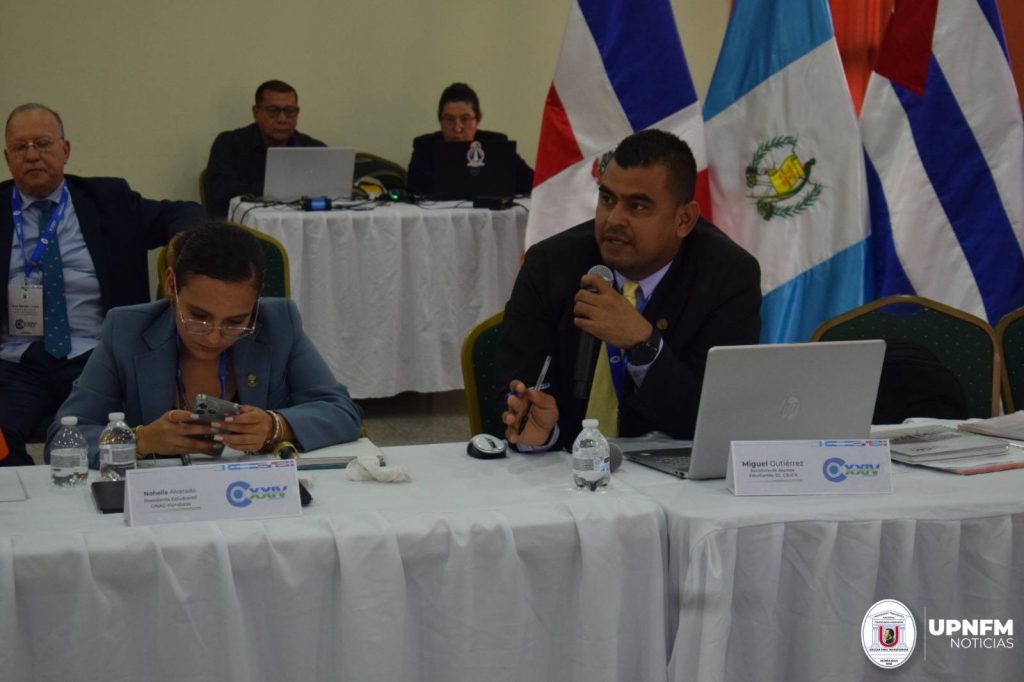
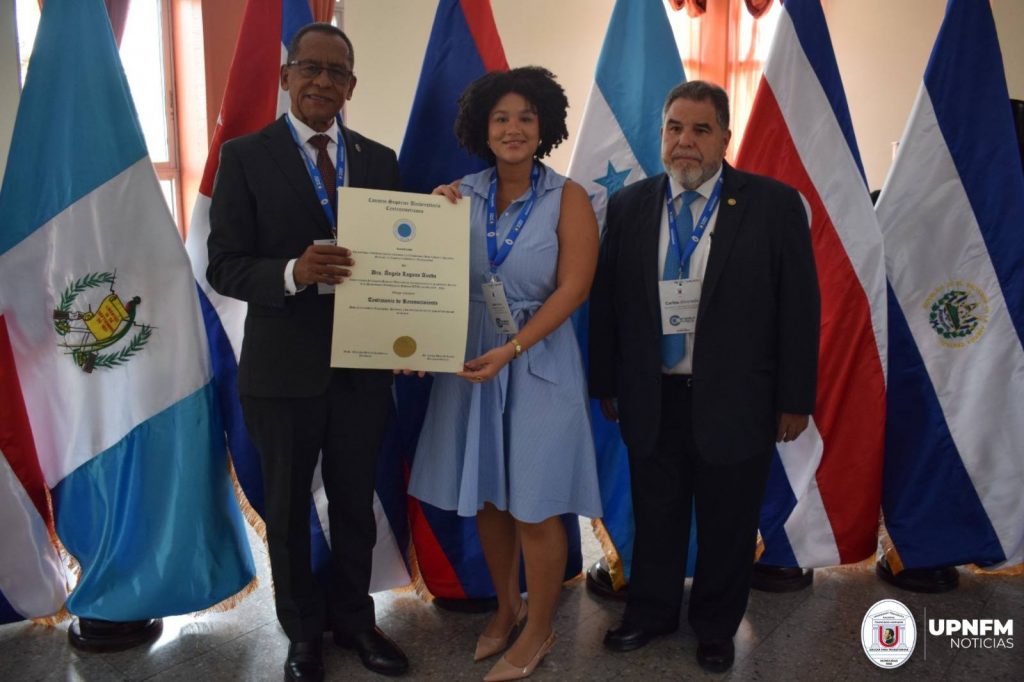
Los días 6 y 7 de mayo se desarrolló la vigésimo cuarta sesión ordinaria del Sistema para la Internacionalización de la Educación Superior Centroamericana -SIESCA- desarrollada en modalidad presencial en la Universidad Nacional de Ciencias Forestales -UNACIFOR- en Siguatepeque, Honduras.

SIESCA es el órgano de la Confederación Universitaria Centroamericana que impulsa la institucionalización de la internacionalización como un instrumento estratégico para promover la calidad de las universidades miembros del Consejo Superior Universitario Centroamericano -CSUCA-.

El acto inaugural conto con la bienvenida de Emilio Esbeih, Rector de UNACIFOR quién mencionó “Desde nuestra universidad es un inmenso honor ofrecer esta cordial bienvenida a la vigésima cuarta sesión ordinaria de SIESCA. Su presencia aquí no solo fortalece los lazos académicos y de cooperación entre nuestras universidades, sino que también simboliza el compromiso con una educación superior al servicio de nuestras comunidades, con las bases para construir una región más productiva, sostenible y solidaria”.

Mientras que, Carlos Alvarado, Secretario General de CSUCA indicó “La representación que ustedes tienen en el sistema de internacionalización desde cada una de nuestras universidades, integradas en el CSUCA, es clave para promover un modelo de cooperación regional sólido, inclusivo y comprometido con el desarrollo. Siendo muy importante el trabajo colaborativo para la consolidación de un modelo regional de educación superior que pueda promover un desarrollo con equidad, conocimiento compartido y una integración académica en beneficio de nuestros países”.

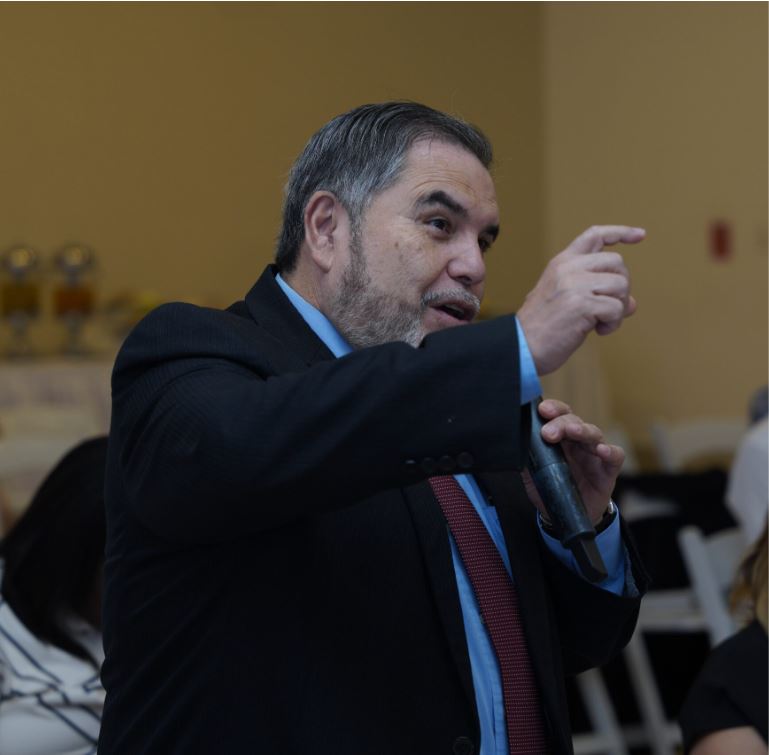
Por su parte, Antonio Medina, Coordinador de SIESCA en representación de la Universidad Autónoma de Santo Domingo inauguró la sesión señalando “La internacionalización es un eje transversal para todas las actividades de nuestras universidades: la docencia, la investigación y la extensión. Vivimos en un mundo globalizado, donde este instrumento se vuelve imprescindible para que nuestras universidades puedan mejorar y fortalecer sus niveles académicos, así como la cooperación entre instituciones. Todos conocemos los propósitos del SIESCA, que nos invitan a trabajar de manera articulada, estratégica y solidaria, con una visión regional e inclusiva”.

Dicha sesión cumplió con el propósito de conocer la experiencia de las universidades de Nicaragua en el Programa de Intercambio Académico Latinoamericano -Pila-, conocer la Aenda Regional de Investigación y Posgrado 2040, desarrollo del Observatorio Regional de Investigación y Posgrado de las universidades que integran el CSUCA, mediante su actualización con una perspectiva de sistemas CRIS, presentación de informe de grupos sobre el cumplimiento de los planes de trabajo 2025, así como la ejecución y desarrollo del actual plan.

Es preciso señalar que el trabajo colaborativo de la representación de las universidades ante SIESCA es contribuir a la formación de competencias internacionales de sus graduados, promover la participación de sus investigadores en la comunidad científica internacional y fortalecer la valoración, la visibilidad y el reconocimiento nacional, regional y mundial de las universidades miembros del CSUCA, a través de diferentes modalidades de cooperación internacional universitaria.

CSUCA participates in the Regional Civil Society Forum on Trade Facilitation: Progress and Opportunities for the Region

San José, Costa Rica – May 8, 2025

“Academia, private sector and international cooperation: keys to facilitating trade in Central America”

On May 8, the Regional Civil Society Forum on Trade Facilitation: Progress and Opportunities for the Region took place, with one of the key moments being the discussion entitled: “International cooperation, private sector and academia: partners in trade facilitation in Central America”, a space that highlighted the value of coordinated work to promote inclusive and sustainable economic development in the region.

This panel, which brought together high-level representatives from various key institutions and sectors, allowed for reflection on how regional integration can be strengthened through partnerships between public higher education, the private sector, and international cooperation.

One of the highlights was the intervention of Carlos Alvarado, President of the SICA Advisory Committee and Secretary General of the Central American Higher University Council (CSUCA), who emphasized the transformative role of academia in building a more competitive region.
“Public universities have ceased to be merely centers of academic training and have become key players in development. Through research, technical training, and their connection with the productive sectors, they can drive digital transformation, innovation, and sustainability,” Alvarado stated.

This forum provided an opportunity to learn about initiatives supporting higher education in the region, through projects such as Erasmus+ and INICIA, strengthening capacities in the social and solidarity economy in Central America. It also highlighted the strengthening of university-society-government ties, enabling the application of academic knowledge to benefit vulnerable communities through university extension programs.

The discussion was moderated by Roy Santana and featured prominent panelists such as Olga del Pino from the Spain-SICA Fund, Odir Fernández, Rector of the National Autonomous University of Honduras (UNAH), Ana Morales, Director of the Economic Integration Consultative Committee (CCIE), Yaruma Vásquez, representative of the Costa Rican Private Sector, and Vinicio Sandí Meza, Representative of the Costa Rican Academy; who all agreed on the need to strengthen mechanisms for permanent dialogue and triangular cooperation.

The forum reaffirmed that trade facilitation is not just a technical task, but a collective effort where knowledge, innovation and social commitment play a fundamental role, and was organized by the Secretariat for Central American Economic Integration (SIECA), with the support of the European Union and the Spain-SICA Fund.

Development of Symposium on Higher Education and Research for Disaster Risk Reduction

Guatemala City, May 13, 2025

Today, at the facilities of the Secretariat for Central American Economic Integration -SIECA-, the symposium “Higher Education and Research for Disaster Risk Reduction” was held, an academic dialogue organized by the German Academic Exchange Service -DAAD- and the Central American Higher University Council -CSUCA-, with the support of the German Embassy in Guatemala and SIECA.

The event brought together Central American and German academics with the aim of strengthening and promoting transdisciplinary scientific cooperation on the challenges posed by extreme weather events and disasters in Central America.

The opening ceremony was led by Irena Rusak, representing Christoph Hansert, DAAD Regional Director for Mexico, Central America and the Caribbean, Carlos Alvarado, Secretary General of CSUCA and Francisco Lima, Secretary General of SIECA.

In his remarks, Carlos Alvarado emphasized the importance of maintaining collaborative spaces that promote science committed to gender equality, social inclusion, and territorial relevance.

The symposium included keynote lectures by Robert Cárcamo Mallen from Humboldt University of Berlin, on the socio-environmental impact of extreme weather events, and Cécile Stehrenberger from the University of Costa Rica, who presented a critical perspective from the social sciences and humanities on disaster research.

In parallel working sessions, participants explored research areas and regional cooperation strategies, the results of which were presented at the close of the day. The event concluded with a lecture by Christoph Hansert on research and funding opportunities in Germany.

This symposium is consolidated as a firm step in the construction of a regional academic network focused on disaster prevention and response, integrating local knowledge with international cooperation.

58th General Assembly of SICEVAES

The fifty-eighth general assembly of the Central American System for Evaluation and Harmonization of Higher Education -SICEVAES- was held on April 28, 29 and 30, at the University of San Carlos of Guatemala -USAC-.

SICEVAES is the system that promotes a culture of quality, evaluation, and accountability to society in the universities that make up CSUCA, using evaluation and accreditation as a management strategy for change, modernization, and improvement of universities.

To kick off the event, Brenda Marroquín, Director General of Teaching at USAC, stated, “Today we celebrate not only the opportunity to meet, but also the opportunity to host such an important event, a gesture we value and embrace. SICEVAES represents the commitment to promoting quality as a social engine; in our countries, this allows us to guarantee better development opportunities.”.

Meanwhile, Carlos Alvarado, Secretary General of CSUCA, emphasized, “Currently, the integration of artificial intelligence into social, economic, and cultural processes is rapidly transforming how we conceive of knowledge, learning, and teaching. Therefore, as university authorities, we find ourselves needing to promote complex thinking that allows us to understand and act in a world characterized by constant technological evolution. This implies that we must rethink our pedagogical approaches, our curriculum, and our evaluation systems to train highly qualified professionals committed to the challenges of society.”.

For his part, Willson Mejía, President of SICEVAES, stated, “This system is the only opportunity we have to achieve quality education. Quality should not just remain rhetoric, but become an achievable goal. At SICEVAES, we have several advanced projects underway, and there is a technical team ready to make it happen.”.

And on behalf of the University of San Carlos of Guatemala, Luis Fernando Cordón Lucero, Secretary General, extended a warm welcome: “On behalf of the University of San Carlos of Guatemala, I extend a warm welcome to the City of Santiago de los Caballeros, the venue for the 58th General Assembly of SICEVAES. I am convinced that these days of academic work will be filled with collaborative efforts and fruitful results.”.

The general assembly included the presentation of keynote lectures, including “Complex Thinking in the Age of AI” by the University of San Carlos of Guatemala and ”Challenges for UMIP Teachers and the Implementation of the Socio-Formative Educational Model: Reflections from the Academic Vice-Rector's Office“ by Professor Roberto Aparicio.

Likewise, the presentation of the vice-rectorates of each university, considering the trends perceived from their institutions, in terms of innovation, academic management, strategies and teaching-learning methods, in order to find opportunities for joint collaboration.

It is worth noting that this assembly presents an opportune space for collaborative work generated through the Permanent Commissions by strategic objective of Program 3 of the Fifth Plan for the Integration of Higher Education in Central America and the Dominican Republic -PIRESC V-, presentation of reports on progress and identification and planning of concrete activities to be carried out in 2025 by subcommittee.