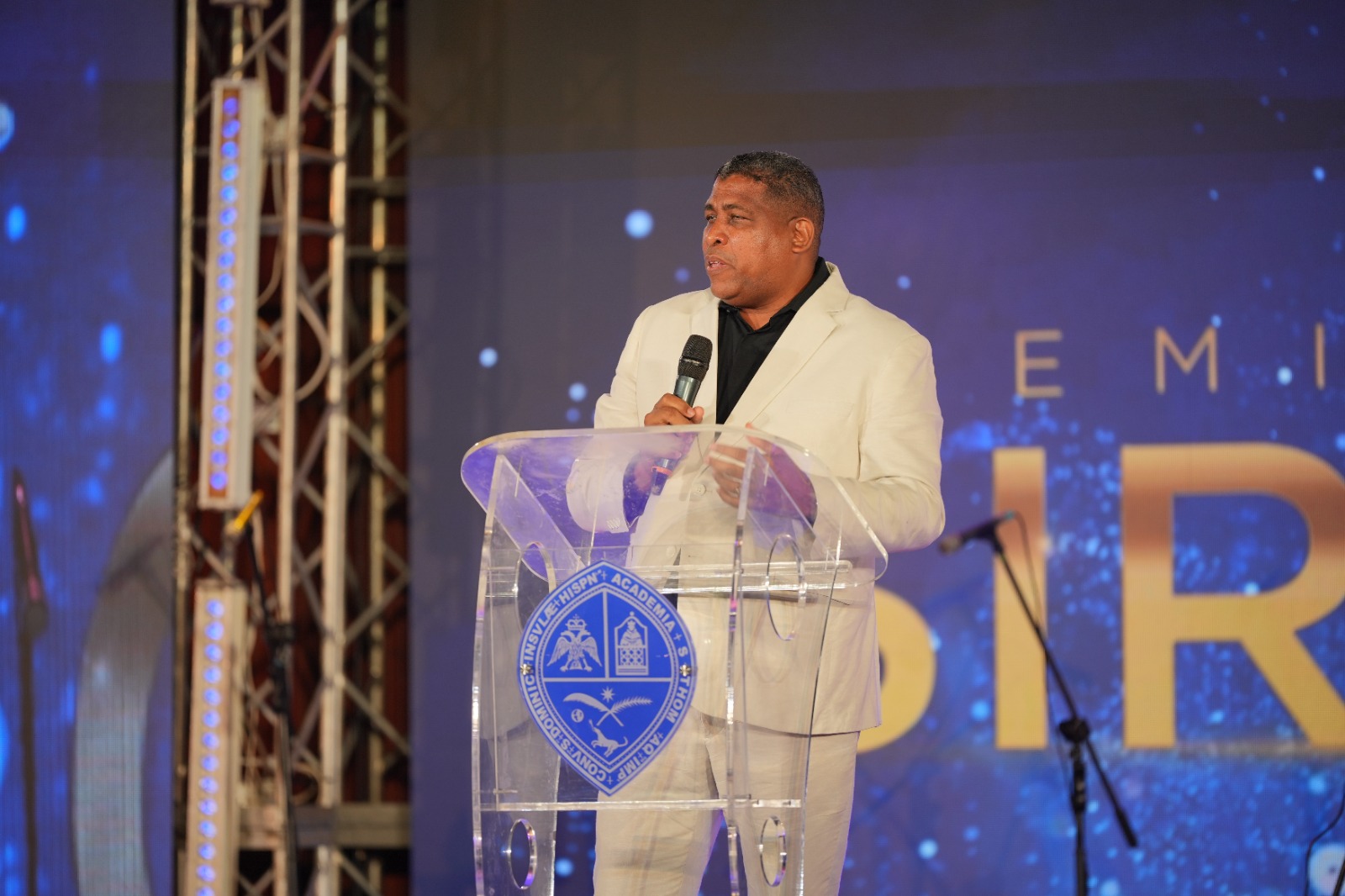
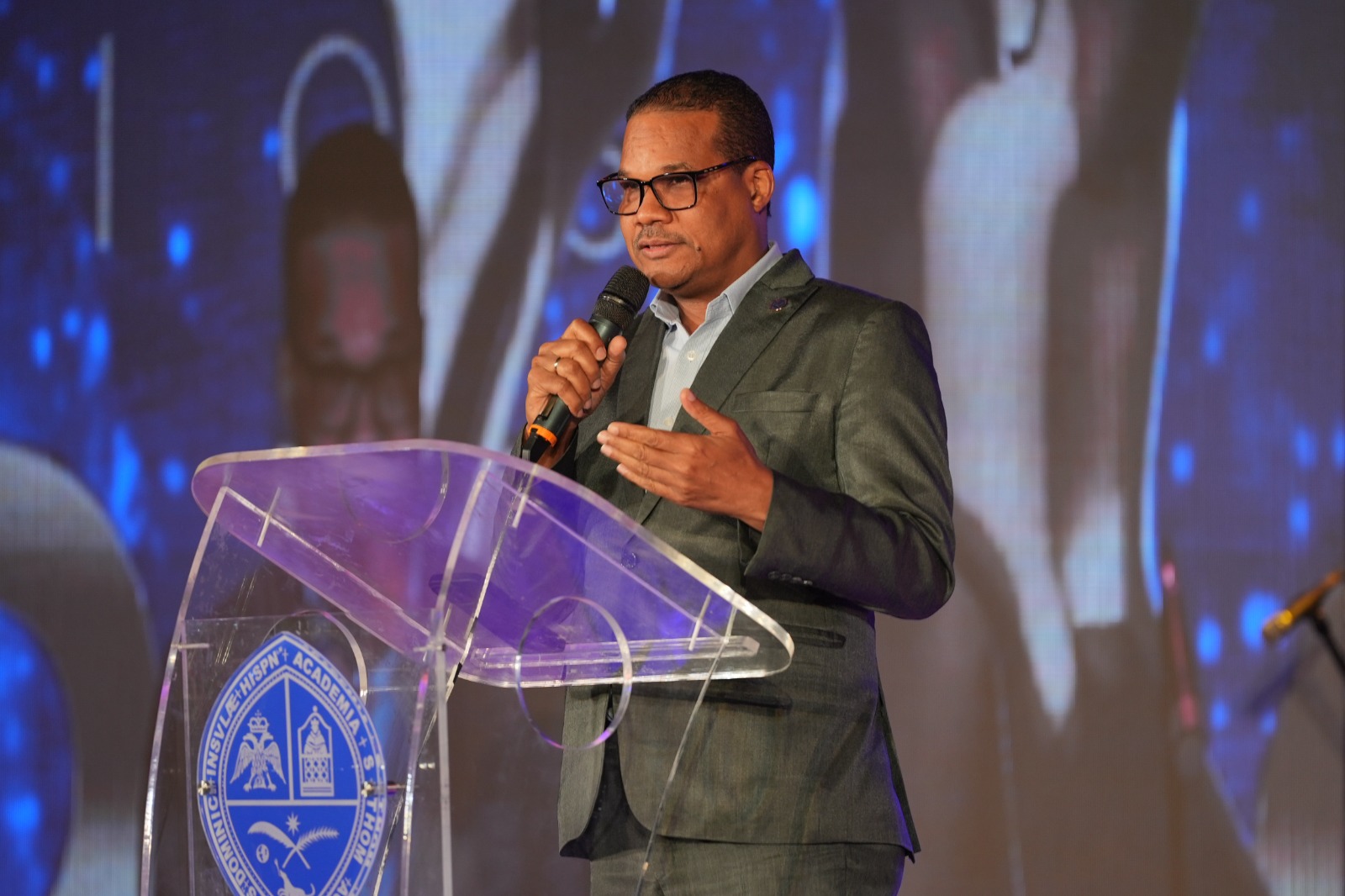
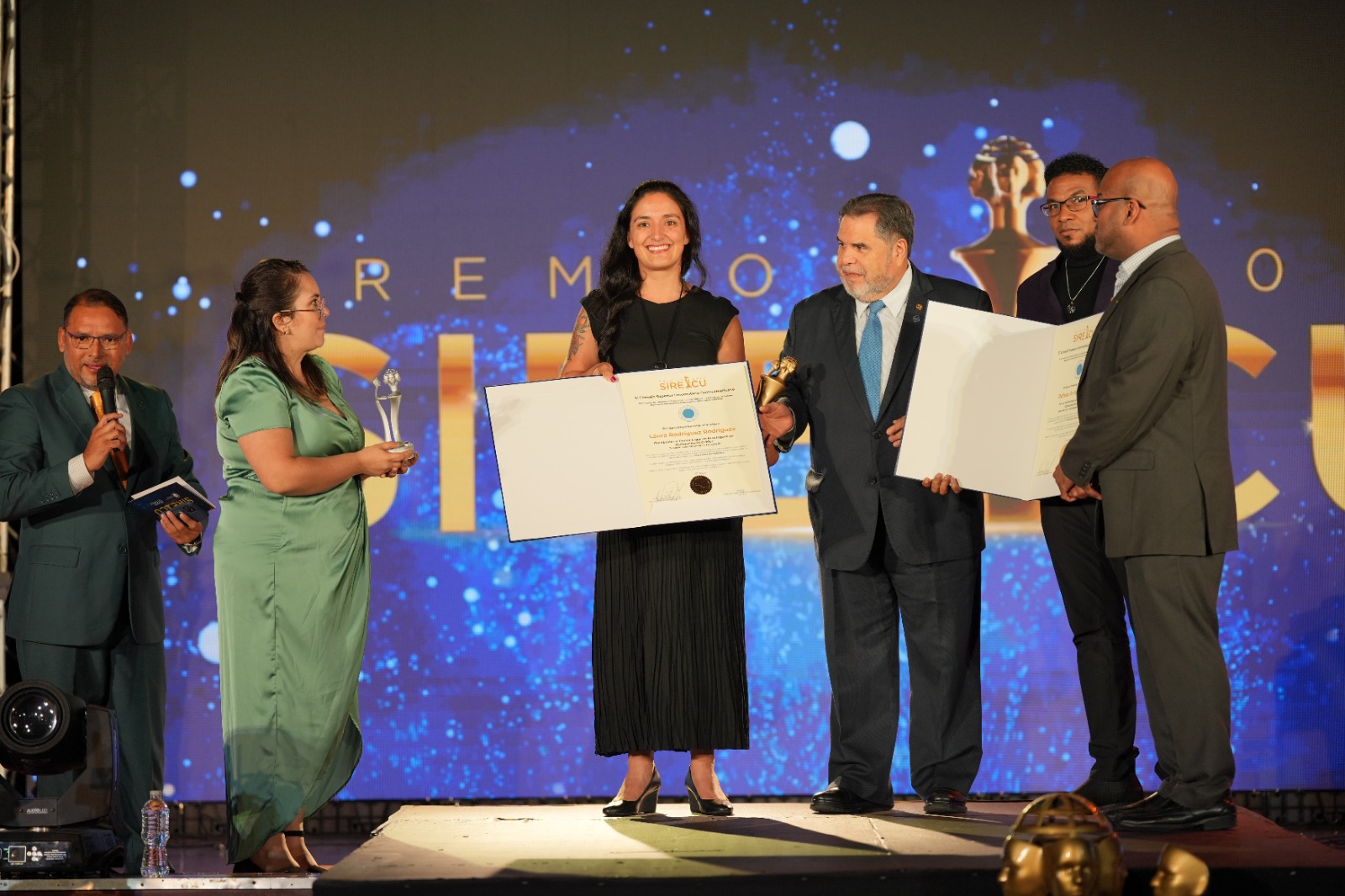
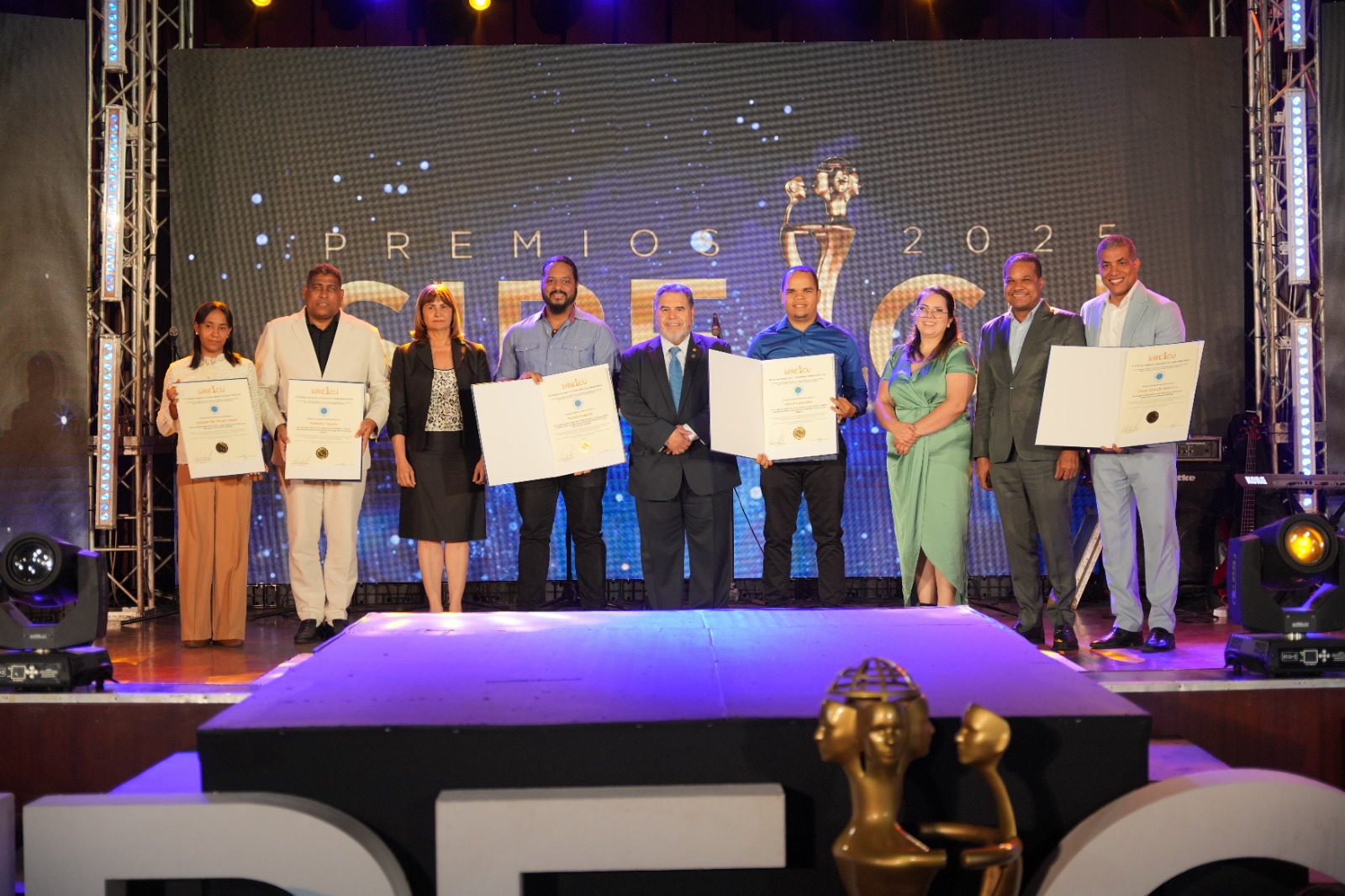
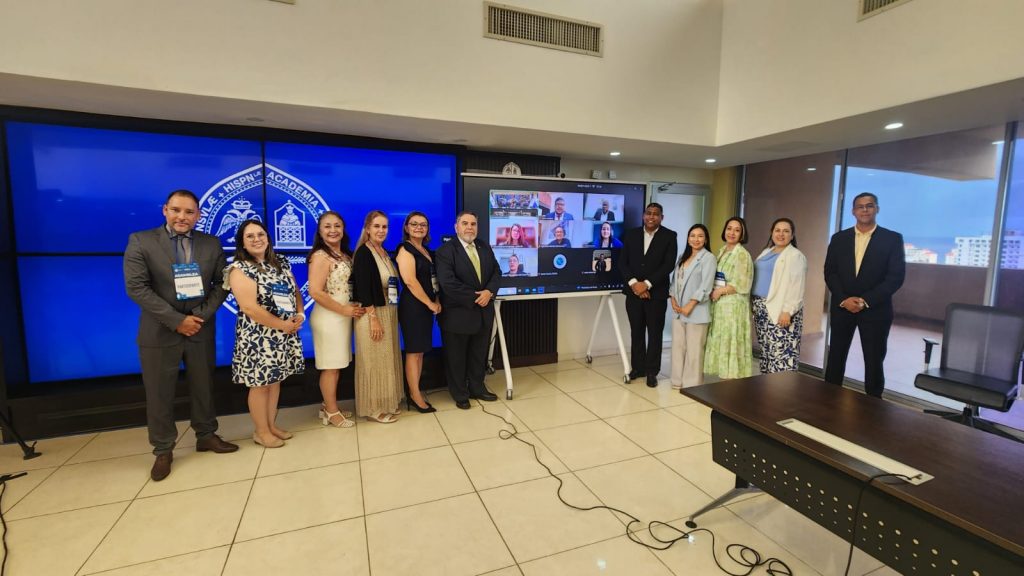
CSUCA's 77th anniversary

Guatemala City, September 20, 2025

The Central American University Confederation commemorates 77 years of integration and reaffirms its commitment to science, inclusion, and regional innovation.

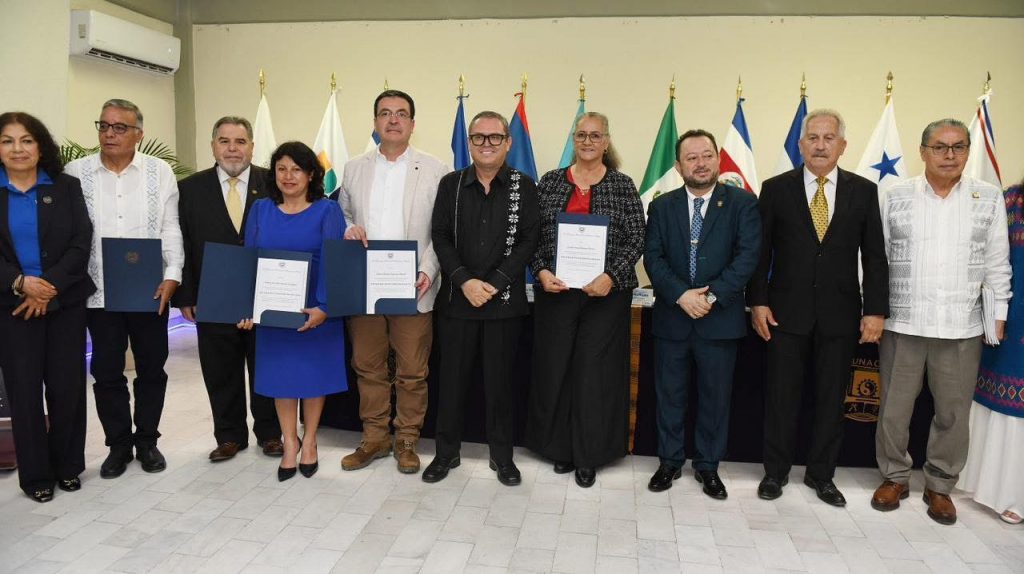
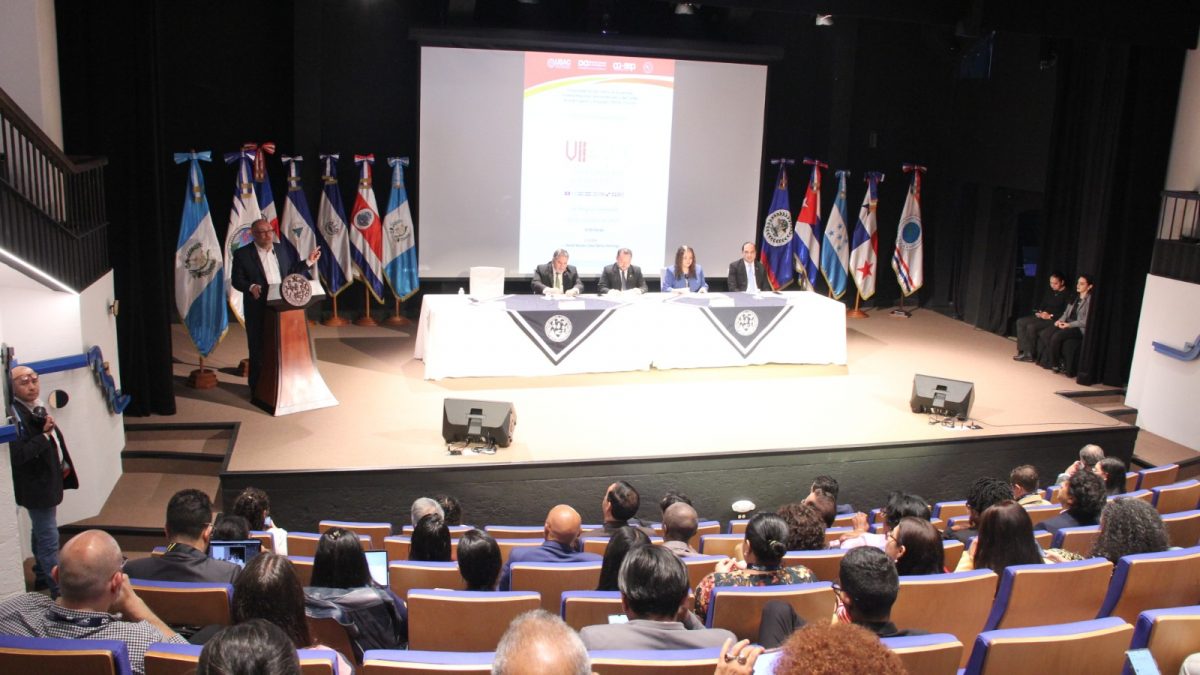
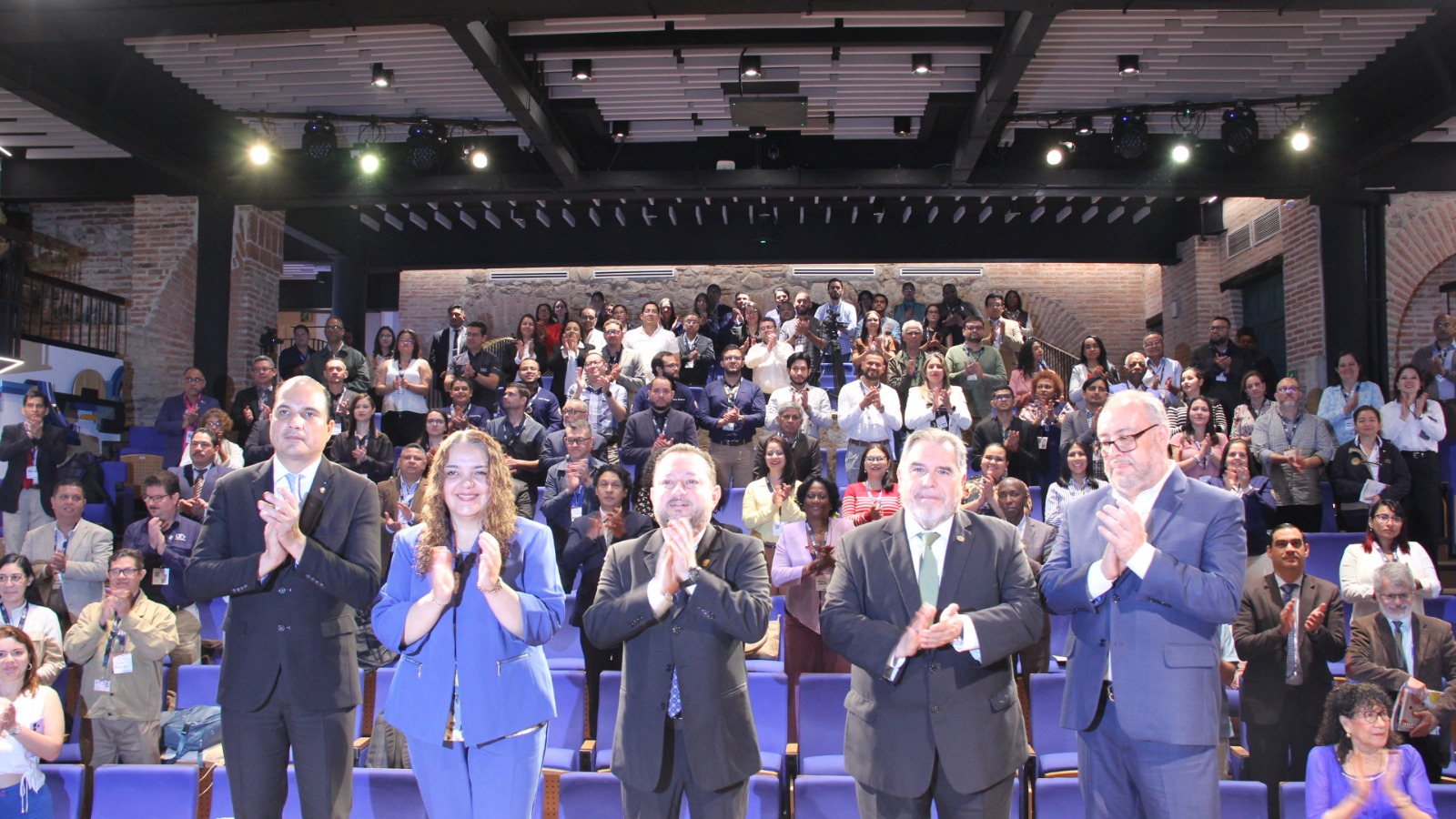
The Central American University Confederation and its highest governing body, the Central American University Superior Council (CSUCA), celebrate today 77 years of institutional life, reaffirming its historical role as the first university integration organization in Central America, the Dominican Republic and Cuba.

Since its creation in 1948, during the First Central American University Congress held in San Salvador, the CSUCA has been a pioneering space for academic, scientific, and cultural collaboration among the region's public universities. That first Declaration of Principles laid the foundation for understanding the university as an engine of social transformation, a defender of autonomy, and a promoter of Central American integration.

Trajectory and regional consolidation

In more than seven decades, the Confederation has overcome moments of great challenges, always managing to keep alive the vision of an integrated regional public higher education.

A key milestone has been the development of the Regional Integration Plans for Higher Education (PIRESC), which have guided university cooperation since the 1960s. The current PIRESC V, approved in 2021 following the IX Central American University Congress, serves as the roadmap guiding programs in management, research, educational quality, student life, internationalization, community engagement, inter-university cooperation, and communication.

The work of CSUCA is structured through eight regional university systems:

  • The Central American System for Evaluation and Harmonization of Higher Education (SICEVAES) is the system that promotes a culture of quality and accreditation;
  • Central American and Caribbean Regional System for Research and Postgraduate Studies (SIRCIP), a system that strengthens research and postgraduate studies;
  • The Regional Student Life System (SIREVE) is the one that promotes student life and inclusion;
  • The Central American Higher Education Internationalization System (SIESCA) is the driving force behind university internationalization;
  • The Central American System of University-Society Relations (SICAUS) is the one that articulates the university-society relationship, through the promotion of university extension and linkage;
  • Integrated Central American Documentary Information System (SIIDCA), which integrates library and documentary systems;
  • The Central American University Publishing System (SEDUCA) coordinates university publishing production;
  • and the Regional System of University Information and Communication (SIREICU) was recently created to strengthen regional university communication.

These systems are not isolated structures, but active networks that allow the CSUCA agreements to be put into practice and shape projects that directly impact students, teachers, researchers and communities.

Remarks by the Secretary-General

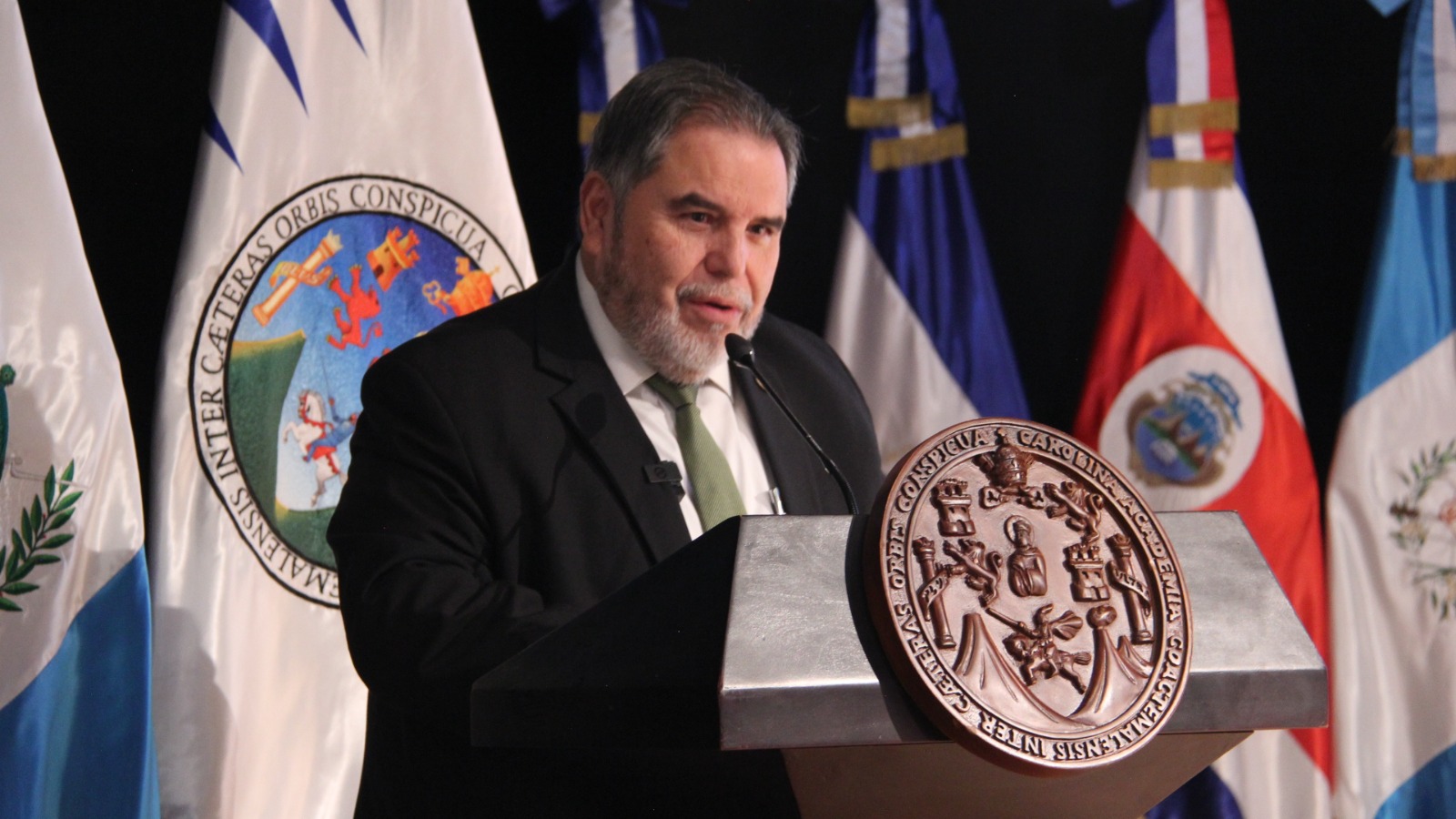
During the commemoration, the Secretary General of CSUCA, MSc. Carlos Guillermo Alvarado Cerezo, stated, “Seventy-seven years ago, the Rectors who presided over our public universities at that time decided to unite to build a shared future. Today, that spirit of unity remains more relevant than ever. University integration is a living project that strengthens education, science, and culture as public goods at the service of our people. In a time marked by social, environmental, and technological challenges, we reinforce our commitment to promoting inclusive, innovative, and transformative higher education, capable of responding to the needs of Central America, the Dominican Republic, and Cuba.”

Commitment to inclusive science

On this 77th anniversary, CSUCA highlights the work that, together with strategic allies, promotes the development and strengthening of higher education, through various collaborative research projects, highlighting at this time the Project “Strengthening inclusive science and innovation systems in Latin America through a collaborative research network”, funded by the International Development Research Centre of Canada (IDRC).

The project, implemented under the coordination of CSUCA and with the support of the General Secretariat of the Central American Integration System (SICA), the Commission for Scientific and Technological Development of Central America and Panama (CTCAP) and the national science and technology agencies of the countries of the region, seeks to articulate the research-innovation-inclusion nexus, generating knowledge and solutions that respond to the needs of historically excluded groups.

In recent years, it has fostered the development of 16 consortia, and currently includes 13 collaborative research networks, as well as studies on gender and science funding. These efforts are especially focused on rural communities, indigenous peoples, Afro-descendants, women, people with disabilities, and youth in Central America and the Dominican Republic, reaffirming CSUCA's commitment to transformative, equitable science that serves society.

A current mission

The mission of the Central American University Confederation is clear: to promote the development of public universities through cooperation and joint work with society and the State, acting under principles of commitment, solidarity, transparency, and equity. Its vision is to consolidate itself as a leading organization in regional university integration, promoting mobility, Central American cultural identity, and educational quality with social justice and sustainability.

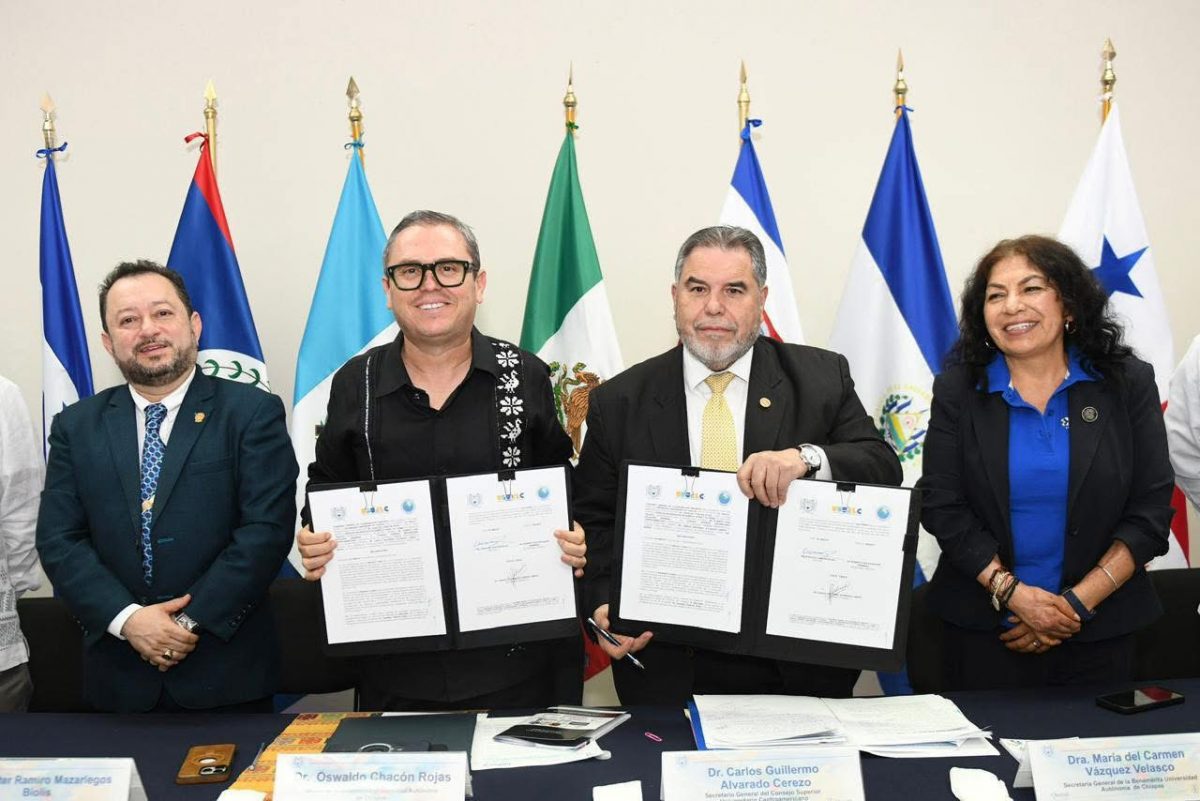
LXIV General Assembly of SIRCIP

Santo Domingo, Dominican Republic, September 17-19, 2025

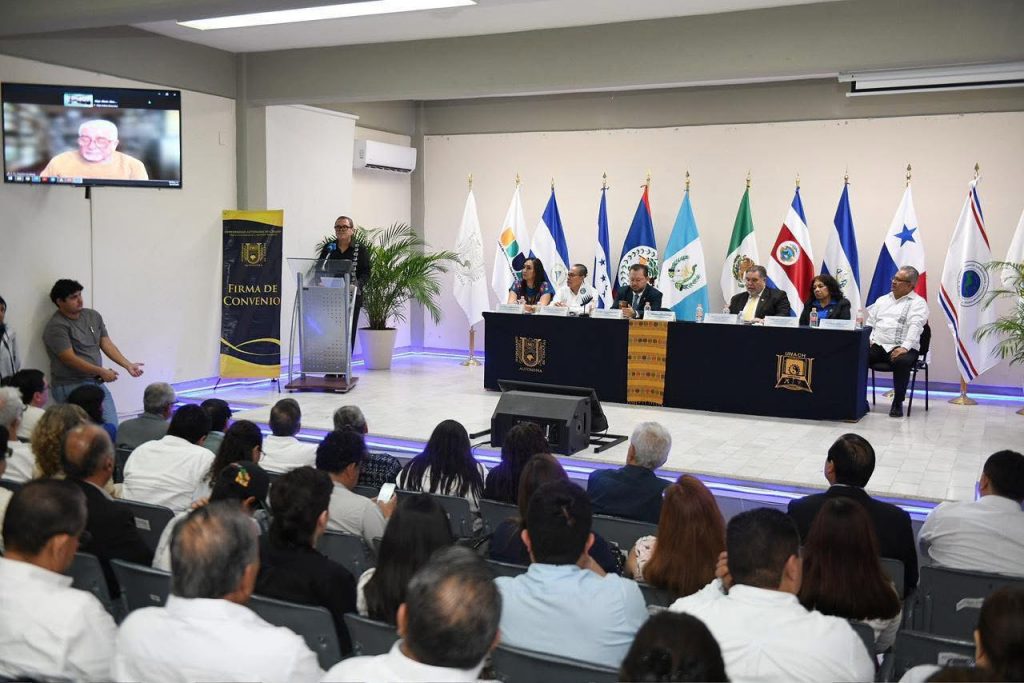
The Autonomous University of Santo Domingo (UASD) is hosting the Sixty-fourth General Assembly of the Central American and Caribbean Regional System of Research and Postgraduate Studies (SIRCIP), an organ of the Central American University Confederation (CSUCA) that strengthens, guides and coordinates research and postgraduate studies in the region, with an integrative vision and sustainable development.

SIRCIP's main objectives are to coordinate postgraduate studies and research in universities in the Central American and Caribbean region; promote academic integration through human talent management; foster quality and academic harmonization; and contribute to sustainable human development through professional training and research excellence.

Opening Ceremony

The assembly began with the opening ceremony in the Aula Magna of the UASD, with the participation of university and regional authorities.

In the words of MSc. Carlos Alvarado Cerezo, Secretary General of CSUCA, he highlighted the importance of this Assembly as a meeting of wills and commitments that give meaning to the regional mission: “Research and empowerment are engines of development, because they generate relevant knowledge to transform our environment and train researchers and professionals capable of leading innovation processes.”.

For his part, Magister Editrudis Beltrán Crisóstomo, Rector of the UASD, mentioned "May these events continue to be spaces to keep us united, updated and committed to the value of service to society that the knowledge emanating from our universities provides.".

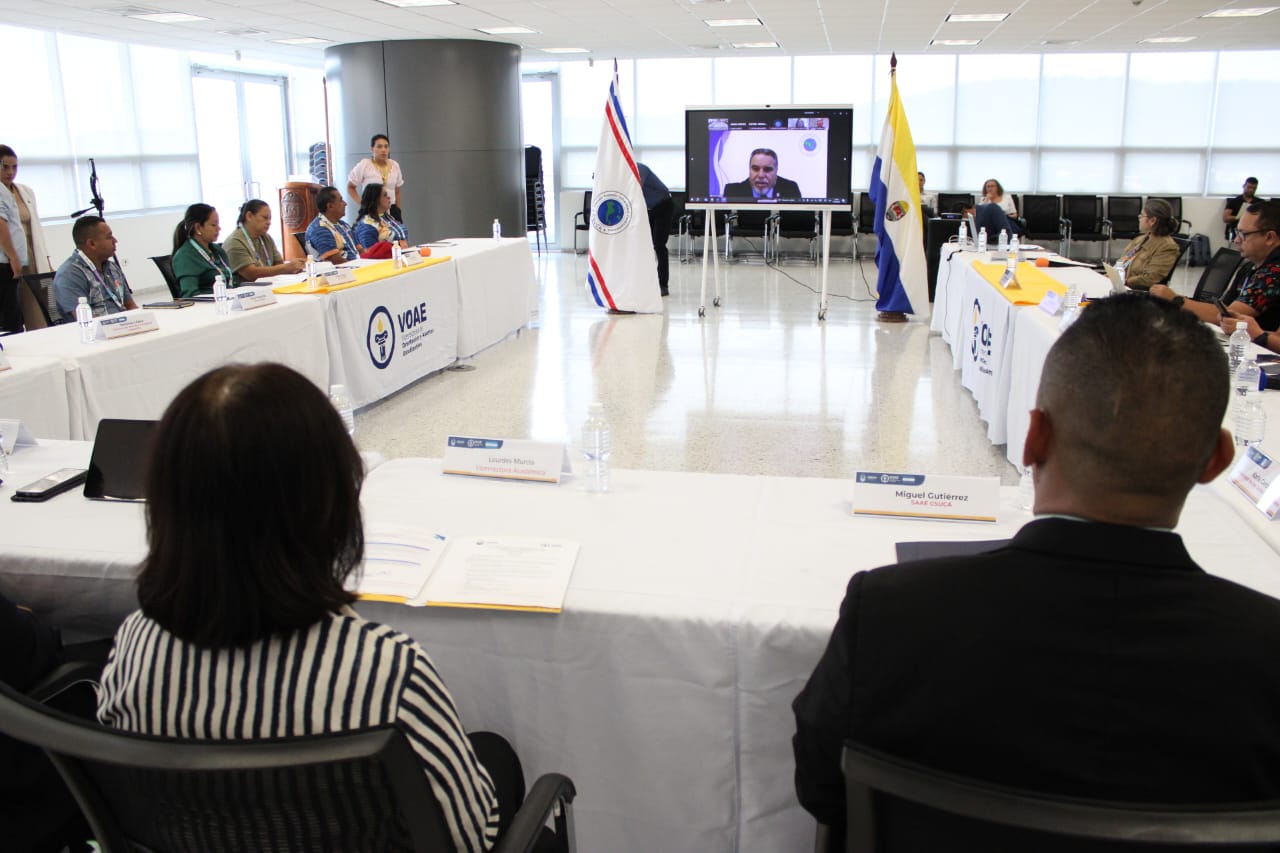
Meanwhile, Dr. Alice Burgos, President of SIRCIP, noted, “Being gathered here at this SIRCIP assembly, your presence from our nine sister nations, strengthens the certainty that our university integration is a living, dynamic project committed to the future of the region,” adding that on this occasion she was unable to participate in person, but she is following up on the planned actions virtually.

Master lectures

The day includes three high-level keynote lectures, namely:

“Towards an inclusive, innovative higher education linked to regional development”, by Dr. Franklin García Fermín, Minister of Higher Education, Science and Technology of the Dominican Republic.

“Ethical Use of Artificial Intelligence in Scientific Production: Management and Governance Framework for the Central American and Caribbean Region”, taught by MSc. Victoria Hernández, from the Development Observatory of the UCR.

“The CRIS system for managing information on research and postgraduate studies at the National University of Costa Rica: experience, usefulness, potential and challenges”, presented by MSc. Silvia Argüello, Vice-Rector of Research at UNA.

Reports and progress

During the sessions, reports are presented from the outgoing presidency of SIRCIP, the General Secretariat of CSUCA, and on the progress in organizing the VII Biennial Regional Meeting of Research and Postgraduate Studies, which will take place in 2025 at the University of San Carlos of Guatemala.

Also shared are the proposed regional research and postgraduate agenda, the reports of the permanent working committees, and the progress of strategic programs related to the research agenda, management capacities, innovation, internationalization, and open science.

COREP and CORI meetings

In the following days, the sessions of the Regional Postgraduate Council (COREP) and the Regional Research Council (CORI) take place, which work on strategic planning, the definition of regional postgraduate programs, micro-credentials, the regional research award and the articulation of scientific information systems.

The assembly will conclude with the presentation of joint reports from CORI and COREP, the appointment and renewal of members of the Technical Commission for Research and Postgraduate Studies (CTIP), and the validation of proposals regarding scientific publication policies and guidelines for the evaluation of regional programs.

With this Sixty-fourth Assembly, SIRCIP reaffirms its commitment to promoting academic excellence, strengthening inter-university cooperation and contributing to the sustainable human development of Central America and the Caribbean, through research and postgraduate training.

XXXVI SICAUS General Assembly

Guatemala City, September 11 and 12, 2025

The thirty-sixth Ordinary Regional Assembly of the Central American System of University-Society Relations (SICAUS) is being held at the facilities of the University of San Carlos of Guatemala.

The Regional University System of the Central American University Confederation (CSUCA), which, by its academic and technical nature, contributes to the processes of integration and regional development in a sustainable way through linkage activities that respond to the demands of society and the priorities of the member universities.

The session began with remarks from Dr. Lesbia Arrocha, President of SICAUS, who highlighted the importance of the work carried out by the system as part of university social service, its contribution to public policies and the 2030 Agenda. “SICAUS works through various committees to fulfill its stated aims and objectives. Furthermore, in a spirit of transparency and accountability, we have prepared a report reflecting the progress achieved.”, points out.

The opening ceremony featured the participation of Dr. Carmen Molina, Vice Minister of Extension at the Ministry of Higher Education, Science and Technology of the Dominican Republic, who cordially invited SICAUS members to participate in an upcoming event on best practices in extension being organized by her ministry. She also emphasized the importance of these types of forums for strengthening higher education in the region.

For his part, MSc. Carlos Alvarado Cerezo, Secretary General of CSUCA, called for strengthening collaborative work within SICAUS:“This is an opportune moment to reflect on the progress and challenges of the system, because while we have made significant strides in integrating our core functions, there is still a long way to go. This should be a space for reflection, where we continue working towards a high-quality, integrated, equitable, and inclusive public higher education system.”.

Likewise, Ms. Wendy López, Director of Extension at USAC, emphasized the university's social commitment: “We have a university social responsibility through sustained processes of social training, rooted in the realities of our communities. The university cannot simply act as a bearer of knowledge; citizen science challenges us to learn alongside communities and recognize their capacity to generate knowledge.”.

During the Assembly, the reports of the different commissions appointed in the previous session were presented, as well as the offer of free virtual courses: “Central America learns with public universities”, by Dr. Nery Caballero (UTP); “Teacher Update”, by Mtra. Inés Esquivel (UNACHI) and “Spaces for Dialogue and Exchange”, presented by Mtro. Marcelino Espinal (UNAG).

The proposal for the implementation of the Regional University Extension Award will also be addressed, which will be presented by Dr. Javier Ureña Picado (UNED), and the presentation of the SICAUS logo and institutional image, designed by Aracely Moreira (University of San Carlos of Guatemala), will be made official.

Among the topics under development are the election of the Board of Directors, the presentation of the Supervised Professional Practice Program by Ms. Flor de Abril Estrada (USAC), the proposal and analysis of reform to the SICAUS Regulations by Ms. Astrid Montero, and the analysis of the current situation of the universities of the Confederation, by Ms. Inés Esquivel (UNACHI).

The work agenda also includes a prospective analysis of the progress and setbacks of SICAUS in complying with PIRESC V and the declaration of the XXXVI Ordinary Assembly, with the aim of strengthening the commitment of Central American public universities to building higher education with social impact.

The XXXVI SICAUS Assembly reaffirms its commitment to promoting academic and scientific dialogue, strengthening the transfer of knowledge and university services, and consolidating inter-institutional cooperation for the benefit of the sustainable development of Central America and the Caribbean.

XXV General Assembly of SIESCA

Guatemala City, September 4, 2025

The Twenty-Fifth General Assembly of the Central American Higher Education Internationalization System (SIESCA) was held at the facilities of the University of San Carlos of Guatemala (USAC).

SIESCA, as an organ of the Central American University Confederation (CSUCA), promotes the institutionalization of internationalization as a strategic instrument to promote quality in member universities.

The session began with welcoming remarks from MSc. Olga María Moscoso, President of SIESCA, who expressed “Together, our universities can overcome challenges and transform our environment. I invite my colleagues to actively participate in this event, to share their valuable perspectives, and to forge connections that will allow us to consolidate a stronger, more inclusive university system, better prepared for the challenges of the future.”.

Subsequently, MSc. Carlos Alvarado Cerezo, Secretary General of CSUCA, highlighted “The nature of universities is to engage in dialogue, to open paths and to build bridges. Cooperation is the way for our institutions to become a beacon of hope for the region.”.

For his part, MA Walter Mazariegos, Rector of the University of San Carlos of Guatemala and President of CSUCA, emphasized “Internationalization is an essential component to strengthen academic activity, equity and relevance of our universities.”.

A space for training and reflection

The 25th SIESCA Assembly was a forum for training and reflection that provided an opportunity to learn about various strategies for the internationalization of higher education. Among the presentations, the following stood out:

  • Luisa Fernanda Villamizar Rodríguez, from the Colombian Association of Universities (ASCUN), who shared Colombia's experience in this area.
  • Ángel Fernández, from the University of Veracruz, presented the progress of said institution in internationalization processes and later addressed the topic "Empowerment of curriculum strategies and COIL: an opportunity for internationalization.".
  • Oruam Marichal Guevara, from the University of Ciego de Ávila “Máximo Gómez Báez”, with the conference “Internationalization to transform: strategic quality indicators in the public university”.
  • Francisco Alarcón, Academic Secretary of CSUCA, who reflected on “University research in Central America and the challenges of open science”.
  • Laura Saborío Oviedo, from the State Distance University (UNED), who presented the report of the CSUCA-OBREAL COIL training course for teachers in the region.

Balance and projection

During the assembly, the progress of the SIESCA 2025 Work Plan was also reviewed, and the actions for the 2026 Work Plan were formulated and validated. An important part of the analysis was reflecting on the progress, challenges, and obstacles that SIESCA currently faces, emphasizing actions to be taken.

With these actions, SIESCA reaffirms its commitment to contributing to the development of international skills in graduates, promoting the participation of researchers in the international scientific community, and strengthening the visibility and recognition of CSUCA member universities at the national, regional, and global levels, through various forms of international university cooperation.

Strengthening regional work through the appointment of a presidency in three CSUCA systems

Central America and the Caribbean, August 11 and 12, 2025

In accordance with the operating rules of the Central American University Confederation (CSUCA), where the CSUCA Presidency rotates annually among the full member countries, the University of San Carlos of Guatemala, through its Rector, Walter Mazariegos, is currently coordinating the Presidency's functions. On August 11 and 12, several virtual meetings were held to appoint the presidencies of the three major systems that comprise the Central American University Council.

They are the Central American Higher Education Internationalization System (SIESCA), the Central American System for Evaluation and Harmonization of Higher Education (SICEVAES), and the Central American and Caribbean Regional System for Research and Postgraduate Studies (SIRCIP), led by MSc. Olga María Moscoso, Dr. Brenda Marroquín, and Dr. Alice Burgos, respectively.

MSc. Carlos Alvarado, Secretary General of CSUCA, highlighted the importance of the work carried out by each of the systems: “The development of collaborative work is important for the regional benefit of higher education, taking into account that SIESCA promotes the institutionalization of internationalization by promoting the quality of the CSUCA member universities, SICEVAES is the system that promotes the culture of quality and evaluation, and SIRCIP strengthens, guides, supports, coordinates, harmonizes, and integrates research and postgraduate studies, with a regional focus; each of the systems presents great challenges, which must be addressed by each of the systems.”.

For his part, MA Walter Mazariegos, rector of USAC and president of CSUCA, mentioned the commitment from the university: “From the University of San Carlos of Guatemala, we offer our commitment and support to the development of the work proposed by the systems, through the leadership of the professionals who assume the presidency of them. We know their work, we know their trajectory, and we know the vocation with which they assume this responsibility.”.

Meanwhile, MA Antonio Medina, Dr. Wilson Mejía, and Mtro. Radhamés Silverio mentioned the importance for them of being able to lead each of the systems, since it is essential to be involved in regional work from each sector in academia.

And MSc. Olga María Moscoso, Dr. Brenda Marroquín and Dr. Alice Burgos, pledged to assume their presidencies with commitment, responsibility and taking on the coordination of a dynamic and collaborative work for the good functioning for the benefit of public higher education in the region.

It is worth noting that four systems, according to their regulations, stipulate that the presidency of the system should be exercised by the country assuming the presidency of the CSUCA. The transfer of the Regional University Information and Communication System (SIREICU) remains pending and will be formalized during the X SIREICU General Assembly, to be held soon at the Autonomous University of Santo Domingo, Dominican Republic.

These changes strengthen regional university integration, ensuring the continuity of internationalization, evaluation, research and communication processes that promote the quality, relevance and solidarity cooperation of higher education in Central America and the Caribbean.

With a spirit of integration and commitment to student life, the IX Central American University Sports Games are being held at UNAH

Tegucigalpa, July 28 to August 1, 2025

The National Autonomous University of Honduras (UNAH) is hosting the IX Central American University Games (JUDUCA 2025), a celebration that brings together more than 1,700 athletes from 27 universities across the region, including, for the first time, the participation of three institutions from Cuba. The opening ceremony was marked by a moving artistic performance and the presence of university authorities, who reaffirmed their commitment to Central American integration through sport.

During his remarks at the opening ceremony, Carlos Alvarado Cerezo, Secretary General of the Central American Higher University Council (CSUCA), emphasized the importance of these games as a key expression of regional student life. “I am convinced that university sports are a vital social force for the development of our students and should be valued for their importance in their education. Today we celebrate the participation of 27 universities, including three new ones from Cuba, which are joining this competition for the first time, a competition that unites us as a region.”

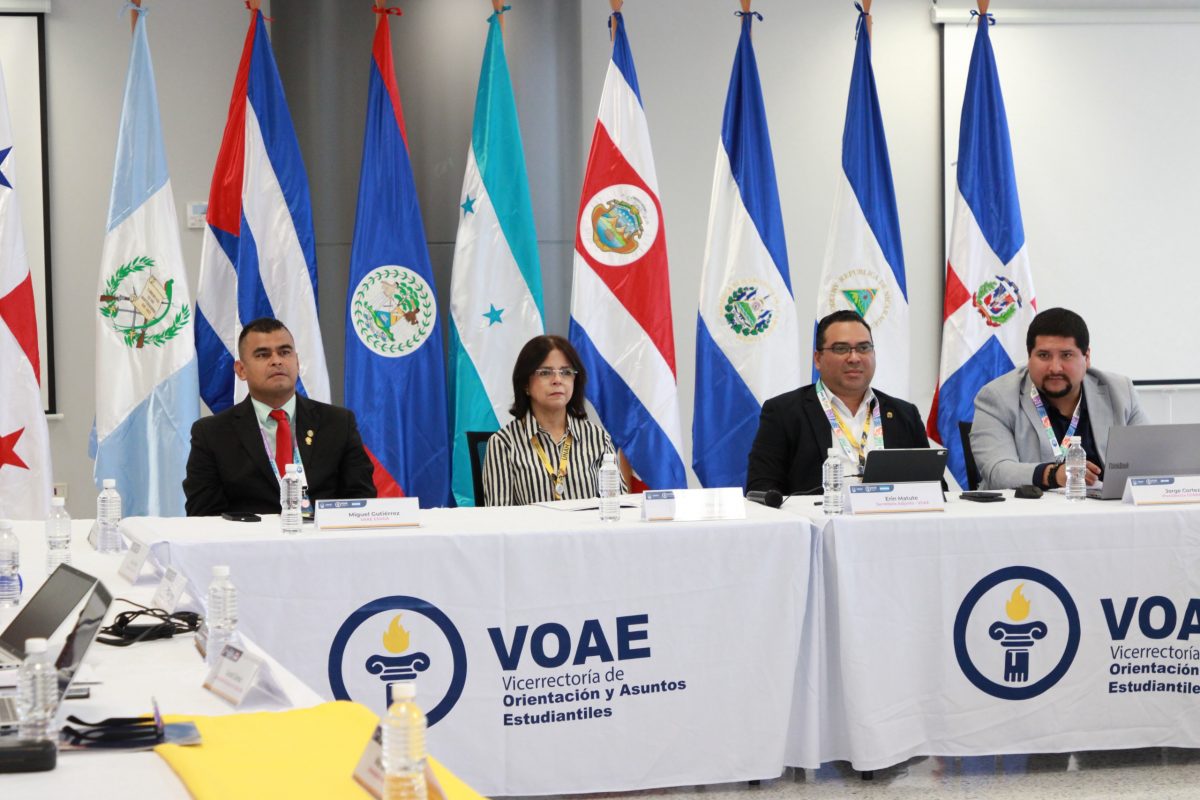
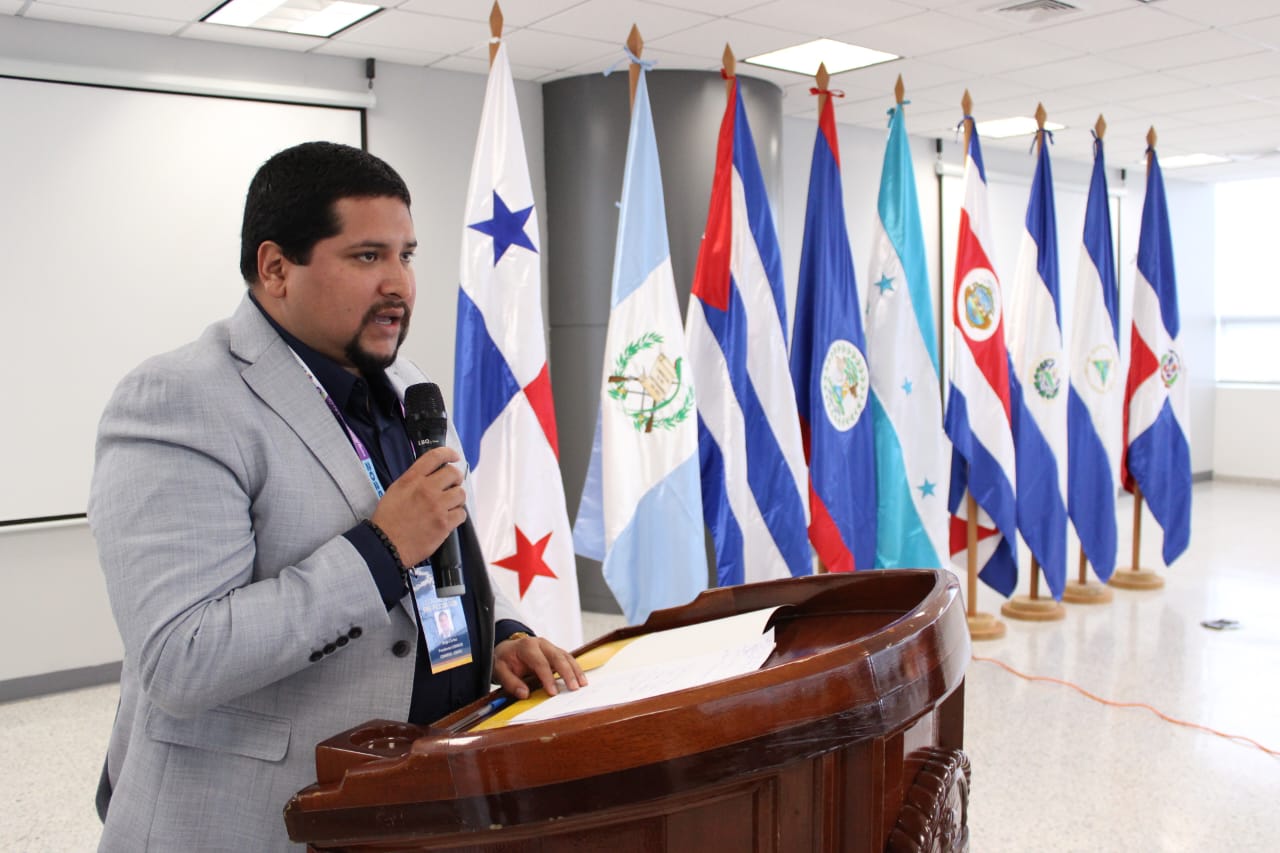
For his part, Jorge Cortez, president of the Regional Council for Student Life (CONREVE), expressed his enthusiasm for this edition of the JUDUCA games, highlighting the collaborative work carried out at the regional level. “We are here to review the technical, logistical, and regulatory aspects that will allow these games to be a success. It is an opportunity to continue strengthening the bond between our universities through sports.”

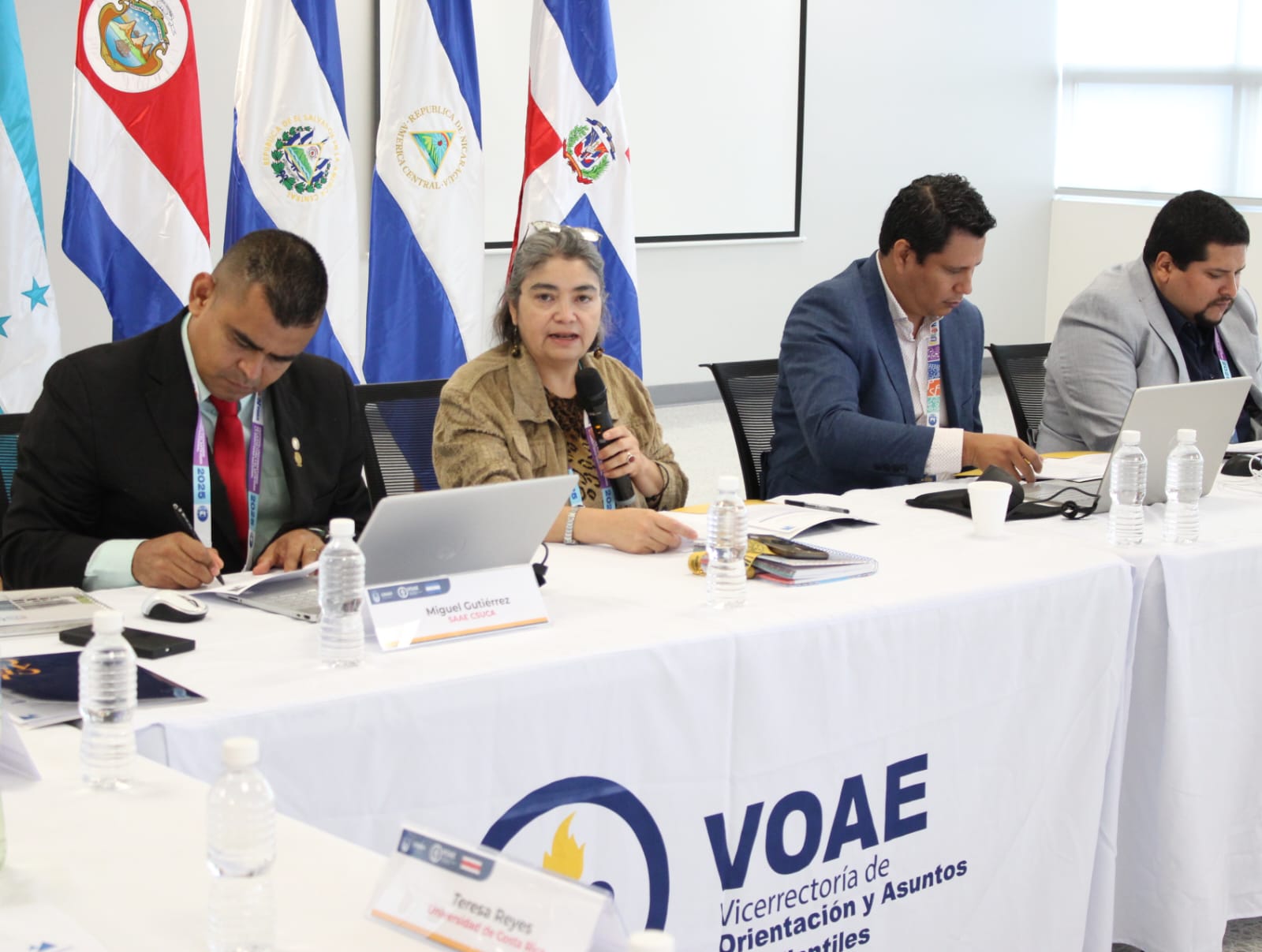
From the host university, Mario Arístides Contreras, head of the Vice-Rectorate for Student Affairs (VOAE) at UNAH, highlighted the logistical effort deployed to receive the delegations. “We have worked intensively to guarantee adequate facilities, as well as optimal food and transportation conditions. Our purpose is to promote sports as part of the students' comprehensive education and offer an enriching university experience.”

Finally, the rector of UNAH, Odir Fernández, emphasized the honor it represents for the university to host this regional event. “UNAH is filled with pride to welcome Central American university students. These games are a symbol of unity, effort, and self-improvement—values we share as an academic community.”

With the opening ceremony, which included an artistic performance entitled Xib' Sak Yáax Kínn —’Clear youth full of light“—, a week of competitions began in multiple disciplines such as soccer, basketball, volleyball, swimming, athletics and more, consolidating the JUDUCA as one of the most important initiatives in the university student sphere in Central America.

To follow the JUDUCA, we invite you to follow the following accounts on the Facebook platform: /unahoficial, /juduca2025 and /CSUCA.

JUDUCA 2025, the Central American and Caribbean university sports festival!