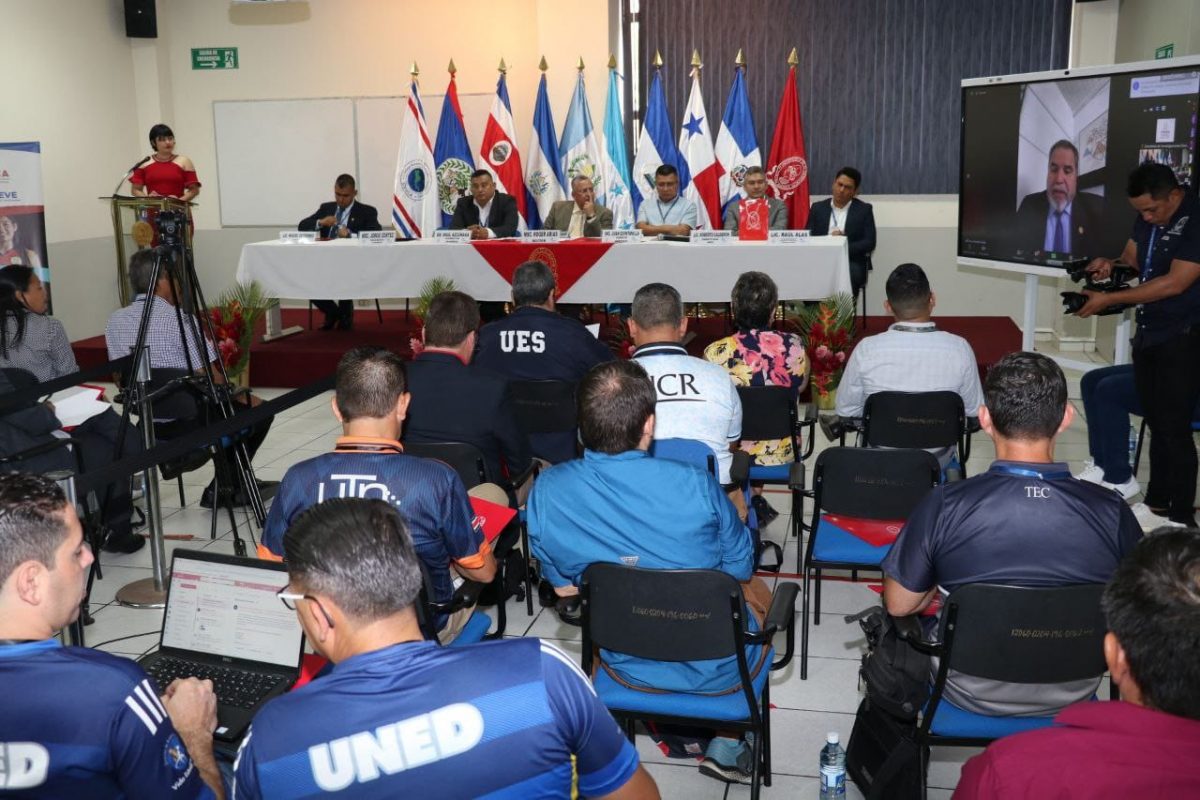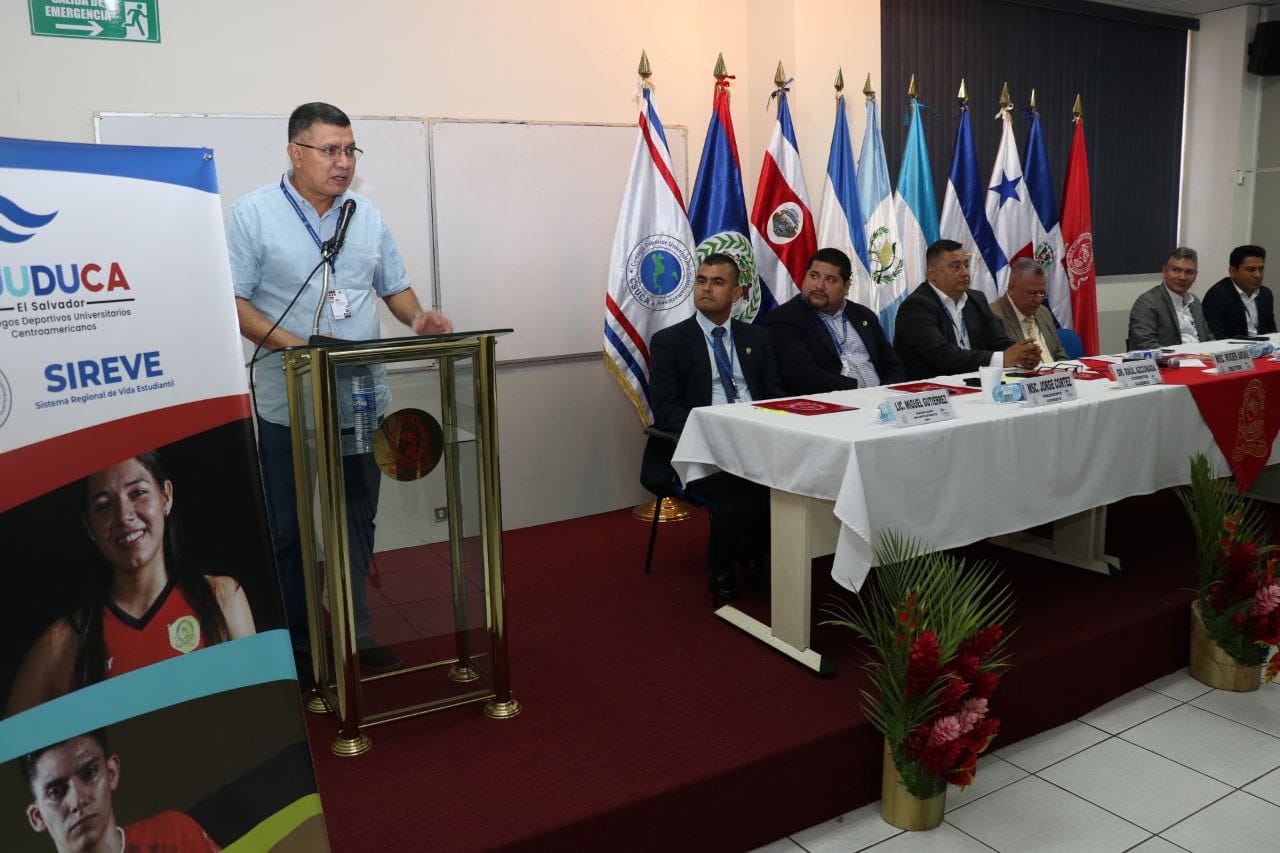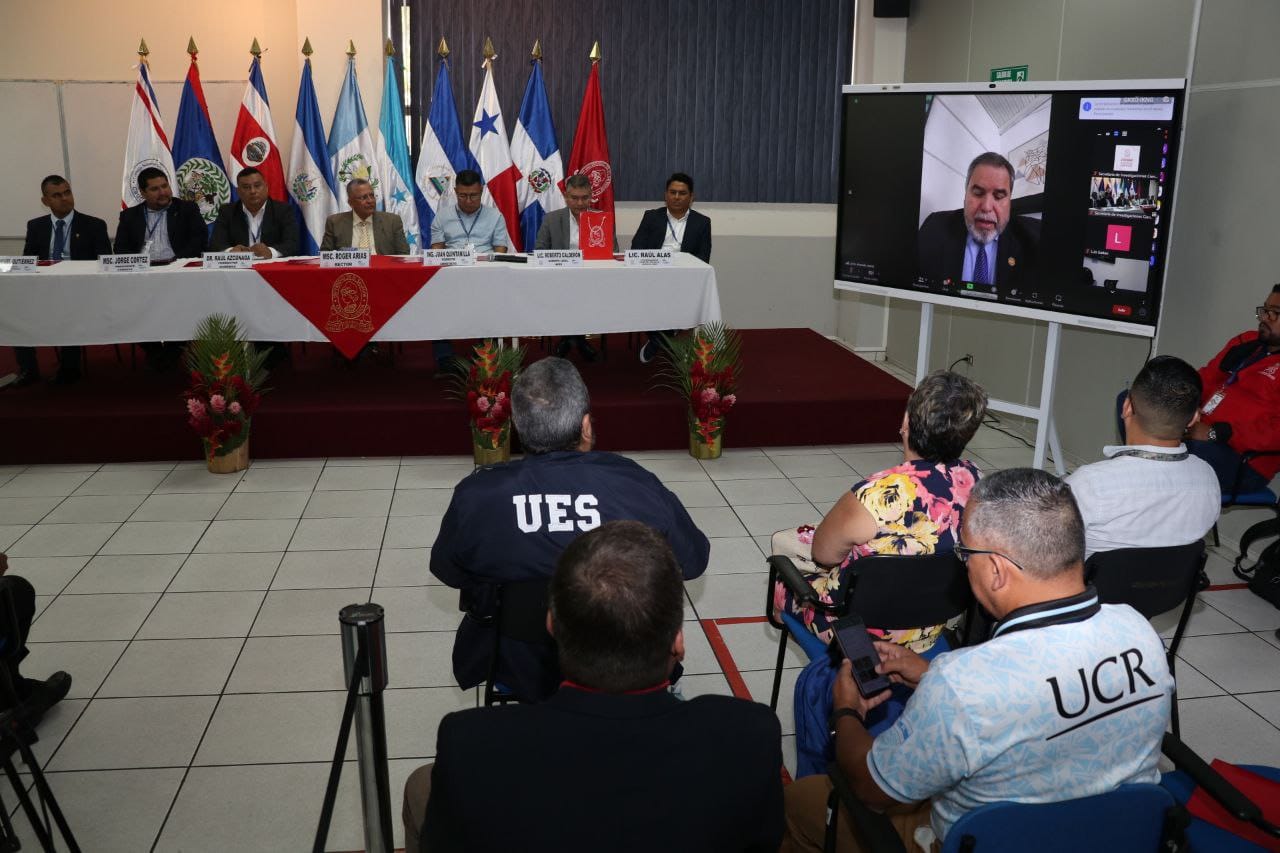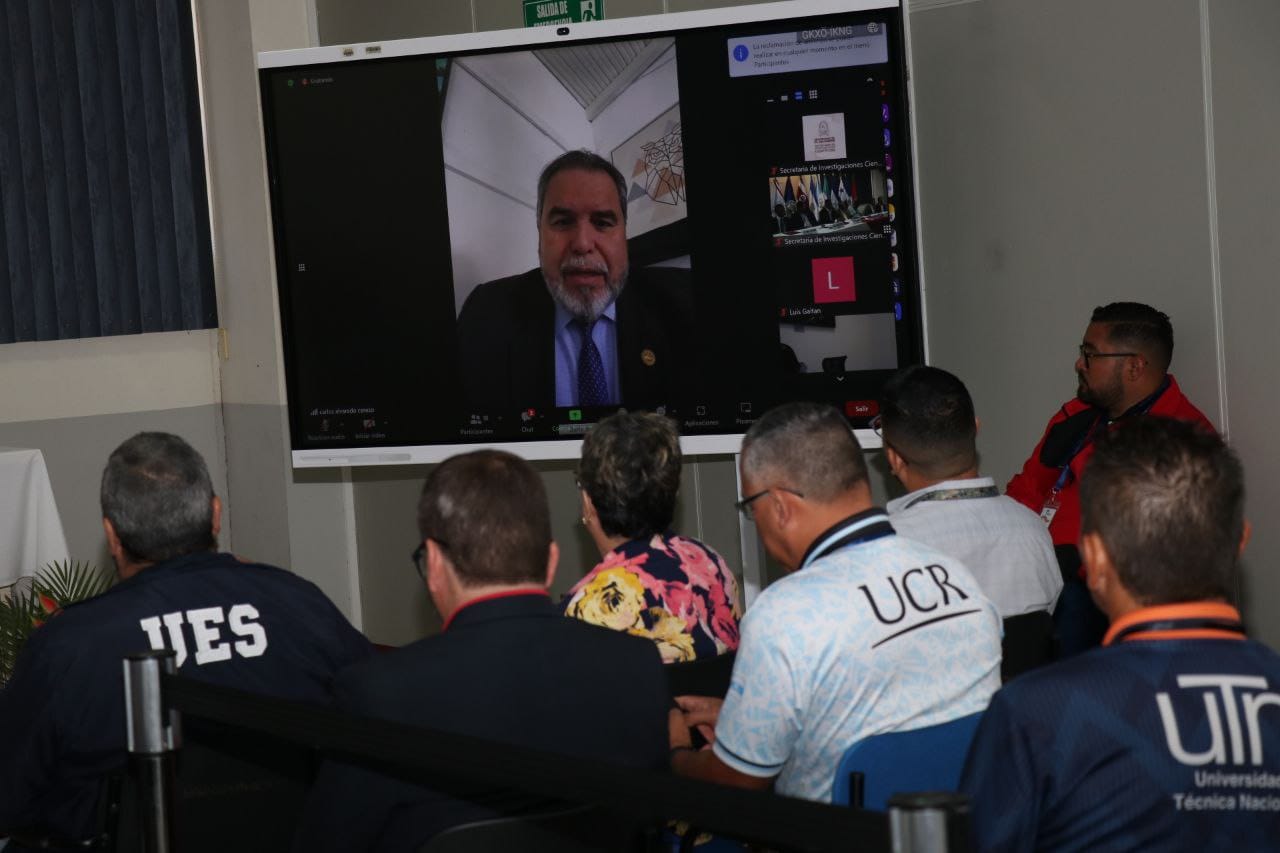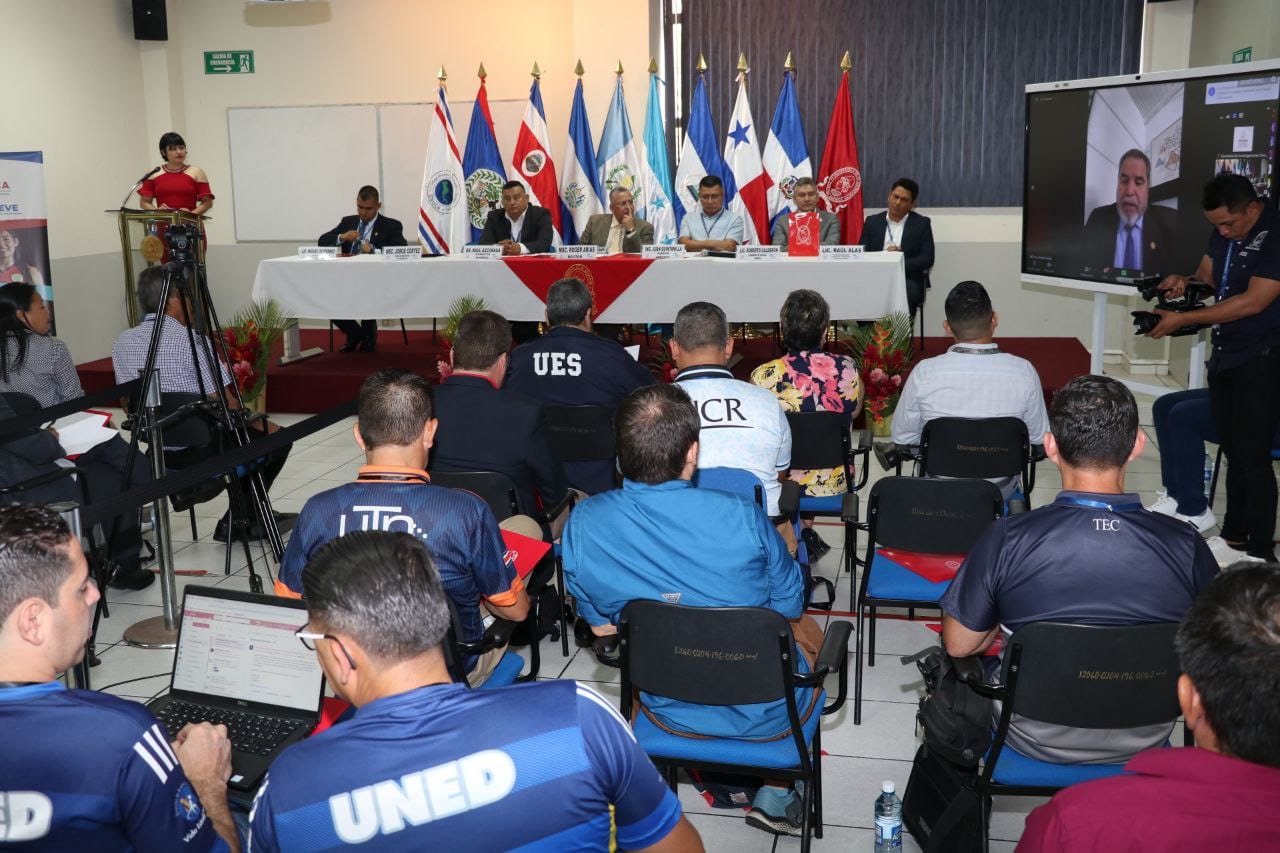
Closing Ceremony of the Diploma in Economic Integration

Central America, November 18, 2022

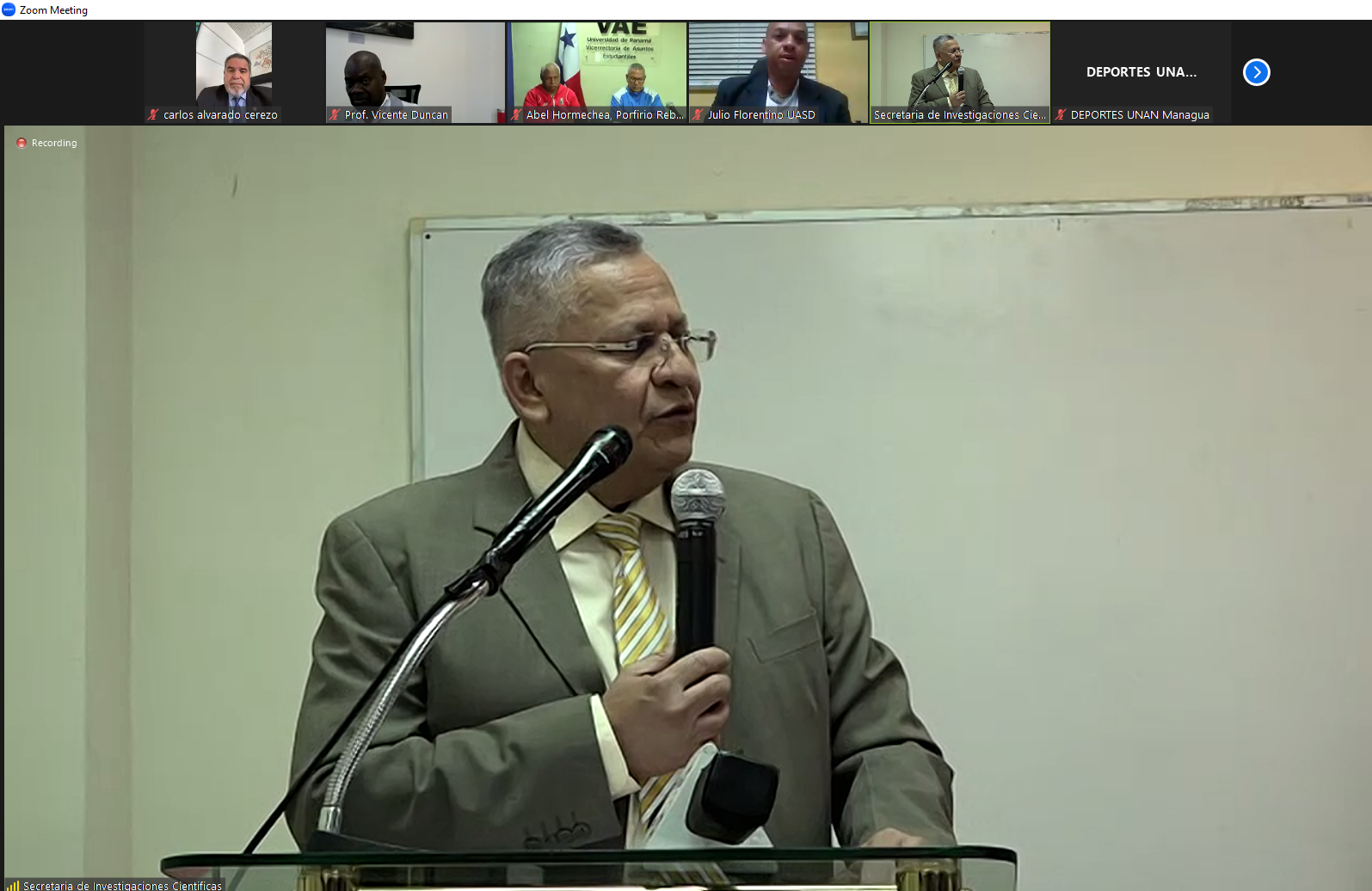
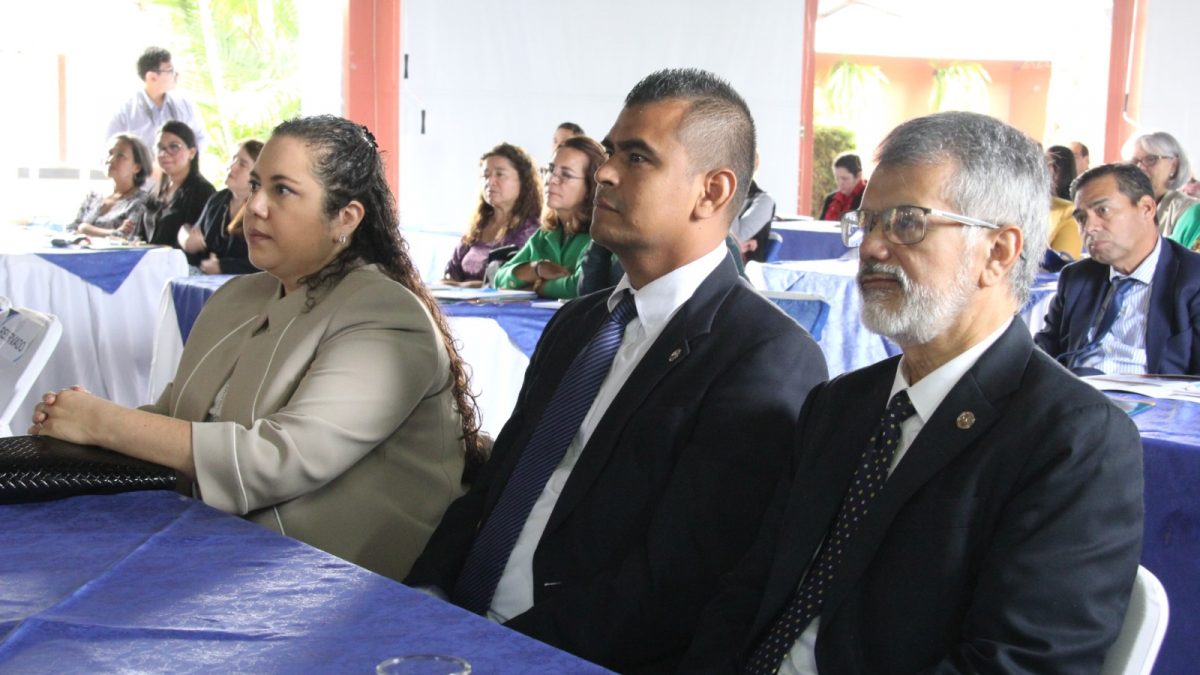
Today marked the end of the Diploma in Economic Integration, which aimed to train more than 160 teachers from the universities that make up the Central American University Confederation, with the purpose of integrating university teachers into the subject in order to be able to replicate the importance of integration in the students of the public universities of the SICA region.  This initiative being one of the actions to be carried out collaboratively between SIECA and CSUCA.

In her closing remarks, Edith Flores, Director of the SIECA Center for Knowledge Generation Studies, expressed the importance of the diploma program in economic integration, noting that it is now a valuable tool for a significant group of teachers. She stated, “The goal was to promote economic integration among the faculty of the universities that make up CSUCA. This training activity involved 181 teachers, with the aim of making economic integration available as an input for the new generation of experts who will lead the states of the region.”.

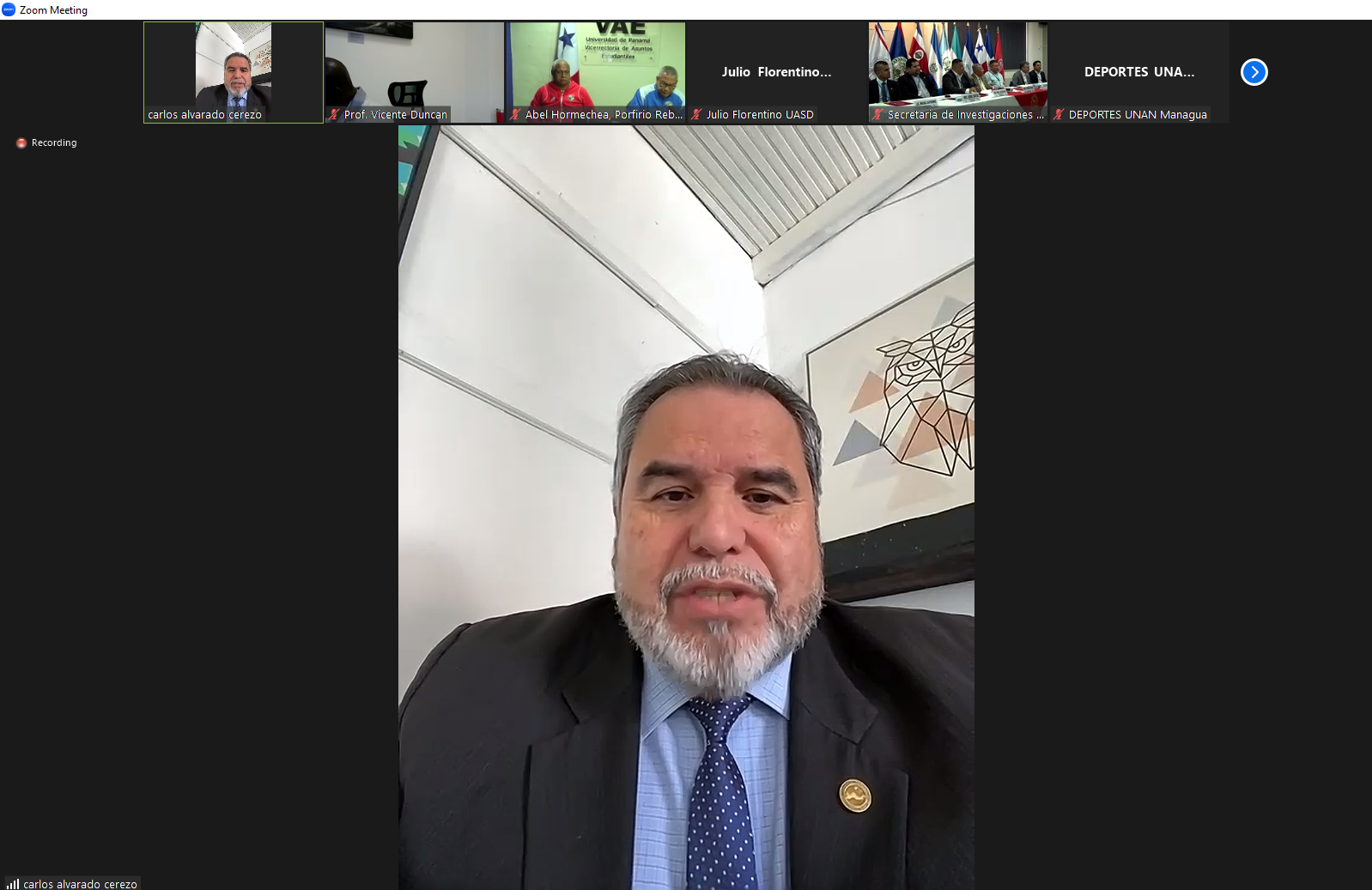
For his part, Carlos Alvarado, Secretary General of CSUCA, called on the participants to share their impressions of the diploma course, taking into account that this is only the first step in a collaborative effort with SIECA.,  “The opportunity was seen to exchange efforts through this training exchange, allowing the necessary changes for the Central American region, building a representative space of substantive aspects, where we have a meeting point between peace and justice in our societies,” mentioning that this exchange generates greater articulation that promotes its own discourse of integration, being a true development in the face of joint collaboration scenarios.

The closing ceremony culminated with two conferences, the first being “State of the Central American Economic Integration Process, Perspectives” by Edith Flores, Director of the Center for Knowledge Generation Studies of SIECA, and the second “Initiatives and Importance of Central American Integration in Higher Education” by Francisco Alarcón, Deputy Secretary General and Academic Director of CSUCA.

XXVI Meeting of SIIDCA

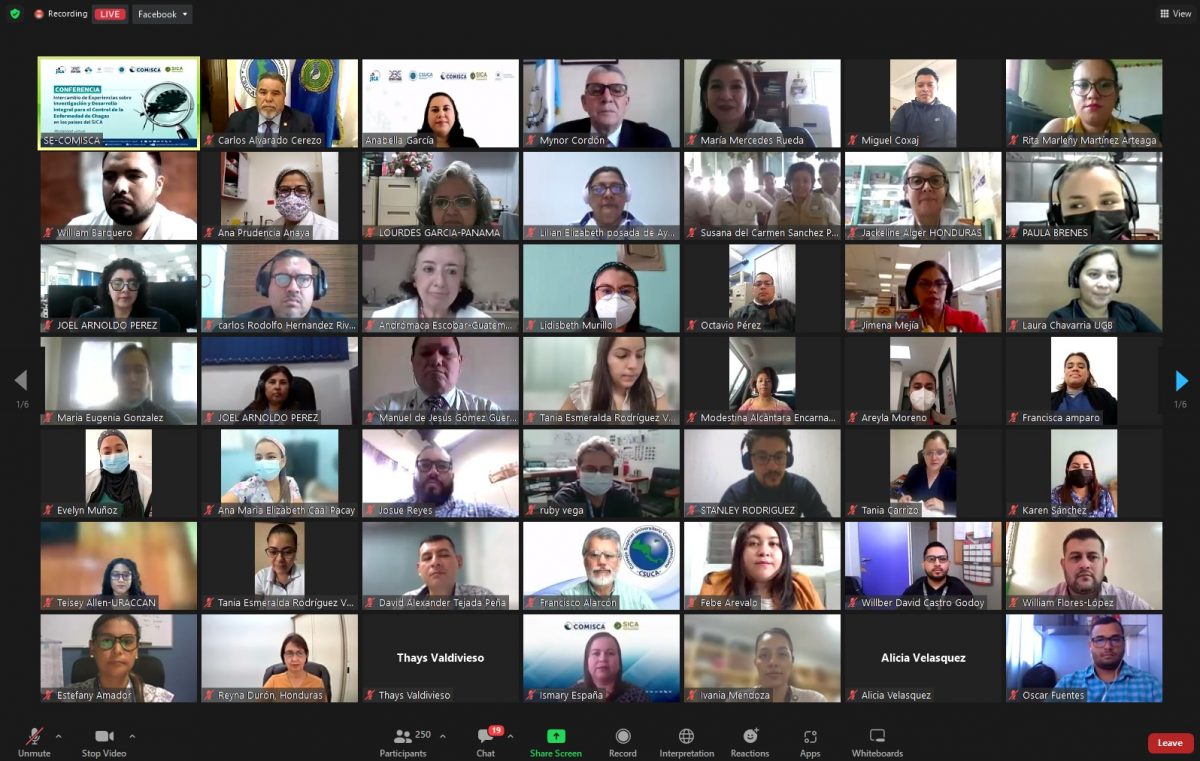
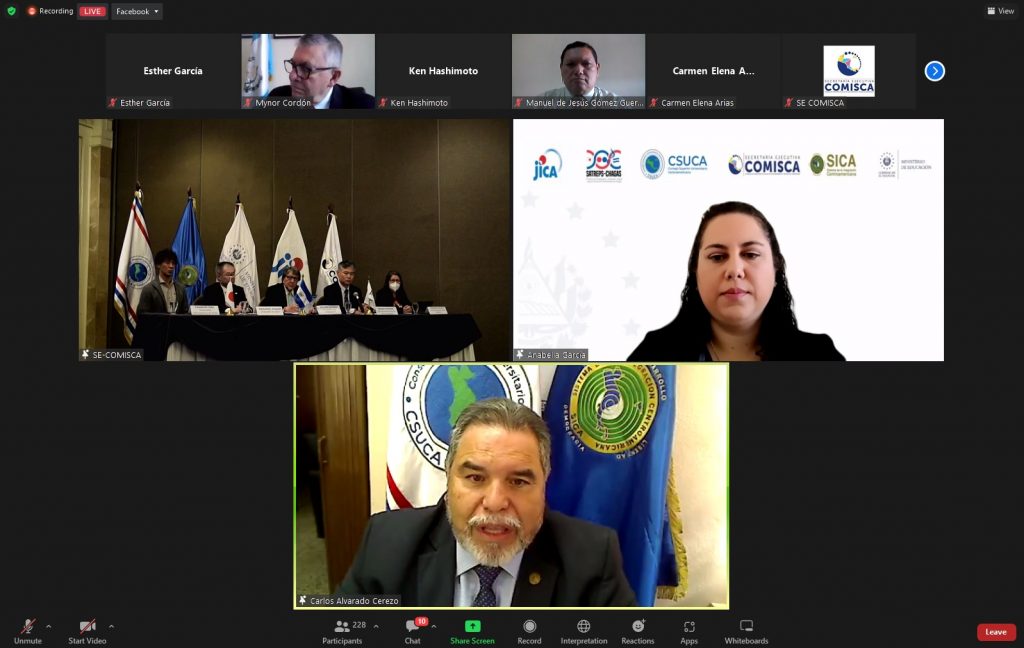
On Thursday, November 10, the XXVI meeting of the Central American Integrated Documentary Information System -SIIDCA- was held virtually, with the purpose of consolidating the interconnection processes of the Library Systems of the universities that make up the Central American Higher University Council.

SIIDCA seeks to enrich the collections, strengthen the services to offer information that responds to the needs of the university community, giving special attention to the control, digitization, safeguarding and dissemination of the Central American university institutional memory.

Among the actions carried out at this meeting, the conference “CSUCA Perspectives on the Challenge of Open Science” was presented by Francisco Alarcón, Deputy Secretary General of the Central American Higher University Council, as well as the presentation of the report of the General Secretariat of CSUCA, by Aníbal Martínez, Director of Administration, Finance and Management of CSUCA.

To generate this meeting, it was sought to work from two spaces within which the work has been developed collaboratively, the first being a space for the directors of libraries where the objective 4 of the program “Research, science, technology and innovation for integration and regional development” of the Fifth Plan for the Regional Integration of higher education in Central America and the Dominican Republic was presented, as well as the presentation of the report on repositories and collective catalogs and new competencies in the services of hybrid Libraries.

Within the second space, a space was created for computer scientists and catalogers where they presented the monitoring and tracking of the repository and collective catalog by country, as well as the update of the metadata guide. They also reviewed the cataloging section of the metadata policy guide, with the aim of presenting proposals to organize the metadata guide.

Finally, the report on computer scientists and catalogers in the joint space was presented, and the agreements from this important meeting were developed.