IV REDCUPS

During the days of November 9, 10 and 11, the IV Meeting of the Central American and Caribbean Network of Health Promoting Universities -REDCCUPS- is taking place with the purpose of generating a space for cooperation, exchange of experiences and knowledge to promote the Health Promoting Universities movement among the higher education institutions of the Central American Higher University Council -CSUCA-.

To open the meeting, Ayax Irías, Vice-Rector of Student Affairs and Guidance at the National Autonomous University of Honduras, spoke, saying, “We hope that this event will foster and generate a rich and beneficial exchange of experiences that consolidates strategic alliances between universities and local governments, deepening the processes of intra- and inter-university integration.”.

For his part, Carlos Alvarado, Secretary General of CSUCA, stated in his address that “Through the network of health-promoting universities, institutional foundations of support and collaboration are created to become healthy universities,” referring to the collaborative work that exists at the regional level through the 24 public universities that make up CSUCA and that is generated through its various systems. Meanwhile, Jorge Cortez, President of the Regional Council for Student Life, reflected, “The issue of mental health is important; that is what we must focus on: having well-rounded students who can maintain good health for their academic development,” taking into account the crisis that the pandemic caused in the mental health of the world's population. At the same time, Piedad Huerta, PAHO representative in Honduras, commended the role that universities have played in the development of the COVID-19 pandemic, stating, “It is important to promote health from within universities.”.

To conclude the opening remarks, Francisco Herrera, Rector of the National Autonomous University of Honduras, commented that "Prevention is not Latin America's strong suit, so the formation of these networks obliges us to prepare the university community on this issue," mentioning the importance of universities and their support in contributing to the development of Central American societies.

The Meeting is being held in a hybrid format, with in-person sessions at the National Autonomous University of Honduras, featuring 12 presentations, which cover topics such as “Student Leaders in Health: An Experience from the University of Panama”, “A Bonus in a Pandemic: Promoting Health and Self-Care in the Face of the COVID-19 Health Crisis”, “Empathy and Synergy: Pillars in the Training of Student Leaders in Health”, “Back Again! Experience of the Costa Rican Network of Health Promoting Universities, Post-COVID-19 Pandemic”, among others.

This meeting seeks to establish the National Networks of Health Promoting Universities, the integration, implementation and execution of a Regional Action Plan, as well as to promote research in the health promotion component in the universities that make up the REDCCUPS and the National Networks of Health Promoting Universities of the CSUCA.


LIII General Assembly of SICEVAES

The 8th and 9th of November 2022 gave rise to the development of the LIII General Assembly of the Central American System of Evaluation and Harmonization of Higher Education -SICEVAES-, which brings together Vice-Rectors and Directors of Teaching from the universities of CSUCA.

SICEVAES is the system that promotes a culture of quality, evaluation, and accountability to society in member universities, using evaluation and accreditation as a strategy for managing change, modernization, and improvement of universities.

The opening of the General Assembly included the participation of Francisco González, President of CSUCA and Rector of the National University of Costa Rica, who stated, “As CSUCA, we are about to celebrate 75 years of working on higher education at the regional level, being the oldest institution working on integration in the region. This should encourage us to recognize our actions and the role of higher education for our societies.”.

For his part, Felipe Alpízar, President of SICEVAES and Vice-Rector of Teaching at the University of Costa Rica, stated, “We are beginning the assembly of this body, where I hope that the challenges facing our universities will be discussed, taking into account that activities began yesterday with the University Education Workshop, “Innovating in a Simple and Fruitful Way,” which demonstrates that the innovation that unites us today is the result of a scenario that allows us to share our ideas.”.

The session will include the presentation of the conference “Open Educational Resources (OER) and Open Educational Practices (OEP), as well as a dialogue between the members of SICEVAES and the participants of the University Education Workshop, in order to present the results obtained from said meeting of teachers.

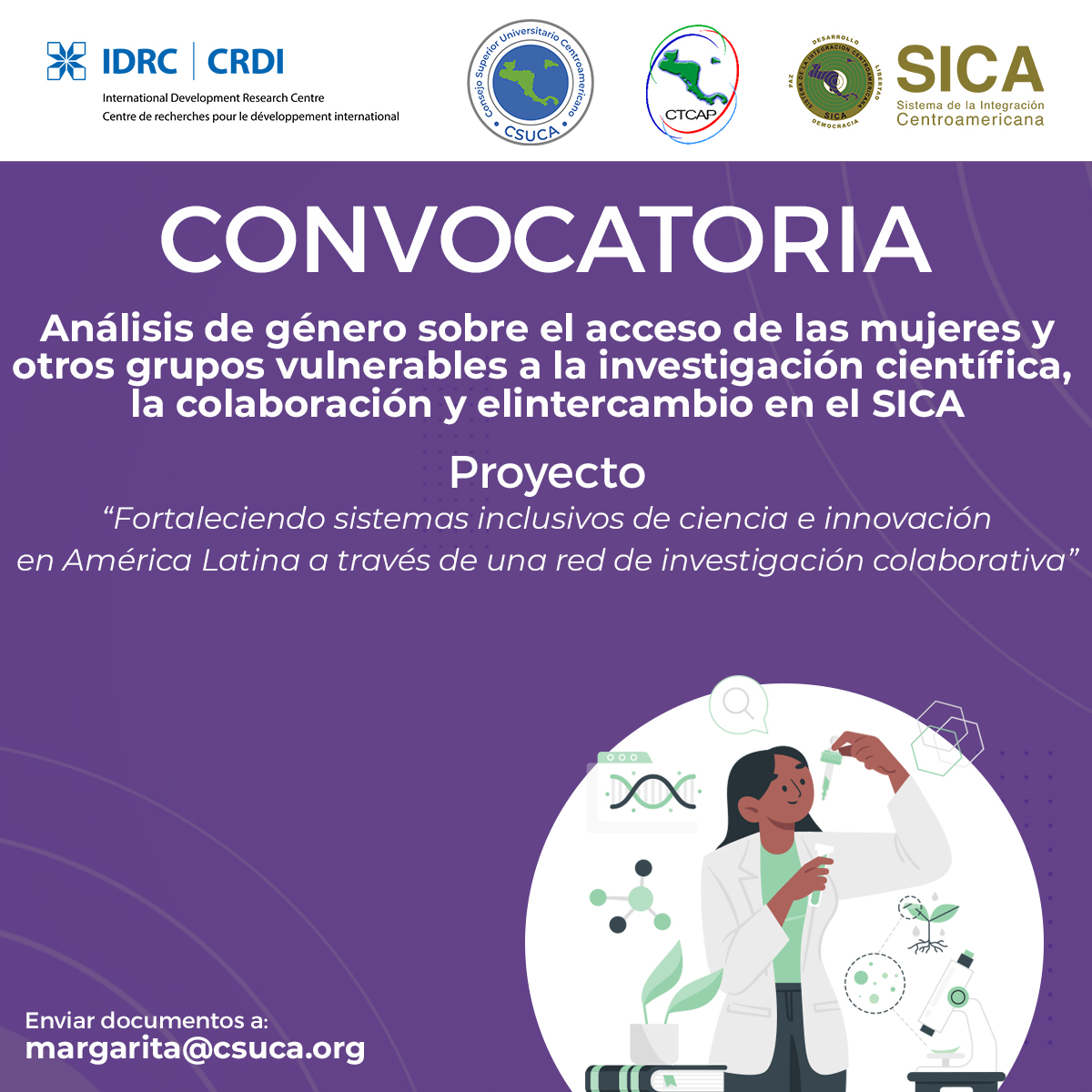
Also, a report will be presented by the General Secretariat of CSUCA on the project “Strengthening inclusive science and innovation systems in Latin America through a collaborative research network”, the election of members of the Technical Commission and the work in permanent commissions by strategic objective.

It is important to note that the General Assembly is being held in a hybrid format with in-person attendance at the University of Costa Rica.

University Education Workshop “Innovating in a simple and fruitful way”

On November 7 and 8, the University Education Workshop “Innovating in a simple and fruitful way” will take place, which will be held in a hybrid format, with in-person attendance at the University of Costa Rica. The objective is to share diverse experiences that encourage reflection on the academic processes of the member universities of the Central American Higher University Council.

With words from Felipe Alpízar, Vice-Rector of Teaching, the workshop began, welcoming all those teachers present at the University of Costa Rica facilities and extending a warm greeting to the authorities and teachers participating virtually.

In her opening remarks, Gabriela Valverde, representative of the Vice-Rectorate of Teaching at the University of Costa Rica, stated, “Innovation is a word that is often given a meaning focused on technology, when in reality we can innovate from different perspectives, as you are doing and sharing with us in this workshop. One of the most valuable expected contributions of this activity is that you can build contributions as a community.”

For his part, Francisco Alarcón, Deputy Secretary General, stated, “I congratulate you for going the extra mile, for innovating in the teaching methods you share in education, simple yet realistic and sustainable innovations, aimed at contributing significantly to didactics, focused on developing skills such as critical thinking, problem-solving, creativity, responsibility, moral and ethical development, leadership, entrepreneurship, among others, human skills that are needed today more than ever in the age of automation.”.

Likewise, Iris Danowski, representative of the German Rectors' Conference (HRK), stated, “Scientific knowledge, personal development, and social commitment are objectives of university education. Therefore, universities must be attentive to new challenges and needs with a commitment to quality and constant growth. The impact on processes is imminent; it is essential to continue developing and updating university teaching processes to create space for innovation and strengthen students' academic processes.”.

Meanwhile, Carlos Alvarado Cerezo, Secretary General of CSUCA, reflected, “Today, public universities are experiencing a new reality, a situation that forces us to develop new skills. Undoubtedly, we face significant challenges, but integrated work will help us achieve these goals through the development of tools that allow us to find answers and propose solutions in the short and medium term for our societies.”.

The workshop methodology consists of presenting the projects that each of the teachers has worked on, with the purpose of offering the different innovation processes and that other teachers can join in using these innovative methodologies within the different universities and at the same time find joint mechanisms to develop inter-university innovation processes.

XIX Sesión Ordinaria del SIESCA

Los días 27 y 28 de octubre darán lugar a la Decimo novena sesión ordinaria del Sistema de Internacionalización de la Educación Superior -SIESCA-. Siendo el órgano de la Confederación Universitaria Centroamericana que impulsa la institucionalización de la internacionalización como un instrumento estratégico para promover la calidad de las universidades miembros de CSUCA.

Para dar inicio a la sesión, Roger Arias, Rector de la Universidad de El Salvador expresó “Es grato y muy emotivo recibirles en nuestra sede, sabedores que una de las grandes limitantes que tenemos como universidades públicas de la región es el presupuesto que los estados asignan a nuestras casas de estudio, siendo una lucha histórica que vivimos por la consecución que tenemos a nivel regional para poder cumplir con las funciones sustantivas de la educación superior. Hay mucho camino que recorrer aún en materia de internacionalización, ya que hay que avanzar en la construcción de carreras de grado, posgrado, maestrías y doctorados conjuntos, con un currículum que permita la movilidad de nuestros estudiantes”.

Por su parte Carlos Alvarado, Secretario General de CSUCA mencionó “La internacionalización es una estrategia importante, ayuda a contrarrestar esos retos y desafíos que se generan día con día, ampliando esa visibilidad y reconocimiento de las universidades, en apoyo a la tecnología y la educación a distancia, han favorecido de manera notable la internacionalización a través de la combinación hibrida y presencial a través de la internacionalización abierta”.

Mientras que Maynor Barrientos, Presidente de SIESCA reflexionó “Unir condiciones y talentos, para poder estrechar los lazos de colaboración en nuestros países y proyectar hacia el mundo lo que hacen nuestras universidades. Esta luz de trabajo del PIRESC V nos brindará la oportunidad de trascender las fronteras internacionales hacia el mundo entero y así poder resolver los grandes retos que tenemos en nuestra región”.

El desarrollo de la sesión ordinaria dará lugar a la presentación del informe de la Presidencia de SIESCA para el período julio de 2021 a junio de 2022, así como el trabajo grupal por objetivos estratégicos del programa 5 que indica “Regionalización e Internacionalización de la Educación Superior Centroamericana” del Quinto Plan para la Integración Regional de la Educación Superior de Centroamérica y República Dominicana -PIRESC V-, para la revisión de los avances y planes de acción, formulados a partir de cada objetivo estratégico.

Asimismo, se desarrollarán las conferencias “Los Efectos del Covid-19 en la internacionalización de la educación superior” por el Dr. Giorgio Marinoni de la Asociación Internacional de Universidades, Francia y “La Internacionalización de la educación superior, caso del MERCOSUR” por la Dra. Andrea Hassen, Vicerrectora de Relaciones Internacionales, Concepción de Uruguay, con el propósito de motivar a las y los miembros de SIESCA.

Espacio propicio en el cual se desarrollará la presentación e intercambio de buenas prácticas para la internacionalización de la Universidad a través de la experiencia de la Universidad Tecnológica de Panamá -UTP-, Universidad Pedagógica Nacional Francisco Morazán -UPNFM-, Universidad Nacional Autónoma de Honduras -UNAH- y Universidad de Costa Rica -UCR-.

XVII Sesión Ordinaria de SEDUCA

Centroamérica, 4 de noviembre de 2022

El día de hoy se desarrolló la XVII Sesión Ordinaria del Sistema de Editoriales Universitarias de Centroamérica y el Caribe -SEDUCA-, con el propósito de generar un encuentro por parte de las editoriales de las universidades miembros de CSUCA, la cual se desarrolló en modalidad virtual.

El Sistema Editorial Universitario Centroamericano difunde el pensamiento universitario centroamericano en las distintas áreas del conocimiento que contribuye al desarrollo integral, la difusión de valores, la transferencia de conocimiento, así como profundizar y fortalecer la identidad regional, mediante la cooperación en el campo editorial.

Para dar inicio a la sesión ordinaria, se contó con palabras de Carlos Alvarado Cerezo, Secretario General de CSUCA, quien hizo la reflexión “la educación se proyecta hacia nuevas dimensiones, distintos valores, diferentes retos e inéditos compromisos que trae el Siglo XXI, el acceso abierto al conocimiento no sólo lo hace más democrático e inclusivo, sino también aumenta la visibilidad de las investigaciones y convierte los avances de la ciencia en mejoras para toda la sociedad”. Haciendo referencia a la importancia del trabajo que realizan las editoriales universitarias.

La XVII Sesión Ordinaria, busca poder presentar el informe de trabajo de la Secretaría General de CSUCA, así como la presentación de los informes sobre la participación de los miembros de SEDUCA en la Feria Internacional del Libro Universitario, así como el Convenio General de coedición de libros y revistas entre editoriales universitarias, actualización del diagnóstico de las editoriales universitarias, entre otras.

Es preciso destacar que las editoriales universitarias centroamericanas se reúnen una vez al año, con el fin de promover y divulgar la producción editorial que existe en la región centroamericana.

XLVlII Sesión Ordinaria del Consejo Regional de Vida Estudiantil

El día 26 de octubre de 2022 se desarrolla la XLVIII Sesión Ordinaria del Consejo Regional de Vida Estudiantil -CONREVE-, en modalidad híbrida, con presencialidad en la Universidad de Panamá.

EI Consejo Regional de Vida Estudiantil -CONREVE-, es el órgano del Consejo Superior Universitario Centroamericano CSUCA, encargado de asesorar, promover, fortalecer y generar iniciativas, programas y proyectos que impulsen el desarrollo del área de Vida Estudiantil de las Universidades miembros; contribuyendo a la formación integral de profesionales que participen con compromiso social, en la transformación, desarrollo e Integración Centroamericana.

Dentro de las palabras de apertura, se contó con la participación de Eduardo Flores Castro, Rector de la Universidad de Panamá y Vicepresidente de CSUCA quien expresó “Para nosotros homenajear a algunos estudiantes de nuestras universidades con los premios académicos que van a ser entregados es un placer, estoy seguro que los chicos que reciben estas distinciones lo hacen en nombre de todos los estudiantes de cada casa de estudios”.

Por su parte, Erick García González, delegado del Consejo Nacional de Vida Estudiantil de Panamá -CONAVE-  indicó “Ustedes son el principal objeto de la universidad, alrededor de los estudiantes se hace todo, con la creación de CONREVE, se pensó lo mismo, ir más allá a través varios ejes temáticos como la salud, salud mental, voluntariado, deporte y cultura. Esta sesión es para seguir proyectando las actividades que van dirigidas para lo que nosotros desde las universidades hacemos y es velar por ustedes, los estudiantes”.

Asimismo, Carlos Alvarado Cerezo, Secretario General de CSUCA mencionó “Es una oportunidad muy propicia para hacer unas reflexiones, hoy las universidades públicas viven una nueva realidad, situación que nos obliga al desarrollo de nuevas competencias, nuevas formas y tecnologías del aprendizaje que estamos viviendo, el rol del profesor como guía y el rol del estudiante con sed de conocimiento”.

Mientras que Francisco Gonzáles Alvarado, Rector de la Universidad Nacional de Costa Rica y Presidente de CSUCA reflexionó “El movimiento de Córdoba tuvo el impulso que desde se momento ha marcado una nueva etapa para la vida estudiantil, generando una gobernanza en donde el movimiento estudiantil tiene un rol principal, por eso, nosotros también somos herederos donde el movimiento estudiantil tiene un protagonismo en el quehacer universitario, como podemos mejorar las condiciones generales para que los estudiantes tengan un lugar seguro donde aprender, ubicamos a la representación estudiantil como el motor del quehacer las universidades públicas”.

Para el desarrollo de esta sesión ordinaria, se abordarán la presentación de informes de la Presidencia de CONREVE, Secretaría Adjunta para Asuntos Estudiantiles y de la Presidencia de la Federación de Estudiantes Universitarios -FEUCA-.

A la vez se presentará el desarrollo del lV Encuentro de Universidades Promotoras de la Salud, organizado por la Universidad Nacional Autónoma de Honduras, el cual se llevará a cabo el 09, 10 y 11 de noviembre del presente año y el VI Encuentro Centroamericano y Caribeño de Voluntariado, organizado por la Universidad Autónoma de Santo Domingo de República Dominicana a realizarse de manera híbrida del 1 al 4 de diciembre del presente año.

Así mismo, dar a conocer el Estado actual del Premio Regional a la Excelencia Académica Rubén Darío en su XVII Edición, organizado por las Universidades Públicas de Panamá, el cual se desarrollará el próximo viernes 28 de octubre. De la misma manera, presentación del informe del Primer Congresillo Técnico del JUDUCA 2023 y propuesta de fechas del segundo Congresillo Técnico JUDUCA 2023, a realizarse en la Universidad de El Salvador.

Es preciso destacar que la XLVIII Sesión Ordinaria de CONREVE tiene como propósito el poder revisar y dar seguimiento al V Plan para la Integración Regional de la Educación Superior en Centroamérica y República Dominicana (PIRESC V).