63rd Assembly of the Central American and Caribbean Regional System of Research and Postgraduate Studies -SIRCIP-

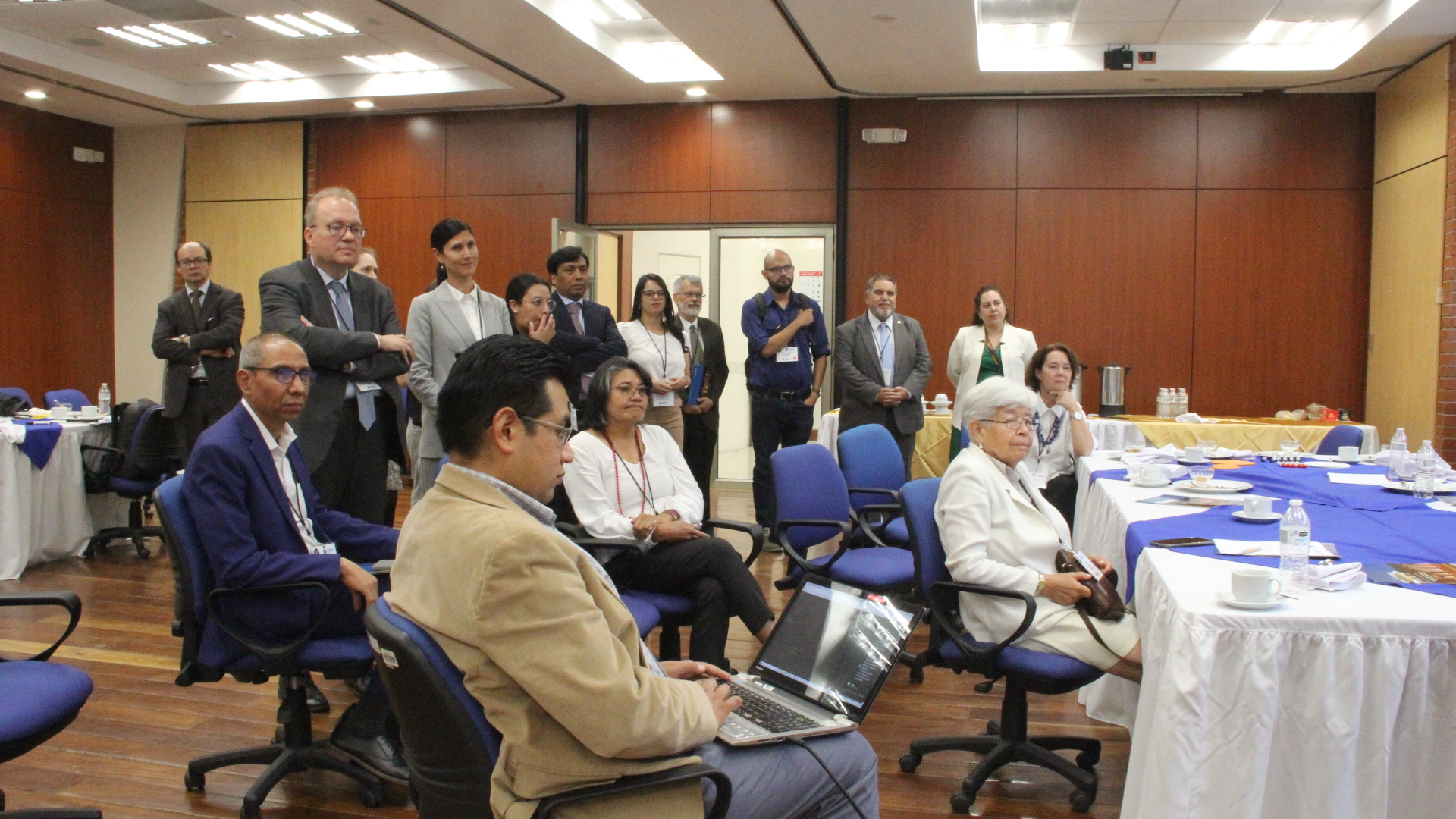
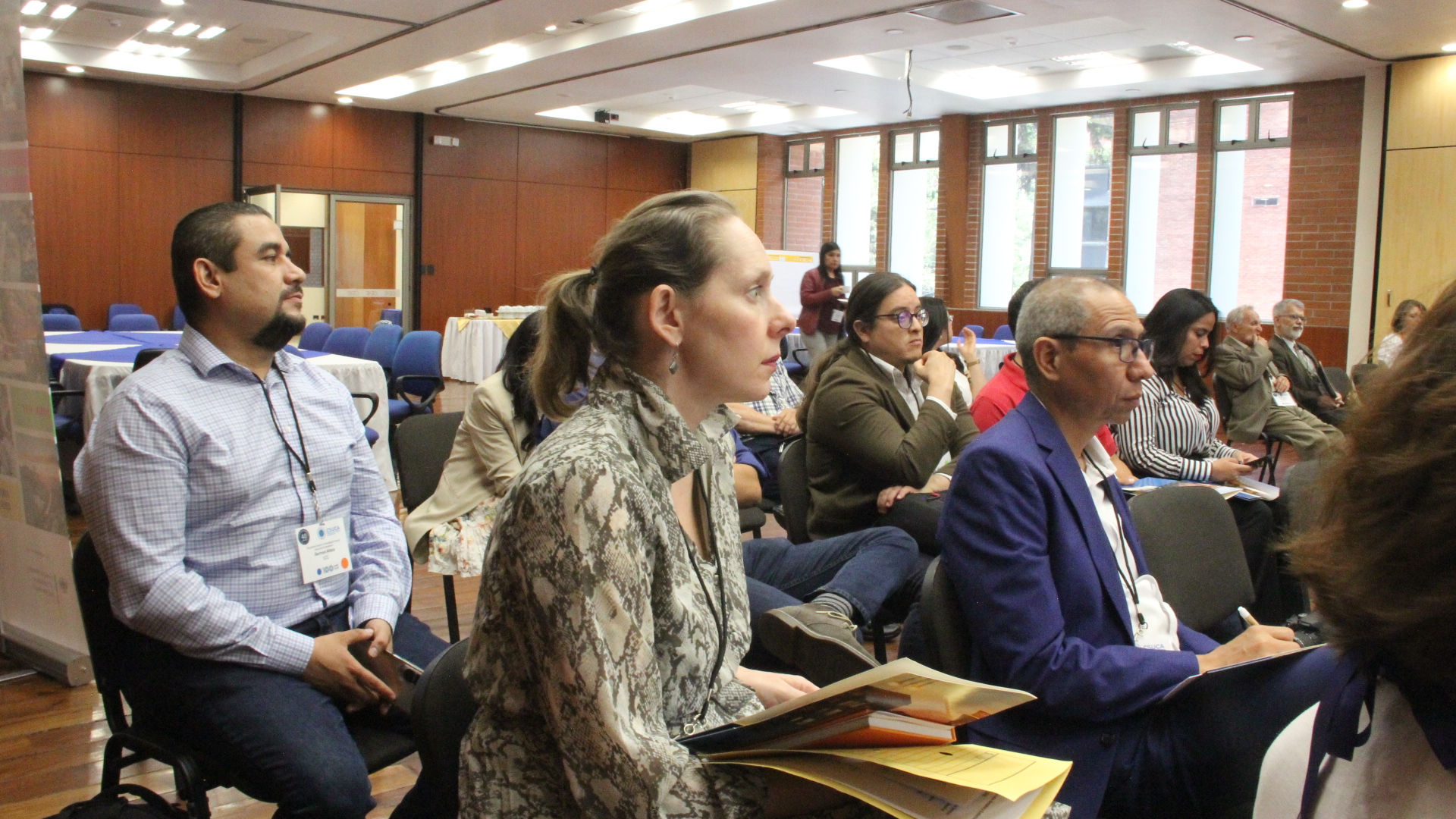
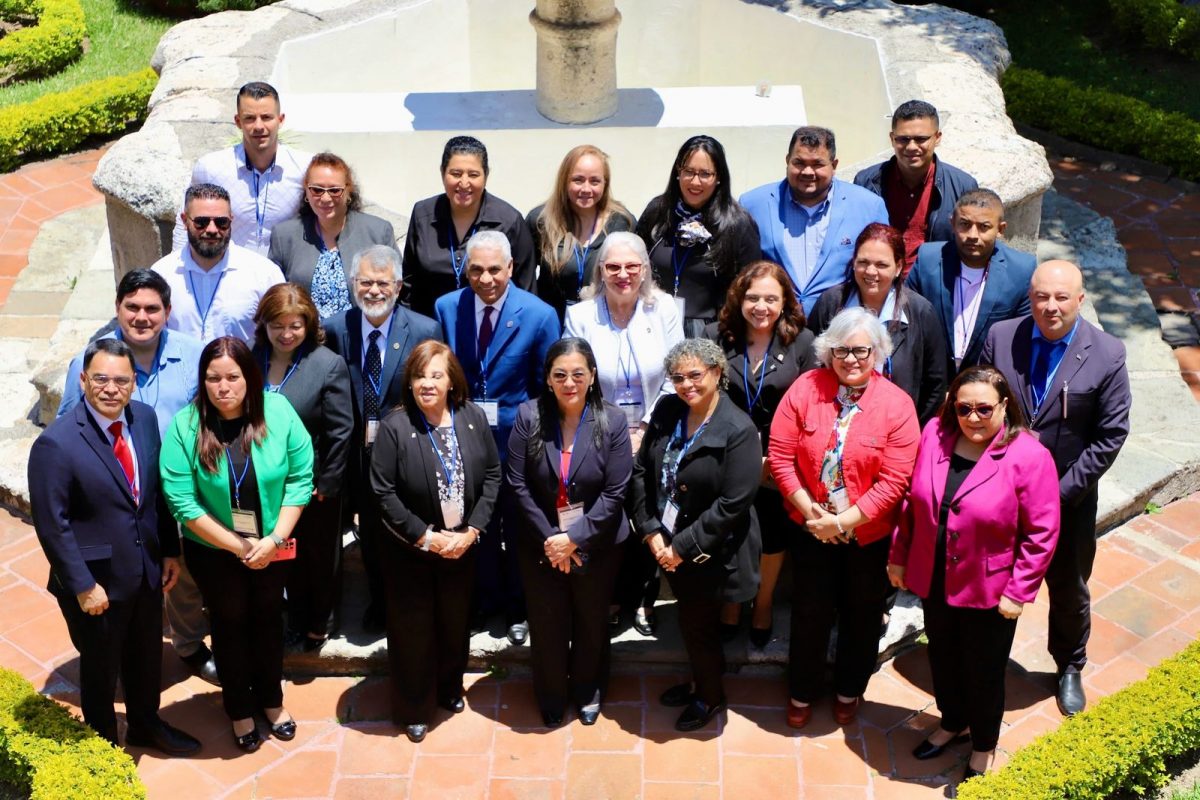
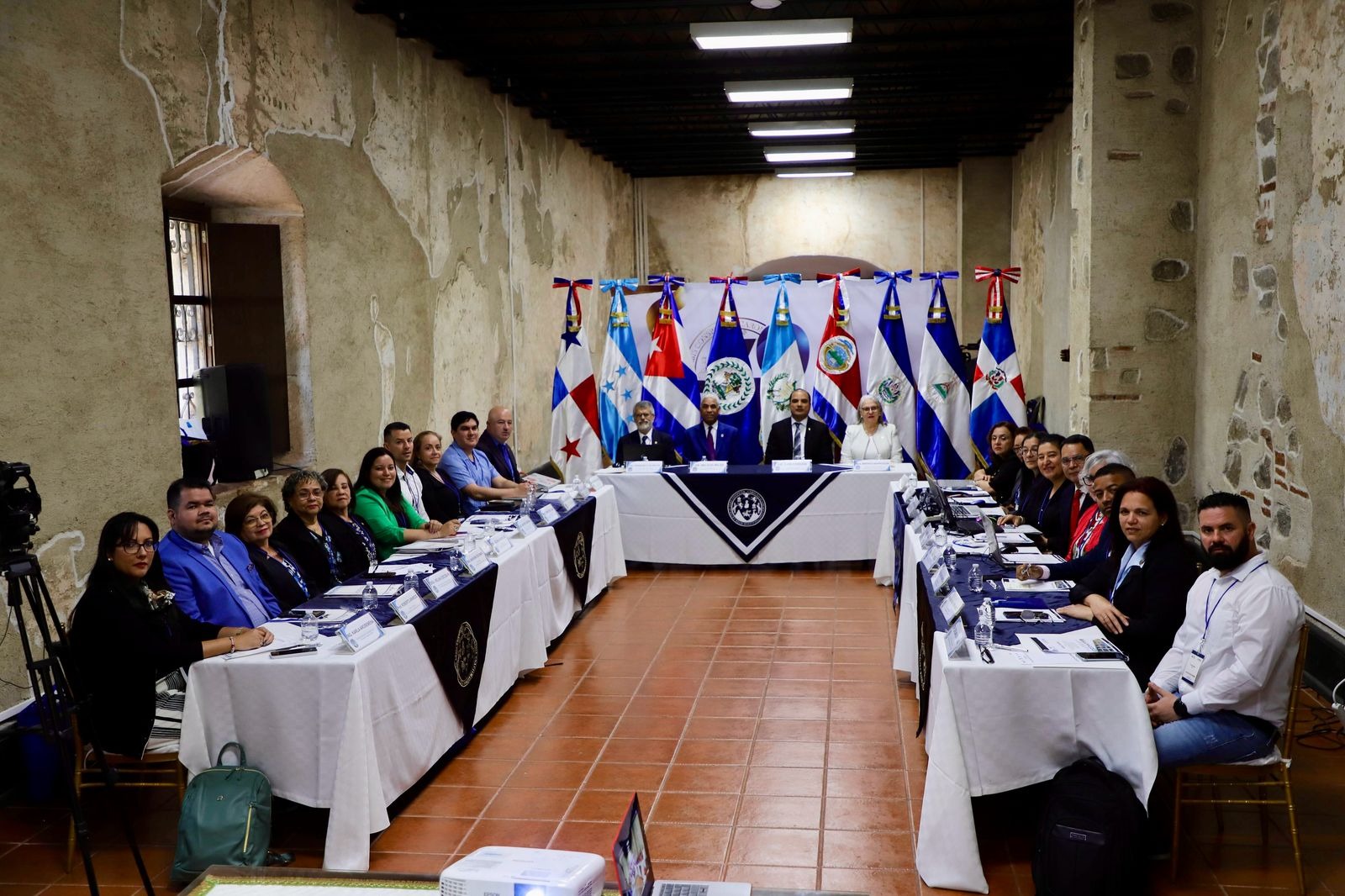
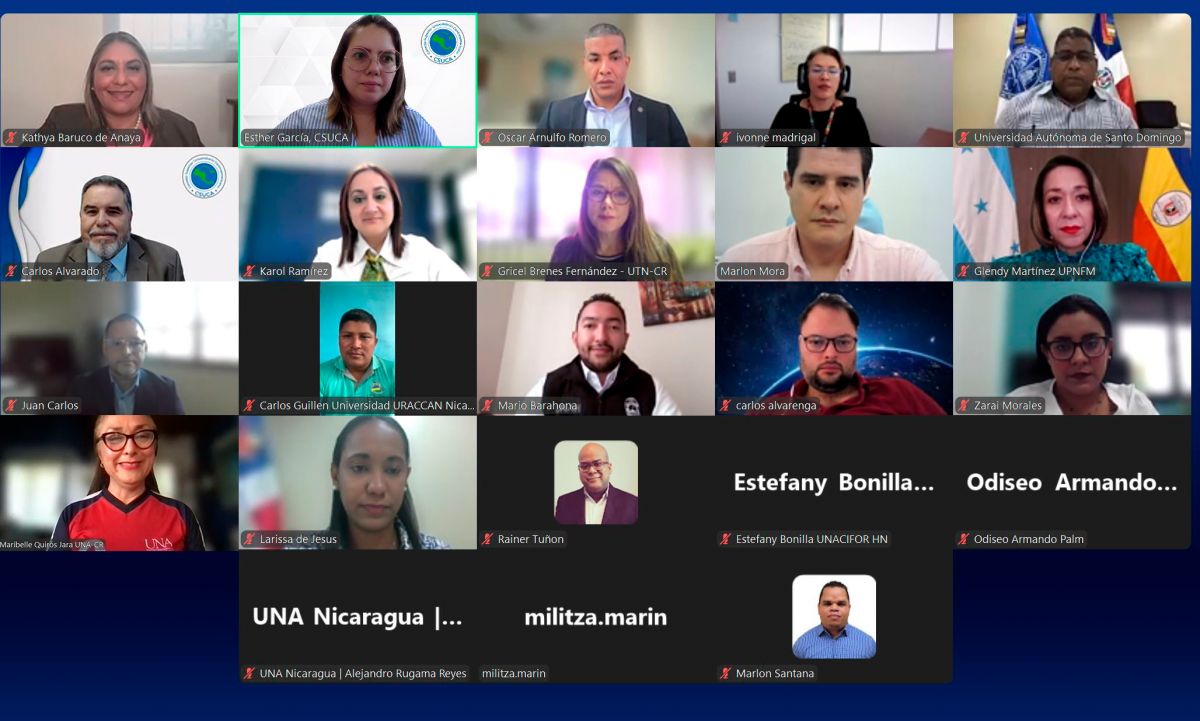
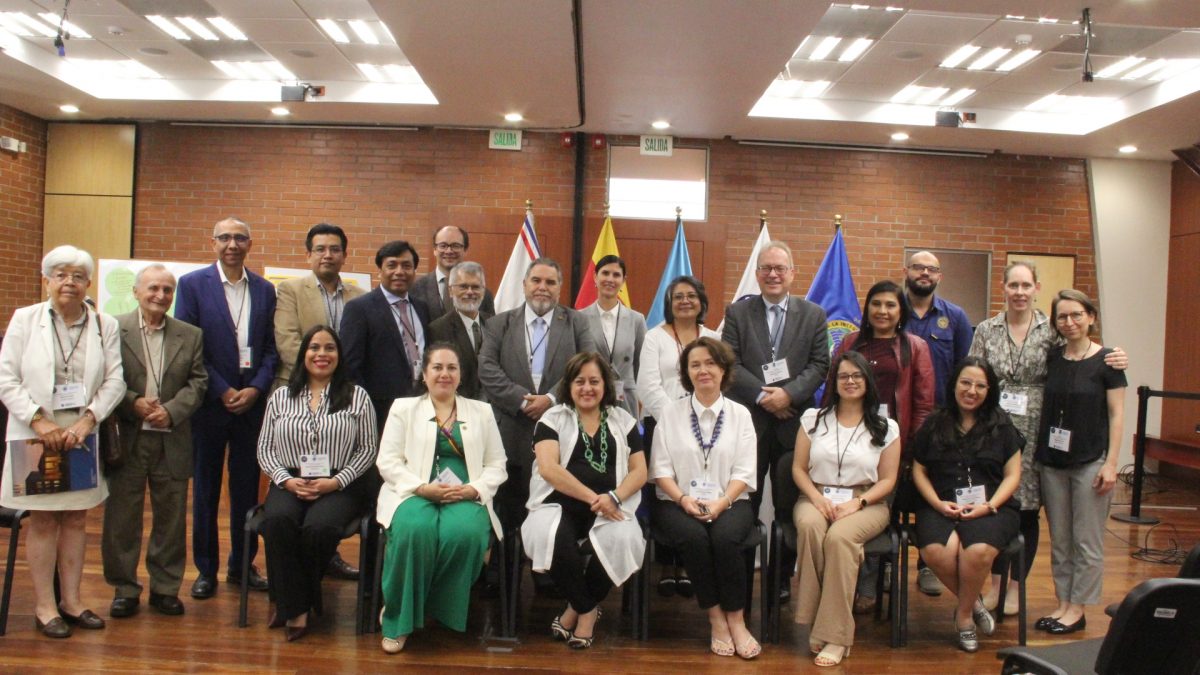
The days 01, 02 and 03 of April have given rise to the development of the 63rd Assembly of the Central American and Caribbean Regional System of Research and Postgraduate Studies -SIRCIP-, an activity that has been carried out in a hybrid way, with face-to-face at the National University of Costa Rica -UNA-.

SIRCIP is an organ of the Central American University Confederation that strengthens, guides, supports, coordinates, harmonizes and integrates research and postgraduate studies, with a regional focus in the universities that make up CSUCA, thus seeking the sustainable human development of the region.

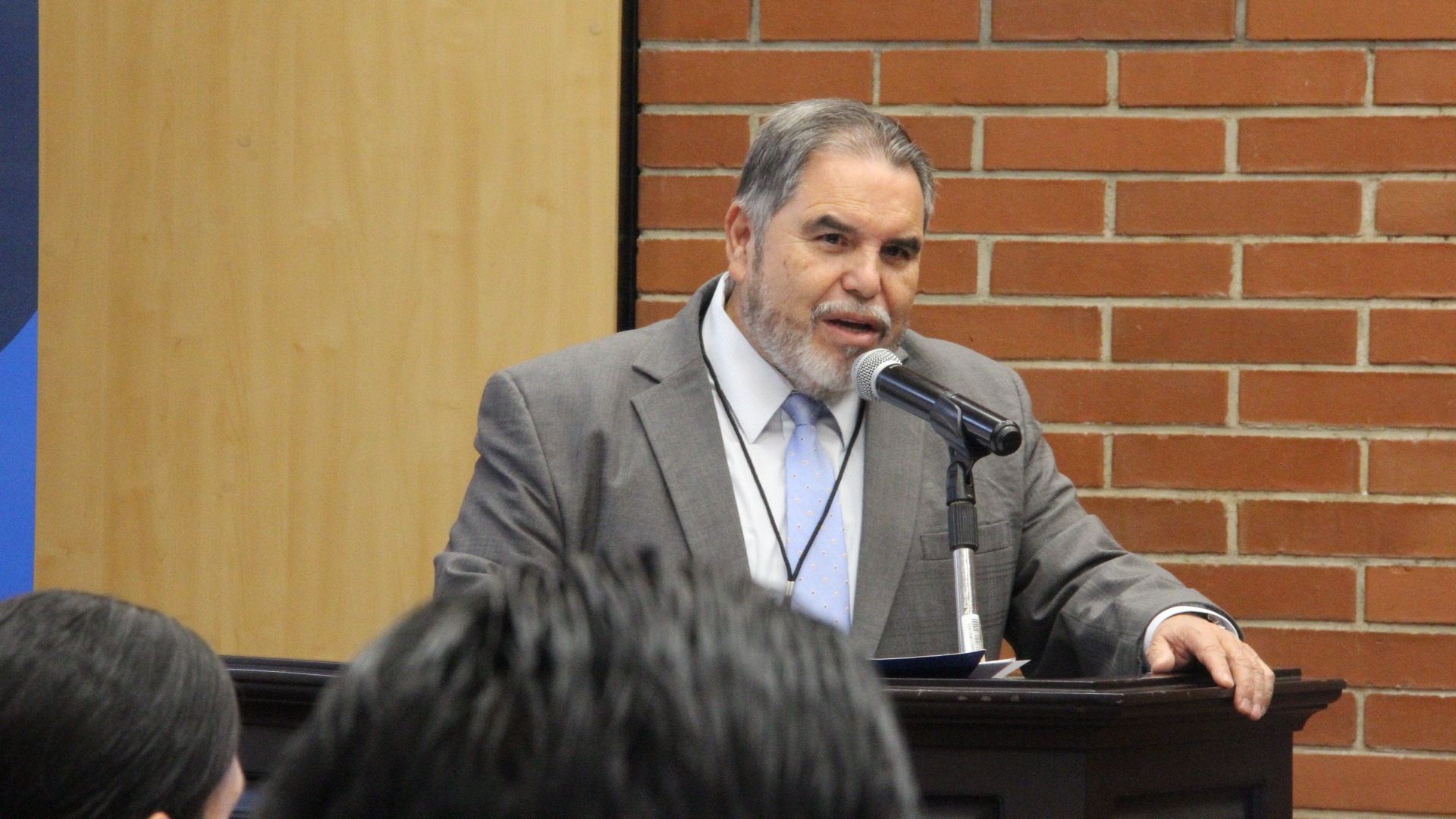
To begin the assembly, Radhamés Silverio González, President of SIRCIP, proposed, “I consider it appropriate to bring to this assembly a proposal that complements our vision of recognizing the incentive for research, which will allow us to make our academic activities more visible, namely the creation of the SIRCIP research award. I submit this proposal to this assembly because, as SIRCIP, we are aiming for more.”.

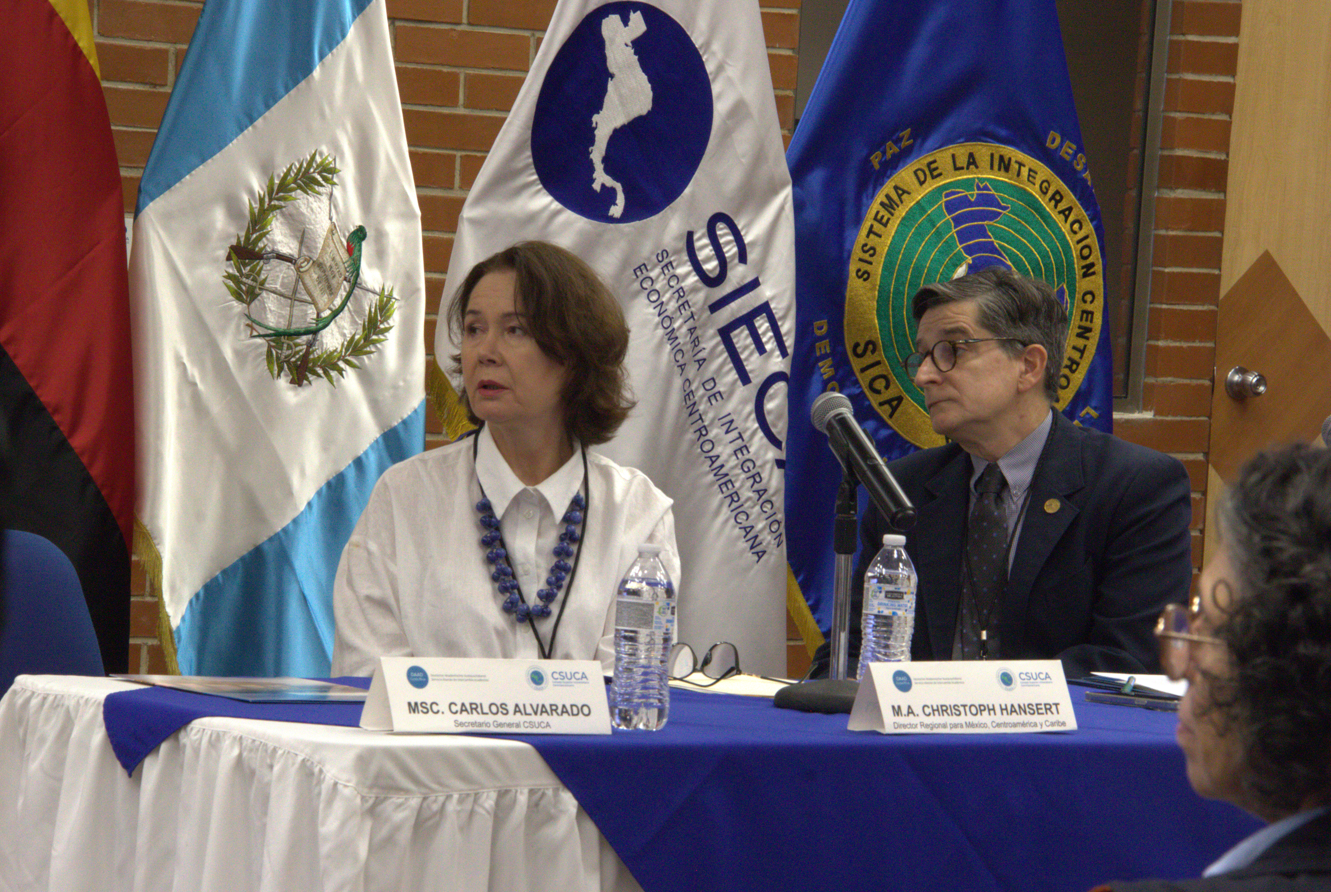
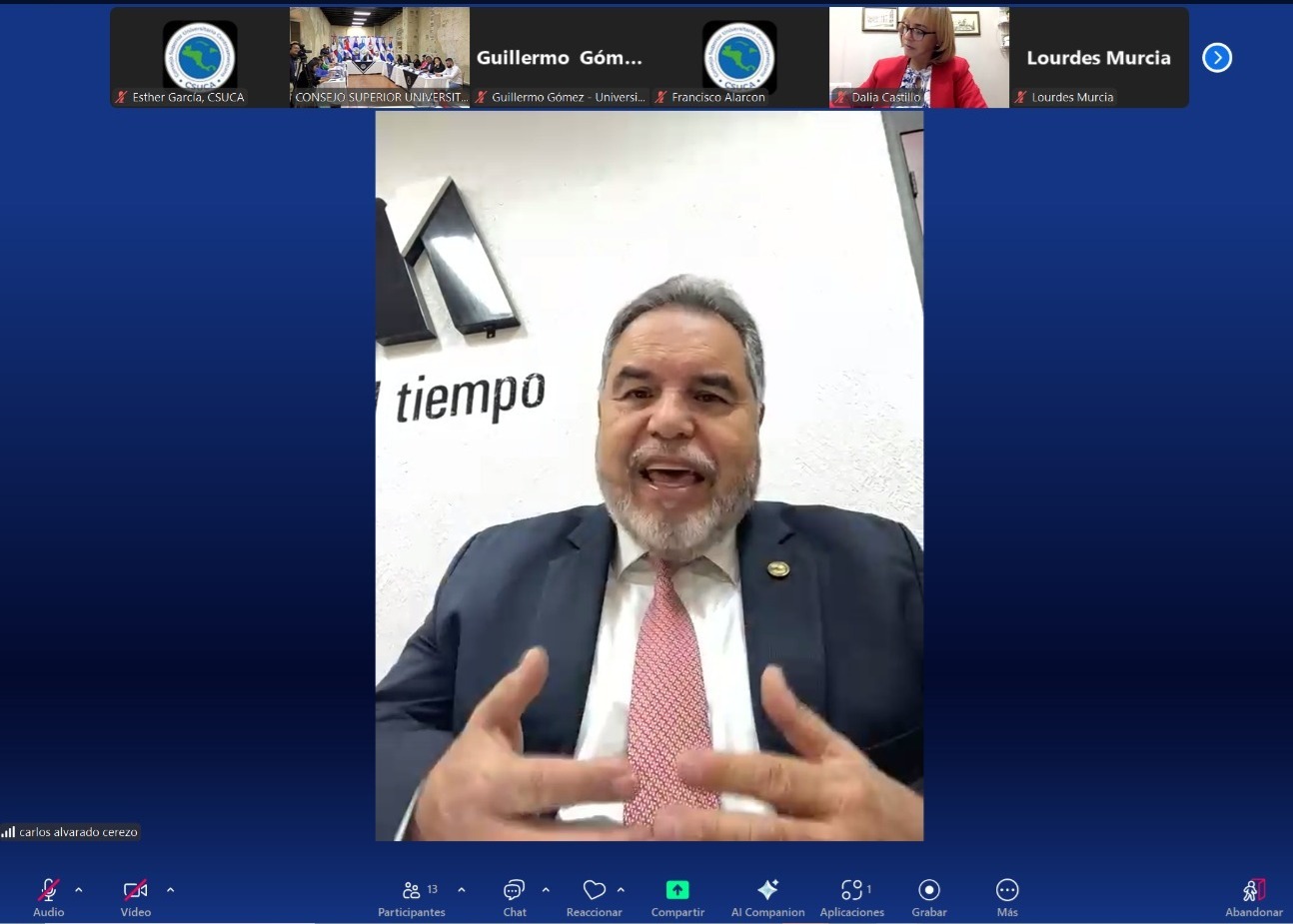
For his part, Carlos Alvarado, Secretary General of CSUCA, mentioned the importance of open science for the development of the system's actions: "It is necessary to promote mechanisms that facilitate open access, allowing the dissemination of scientific knowledge and guaranteeing the quality and relevance of the research generated by our universities, publicly, which will generate synergies for the work and development of our societies.".

And Francisco González, Rector of the UNA, spoke about the pillars that universities need to generate research: “Research must always strive to influence and be relevant to public policy. This is only possible if we have top-level researchers, a budget, and sustained investment. Without these three principles, nothing else can happen. We have the human potential, but we need training, equipment, and stability so that researchers can develop their potential.”.

The 63rd assembly's main objective was training through keynote lectures focused on developing university policies for academic publications and exploring new research trends in public universities. It also emphasized collaborative work through the Regional Research Council (CORI), the Regional Postgraduate Council (COREP), and the Technical Commission for Research and Postgraduate Studies.

It is important to highlight that in October SIRCIP will hold the VII Biennial of Research and Postgraduate Studies, which is organized by the University of San Carlos of Guatemala.

First Extraordinary Session of CONREVE

On Wednesday, March 19, the first Extraordinary Session of the year 2025 of the Regional Council of Student Life -CONREVE-, an organ of the Regional System of Student Life -SIREVE-, was held in virtual mode.

Activity whose purpose was to present and approve the proposed modifications to the regulations of the Central American University Sports Games -JUDUCA-.

To begin the session, Jorge Cortez, President of CONREVE, welcomed everyone and emphasized, “Thank you to all those present. This meeting is very important for our organization, as we will be taking an important initiative to modify the regulations of the Central American University Games -JUDUCA- and thus achieve their excellent development.”.

Meanwhile, Carlos Alvarado, Secretary General of CSUCA, mentioned, “I wish to highlight the collaborative work through CONREVE with commitment and responsibility. The JUDUCA games aim to carry out promotional, mass participation, and competitive sports activities to integrate our universities. It is important to make changes to the regulations for continuous improvement and the successful development of sports activities.”.

The Central American University Sports Games -JUDUCA-, are a multi-sport competition organized by the Central American University Confederation, which aims to promote sports in the region's public universities and is held every two years.

These games originated in May 2006 at the University of El Salvador -UES-, and this year the IX edition will take place at the National Autonomous University of Honduras -UNAH-, where more than 3,500 athletes from public universities in Central America, Panama, the Dominican Republic and for the first time from Cuba will gather, competing in 10 sports disciplines to be crowned as the best in the region.

.

CIRCULAR CARIBBEAN PROJECT

On December 31, 2024, the project “Prevention of plastic waste to reduce its impact on the Caribbean Sea of Guatemala, through innovative methods, with the participation of the academic sector, private sector and community” was successfully completed, within the framework of the regional circular Caribbean project, which began in January 2022.

It was financed by the German Society for International Cooperation (GIZ), for an amount of €123,802.10, equivalent to Q 1,015,177.22, which was administratively coordinated by the General Secretariat of the Central American Higher University Council (CSUCA) and executed by the Caribbean Research Institute, of the University Center of Izabal, of the University of San Carlos of Guatemala

The project was implemented at the mouth of the Motagua River, with the participation of residents from the communities of El Quetzalito, Las Vegas, and Medialuna. They carried out clean-up and collection activities to process the waste collected by the Ministry of Environment and Natural Resources' (MARN) bio-barrier, which operates a plastic collection and separation system in the area. These activities have allowed the region to unite the efforts of various organizations, such as MARN, the Municipality of Puerto Barrios, and other institutions, to prevent plastic waste from entering the Caribbean Sea.

Some of the project's key results include:

More than 800 people participated in the environmental education program across more than 10 courses. 8.61 tons of plastic were collected, compacted, and recycled in the production of eco-asphalt. A manual for incorporating plastic waste into asphalt was developed. A mobile processing system was created for educational and awareness-raising purposes. A feasibility study was conducted for the clothing and textile sector in Puerto Barrios, Izabal. A guide to home composting was published. A baseline study of the municipality of Puerto Barrios was established using the Waste Flow Diagram tool.

A strengthened multi-year strategic plan, monitoring, and communication strategy for the Motagua River Basin Alliance. Five plastic processing plants receiving technical assistance. A diploma program in Integrated Solid Waste Management.

Five schools trained and equipped for the prevention and management of recyclable waste. A roadmap for a housing prototype using difficult-to-recycle materials.

Support for local campaigns of Reciclemos.gt and Think responsibly, avoid disposable items

Two environmental management policy guides for Small and Medium Enterprises (SMEs), food sector and diverse manufacturing.