
Heredia, Costa Rica, 2 de octubre de 2026
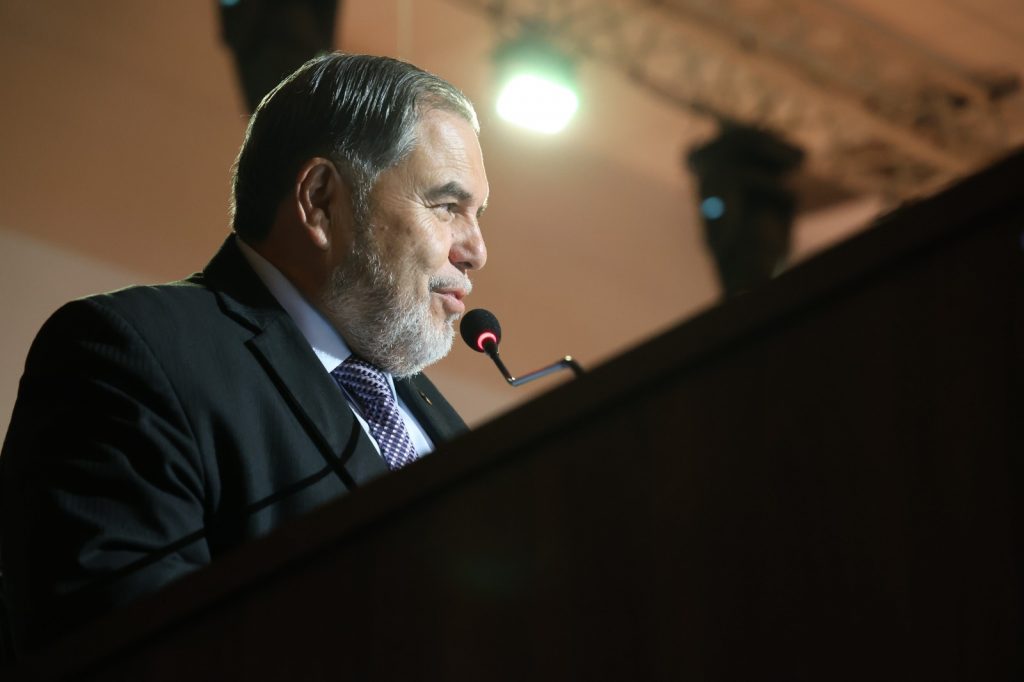
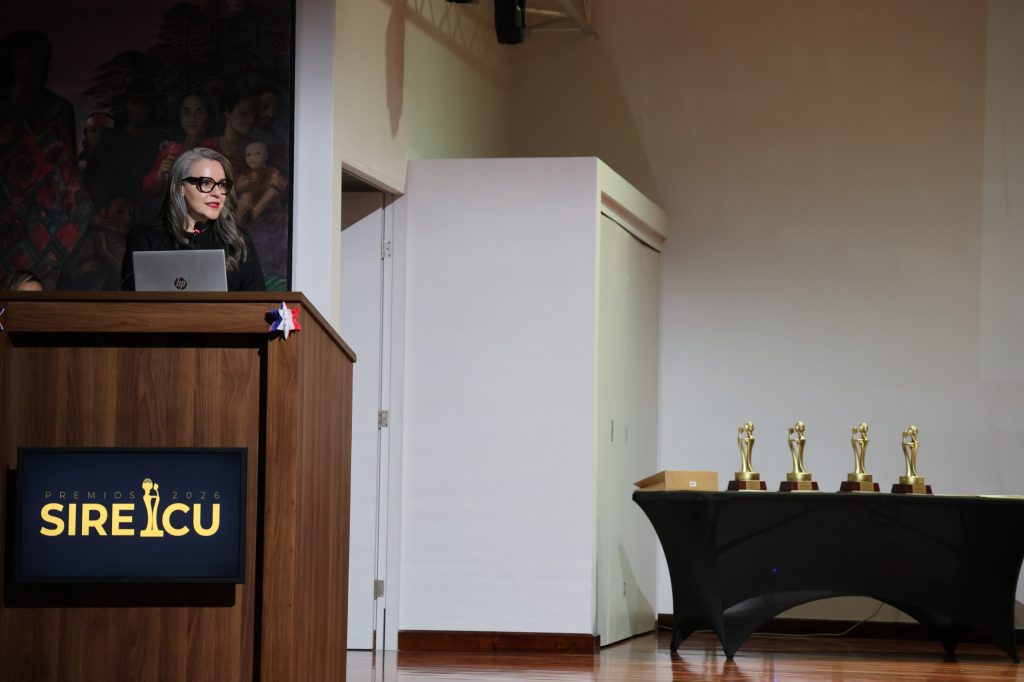
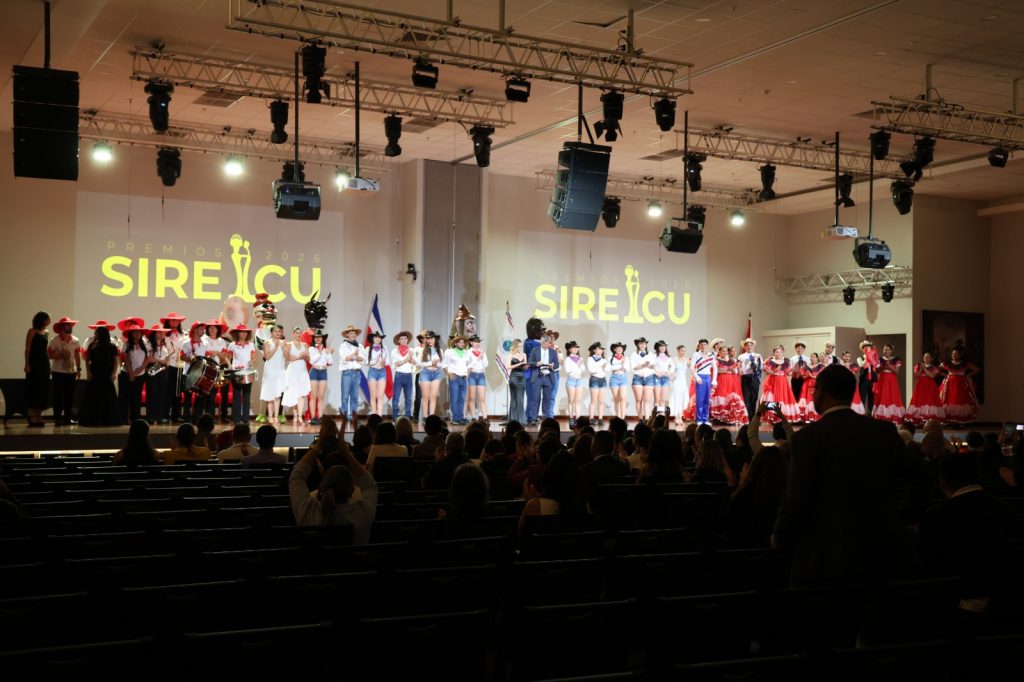
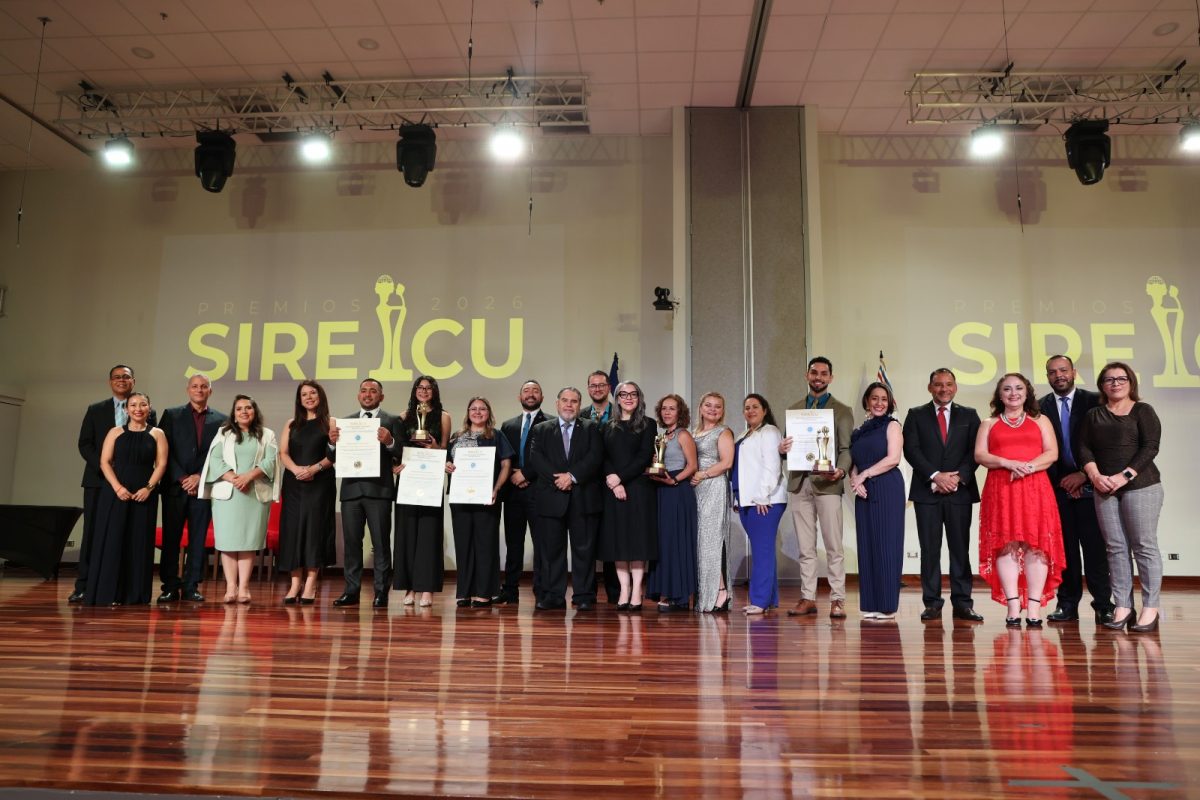
El Consejo Superior Universitario Centroamericano (CSUCA), a través del Sistema Regional de Información y Comunicación Universitaria (SIREICU), realizó la ceremonia de entrega de los Premios SIREICU 2026, iniciativa regional que reconoce la creatividad, innovación y buenas prácticas desarrolladas desde la comunicación de las universidades públicas de Centroamérica y el Caribe.
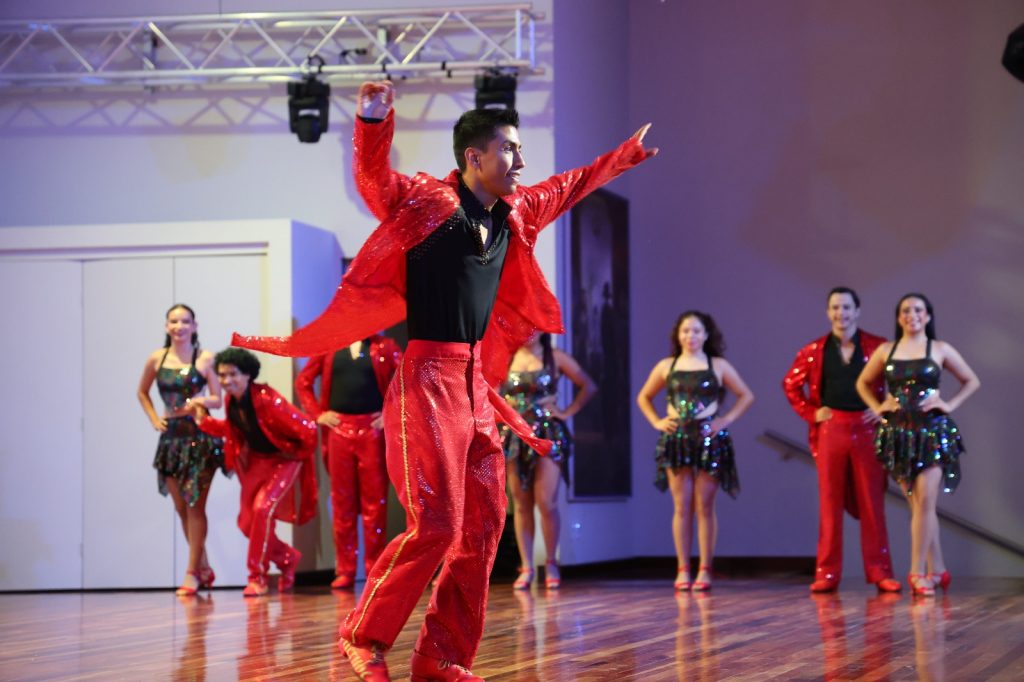
La ceremonia se desarrolló en el Auditorio Cora Ferro de la Universidad Nacional (UNA) de Costa Rica, como actividad de cierre de la XIII Asamblea General del SIREICU, celebrada los días 1 y 2 de octubre.
En su segunda edición, los Premios SIREICU recibieron 73 postulaciones provenientes de diferentes universidades que integran el CSUCA, reflejando la diversidad de iniciativas que se desarrollan desde las instituciones de educación superior para comunicar su quehacer académico, científico, cultural y social.
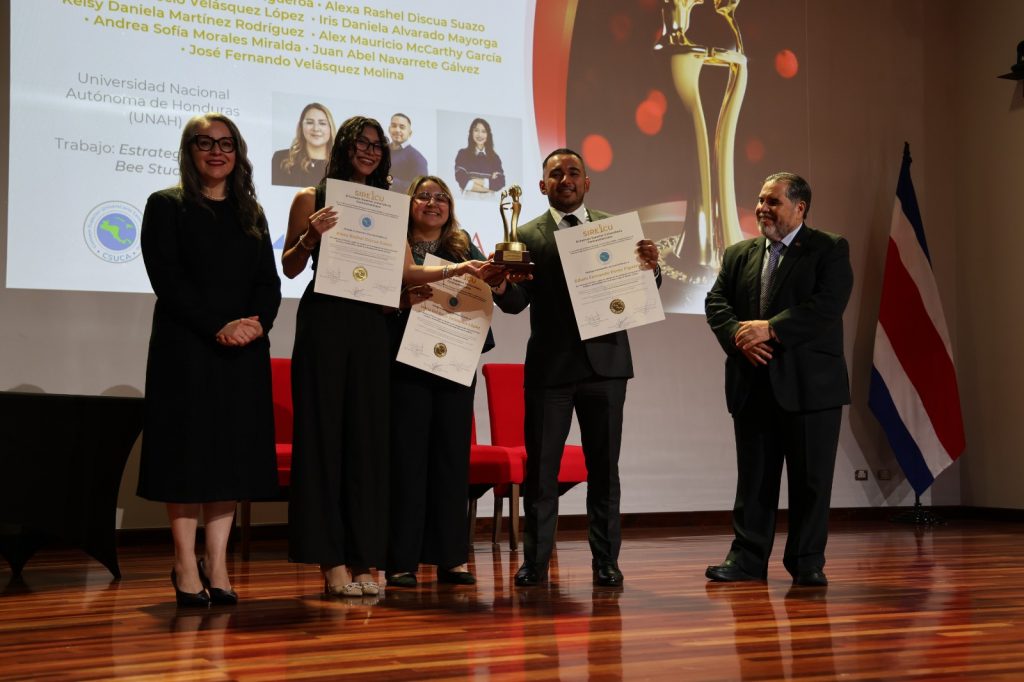
Los reconocimientos abarcaron cuatro grandes áreas de la comunicación universitaria: Periodismo, Relaciones Públicas, Comunicación Digital y Comunicación Gráfica y Publicidad, destacando trabajos de universidades de Costa Rica y Honduras.
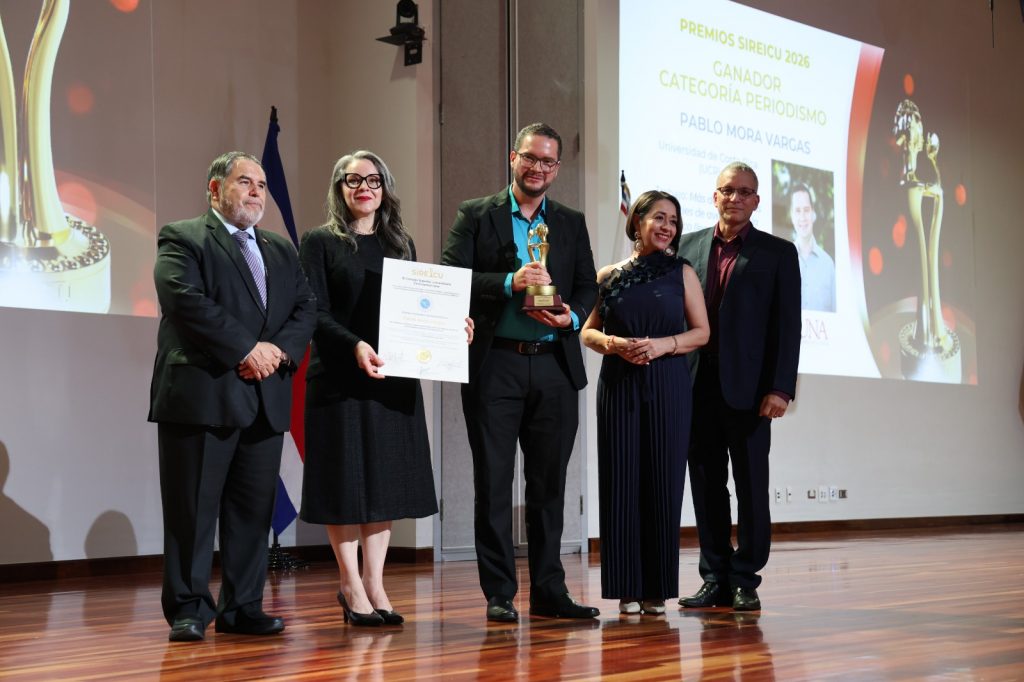
En la categoría de Periodismo, el reconocimiento fue otorgado a Pablo Mora Vargas, de la Universidad de Costa Rica (UCR), por el trabajo “Más del 90 % de las especies de aves en la Isla del Coco llegan desde muy lejos”, presentado en la modalidad de noticia o reportaje escrito.
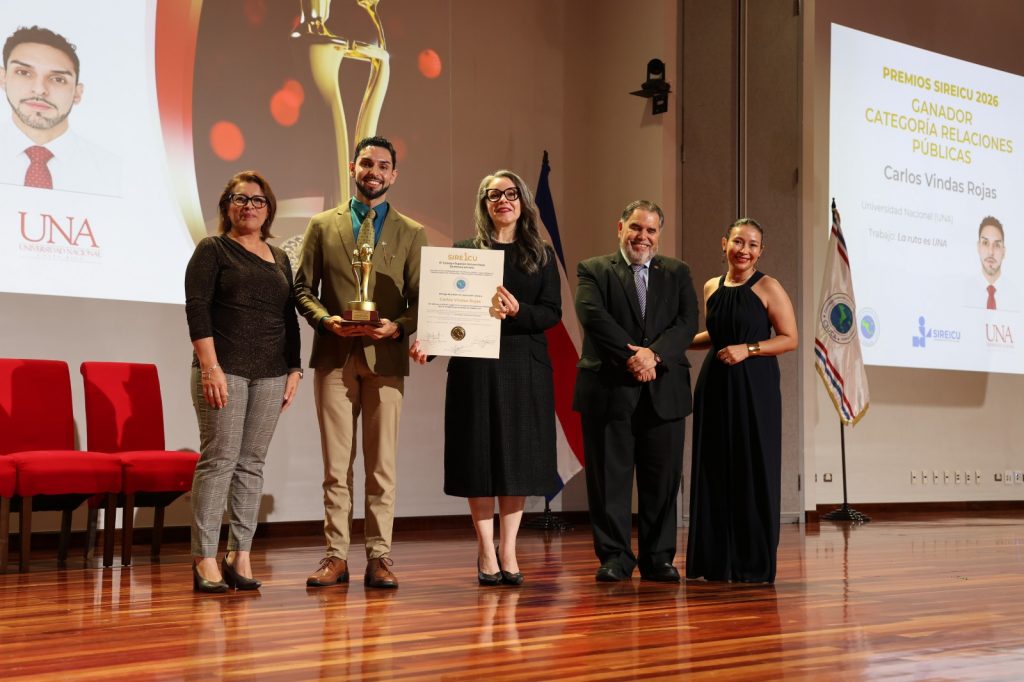
En Relaciones Públicas, fue reconocido Carlos Vindas Rojas, de la Universidad Nacional de Costa Rica (UNA), por la campaña institucional “La ruta es UNA”, una iniciativa desarrollada desde la comunicación universitaria de esta casa de estudios.
Por su parte, en la categoría de Comunicación Digital, el reconocimiento correspondió a Lucía Osorio Torrido, de la Universidad Estatal a Distancia de Costa Rica (UNED), por “Serie Guadalupe Urbina y Max Góldenberg: Multiversos Paralelos”, postulada en la modalidad de contenidos para redes.
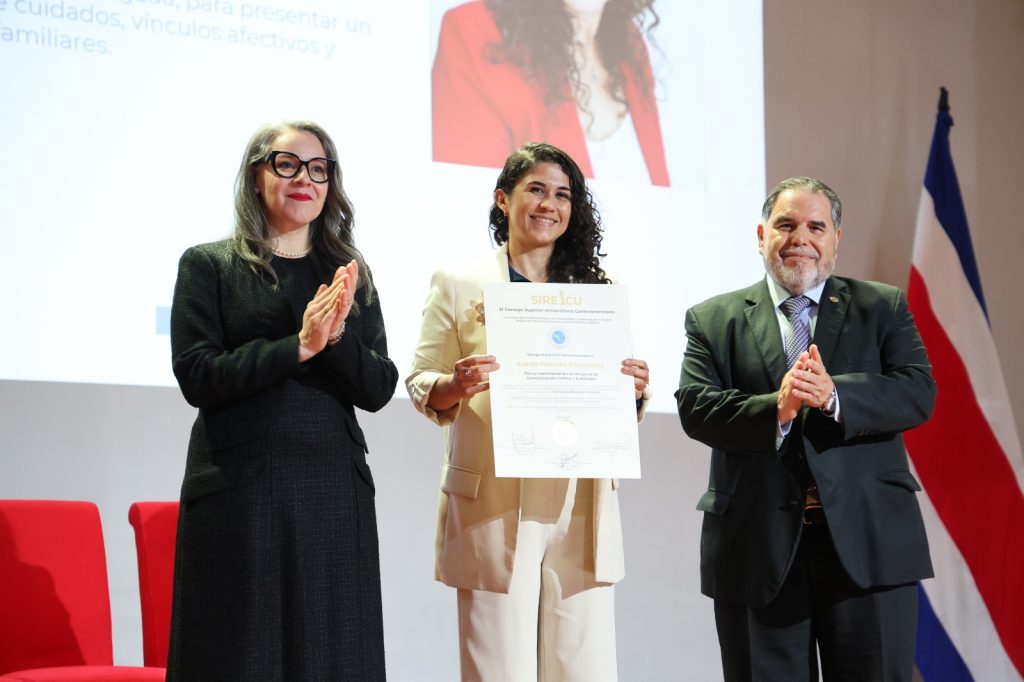
En Comunicación Gráfica y Publicidad, resultó reconocida la Universidad Nacional Autónoma de Honduras (UNAH) con “Estrategia Gráfica Bee Studio”, en la modalidad de Diseño Gráfico. El proyecto fue presentado por Edwin Fernando Pérez Figueroa, junto con Keisy Daniela Martínez Rodríguez, Alexa Rashel Discua Suazo, María del Rocío Velásquez López, Alex Mauricio Mc Carthy García, José Fernando Velásquez Molina, Andrea Sofía Morales Miralda, Iris Daniela Alvarado Mayorga y Juan Abel Navarrete Gálvez.
Un reconocimiento al aporte estratégico de la comunicación
Los Premios SIREICU buscan visibilizar el trabajo que realizan las oficinas y profesionales de comunicación de las universidades miembros del CSUCA y reconocer iniciativas que contribuyen a acercar a la sociedad el conocimiento, la investigación, la cultura, la vinculación y las distintas acciones desarrolladas desde la educación superior pública.
La segunda edición también representa la continuidad de una iniciativa regional orientada a promover el intercambio de experiencias y buenas prácticas entre las instituciones que integran el Sistema, fortaleciendo una comunidad de profesionales de la comunicación universitaria con una visión de cooperación regional.
La premiación se desarrolló en el marco de la XIII Asamblea General del SIREICU, encuentro en el que las universidades trabajaron en temas como la Red y Radio Comunica, las guías de comunicación, el inventario de medios y oficinas de comunicación, las campañas regionales y la construcción de la agenda de trabajo del Sistema.
Durante la Asamblea también se presentó el informe de la segunda edición de los Premios SIREICU y se abordó la programación de la tercera y cuarta entrega de estos reconocimientos, como parte de los acuerdos para dar continuidad y fortalecer la iniciativa.
Con los Premios SIREICU 2026, el CSUCA reafirma la importancia de la comunicación como una función estratégica de las instituciones de educación superior y reconoce el talento de quienes, desde las universidades, contribuyen a contar sus historias, acercar el conocimiento a la sociedad y fortalecer la integración universitaria de Centroamérica y el Caribe.
San José, Costa Rica, 28 de septiembre de 2026
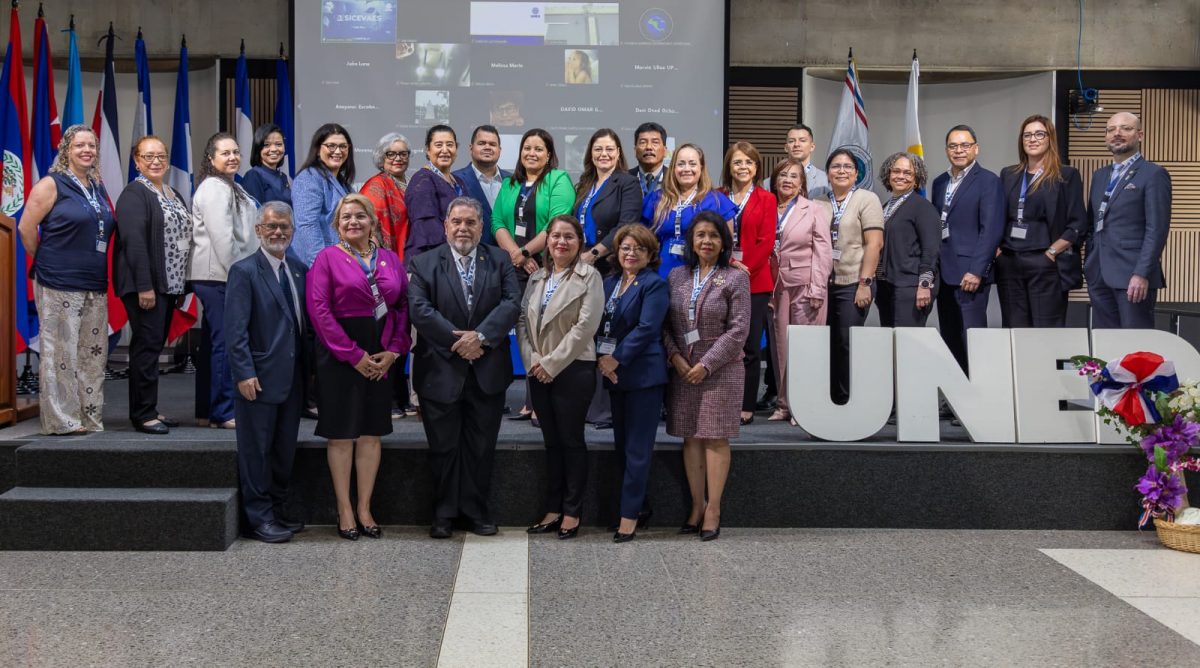
La Secretaría General del Consejo Superior Universitario Centroamericano (CSUCA) participó este lunes en la inauguración de la 61 reunión del Sistema Centroamericano de Evaluación y Armonización de la Educación Superior (SICEVAES), encuentro regional que reúne a autoridades académicas y delegaciones universitarias para fortalecer el trabajo conjunto en materia de calidad, evaluación, armonización y transformación de la educación superior de las universidades que integran la Confederación Universitaria Centroamericana.
La reunión se desarrolla en la Universidad Estatal a Distancia (UNED), en Sabanilla de Montes de Oca, San José, Costa Rica, y contempla sesiones del Comité de Coordinación Regional (CCR) y de la Comisión Técnica (CT), así como espacios académicos y jornadas de trabajo orientadas al seguimiento de los objetivos estratégicos regionales.
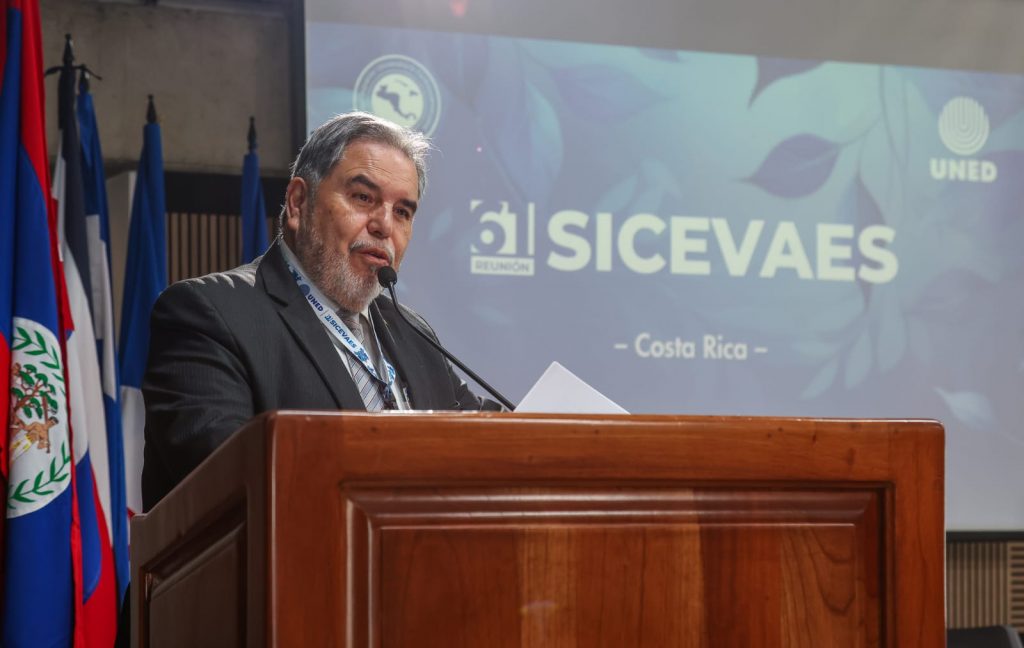
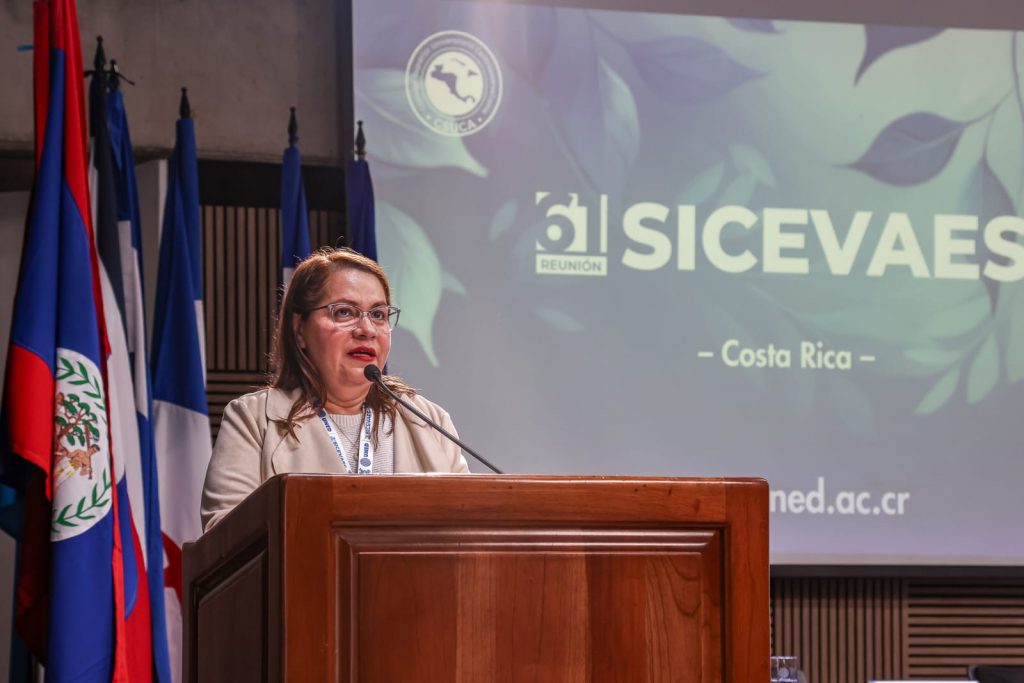
El acto inaugural contó con la participación del MBA. Rodrigo Arias Camacho, rector de la UNED; Dr. Carlos Guillermo Alvarado Cerezo, secretario general del CSUCA; Dra. Evelyn Beatriz Farfán Mata, vicerrectora académica de la Universidad de El Salvador y presidenta del SICEVAES; y Dra. Mildred Acuña Sossa, vicerrectora de Docencia de la UNED.
Durante la bienvenida, la Dra. Mildred Acuña Sossa destacó el valor de estos encuentros para reconocer a Centroamérica y el Caribe como una región que comparte desafíos, una historia de cooperación y una profunda convicción sobre el papel transformador de la educación superior. Señaló que las universidades enfrentan retos relacionados con la calidad y pertinencia académica, la ampliación de las oportunidades de acceso, la diversidad de las trayectorias estudiantiles, el fortalecimiento de la formación docente y el aprovechamiento responsable de las tecnologías y las nuevas formas de aprendizaje.
Por su parte, la Dra. Evelyn Beatriz Farfán Mata, quien participa en su primera reunión desde que asumió la presidencia del SICEVAES, resaltó la responsabilidad de las vicerrectorías académicas y de docencia de avanzar conjuntamente hacia una educación superior pública de calidad, pertinente y con compromiso social. Asimismo, enfatizó la importancia de responder de manera articulada a los desafíos académicos, científicos, sociales, tecnológicos y ambientales de la región, en un contexto de transformaciones que demanda reflexionar sobre el futuro de las universidades y de la educación superior.
El MBA. Rodrigo Arias Camacho, rector de la UNED, señaló que la Reunión 61 representa una oportunidad para reafirmar el compromiso regional con una educación superior de calidad, pertinente, inclusiva y vinculada con las necesidades de cada país. Destacó que la evaluación y la acreditación no deben entenderse únicamente como procesos técnicos o administrativos, sino como expresión del compromiso institucional con el mejoramiento continuo. Asimismo, subrayó la importancia de fortalecer las alianzas regionales para responder a las transformaciones económicas, sociales y tecnológicas que plantean nuevos escenarios para las universidades.
El MSc. Carlos Guillermo Alvarado Cerezo, secretario general del CSUCA, reconoció la trayectoria y contribución del SICEVAES al fortalecimiento de la calidad, la evaluación y la armonización de la educación superior regional, mediante la construcción de referentes comunes, el intercambio de experiencias entre las instituciones y el desarrollo de una visión regional sustentada en la cooperación, el mejoramiento continuo y el reconocimiento de la diversidad de los sistemas educativos.
Asimismo, el MSc. Carlos Alvarado Cerezo, destacó las profundas transformaciones que atraviesa actualmente la educación superior, entre ellas la acelerada evolución tecnológica, las nuevas modalidades de aprendizaje y la necesidad de ofrecer trayectorias formativas más flexibles, requieren respuestas conjuntas. En este sentido, enfatizó que la transformación educativa no consiste únicamente en incorporar nuevas tecnologías o modalidades de enseñanza, sino también en fortalecer las capacidades del personal académico, generar condiciones para la innovación, garantizar la accesibilidad y procurar que cada cambio contribuya efectivamente a mejorar los aprendizajes y ampliar las oportunidades de formación.
Una agenda regional para la calidad y la transformación
Durante esta reunión, se abordarán temas vinculados con la capacitación docente como estrategia para la promoción de la calidad, la virtualización universitaria con enfoque sistémico, el aprendizaje a lo largo de la vida, la producción de materiales didácticos en contextos de automatización y autogestión, las microcredenciales y el Marco de Cualificaciones.
La agenda contempla además la revisión y posible reorganización de las comisiones responsables del impulso y seguimiento de los objetivos estratégicos del Programa 3 del PIRESC V, así como el trabajo de las comisiones permanentes y la planificación de actividades preparatorias del X Congreso Universitario Centroamericano durante el período 2026-2027.
En este marco, el secretario general del CSUCA destacó la relevancia de los aportes que realizará el SICEVAES al X Congreso Universitario Centroamericano, cuya plenaria se desarrollará del 19 al 22 de octubre de 2027 en Honduras, como un espacio para reflexionar sobre el rumbo de la educación superior pública en Centroamérica y el Caribe y construir, de manera conjunta y participativa, las prioridades que orientarán el trabajo de la Confederación Universitaria Centroamericana durante los próximos años.
Como parte de las jornadas también se presentará el Informe de la Secretaría General del CSUCA, a cargo del MSc. Carlos Guillermo Alvarado Cerezo, y se desarrollarán sesiones de trabajo por objetivos, cuyos resultados serán posteriormente presentados y discutidos por las comisiones del SICEVAES.
La 61 asamblea del SICEVAES constituye un espacio para fortalecer la articulación y cooperación entre las universidades públicas de Centroamérica y el Caribe, compartir experiencias y construir respuestas conjuntas ante los desafíos actuales de la educación superior, con énfasis en la calidad académica, la innovación, la armonización regional y el mejoramiento continuo.

The Secretary General of the Central American Higher University Council (CSUCA), MSc. Carlos Alvarado Cerezo, participated in the academic space “University Higher Education, state of the situation and current debates in the regional context” organized by the Federation of Unions of University Teachers of South America (FESIDUAS), Argentina, in which he addressed the main challenges and opportunities of higher education, academic quality and research from the perspective of regional university integration.
During his speech, Alvarado Cerezo highlighted the importance of strengthening the role of universities in the face of the social, economic, environmental, scientific and technological transformations that the region is undergoing, noting that these challenges also represent opportunities to influence the development of societies characterized by a great wealth of culture and knowledge, but which still face profound inequalities.
In this context, he highlighted the commitment of the Central American University Confederation to regional integration and the articulation of the 30 member universities of CSUCA, their systems, programs and projects, aimed at contributing to the solution of common problems, strengthening comprehensive training, promoting academic mobility and linking universities with society and the State.
He also referred to the Fifth Plan for the Regional Integration of Higher Education in Central America and the Dominican Republic (PIRESC V) as an instrument that guides regional work in the face of the challenges of higher education, through strategic objectives, lines of action and indicators of achievement that involve university authorities, teachers, researchers, students and administrative staff.
Relevant, inclusive, and quality higher education
The Secretary General emphasized that higher education institutions are called upon to respond to a new reality that demands the development of skills, lifelong learning, project-based methodologies and new technologies for learning, as well as a transformation in the roles of teachers, students and educational leaders.
From this perspective, he highlighted the responsibility of universities to promote knowledge, education, science, technology, art, culture and wisdom as tools to contribute to building more just, equitable and sustainable societies.
Regarding academic quality, he pointed out that it cannot be conceived in isolation from the realities of communities, but must be linked to the relevance of education, social needs, integration, respect for cultural diversity, and inclusion. He also highlighted the challenge of leveraging the opportunities offered by technology, ensuring that its development contributes to reducing existing inequalities.
Research and innovation for regional development
Another central theme of the presentation was the role of scientific, humanistic, and cultural research, innovation, and technological development as fundamental elements for the well-being of societies. In this regard, Alvarado Cerezo emphasized that higher education must become one of the driving forces for moving toward a knowledge-based society.
He also highlighted the need to strengthen internationalization and intraregional mobility, promoting a vision that fosters cooperation among the countries of the region and greater coordination between education, governments, and the public and private sectors.
The Secretary General also emphasized the need to put research, science and technology at the service of people, as well as to work together in the formulation of public policies and regional priorities capable of responding to new social and economic scenarios.
Finally, he highlighted as fundamental principles guaranteeing the right to higher education with equal opportunities, ensuring that no student is left behind, strengthening educational pathways, taking advantage of the lessons learned from the use of technologies, and generating greater resilience capacities in higher education systems.
The participation of MSc. Carlos Alvarado Cerezo reaffirms CSUCA's commitment to strengthening relevant, inclusive, and quality regional higher education, and to promoting research, innovation, and university cooperation as fundamental tools to contribute to the sustainable development of Central America and the Dominican Republic.

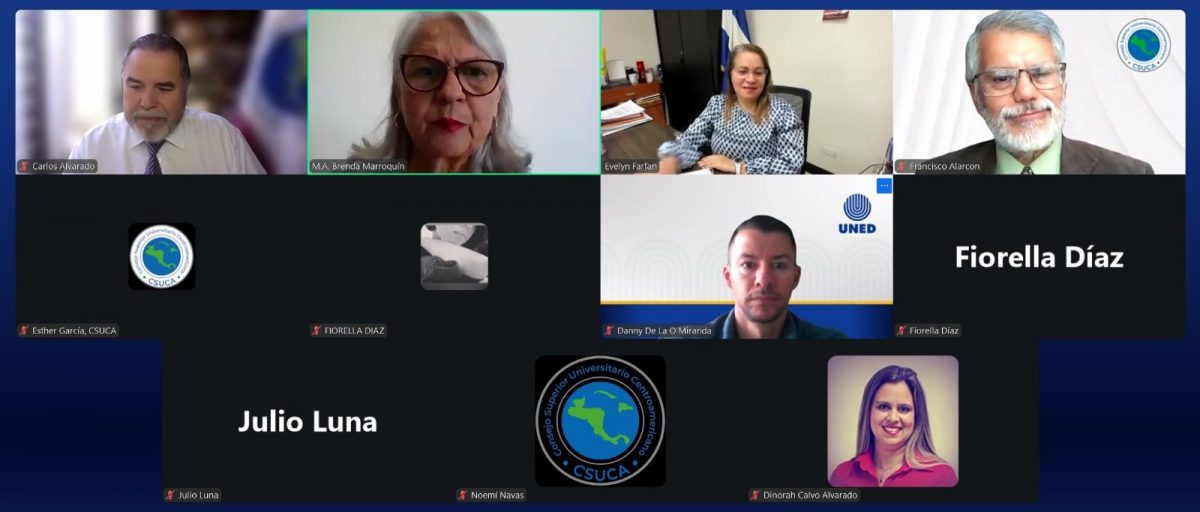
Following the various actions of the Presidency of the Central American Higher University Council, the University of El Salvador (UES) assumed the presidency of two systems that make up the CSUCA, as part of the institutional change that gives continuity to the joint work of the public universities of Central America and the Caribbean, in matters of evaluation and harmonization of higher education, research and postgraduate studies.
The transfers correspond to the Central American System for Evaluation and Harmonization of Higher Education (SICEVAES) and the Central American and Caribbean Regional System for Research and Postgraduate Studies (SIRCIP), whose presidencies were held by representatives of the University of San Carlos of Guatemala (USAC).
In both events, the Secretary General of CSUCA, MSc. Carlos Alvarado Cerezo, reaffirmed the General Secretariat's commitment to supporting the new presidencies and continuing to strengthen the collaborative work of the region's universities. He emphasized the importance of maintaining the systems' agendas as spaces for cooperation and regional integration, aimed at strengthening the quality of higher education, research, human talent development, and generating responses to the challenges facing Central America and the Caribbean.
SICEVAES: continuity of the regional commitment to the quality of public higher education
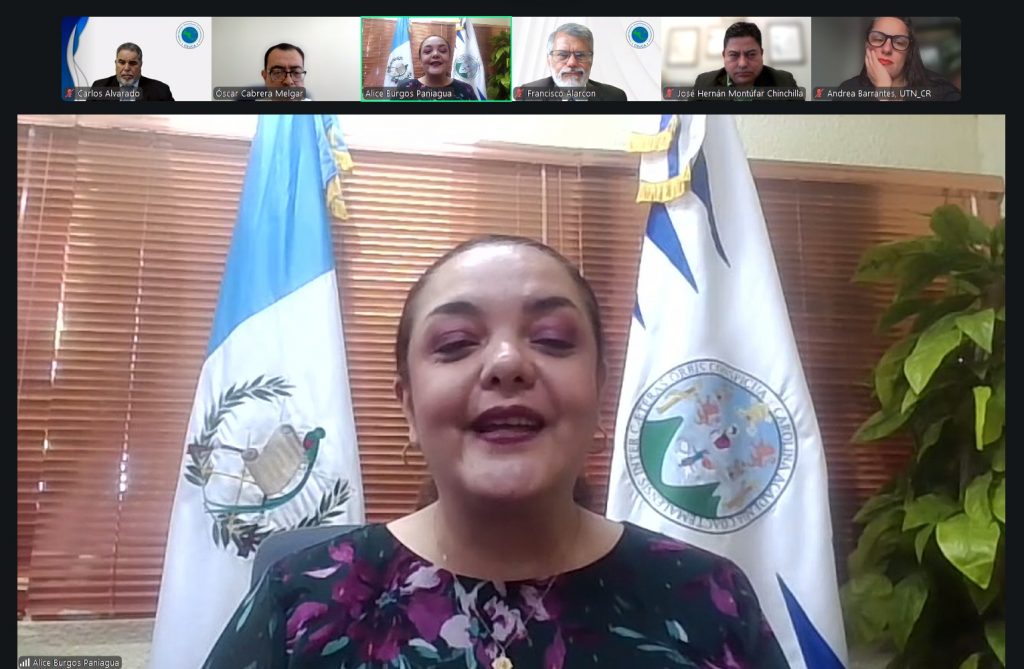
MA Brenda Marroquín, Director of Teaching at USAC, handed over the Presidency of SICEVAES to Dr. Evelyn Farfán, Academic Vice-Rector of UES, who will be in charge of the system during the period July 2026–June 2027.
At the conclusion of her term, MA Brenda Marroquín highlighted the progress achieved in academic harmonization, quality assurance, and regional academic integration, and reaffirmed that the quality of higher education constitutes an ethical, social, and regional commitment. In this regard, she called for continued strengthening of cooperation, the exchange of experiences, and the building of agreements, emphasizing that quality must be consolidated as an institutional culture based on continuous improvement, innovation, transparency, and social commitment.
For her part, Dr. Evelyn Farfán thanked the previous administration for its work and expressed her commitment to continue promoting joint actions to achieve the objectives of SICEVAES.
Among the processes that the new Presidency will oversee is the preparation of the 10th Central American University Congress, to be held from October 19 to 22, 2027, in Tegucigalpa, Honduras. SICEVAES will play a significant role in this process, which will allow for the evaluation of progress on the Fifth Plan for the Integration of Higher Education in Central America and the Dominican Republic (PIRESC V) and the development of proposals to address the current transformations and challenges in higher education.
SIRCIP: an active system with a regional agenda underway
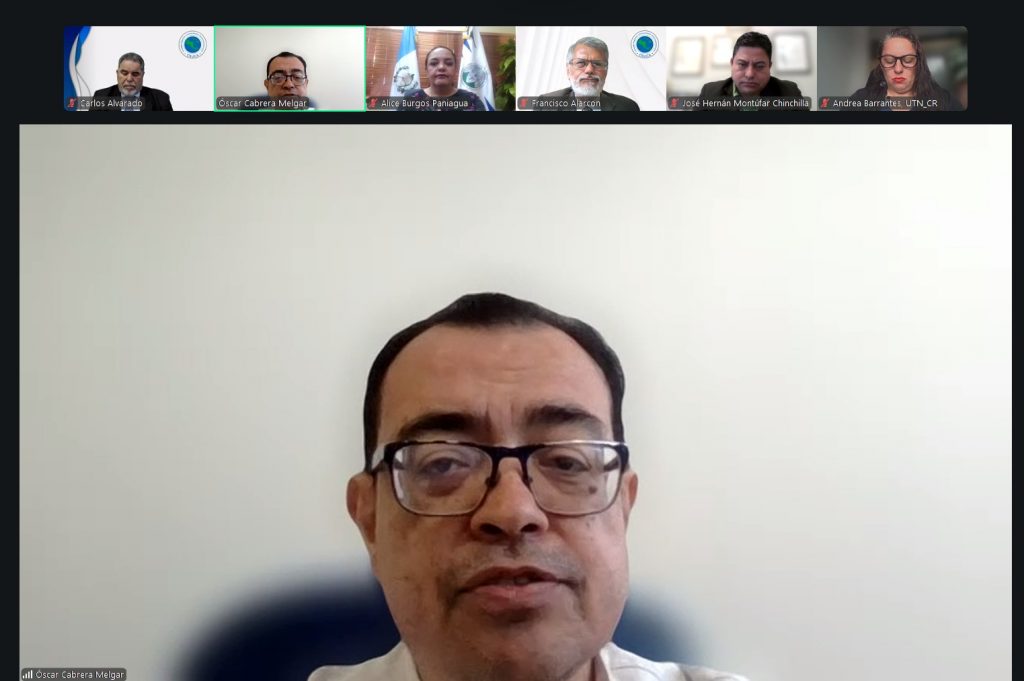
Dr. Alice Burgos Paniagua, from USAC, handed over the Presidency of SIRCIP to Dr. Óscar Ovidio Cabrera Melgar, Postgraduate Secretary of UES, who assumed leadership of the system for a period of one year.
Upon handing over the Presidency, Dr. Alice Burgos highlighted that the new administration is receiving an active system, with a defined regional agenda, important agreements underway, and a university community willing to continue working collectively.
Among the advances achieved during his administration, he highlighted the Regional Research and Postgraduate Agenda; the CRIS-CSUCA Regional Strategy for university scientific management; the strengthening of regional postgraduate programs; the development of the Regional Observatory of Scientific Research and Postgraduate Programs; as well as the work on the ethical and responsible use of artificial intelligence in research.
Dr. Alice Burgos highlighted that these advances are the result of the collective and coordinated work of the universities, which allows the region to expand its capacity to research, train, innovate and transform.
Upon assuming the Presidency, Dr. Óscar Cabrera reaffirmed the UES's commitment to research, science, and postgraduate studies as pillars for addressing the region's needs. For this new phase, he outlined three priorities: strengthening regional research focused on challenges such as climate change, food security, public health, governance, and social equity; enhancing postgraduate programs and advanced training; and strengthening internationalization and cooperation with international research networks.
The transition continues in the CSUCA systems
The transfers of the presidencies of SICEVAES and SIRCIP are part of the institutional succession process derived from the CSUCA Presidency, which is currently held by the University of El Salvador, under the leadership of its Rector, M.Sc. Juan Rosa Quintanilla.
As part of this process, the transfer of the presidencies of the Central American Higher Education Internationalization System (SIESCA) and the Regional University Information and Communication System (SIREICU) is still pending. In the case of the latter, the transfer will take place during the XIII SIREICU General Assembly.
These changes allow for continuity in the work agendas of the systems and strengthen the articulation of member universities around the priorities of higher education in Central America and the Caribbean.
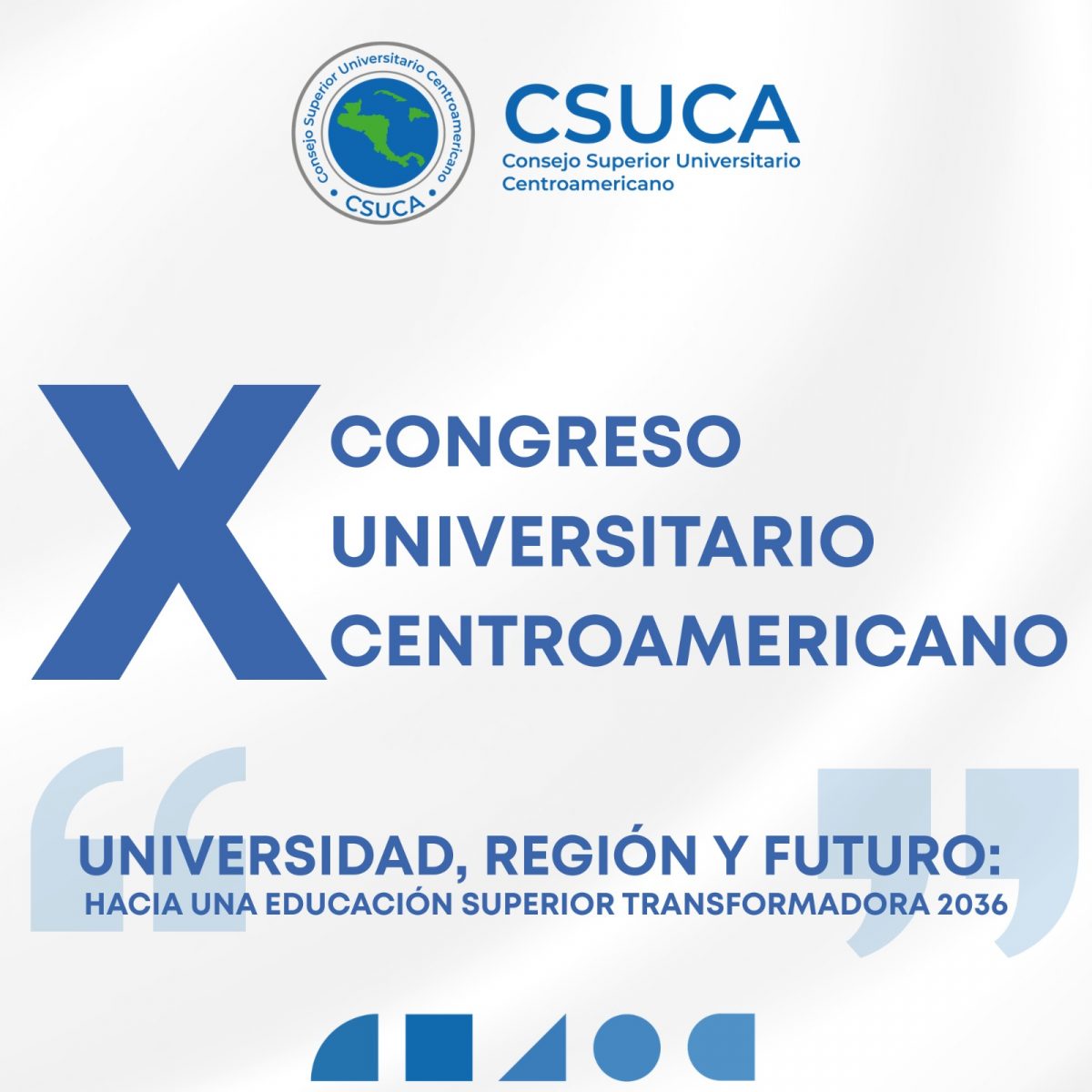
The Central American Higher University Council (CSUCA), during its 128th Ordinary Session, approved the call for the 10th Central American University Congress (10 CUC), initiating the process of organizing one of the main regional spaces for analysis, reflection and construction of proposals of the Central American University Confederation, which will guide the future of higher education in Central America and the Caribbean with a vision towards the year 2036.
Under the motto “University, region and future: towards a transformative higher education 2036”, the X Central American University Congress will promote a broad process of academic and strategic reflection that will allow the evaluation of the progress of the Fifth Plan for the Integration of Higher Education of Central America and the Dominican Republic (PIRESC V) and build collaborative proposals that respond to the academic, scientific, social, technological and environmental challenges that the region faces.
The Central American University Congress is held every five years and is the main meeting place for the higher education institutions that are members of the Central American University Confederation to analyze the progress of university integration, strengthen regional cooperation and define the priorities that will guide the development of higher education during the next decade.
Honduras will host the 10th Central American University Congress
As part of the agreements reached in that session, the plenary unanimously approved that the Francisco Morazán National Pedagogical University (UPNFM), of Honduras, be the host institution of the X Central American University Congress, with the support of the National Autonomous University of Honduras (UNAH), the National University of Agriculture (UNAG) and the National University of Forest Sciences (UNACIFOR), consolidating a joint effort of the Honduran public universities for the organization of this important regional meeting.
The formation of the Organizing Committee was also approved. This committee comprises the President of CSUCA, the General Secretariat of CSUCA, the Rector of UPNFM (the host university), the rectors of the Honduran public universities participating in the organization, and two student representatives appointed by the Federation of University Students of Central America (FEUCA). Similarly, the formation of an Academic Committee was agreed upon. This committee will be made up of the presidents of CSUCA's regional systems, and its convening will be coordinated by the Academic Directorate of the General Secretariat of CSUCA.
The preparatory process includes pre-congress activities during the first half of 2027, which will foster spaces for analysis, dialogue, and the development of proposals from universities and the regional systems of the CSUCA (Central American University Council). The Final Plenary of the 10th Central American University Congress will take place from October 19 to 22, 2027, bringing together university authorities, student representatives, academic staff, and specialists to define the strategic guidelines that will strengthen regional public higher education with a vision toward 2036.
With the approval of this call, CSUCA reaffirms its commitment to university integration and the collective construction of a regional agenda that strengthens public higher education, promotes cooperation among universities, and contributes to the sustainable development and well-being of the peoples of Central America and the Caribbean.

Tegucigalpa, Honduras, July 31, 2026.
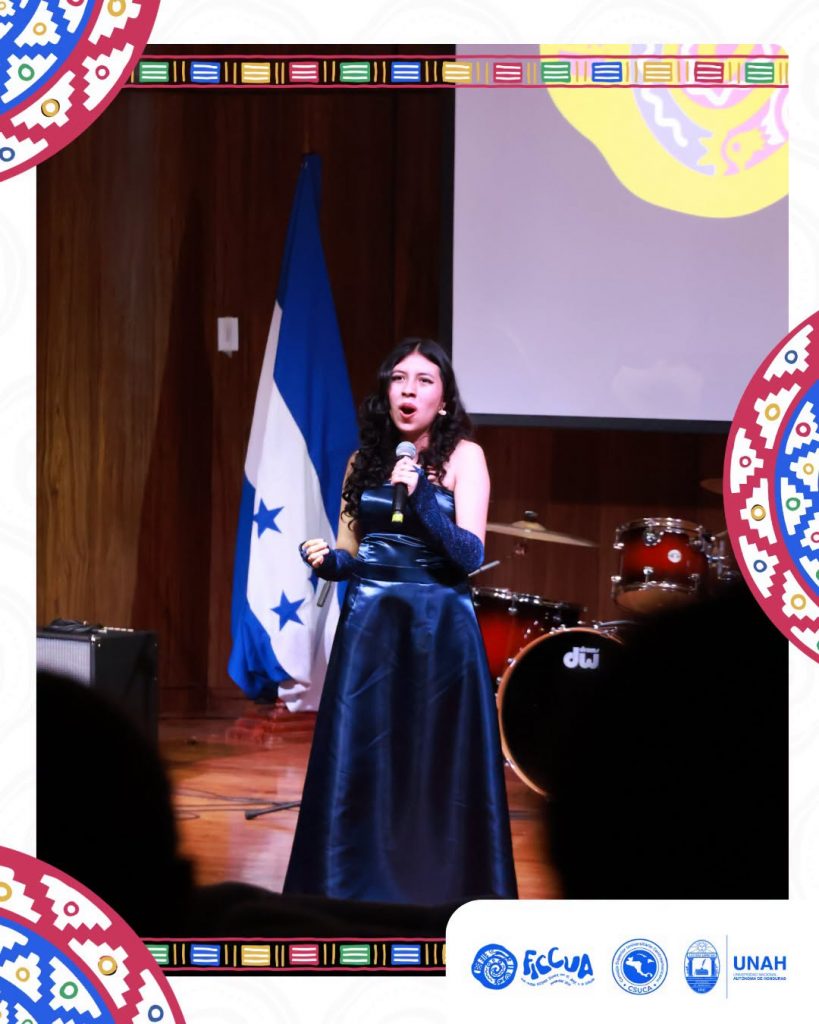
The Central American Higher University Council (CSUCA) successfully concluded the XIII edition of the Central American Interuniversity Festival of Culture and Art (FICCUA 2026), held from July 27 to 31 at the National Autonomous University of Honduras (UNAH), consolidating this space as the main regional meeting of art, culture and university integration in Central America and the Caribbean.
For five days, hundreds of student artists from public universities in the region shared stages, experiences, and cultural expressions that reflected the richness, diversity, and identity of the Central American and Caribbean peoples, promoting exchange between university communities and strengthening the cooperative ties that distinguish CSUCA.

The opening ceremony brought together university authorities from the region, who emphasized the role of art and culture as fundamental pillars of students' holistic education and as tools for strengthening regional identity, coexistence, and integration among public universities. The Festival began with a colorful parade of artistic delegations and the presentation of the opening work, "Tierra Viva" (Living Earth), a performance inspired by the rich Honduran culture and the diversity that characterizes Central America and the Caribbean.
Throughout the Festival, more than 1,100 student artists, from 12 public universities in Panama, Guatemala, El Salvador, Costa Rica and Honduras, participated in presentations of dance, music, theater, visual arts and other cultural manifestations, reaffirming the commitment of higher education institutions to the promotion of art, creativity and cultural heritage as essential components of university education.
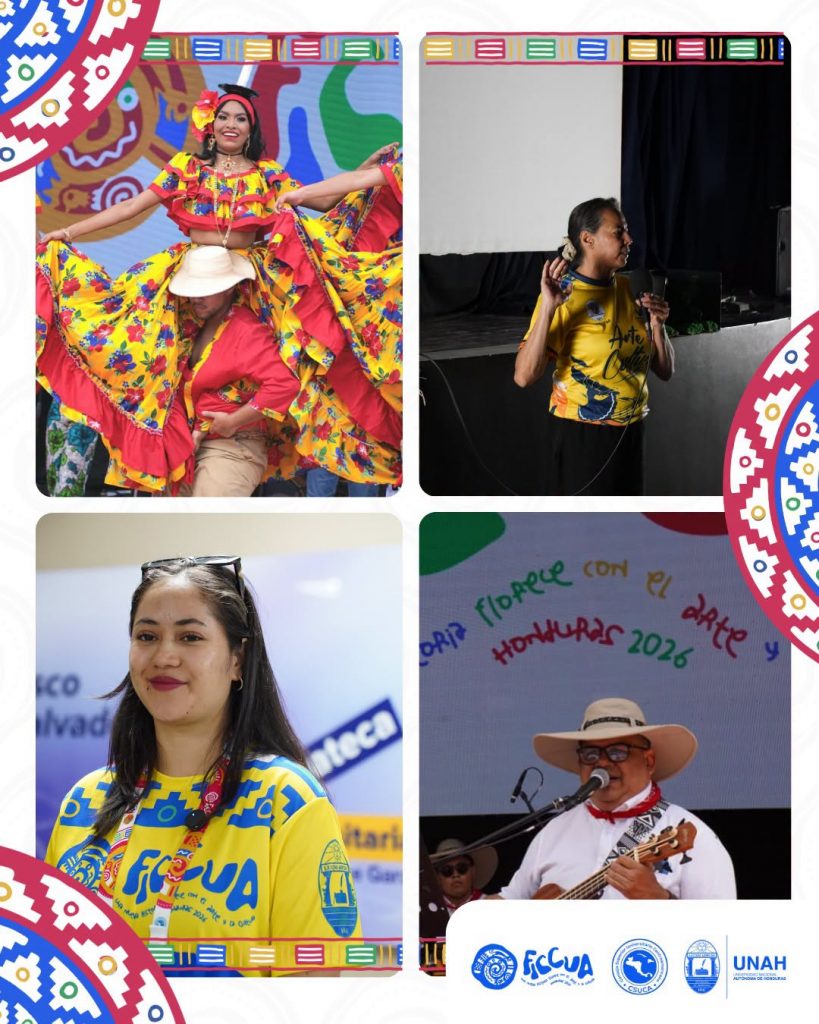
As one of the flagship programs of the CSUCA Regional Student Life System (SIREVE), FICCUA continues to consolidate itself as a space that transcends the scenarios, by strengthening the sense of regional belonging, respect for cultural diversity and the exchange between university communities, contributing to the construction of a more integrated Central America and Caribbean from public higher education.
The Festival coincided with the One Hundred and Twenty-Eighth Ordinary Session of the CSUCA and the Summit of Rectors, making Honduras the meeting point for important academic, cultural and regional integration spaces that reaffirmed the commitment of public universities to the development of higher education and university cooperation.
At the close of this thirteenth edition, CSUCA announced that the XIV edition of the Central American Interuniversity Festival of Culture and Art (FICCUA) will take place in 2028, hosted by the University of San Carlos of Guatemala (USAC), which will welcome the regional university community to continue this space that, edition after edition, strengthens the integration of Central America and the Caribbean through art, culture and student life.

 English
  Español de Guatemala