CSUCA accompanied UNACIFOR in the launch of its institutional self-evaluation process for accreditation purposes

Siguatepeque, Honduras, July 31, 2026

The Central American Higher University Council (CSUCA), through the Central American System for Evaluation and Harmonization of Higher Education (SICEVAES), accompanied the National University of Forest Sciences (UNACIFOR), of Honduras, in the official launch of its Institutional Self-Evaluation Project with a view to accreditation, an initiative that reaffirms the institution's commitment to strengthening the quality and continuous improvement of higher education.

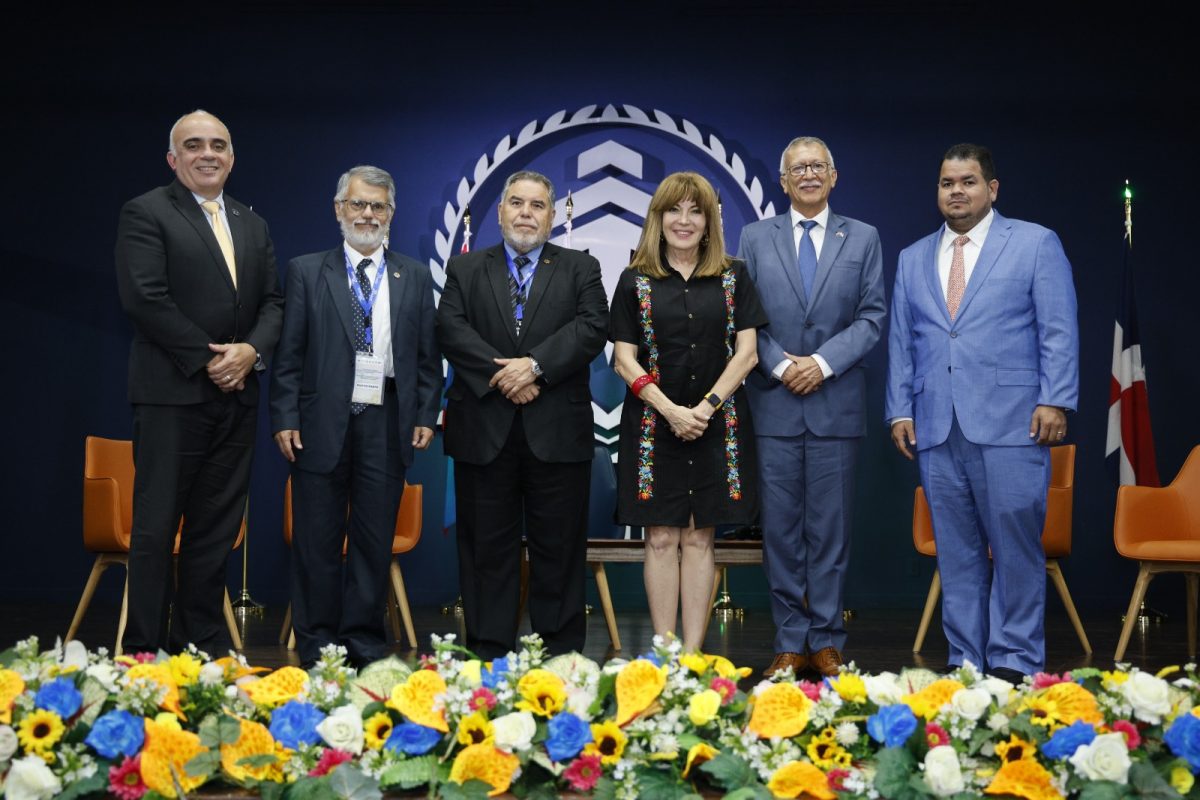
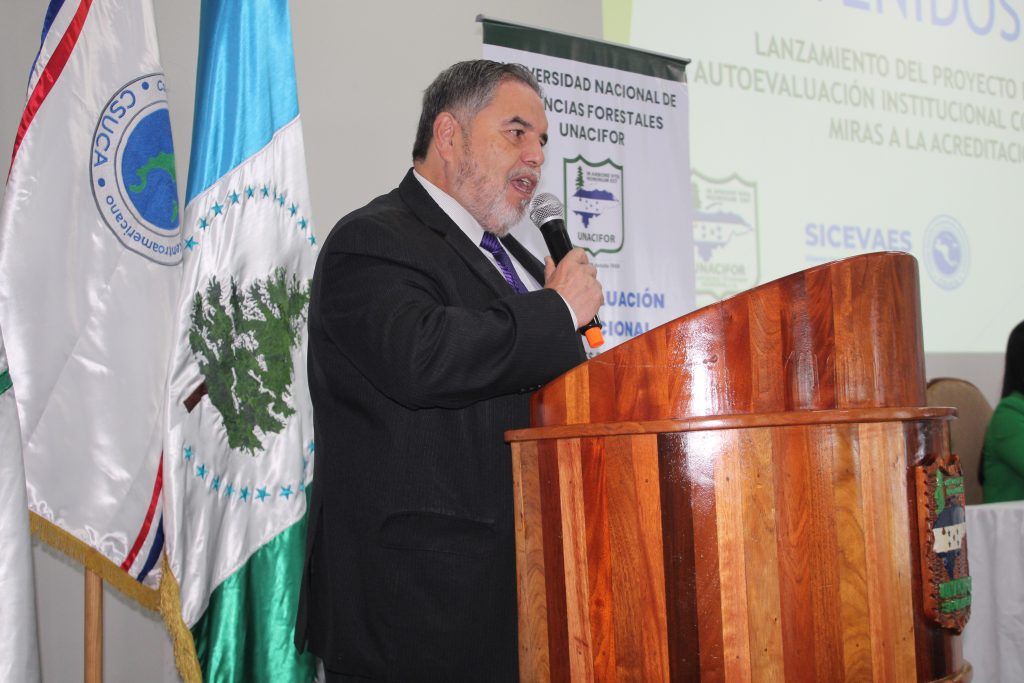
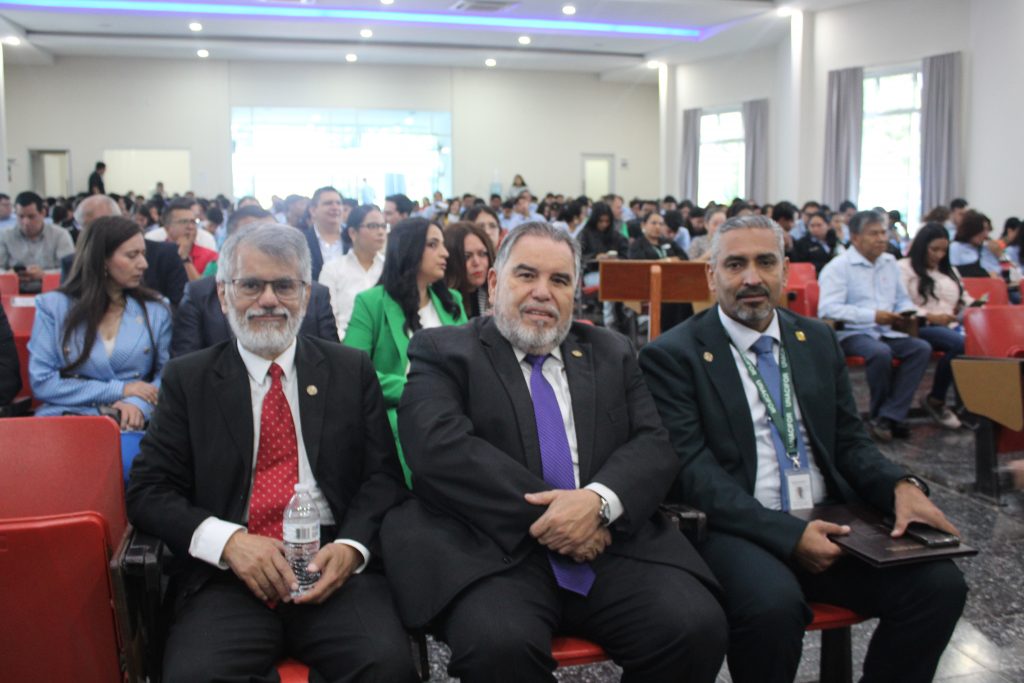
The activity took place on July 31, 2026 under the motto "All together for continuous improvement" and was attended by the Secretary General of CSUCA, Dr. Carlos Alvarado Cerezo, accompanied by a technical team from the General Secretariat of CSUCA, as well as university authorities, academic and administrative staff and students from UNACIFOR.

During his address, the Secretary General of CSUCA emphasized that initiating an evaluation and accreditation process represents much more than fulfilling an institutional requirement, as it entails a commitment to objectively reviewing academic, administrative, and management processes to strengthen a culture of continuous improvement. He also acknowledged UNACIFOR's decision to undertake this process and expressed his gratitude for the trust placed in CSUCA to provide technical support through SICEVAES.
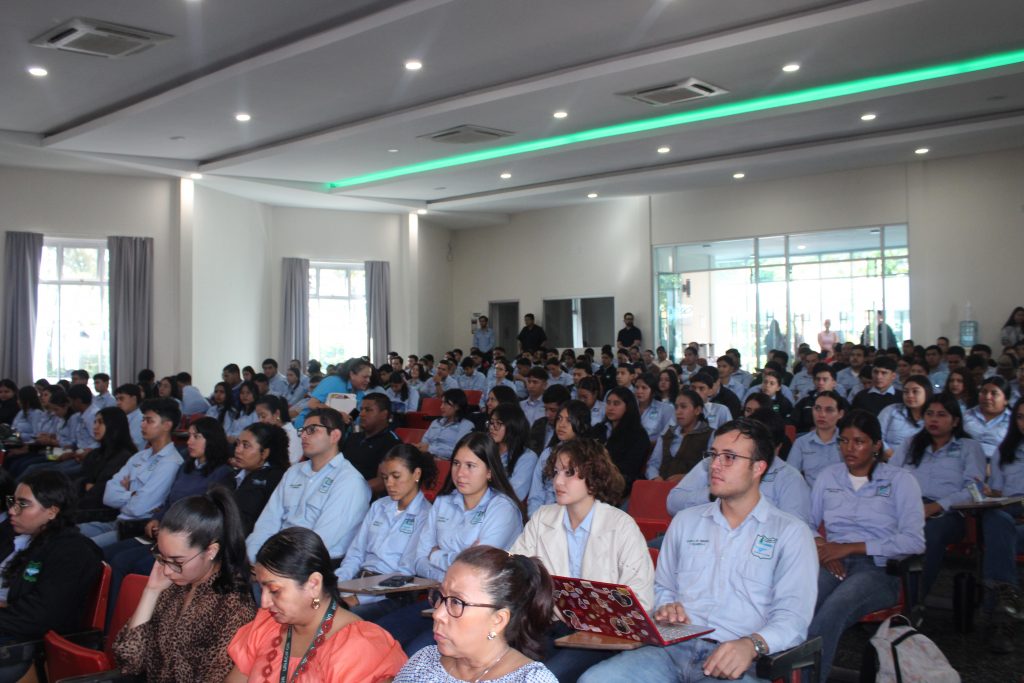
Dr. Alvarado Cerezo also emphasized that the quality of higher education is a strategic pillar for ensuring relevant training, strengthening research, promoting innovation, and contributing to the sustainable development of the region's countries. In this context, he reaffirmed that SICEVAES has consolidated its role as a regional leader in promoting evaluation and accreditation processes based on academic cooperation and ongoing technical support for higher education institutions.

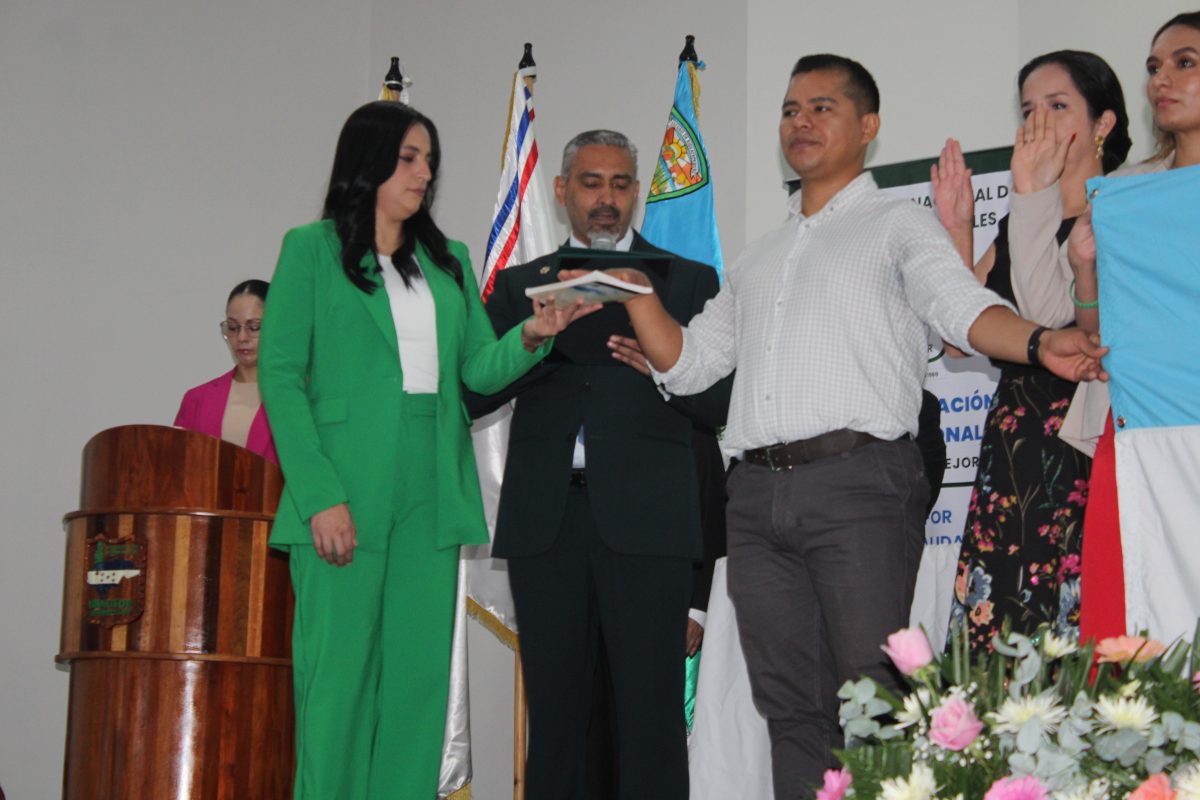
As part of the formal ceremony, the UNACIFOR authorities officially launched the process and swore in the Institutional Self-Evaluation Commission (Institutional Quality Committee), the body responsible for leading this participatory effort towards institutional accreditation.

The day also included the keynote address “Institutional Self-Assessment for Improvement Purposes,” given by M.Sc. Noemí Luz Navas Martínez, Executive Secretary of the Academic Area of CSUCA, who shared her experience in quality assurance in higher education and highlighted the importance of self-assessment as a tool for institutional strengthening.
 

As the closing of the event, the UNACIFOR Evaluation and Accreditation Directorate officially presented the project logo, a symbol that will identify the self-evaluation process during the different stages of implementation.

With this support, CSUCA, through SICEVAES, reaffirmed its commitment to continue strengthening the quality of public higher education in Central America and the Caribbean through evaluation processes, accreditation, academic cooperation and institutional innovation, contributing to the development of increasingly solid universities committed to the needs of their societies.
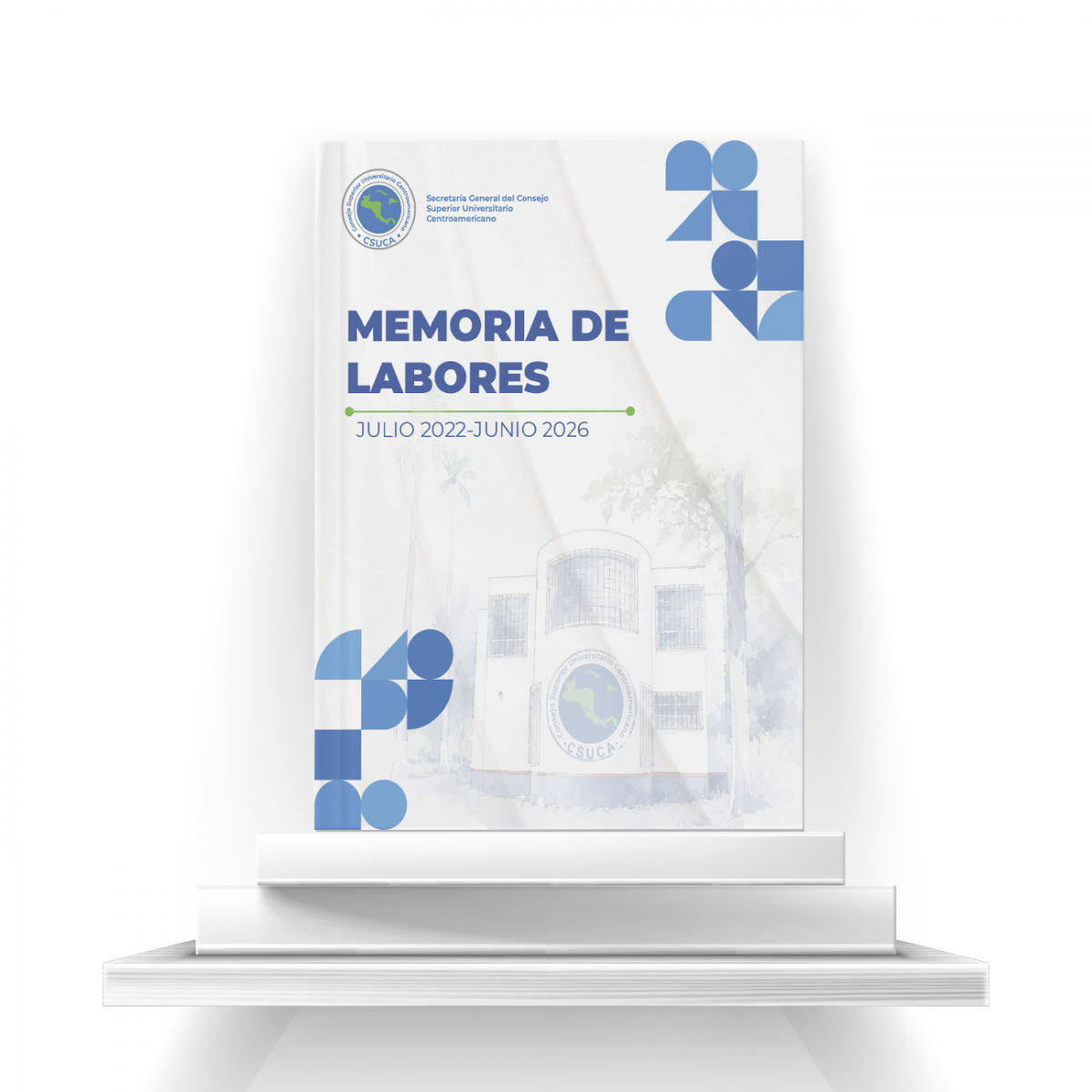
Annual Report 2022 – 2026

The 2022–2026 Activity Report of the Central American Higher University Council (CSUCA) This document presents a summary of the main achievements, progress, and actions undertaken during the management period. It highlights the strengthening of regional integration among Central American public universities, the promotion of scientific research, innovation, internationalization, and the digital transformation of higher education. Furthermore, it underscores CSUCA's commitment to academic quality, inter-university cooperation, and its contribution to the region's sustainable development through programs and projects with regional impact.

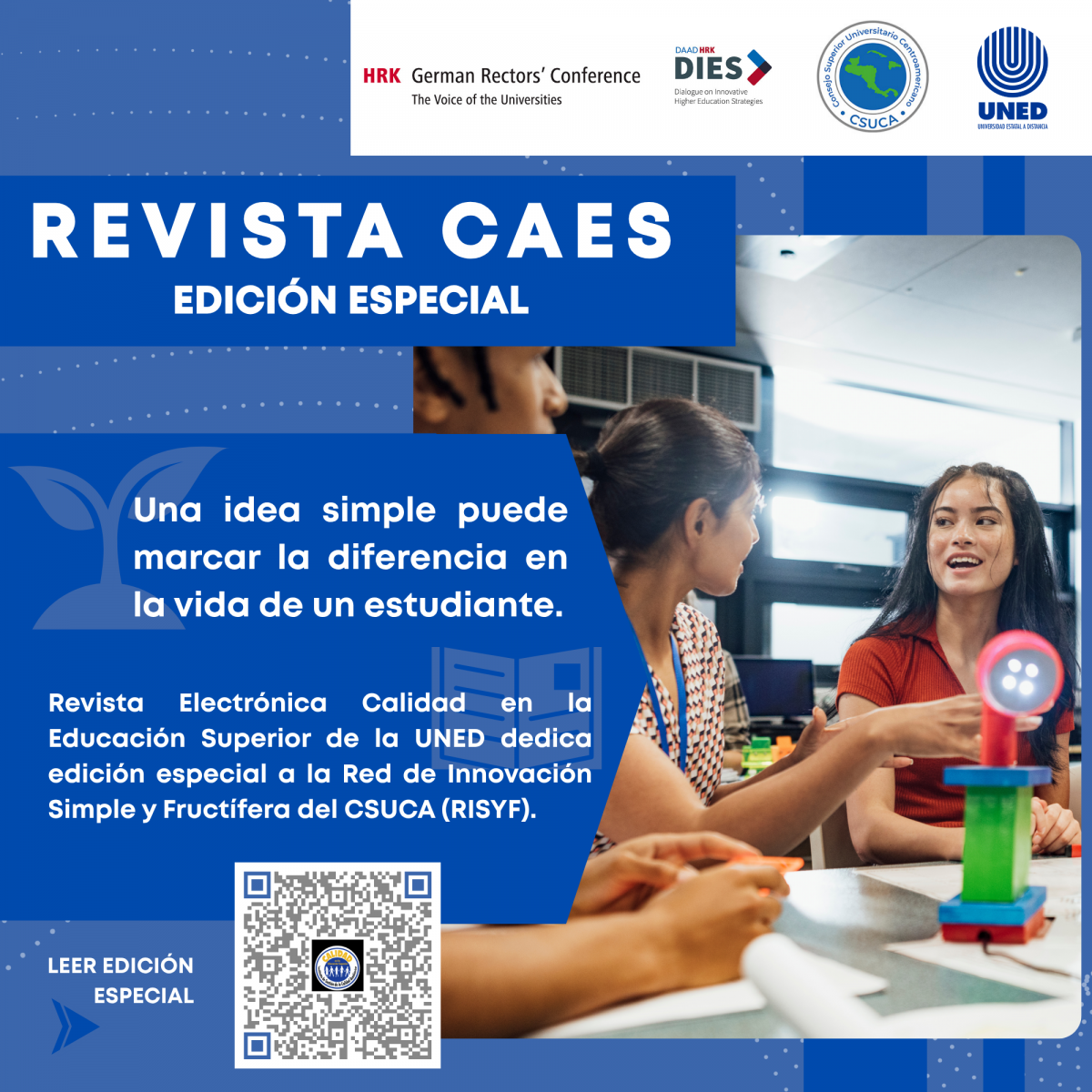
The UNED Electronic Journal of Quality in Higher Education dedicates a special edition to the CSUCA Simple and Fruitful Innovation Network

As a result of the collaborative work promoted by the Central American Higher University Council (CSUCA) to strengthen innovation and quality in higher education in the region, the Electronic Journal Quality in Higher Education (CAES), from the Institute of Academic Quality Management (IGESCA) of the State Distance University (UNED) of Costa Rica, presented a special edition developed in conjunction with the Simple and Fruitful Innovation Network (RISYF) of CSUCA.

The publication, entitled “Quality Management Processes, Excellence and Academic Innovation in Higher Education Institutions in Central America”, brings together fifteen academic articles prepared by specialists from the region, who share research, experiences and proposals aimed at responding to the contemporary challenges of higher education.

The works address strategic themes such as curriculum transformation, quality management and evaluation, the use of educational technologies, artificial intelligence applied to teaching and learning processes, the administration of virtual platforms, the internationalization of learning, and the design of more participatory, inclusive, and innovative educational experiences.

Likewise, the edition presents experiences related to active methodologies, gamification, educational data mining, laboratories adapted to non-face-to-face modalities, international collaborative online learning (COIL), new forms of organizing academic work and remote access to specialized laboratories, demonstrating the commitment of the region's universities to the transformation of their educational processes.

This special edition highlights the value of regional academic cooperation as a mechanism to promote continuous improvement, the exchange of best practices, and the joint development of innovative solutions that contribute to strengthening the quality of Central American higher education.

The Simple and Fruitful Innovation Network (RISYF), promoted by CSUCA, constitutes a space for articulation between teachers, researchers and academic managers that fosters the generation and dissemination of innovative experiences with impact on the processes of teaching, learning and university management.

With this initiative, CSUCA and the Electronic Journal Quality in Higher Education They reaffirm their commitment to academic excellence, educational innovation, and the strengthening of relevant, collaborative public higher education that is geared towards responding to the needs and challenges of Central America.

Those interested in learning about this publication can access the website of the Electronic Journal Quality in Higher Education (CAES), corresponding to the regular edition of May 2026, through the following link: https://revistas.uned.ac.cr/index.php/revistacalidad/issue/view/397. At the bottom of the page you will find the section “Special Edition CAES Magazine and the Simple and Fruitful Innovation Network (RISYF) of the Central American Higher University Council (CSUCA)”, where you can consult the articles that make up this publication dedicated to innovation, excellence and quality in regional higher education.

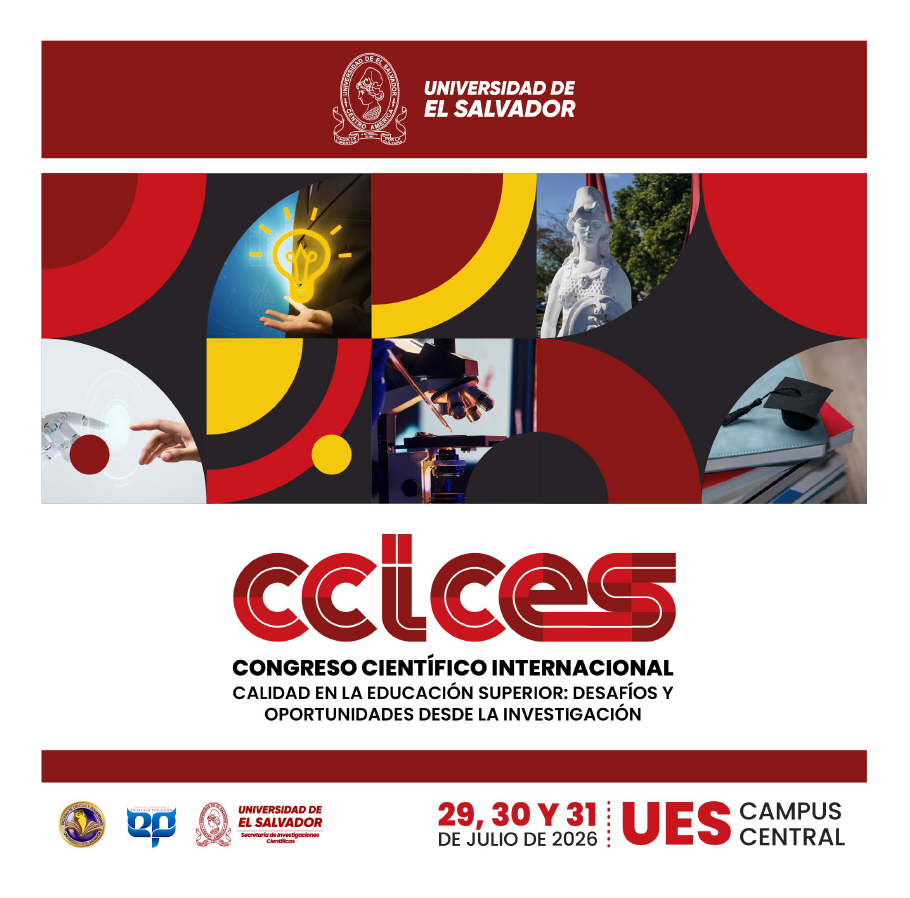
INTERNATIONAL SCIENTIFIC CONGRESS ON QUALITY IN HIGHER EDUCATION: CHALLENGES AND OPPORTUNITIES FROM RESEARCH

Submission of proposals for scientific presentations and posters:

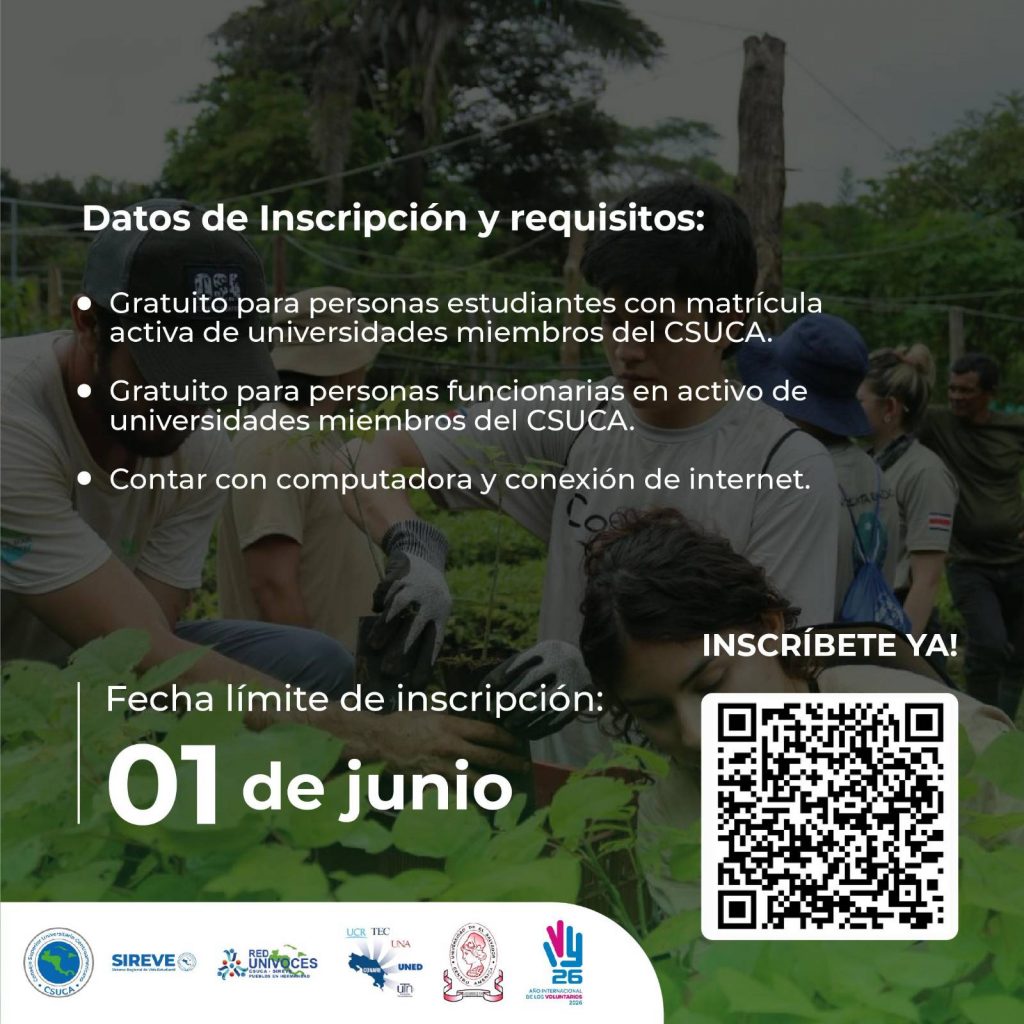
  • Proposals for scientific papers and posters will be accepted until June 5, 2026  to the email: ccices.2026@ues.edu.sv
  • The Scientific Committee of the Congress will receive proposals between May 29 and June 5, 2026.
  • The acceptance notification will be made between June 5 and 12, 2026.
  • The deadline for submitting papers and posters accepted by the Scientific Committee will be the June 26, 2026 to the email: ccices.2026@ues.edu.sv

The congress provides the opportunity to general participation to teachers, researchers, students and interested parties.

Participant registration is now open at: https://ccices2026.ues.edu.sv/congreso/formulario-de-inscripcion/

CSUCA develops the 1st Central American and Caribbean Biennial with more than 103 presentations on innovation and educational quality

Panama City, Panama, May 20-22, 2026

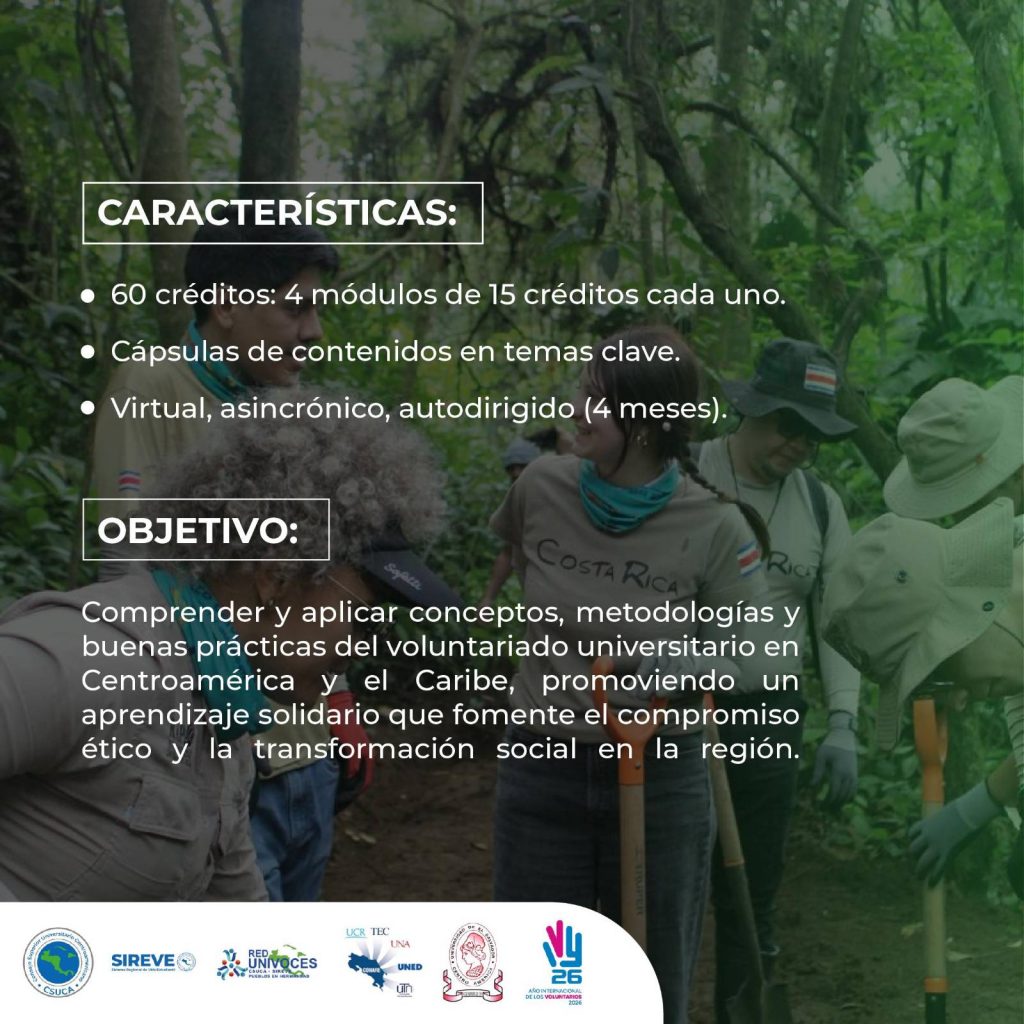
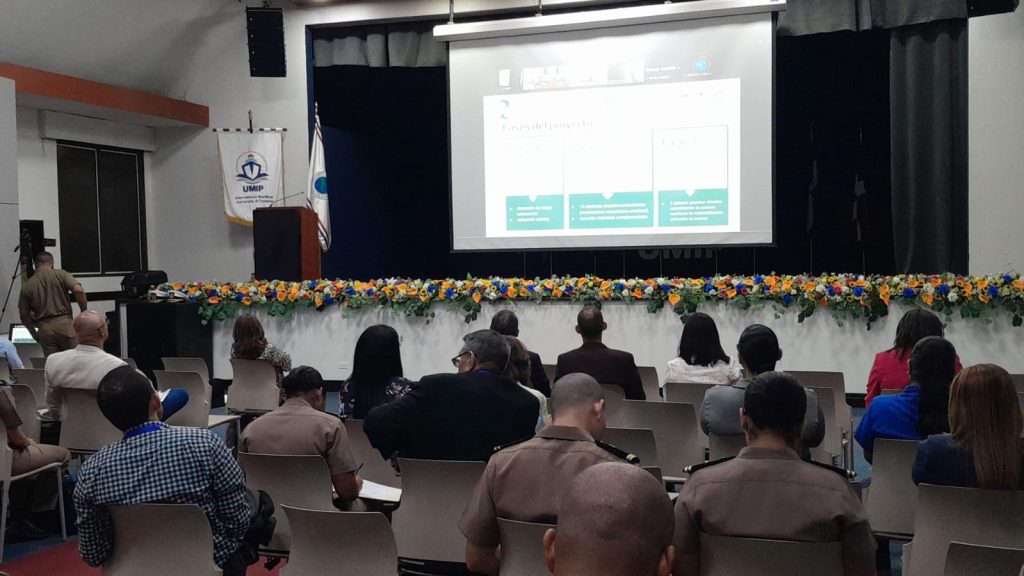
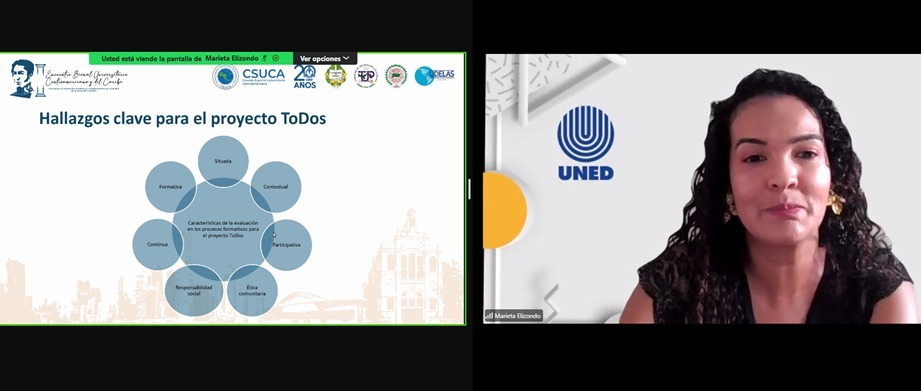
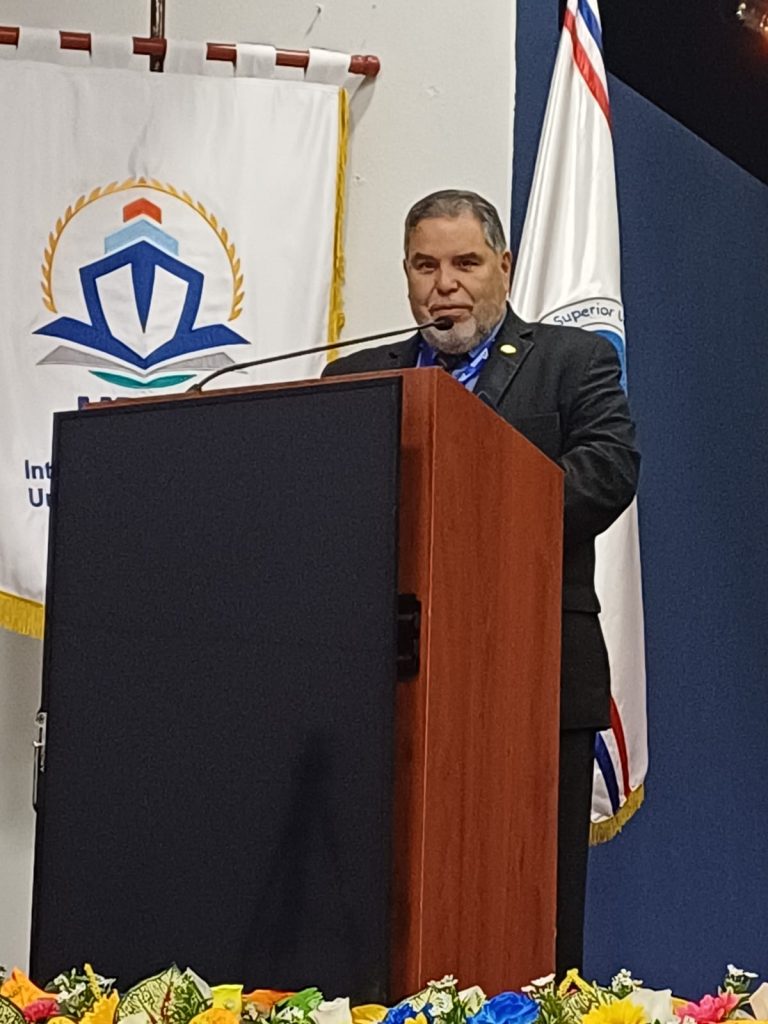
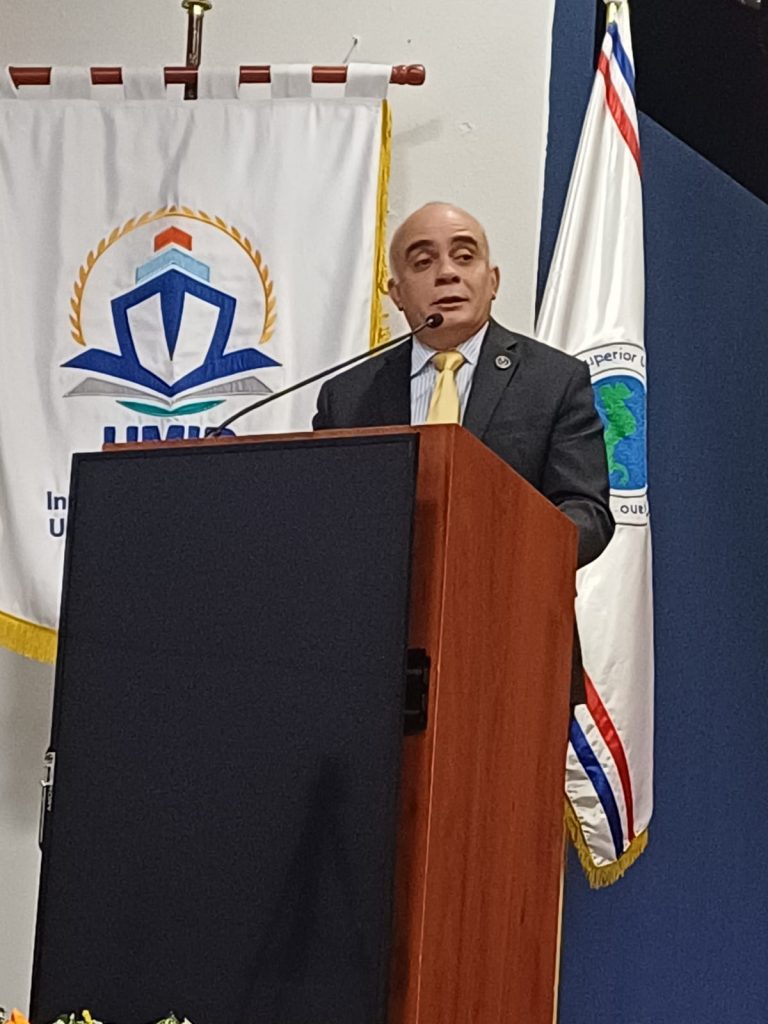
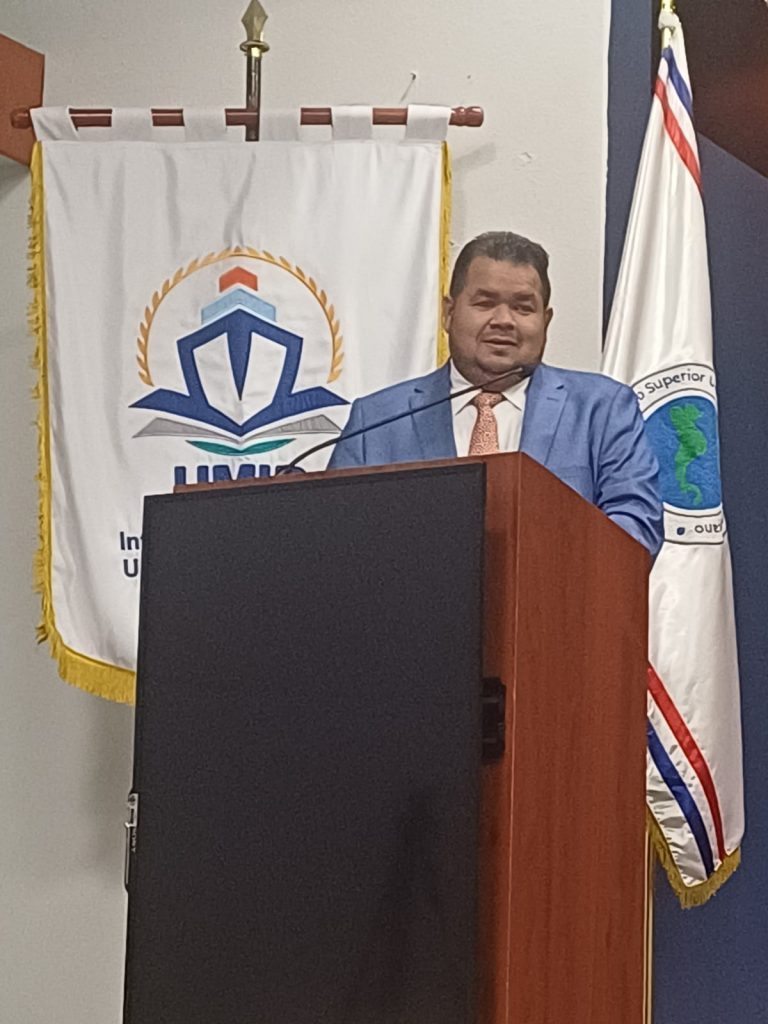
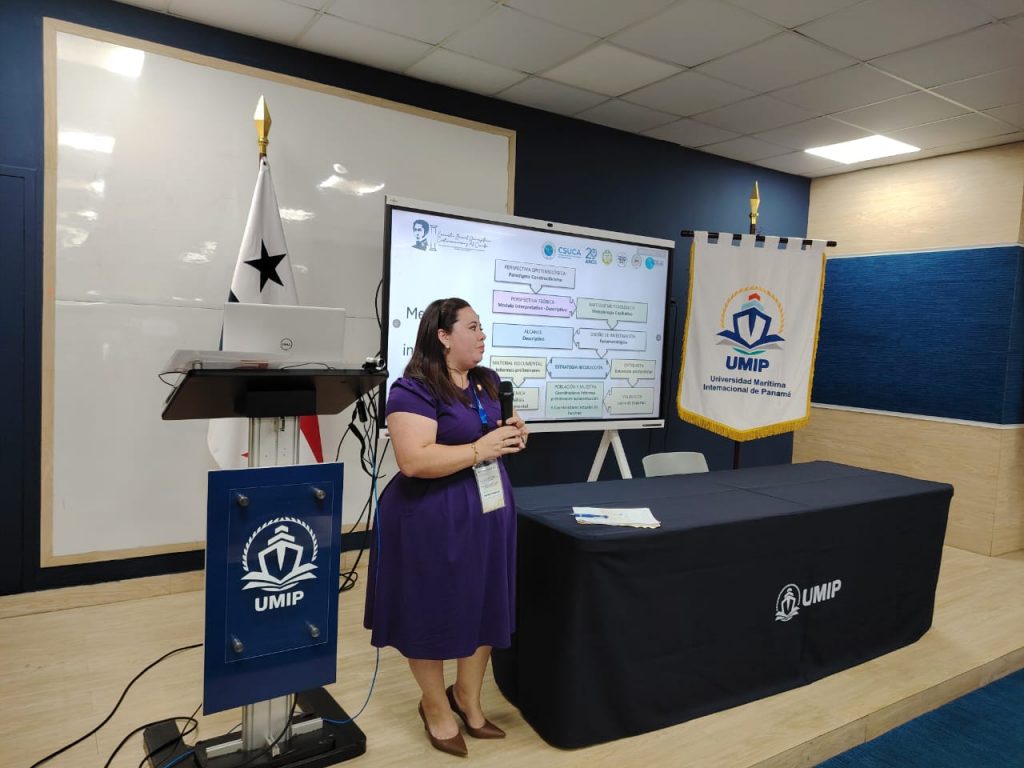
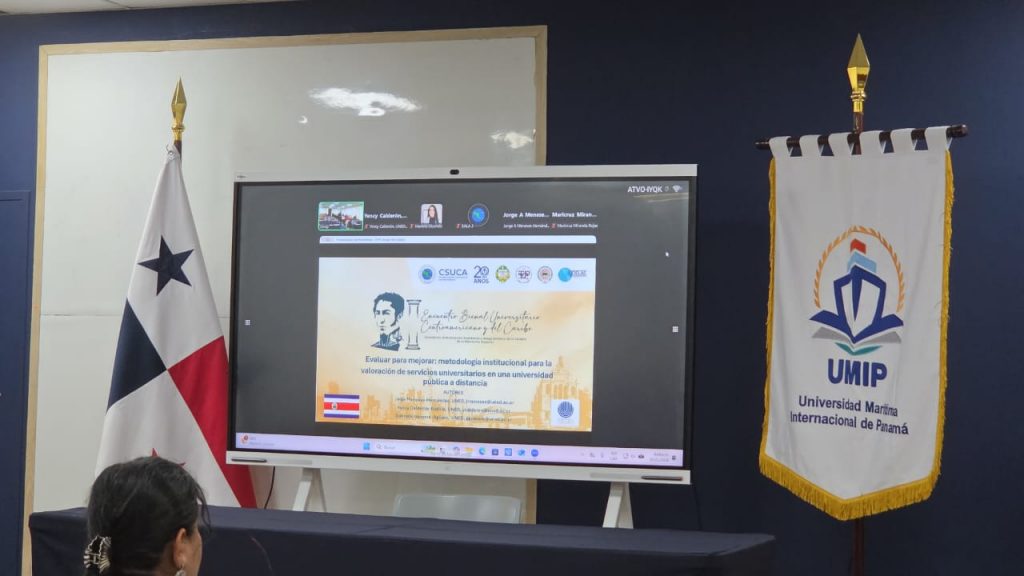
With broad participation from university authorities, teachers, researchers, students and specialists from the region, the development of the I Central American and Caribbean Biennial of Innovation, Academic Harmonization and Quality Assurance of Higher Education began at the International Maritime University of Panama (UMIP), an academic space promoted by the Central American System of Evaluation and Harmonization of Higher Education (SICEVAES), which takes place on May 20, 21 and 22.

The Biennial brings together more than 103 academic presentations, consolidating itself as one of the most relevant regional spaces for the exchange of experiences, research, good practices and proposals aimed at strengthening public higher education in Central America and the Caribbean.

During the academic sessions, universities and institutions from Panama, Honduras, Costa Rica, El Salvador, Guatemala, the Dominican Republic, and Cuba participate, addressing strategic issues related to educational innovation, academic harmonization, internationalization, digital transformation, artificial intelligence, microcredentials, quality assurance, and institutional strengthening.

The program includes keynote lectures, specialized panels, interdisciplinary discussion tables, virtual and in-person presentations, audiovisual exhibitions, and collaborative spaces aimed at strengthening academic networks and new regional alliances.

Among the experiences presented, the following stand out: initiatives related to innovation in teaching-learning processes, internationalization strategies through COIL methodologies, artificial intelligence applied to higher education, digital transformation, development of 21st century skills, institutional evaluation, and regional experiences linked to the improvement and accreditation of university quality.

The Biennial is developed within the framework of a regional agenda aimed at strengthening the Regional Harmonization and Quality Assurance Program for Higher Education, promoting processes of reflection and collective construction that allow public universities to respond to the current challenges of the region.

This first regional meeting also represents a strategic space to consolidate a more innovative, articulated and relevant higher education, strengthening university cooperation and academic exchange as pillars for regional development.