

Heredia, Costa Rica, 2 de octubre de 2026
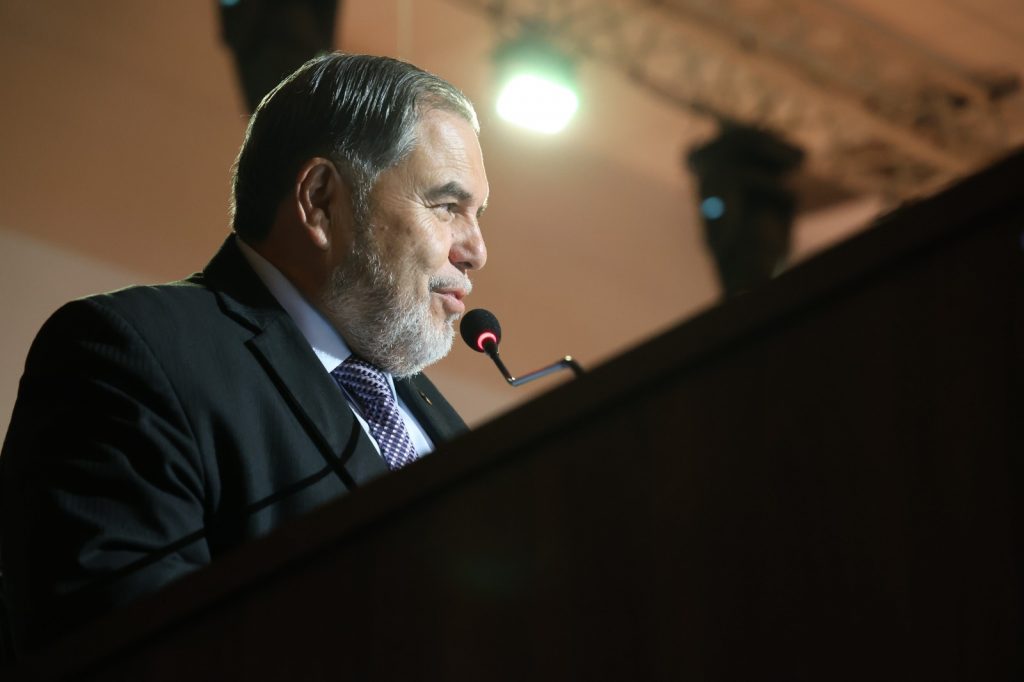
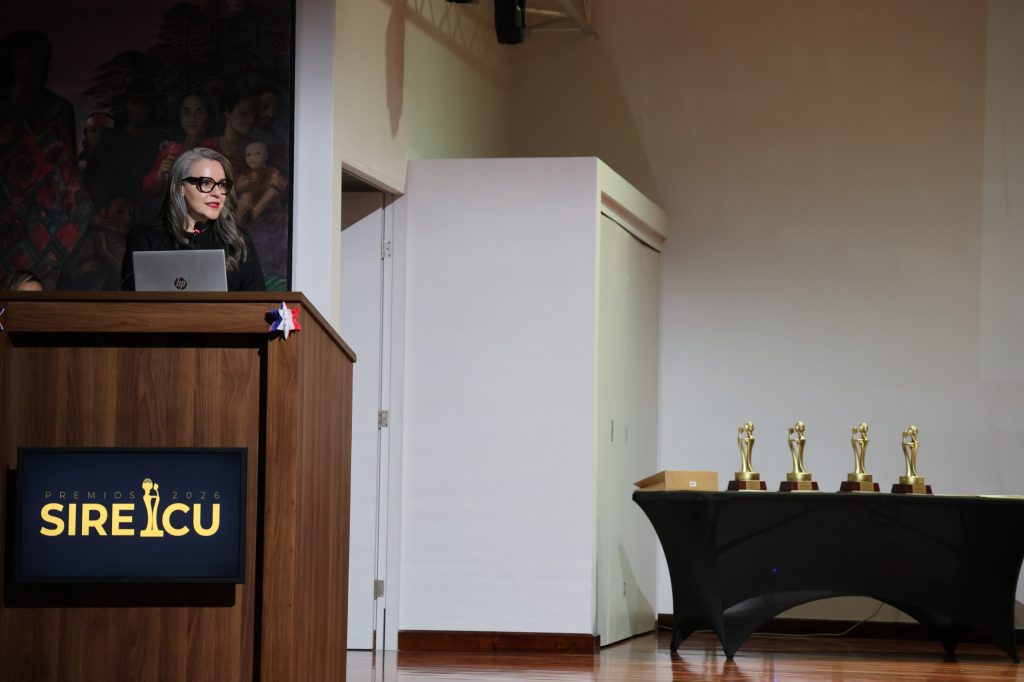
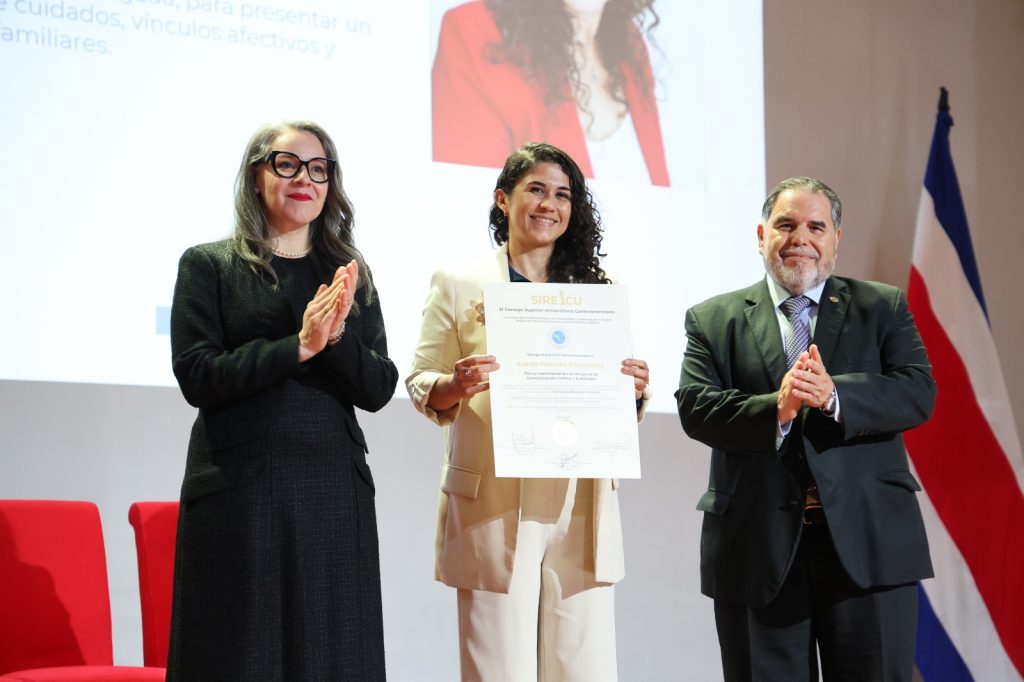
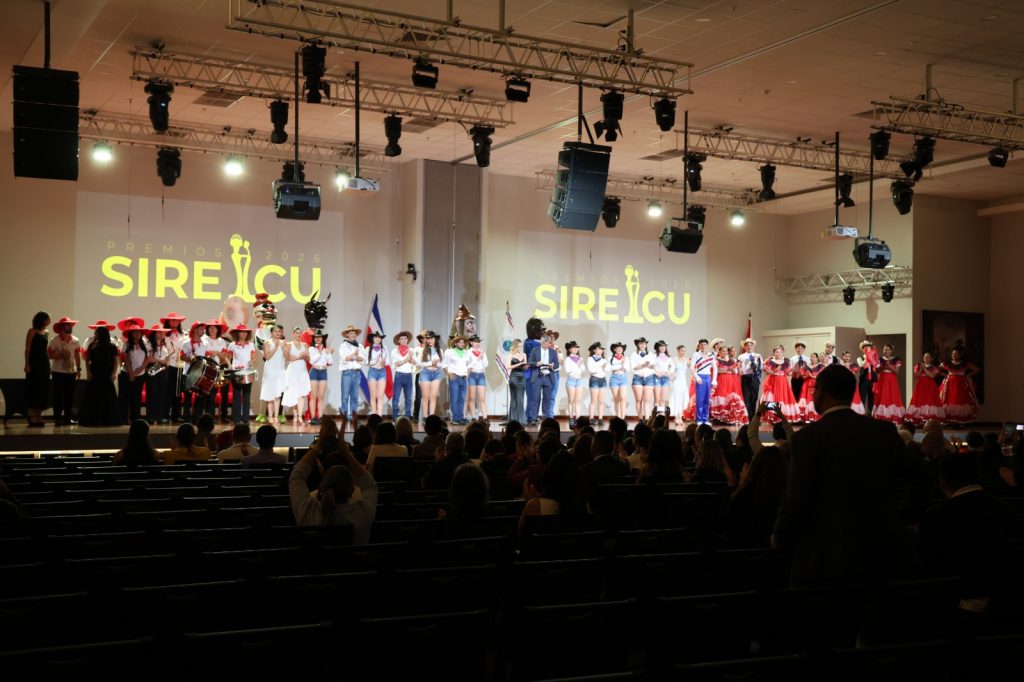
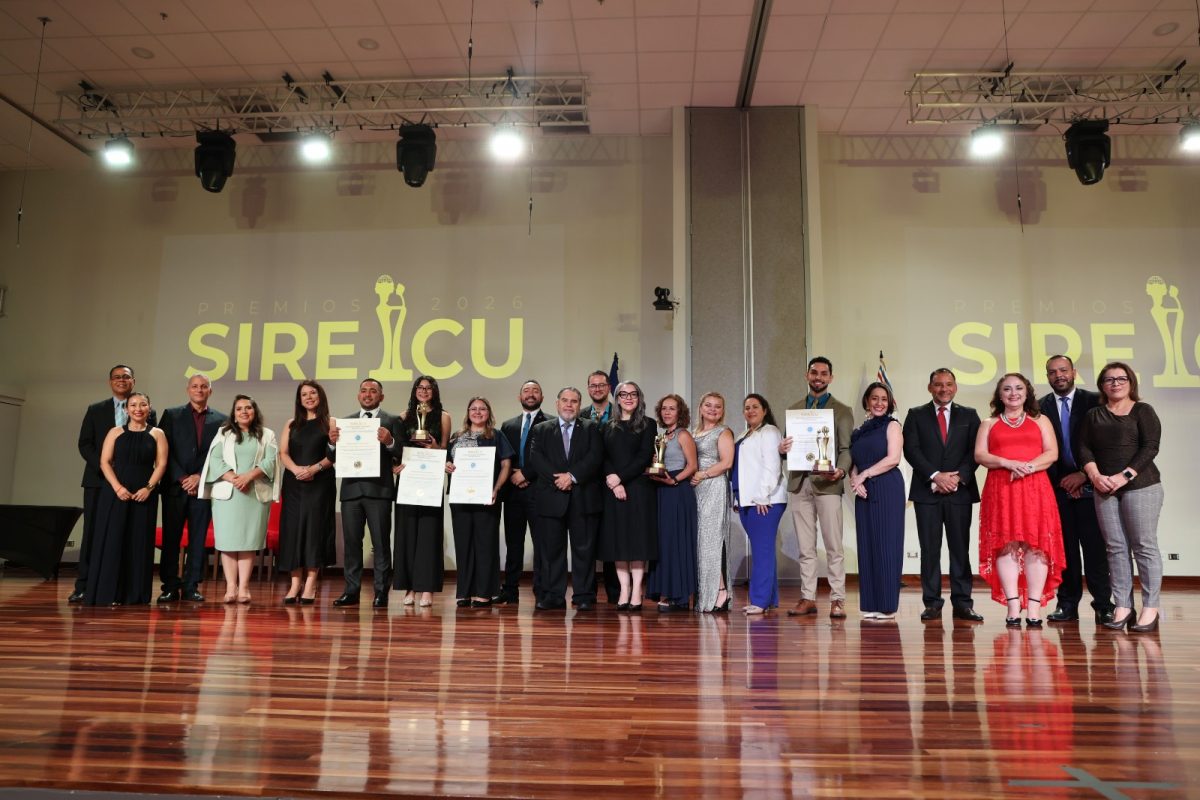
El Consejo Superior Universitario Centroamericano (CSUCA), a través del Sistema Regional de Información y Comunicación Universitaria (SIREICU), realizó la ceremonia de entrega de los Premios SIREICU 2026, iniciativa regional que reconoce la creatividad, innovación y buenas prácticas desarrolladas desde la comunicación de las universidades públicas de Centroamérica y el Caribe.
La ceremonia se desarrolló en el Auditorio Cora Ferro de la Universidad Nacional (UNA) de Costa Rica, como actividad de cierre de la XIII Asamblea General del SIREICU, celebrada los días 1 y 2 de octubre.
En su segunda edición, los Premios SIREICU recibieron 73 postulaciones provenientes de diferentes universidades que integran el CSUCA, reflejando la diversidad de iniciativas que se desarrollan desde las instituciones de educación superior para comunicar su quehacer académico, científico, cultural y social.
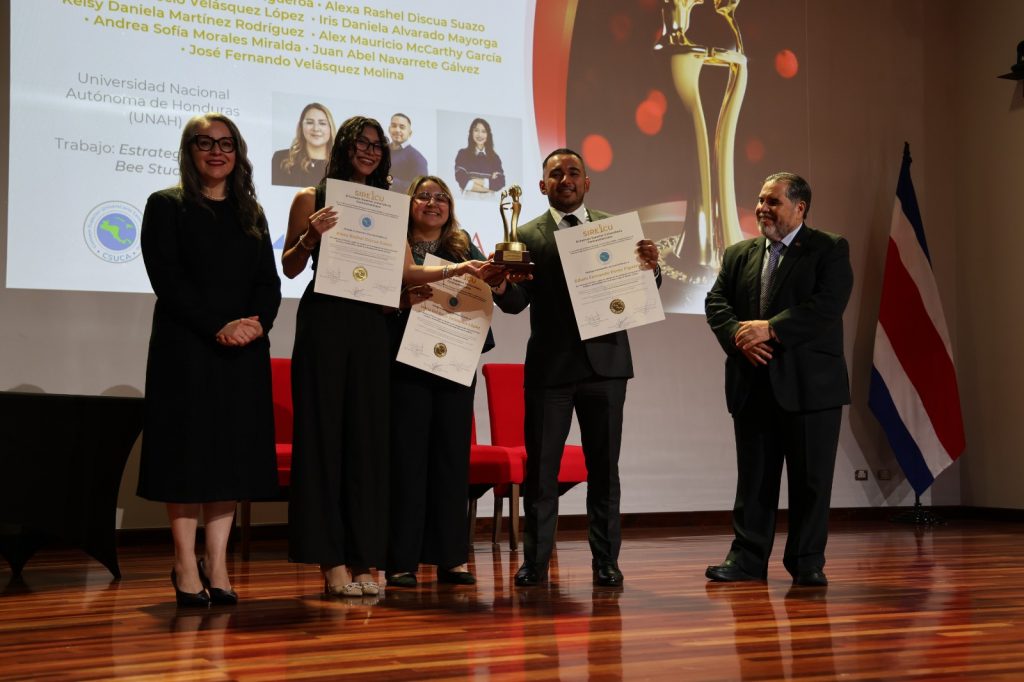
Los reconocimientos abarcaron cuatro grandes áreas de la comunicación universitaria: Periodismo, Relaciones Públicas, Comunicación Digital y Comunicación Gráfica y Publicidad, destacando trabajos de universidades de Costa Rica y Honduras.
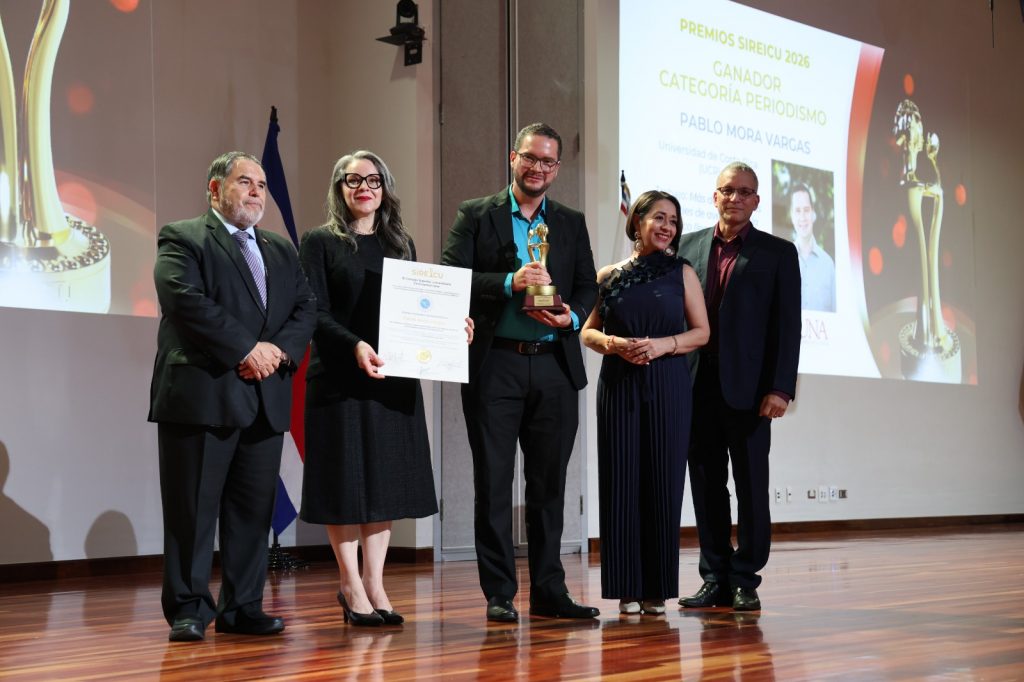
En la categoría de Periodismo, el reconocimiento fue otorgado a Pablo Mora Vargas, de la Universidad de Costa Rica (UCR), por el trabajo “Más del 90 % de las especies de aves en la Isla del Coco llegan desde muy lejos”, presentado en la modalidad de noticia o reportaje escrito.
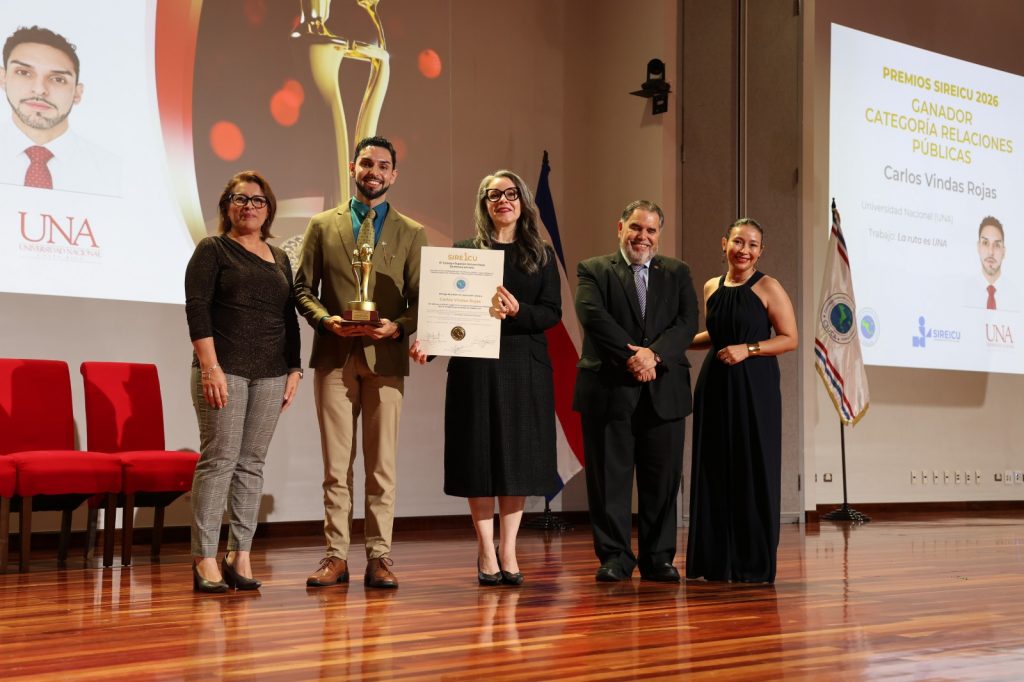
En Relaciones Públicas, fue reconocido Carlos Vindas Rojas, de la Universidad Nacional de Costa Rica (UNA), por la campaña institucional “La ruta es UNA”, una iniciativa desarrollada desde la comunicación universitaria de esta casa de estudios.
Por su parte, en la categoría de Comunicación Digital, el reconocimiento correspondió a Lucía Osorio Torrido, de la Universidad Estatal a Distancia de Costa Rica (UNED), por “Serie Guadalupe Urbina y Max Góldenberg: Multiversos Paralelos”, postulada en la modalidad de contenidos para redes.
En Comunicación Gráfica y Publicidad, resultó reconocida la Universidad Nacional Autónoma de Honduras (UNAH) con “Estrategia Gráfica Bee Studio”, en la modalidad de Diseño Gráfico. El proyecto fue presentado por Edwin Fernando Pérez Figueroa, junto con Keisy Daniela Martínez Rodríguez, Alexa Rashel Discua Suazo, María del Rocío Velásquez López, Alex Mauricio Mc Carthy García, José Fernando Velásquez Molina, Andrea Sofía Morales Miralda, Iris Daniela Alvarado Mayorga y Juan Abel Navarrete Gálvez.
Un reconocimiento al aporte estratégico de la comunicación
Los Premios SIREICU buscan visibilizar el trabajo que realizan las oficinas y profesionales de comunicación de las universidades miembros del CSUCA y reconocer iniciativas que contribuyen a acercar a la sociedad el conocimiento, la investigación, la cultura, la vinculación y las distintas acciones desarrolladas desde la educación superior pública.
La segunda edición también representa la continuidad de una iniciativa regional orientada a promover el intercambio de experiencias y buenas prácticas entre las instituciones que integran el Sistema, fortaleciendo una comunidad de profesionales de la comunicación universitaria con una visión de cooperación regional.
La premiación se desarrolló en el marco de la XIII Asamblea General del SIREICU, encuentro en el que las universidades trabajaron en temas como la Red y Radio Comunica, las guías de comunicación, el inventario de medios y oficinas de comunicación, las campañas regionales y la construcción de la agenda de trabajo del Sistema.
Durante la Asamblea también se presentó el informe de la segunda edición de los Premios SIREICU y se abordó la programación de la tercera y cuarta entrega de estos reconocimientos, como parte de los acuerdos para dar continuidad y fortalecer la iniciativa.
Con los Premios SIREICU 2026, el CSUCA reafirma la importancia de la comunicación como una función estratégica de las instituciones de educación superior y reconoce el talento de quienes, desde las universidades, contribuyen a contar sus historias, acercar el conocimiento a la sociedad y fortalecer la integración universitaria de Centroamérica y el Caribe.
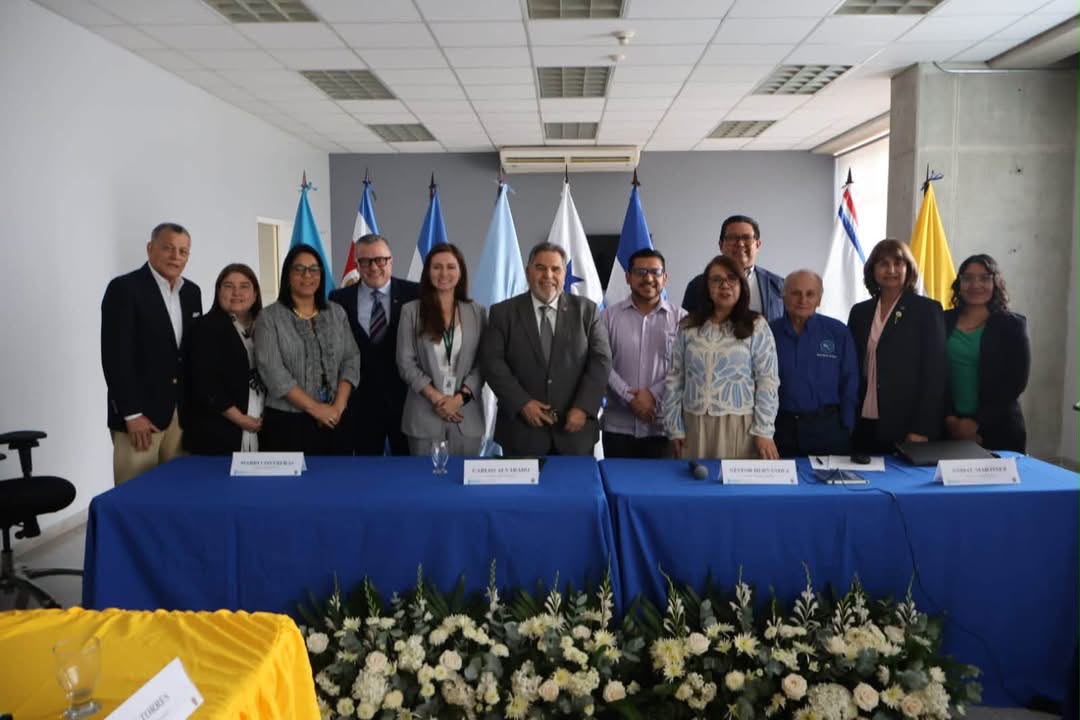
Tegucigalpa, Honduras, 22 de septiembre de 2026
Representantes de las universidades públicas que integran el Consejo Superior Universitario Centroamericano (CSUCA) participan este 22 y 23 de septiembre en la XXVII Asamblea del Sistema de Internacionalización de la Educación Superior Centroamericana (SIESCA), que se desarrolla en la Universidad Nacional Autónoma de Honduras (UNAH).
El encuentro reúne a representantes de las instituciones de educación superior de la región con el propósito de fortalecer la articulación universitaria, dar seguimiento a los compromisos del sistema e impulsar nuevas oportunidades de cooperación, movilidad e internacionalización para las comunidades universitarias de Centroamérica y el Caribe.
Durante la apertura, el MSc. Mario Contreras, Vicerrector de Asuntos Estudiantiles de la UNAH, en representación del rector Dr. Odir Aarón Fernández Flores, dio la bienvenida a las delegaciones y destacó el papel de la internacionalización como una herramienta para ampliar las oportunidades de estudiantes, docentes y demás integrantes de las comunidades universitarias.
El Máster Contreras señaló “El acceso a experiencias internacionales no debe constituir un privilegio para unos pocos, sino formar parte de una educación superior integral y equitativa”. En este sentido, resaltó el valor del SIESCA como espacio para articular esfuerzos y compartir experiencias entre las universidades de la región bajo un principio de solidaridad centroamericana.
Por su parte, el MSc. Néstor Hernández, presidente del SIESCA, destacó la trayectoria histórica de la integración universitaria centroamericana y recordó el papel desempeñado por la Universidad de El Salvador en el surgimiento, en 1948, de la Confederación Universitaria Centroamericana.
También hizo un llamado a “fortalecer una internacionalización construida desde las realidades y necesidades de Centroamérica y el Caribe, con pertinencia social y sentido de pertenencia territorial”. Asimismo, subrayó la importancia de profundizar la solidaridad interuniversitaria, promoviendo la circulación del conocimiento, la cultura, la investigación y las buenas prácticas entre las instituciones.
El MSc. Carlos Alvarado Cerezo, Secretario General del CSUCA, enfatizó que la internacionalización adquiere su verdadero sentido cuando se construye mediante la colaboración y la solidaridad entre instituciones.
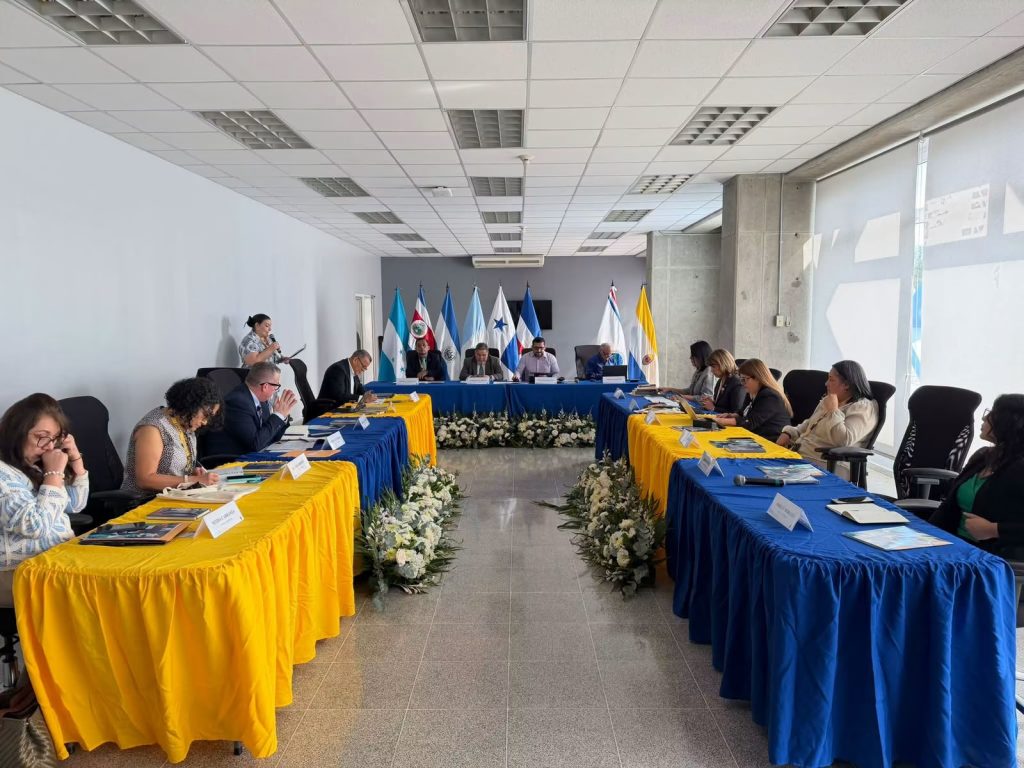
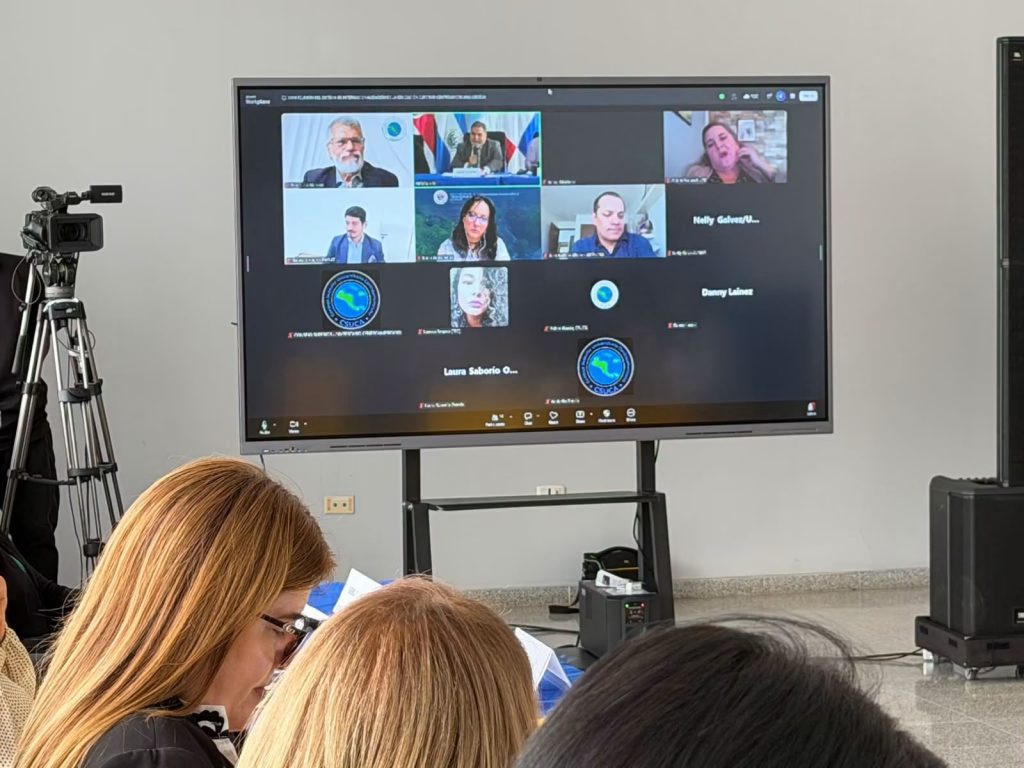
“Ninguna institución, por sólida que sea, puede responder de manera aislada a los desafíos actuales. Necesitamos sumar capacidades, compartir conocimientos, generar confianza y establecer mecanismos que permitan que las oportunidades trasciendan las fronteras institucionales y nacionales”, expresó.
Asimismo, destacó la capacidad del CSUCA para articular a las universidades públicas de Centroamérica, República Dominicana y Cuba alrededor de propósitos comunes y resaltó la función estratégica del SIESCA en la promoción de la movilidad académica, la cooperación interinstitucional, el intercambio de buenas prácticas y la vinculación con redes y organismos internacionales.
En este marco, durante la Asamblea se presentan oportunidades de cooperación académica con Alemania y se promueve el aprovechamiento de iniciativas regionales como el Programa de Intercambio Académico Latinoamericano (PILA), del cual el CSUCA forma parte y al que ya se han adherido universidades de la Confederación.
El Secretario General del CSUCA invitó a las instituciones a procurar que cada alianza e iniciativa de cooperación se traduzca en resultados tangibles para sus comunidades universitarias, mediante mayores oportunidades de movilidad, proyectos conjuntos, redes de investigación, intercambio de conocimientos y nuevas experiencias de formación.
Dos jornadas para avanzar en la agenda regional
La agenda de la XXVII Asamblea contempla la aprobación y seguimiento de acuerdos, la presentación del Informe de Coordinación SIESCA 2026-2027 y del informe de la Secretaría General del CSUCA, así como el abordaje de la organización del X Congreso Universitario Centroamericano.
Durante la primera jornada también se desarrolla un Taller de exploración y promoción de oportunidades de colaboración Erasmus+, orientado a identificar posibilidades de cooperación para las instituciones de educación superior de la región.
El 23 de septiembre, las delegaciones trabajarán en la revisión de avances y definición de acciones para el cumplimiento del Programa 5 del Quinto Plan para la Integración de la Educación Superior de Centroamérica y República Dominicana (PIRESC V), incluyendo la estrategia y metodología para evaluar el cumplimiento de sus objetivos estratégicos.
La XXVII Asamblea del SIESCA reafirma así el compromiso de las universidades que integran el CSUCA de continuar construyendo una educación superior regional más articulada, inclusiva y solidaria, capaz de ampliar las oportunidades de cooperación e internacionalización en beneficio de las comunidades universitarias y del desarrollo de los pueblos de Centroamérica y el Caribe.

The Secretary General of the Central American Higher University Council (CSUCA), MSc. Carlos Alvarado Cerezo, participated in the academic space “University Higher Education, state of the situation and current debates in the regional context” organized by the Federation of Unions of University Teachers of South America (FESIDUAS), Argentina, in which he addressed the main challenges and opportunities of higher education, academic quality and research from the perspective of regional university integration.
During his speech, Alvarado Cerezo highlighted the importance of strengthening the role of universities in the face of the social, economic, environmental, scientific and technological transformations that the region is undergoing, noting that these challenges also represent opportunities to influence the development of societies characterized by a great wealth of culture and knowledge, but which still face profound inequalities.
In this context, he highlighted the commitment of the Central American University Confederation to regional integration and the articulation of the 30 member universities of CSUCA, their systems, programs and projects, aimed at contributing to the solution of common problems, strengthening comprehensive training, promoting academic mobility and linking universities with society and the State.
He also referred to the Fifth Plan for the Regional Integration of Higher Education in Central America and the Dominican Republic (PIRESC V) as an instrument that guides regional work in the face of the challenges of higher education, through strategic objectives, lines of action and indicators of achievement that involve university authorities, teachers, researchers, students and administrative staff.
Relevant, inclusive, and quality higher education
The Secretary General emphasized that higher education institutions are called upon to respond to a new reality that demands the development of skills, lifelong learning, project-based methodologies and new technologies for learning, as well as a transformation in the roles of teachers, students and educational leaders.
From this perspective, he highlighted the responsibility of universities to promote knowledge, education, science, technology, art, culture and wisdom as tools to contribute to building more just, equitable and sustainable societies.
Regarding academic quality, he pointed out that it cannot be conceived in isolation from the realities of communities, but must be linked to the relevance of education, social needs, integration, respect for cultural diversity, and inclusion. He also highlighted the challenge of leveraging the opportunities offered by technology, ensuring that its development contributes to reducing existing inequalities.
Research and innovation for regional development
Another central theme of the presentation was the role of scientific, humanistic, and cultural research, innovation, and technological development as fundamental elements for the well-being of societies. In this regard, Alvarado Cerezo emphasized that higher education must become one of the driving forces for moving toward a knowledge-based society.
He also highlighted the need to strengthen internationalization and intraregional mobility, promoting a vision that fosters cooperation among the countries of the region and greater coordination between education, governments, and the public and private sectors.
The Secretary General also emphasized the need to put research, science and technology at the service of people, as well as to work together in the formulation of public policies and regional priorities capable of responding to new social and economic scenarios.
Finally, he highlighted as fundamental principles guaranteeing the right to higher education with equal opportunities, ensuring that no student is left behind, strengthening educational pathways, taking advantage of the lessons learned from the use of technologies, and generating greater resilience capacities in higher education systems.
The participation of MSc. Carlos Alvarado Cerezo reaffirms CSUCA's commitment to strengthening relevant, inclusive, and quality regional higher education, and to promoting research, innovation, and university cooperation as fundamental tools to contribute to the sustainable development of Central America and the Dominican Republic.

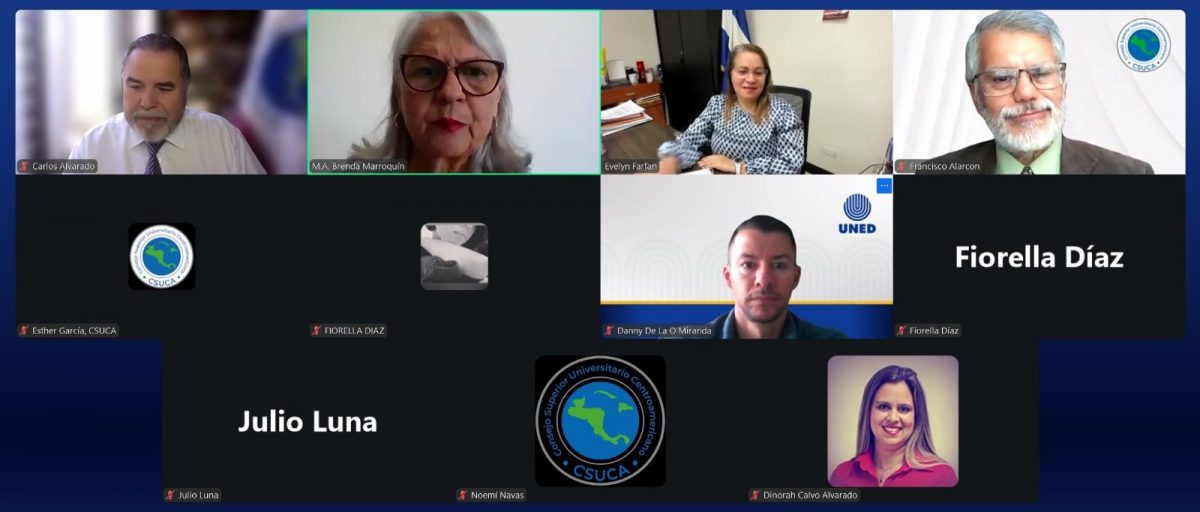
Following the various actions of the Presidency of the Central American Higher University Council, the University of El Salvador (UES) assumed the presidency of two systems that make up the CSUCA, as part of the institutional change that gives continuity to the joint work of the public universities of Central America and the Caribbean, in matters of evaluation and harmonization of higher education, research and postgraduate studies.
The transfers correspond to the Central American System for Evaluation and Harmonization of Higher Education (SICEVAES) and the Central American and Caribbean Regional System for Research and Postgraduate Studies (SIRCIP), whose presidencies were held by representatives of the University of San Carlos of Guatemala (USAC).
In both events, the Secretary General of CSUCA, MSc. Carlos Alvarado Cerezo, reaffirmed the General Secretariat's commitment to supporting the new presidencies and continuing to strengthen the collaborative work of the region's universities. He emphasized the importance of maintaining the systems' agendas as spaces for cooperation and regional integration, aimed at strengthening the quality of higher education, research, human talent development, and generating responses to the challenges facing Central America and the Caribbean.
SICEVAES: continuity of the regional commitment to the quality of public higher education
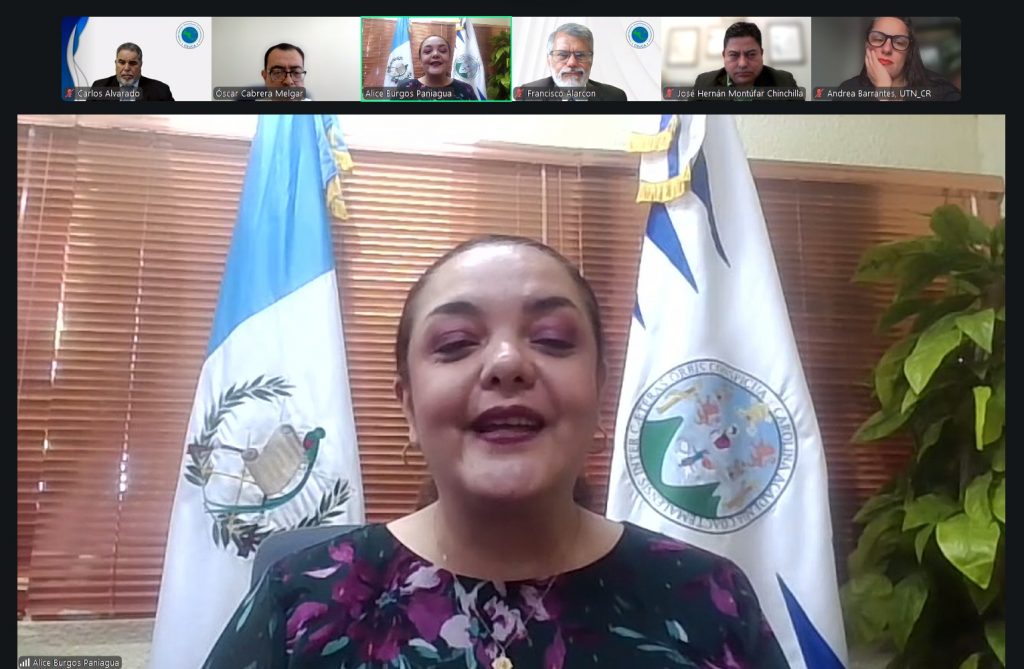
MA Brenda Marroquín, Director of Teaching at USAC, handed over the Presidency of SICEVAES to Dr. Evelyn Farfán, Academic Vice-Rector of UES, who will be in charge of the system during the period July 2026–June 2027.
At the conclusion of her term, MA Brenda Marroquín highlighted the progress achieved in academic harmonization, quality assurance, and regional academic integration, and reaffirmed that the quality of higher education constitutes an ethical, social, and regional commitment. In this regard, she called for continued strengthening of cooperation, the exchange of experiences, and the building of agreements, emphasizing that quality must be consolidated as an institutional culture based on continuous improvement, innovation, transparency, and social commitment.
For her part, Dr. Evelyn Farfán thanked the previous administration for its work and expressed her commitment to continue promoting joint actions to achieve the objectives of SICEVAES.
Among the processes that the new Presidency will oversee is the preparation of the 10th Central American University Congress, to be held from October 19 to 22, 2027, in Tegucigalpa, Honduras. SICEVAES will play a significant role in this process, which will allow for the evaluation of progress on the Fifth Plan for the Integration of Higher Education in Central America and the Dominican Republic (PIRESC V) and the development of proposals to address the current transformations and challenges in higher education.
SIRCIP: an active system with a regional agenda underway
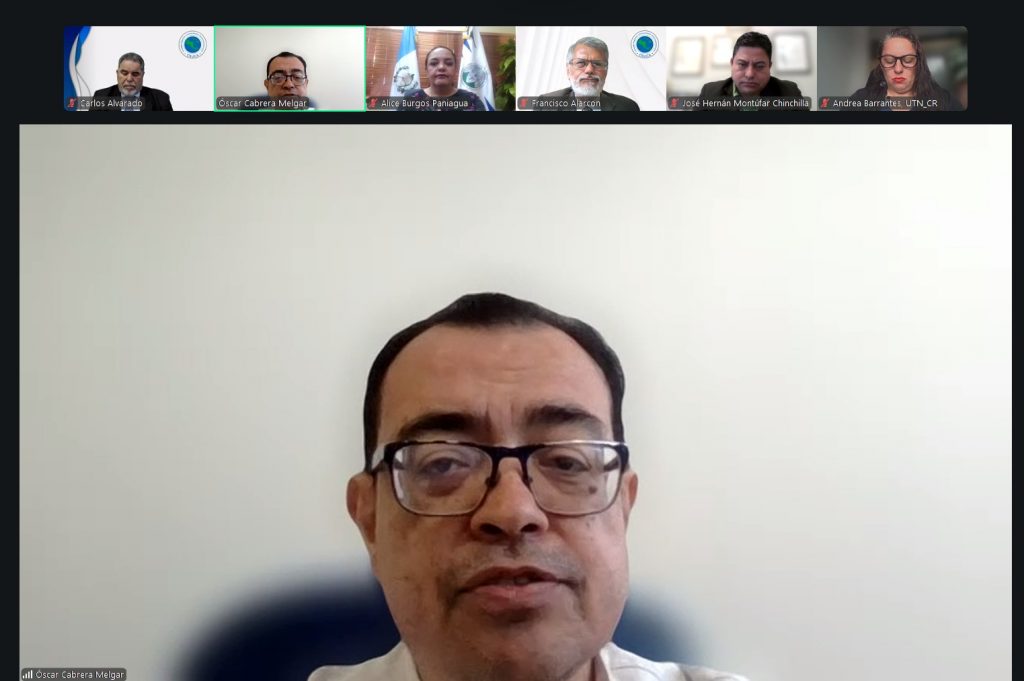
Dr. Alice Burgos Paniagua, from USAC, handed over the Presidency of SIRCIP to Dr. Óscar Ovidio Cabrera Melgar, Postgraduate Secretary of UES, who assumed leadership of the system for a period of one year.
Upon handing over the Presidency, Dr. Alice Burgos highlighted that the new administration is receiving an active system, with a defined regional agenda, important agreements underway, and a university community willing to continue working collectively.
Among the advances achieved during his administration, he highlighted the Regional Research and Postgraduate Agenda; the CRIS-CSUCA Regional Strategy for university scientific management; the strengthening of regional postgraduate programs; the development of the Regional Observatory of Scientific Research and Postgraduate Programs; as well as the work on the ethical and responsible use of artificial intelligence in research.
Dr. Alice Burgos highlighted that these advances are the result of the collective and coordinated work of the universities, which allows the region to expand its capacity to research, train, innovate and transform.
Upon assuming the Presidency, Dr. Óscar Cabrera reaffirmed the UES's commitment to research, science, and postgraduate studies as pillars for addressing the region's needs. For this new phase, he outlined three priorities: strengthening regional research focused on challenges such as climate change, food security, public health, governance, and social equity; enhancing postgraduate programs and advanced training; and strengthening internationalization and cooperation with international research networks.
The transition continues in the CSUCA systems
The transfers of the presidencies of SICEVAES and SIRCIP are part of the institutional succession process derived from the CSUCA Presidency, which is currently held by the University of El Salvador, under the leadership of its Rector, M.Sc. Juan Rosa Quintanilla.
As part of this process, the transfer of the presidencies of the Central American Higher Education Internationalization System (SIESCA) and the Regional University Information and Communication System (SIREICU) is still pending. In the case of the latter, the transfer will take place during the XIII SIREICU General Assembly.
These changes allow for continuity in the work agendas of the systems and strengthen the articulation of member universities around the priorities of higher education in Central America and the Caribbean.
Tegucigalpa, Honduras, July 27, 2026
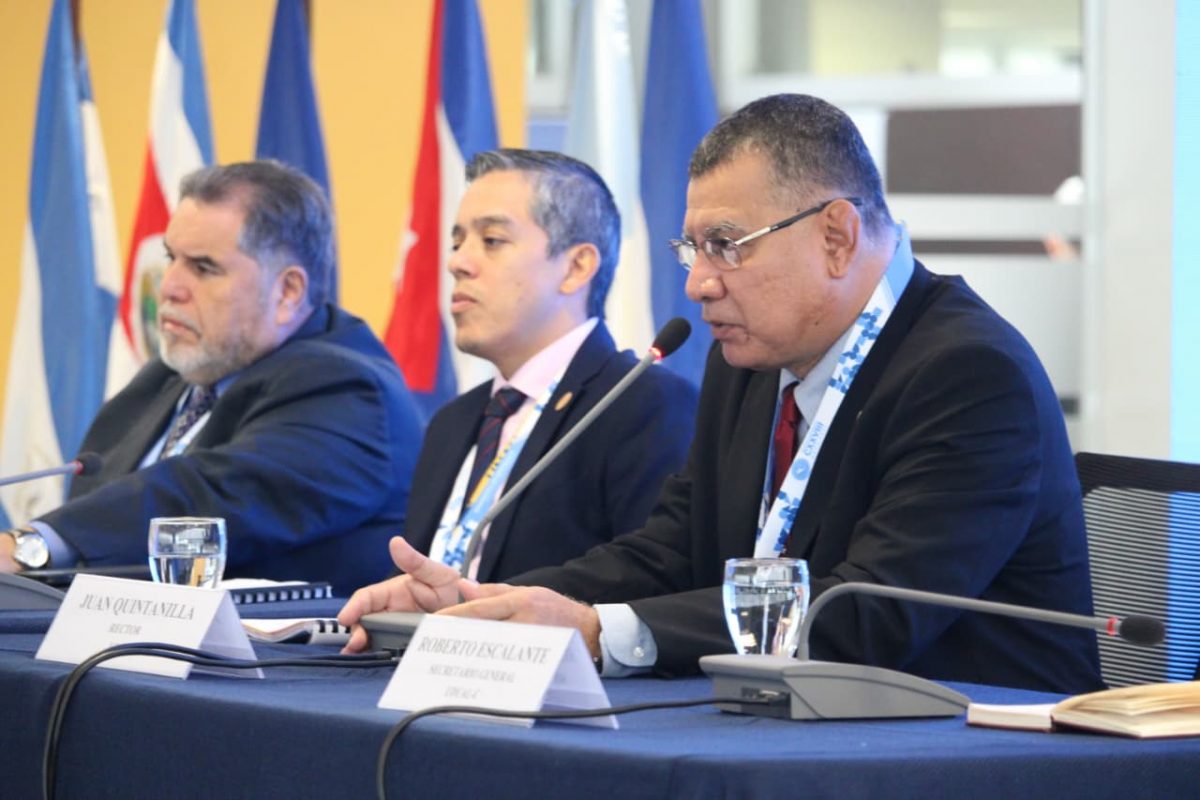
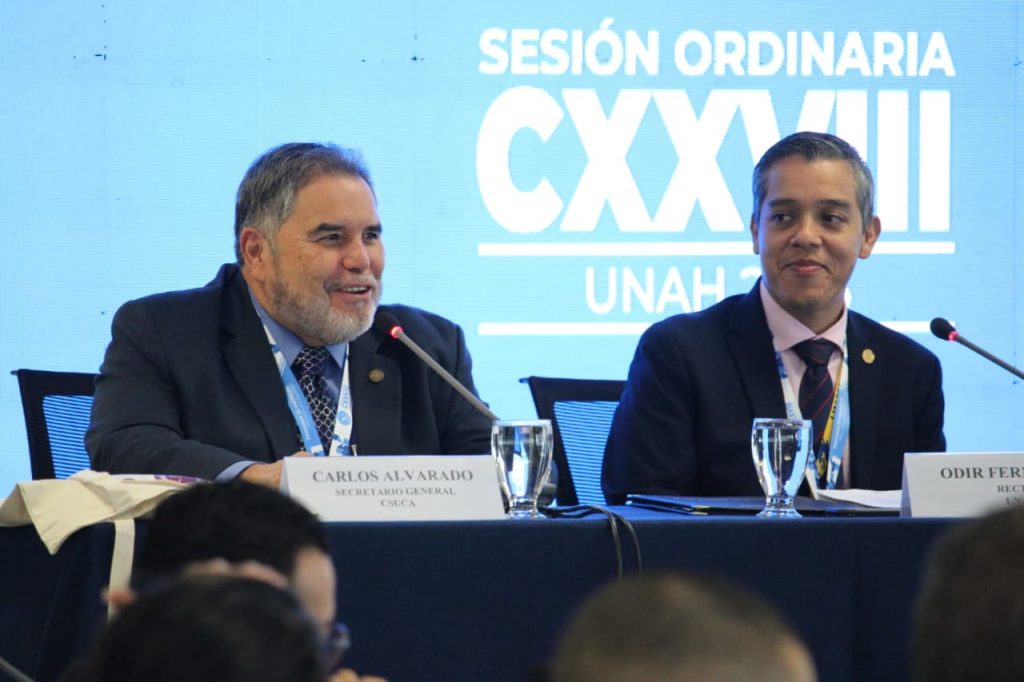
The Central American Higher University Council (CSUCA) is holding its One Hundred and Twenty-Eighth Ordinary Session today, hosted by the National Autonomous University of Honduras (UNAH). The meeting brings together the highest authorities of the public universities that are members of CSUCA, along with regional student representatives, to analyze strategic issues that guide the strengthening of higher education, university integration, and the construction of a shared vision for the future of Central America and the Caribbean.
The opening ceremony began with remarks from Dr. Odír Fernández, Rector of UNAH, who stated that: “Today, the National Autonomous University of Honduras is definitely filled with pride; we have a full house, and today the unionist thought of Francisco Morazán is reflected in higher education.“He also highlighted that this week the university is hosting three important events for strengthening higher education in Central America and the Caribbean.
For his part, MSc. Carlos Alvarado, Secretary General of CSUCA, mentioned “Each session of this council represents much more than the fulfillment of an agenda; it is the expression of a regional project that, for more than 75 years, has demonstrated that university cooperation and teamwork are the most effective tools for facing the shared challenges of our societies.”, starting from the fact that in this session the bases for the development of the X Central American University Congress are defined.
Likewise, MSc. Juan Rosa Quintanilla, Rector of the University of El Salvador and President of CSUCA, stated:“Higher education is a transformative factor in societies…“In his speech, he highlighted the importance of strengthening investment in public higher education and emphasized the collaborative work promoted by universities in the region to foster integration, expand training opportunities, and contribute to the development of their societies.
During the session, the plenary session addressed an agenda focused on high-impact issues for the development of the regional university system. These included the presentation of reports from the CSUCA Presidency, the General Secretariat, and the Federation of University Students of Central America (FEUCA); the analysis of the institutional budget for 2027; the election of the Deputy General Secretary for the 2026-2030 term; the strengthening of university outreach; and the approval of regional instruments that contribute to strengthening strategic communication and crisis management in higher education institutions.
Towards the X Central American University Congress
One of the central themes of this session is the proposal to convene the X Central American University Congress (X CUC), the main regional space for analysis, reflection and building agreements of the Central American University Confederation, which periodically brings together higher education institutions to evaluate the progress of university integration and define the priorities that will guide the development of higher education in the coming years.
The proposal suggests that this tenth edition should promote a broad regional reflection process under the theme "University, region and future: towards a transformative higher education 2036", taking as a starting point the evaluation of the Fifth Plan for the Regional Integration of Central American Higher Education (PIRESC V) and the construction of an agenda that responds to the academic, scientific, social, technological and environmental challenges facing the region.
Summit of Rectors promotes regional dialogue
As part of the activities surrounding this meeting, the CSUCA Rectors' Summit will take place on Tuesday, July 28. This summit is conceived as a forum for academic and strategic dialogue among the highest university authorities of Central America and the Dominican Republic. Under the theme "The Public University: Engine of Development and Integration in Central America," this meeting promotes reflection on the role of public universities in addressing present and future challenges, as well as the exchange of experiences and the development of joint proposals to strengthen regional cooperation, innovation, university autonomy, and the commitment of higher education to the sustainable development of the Central American peoples. As a result of this dialogue, the groundwork will be laid for activities leading up to the 10th Central American University Congress.
FICCUA 2026 begins
Simultaneously, the Central American Interuniversity Festival of Culture and Art (FICCUA 2026) also begins this Monday, with its opening ceremony taking place at the National Autonomous University of Honduras. This regional event brings together student artists from CSUCA member universities to promote cultural exchange, strengthen Central American identity, and recognize art and culture as essential components of a well-rounded university education. Details of this important event will be covered in a separate publication.
The CXXVIII Ordinary Session reaffirms CSUCA's commitment to an articulated, relevant and innovative public higher education, capable of promoting regional solutions to common challenges and consolidating university integration as an engine for sustainable development, well-being and social transformation in Central America and the Caribbean.
Panama City, Panama, May 18, 2026
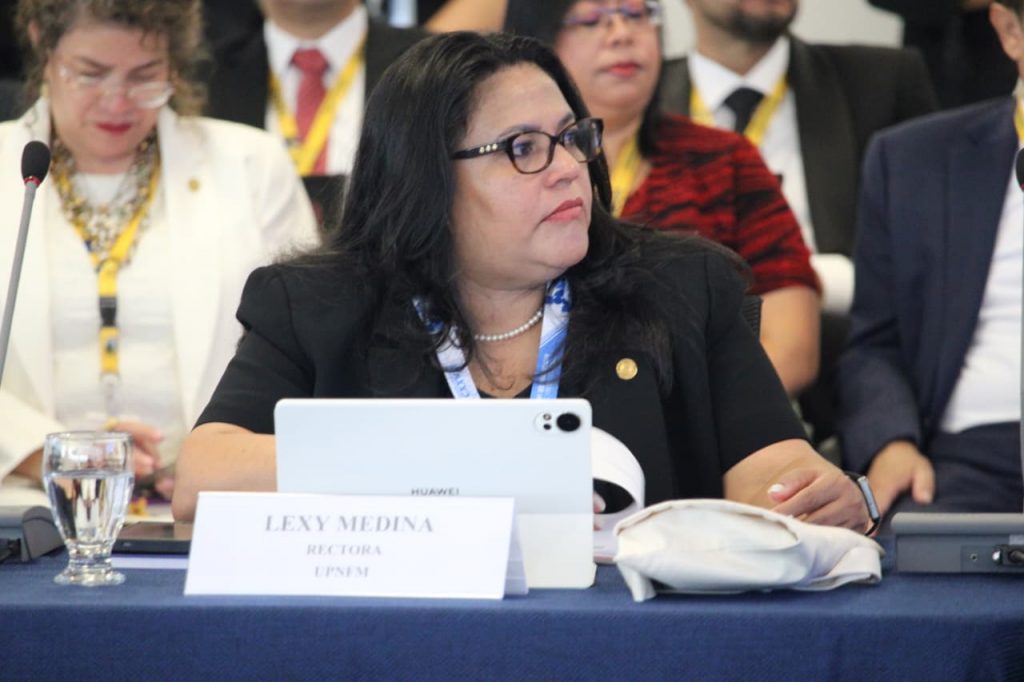
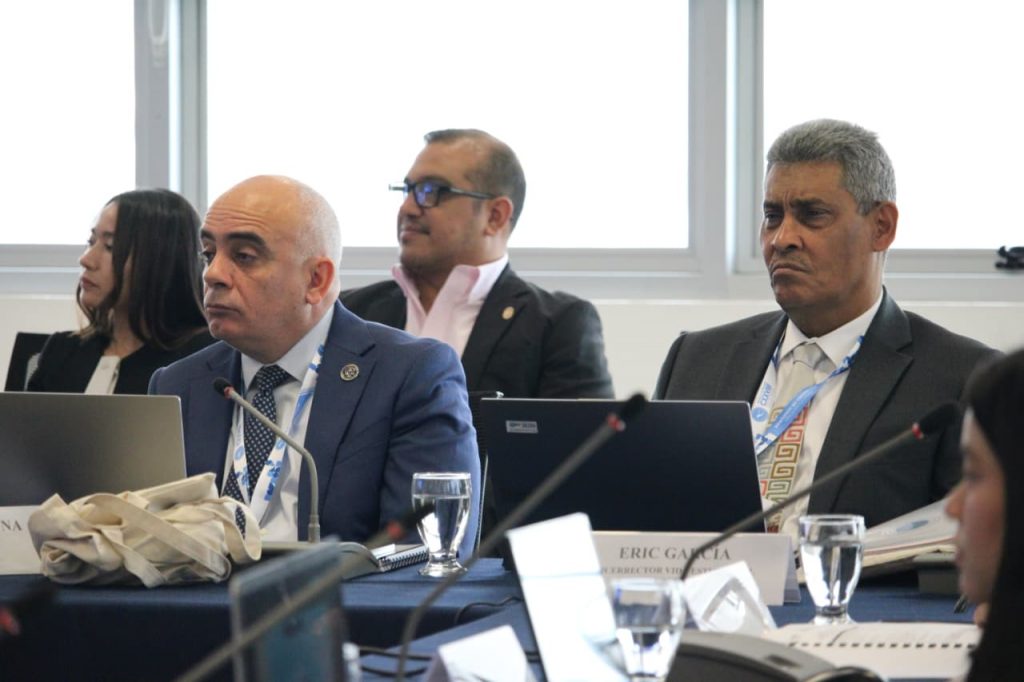
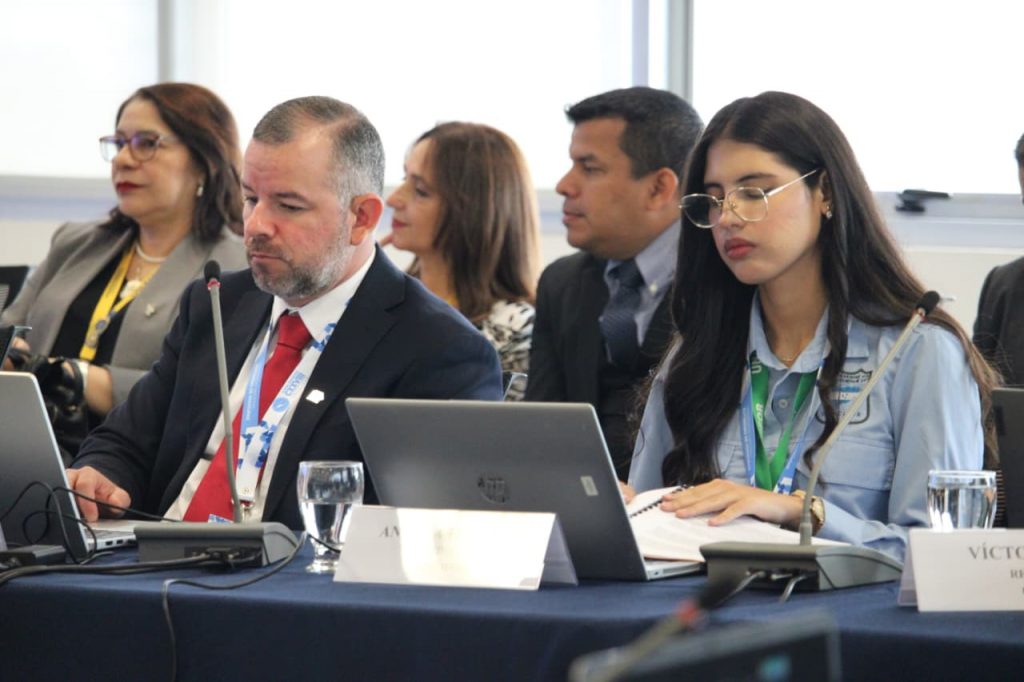
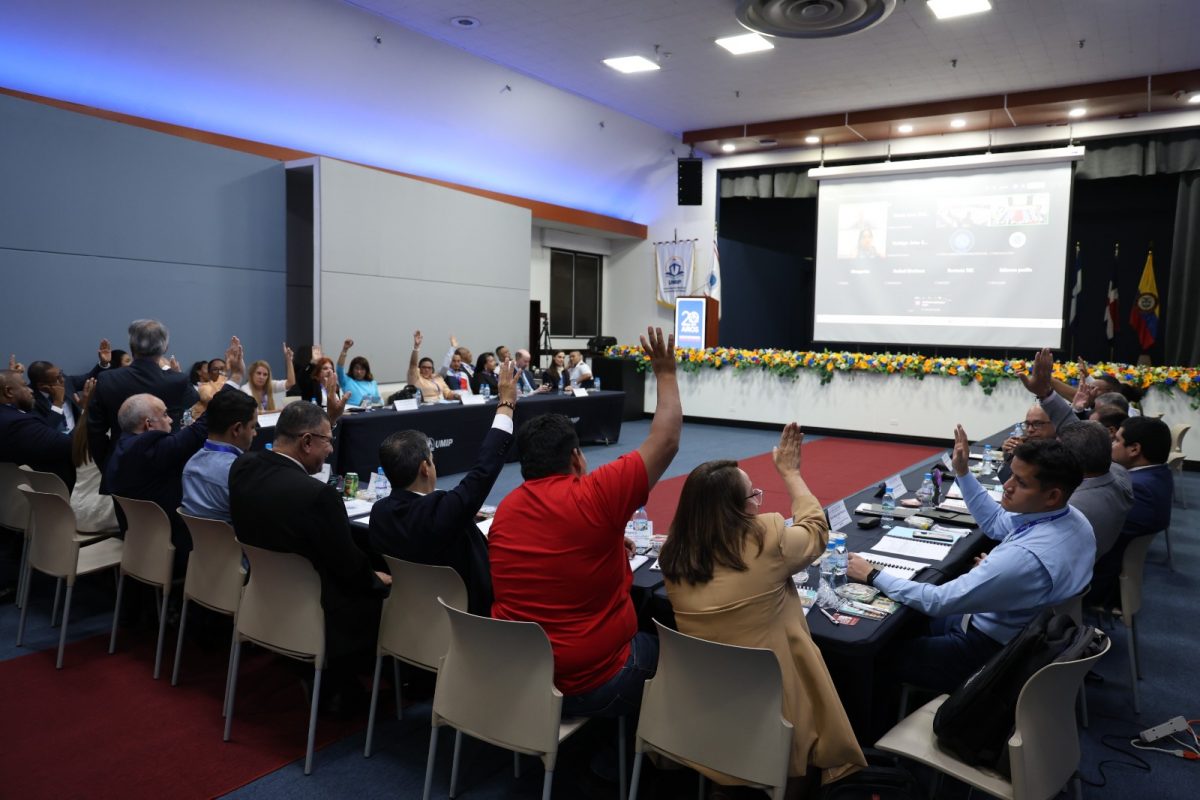
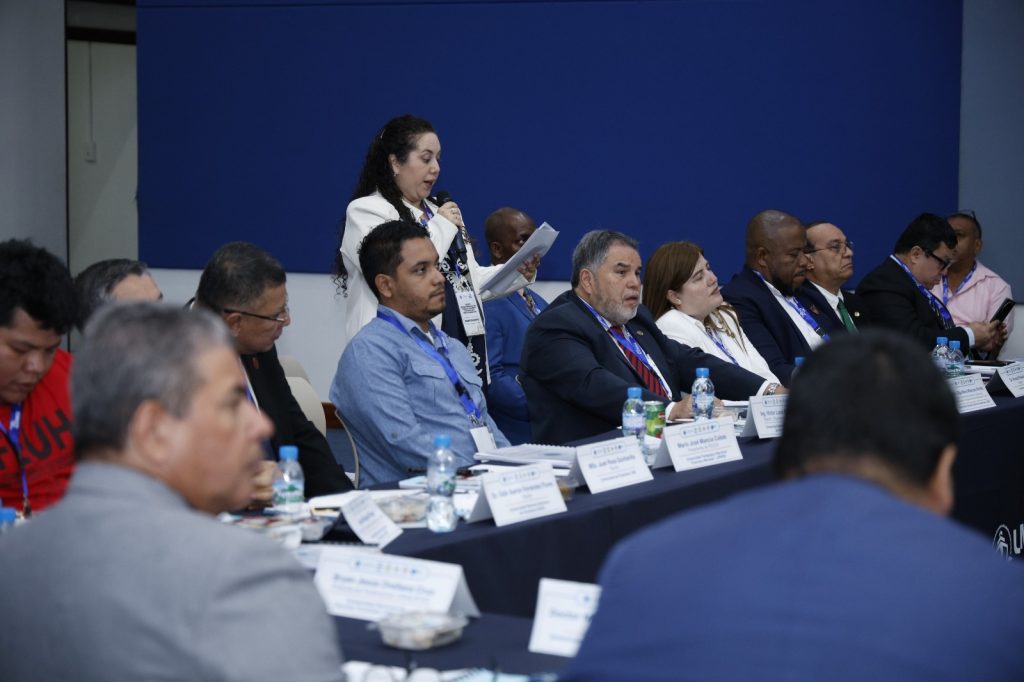
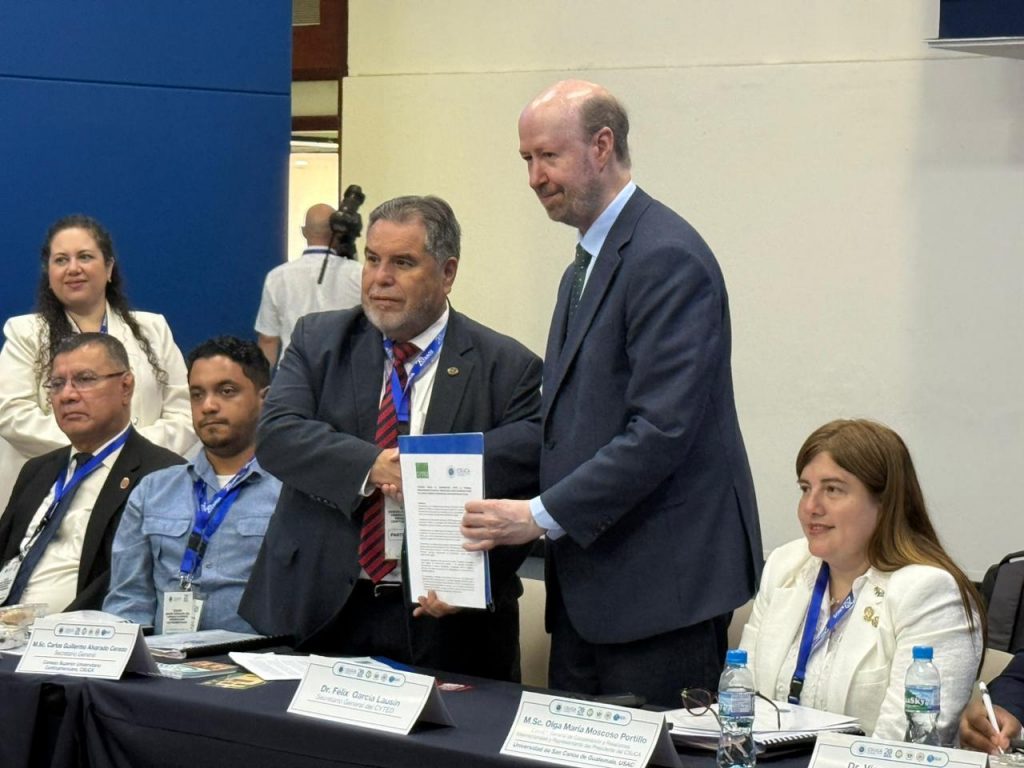
University authorities from Central America, the Dominican Republic, and Cuba are participating in the 127th Ordinary Session of the Central American Higher University Council (CSUCA), a regional forum focused on strengthening university integration, analyzing strategic issues, and building agreements for the development of public higher education in the region. The session is being held at the International Maritime University of Panama (UMIP), solidifying its position as a key space for decision-making and the coordination of regional initiatives.
The work agenda includes addressing issues related to institutional reports from the CSUCA Presidency, the General Secretariat, and the Federation of University Students of Central America and the Caribbean (FEUCA), as well as strategic processes related to academic cooperation and institutional strengthening.
Among the points addressed were the signing of the CYTED-CSUCA agreement; the presentation of the final report of the COIL course; the situation of the CSUCA Presidency for the period 2026–2027; the regional declaration on university scientific publication; the proposal of the Regulations of the Regional University Extension Award promoted by SICAUS; as well as requests for admission of new university institutions to the regional body.
The session also included the presentation of awards to former members of the organization and various points aimed at continuing to strengthen the Central American and Caribbean university agenda.
Furthermore, as part of the decisions adopted during the session, university authorities approved the incorporation of the Technological University of Eastern Cibao (UTECO), from the Dominican Republic, as a full member of CSUCA, strengthening the Caribbean's presence and participation in the regional body. Likewise, the incorporation of the Higher University Institution of Cartagena (UMAYOR), located in the Colombian island region of San Andrés, Providencia, and Santa Catalina, as an observer member was approved, expanding the spaces for academic collaboration, exchange, and regional cooperation promoted by the Central American Higher University Council.
Furthermore, university authorities approved establishing June 21 as the official date for the commemoration of Central American and Caribbean University Volunteer Day. This initiative aims to recognize and highlight the commitment, participation, and contributions of university communities to solidarity and social transformation projects carried out in the various countries of the region. The approval reaffirms the value of university volunteering as a mechanism for strengthening social responsibility, regional citizenship, and the connection between public universities and the needs and realities of their communities.
As part of the strategic agreements reached during the day, the university authorities that are members of CSUCA unanimously re-elected MSc. Carlos Alvarado Cerezo as secretary general of the organization for the period 2026–2030, a decision that reflects the support of the universities of the region for the management developed from the General Secretariat and the efforts promoted to strengthen university integration, academic cooperation and the articulated work between the member institutions.
The decision also reaffirms the confidence placed in a regional agenda aimed at continuing to strengthen academic, scientific and institutional development initiatives that contribute to responding, from public higher education, to the challenges and needs of Central America and the Caribbean.
Furthermore, in accordance with the institutional rotation mechanism that strengthens the organization's regional governance, the authorities agreed that the CSUCA Presidency for the period July 2026–June 2027 will be assumed by El Salvador, represented by Eng. MSc. Juan Rosa Quintanilla, Rector of the University of El Salvador (UES). Likewise, it was approved to transfer the Presidency to Belize for the following period, in response to a request submitted by the University of Belize, a decision that reaffirms the spirit of dialogue, consensus, and cooperation that characterizes the regional organization.
The CXXVII Ordinary Session reaffirms the commitment of the region's public universities to an articulated work agenda, focused on academic strengthening, regional cooperation, and building joint responses to the current challenges of Central America and the Caribbean.
.
 English
  Español de Guatemala