
San José, Costa Rica, 28 de septiembre de 2026
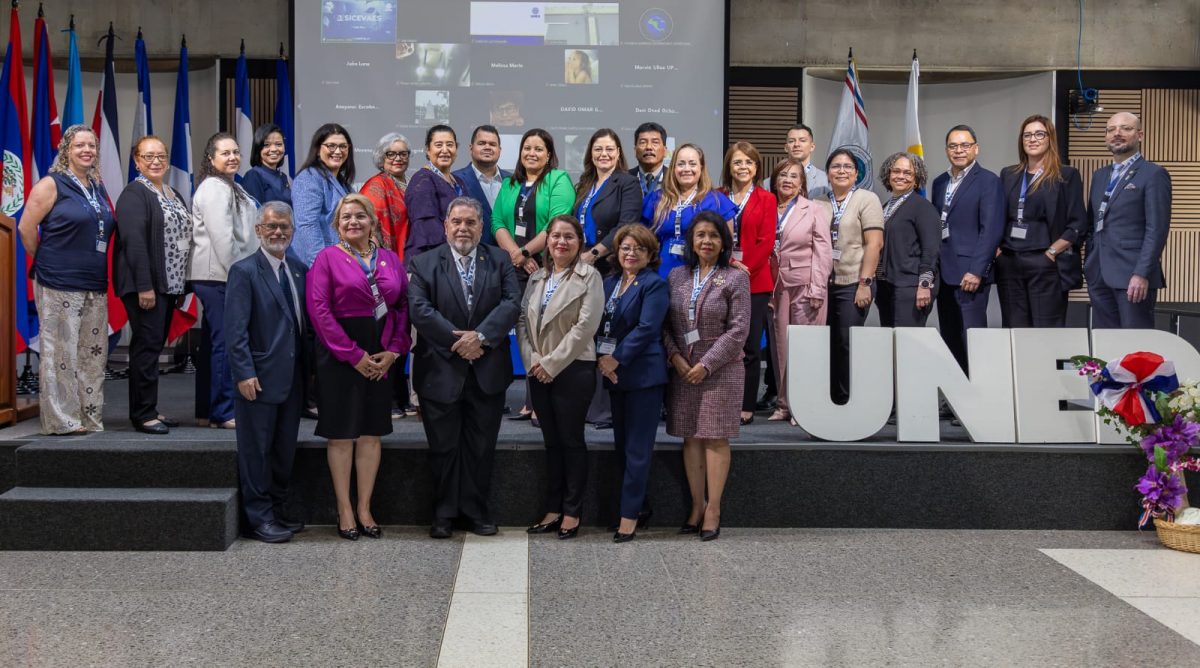
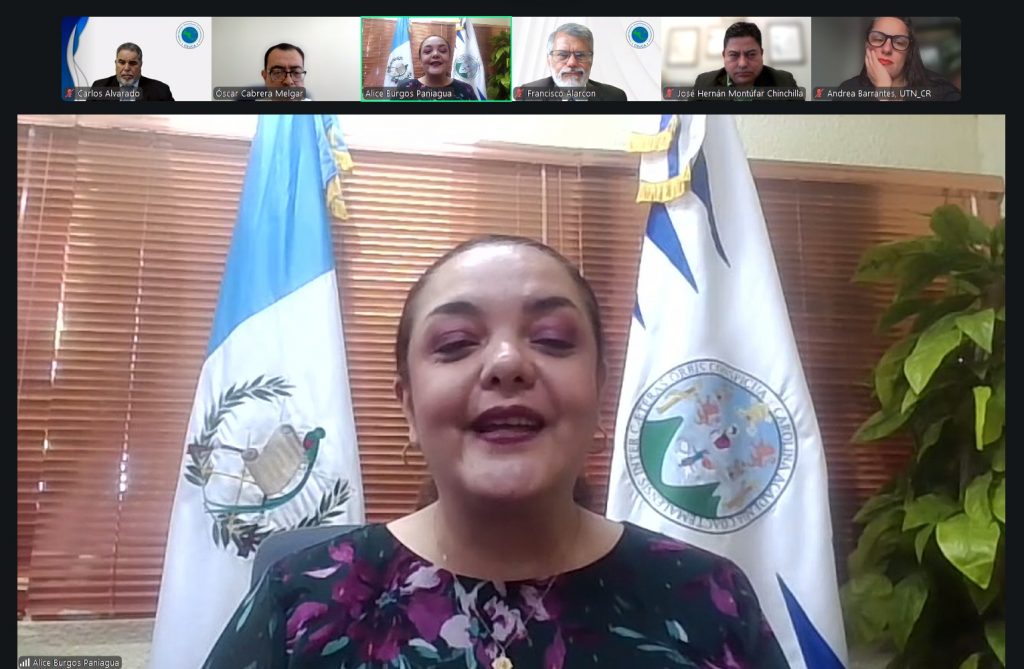
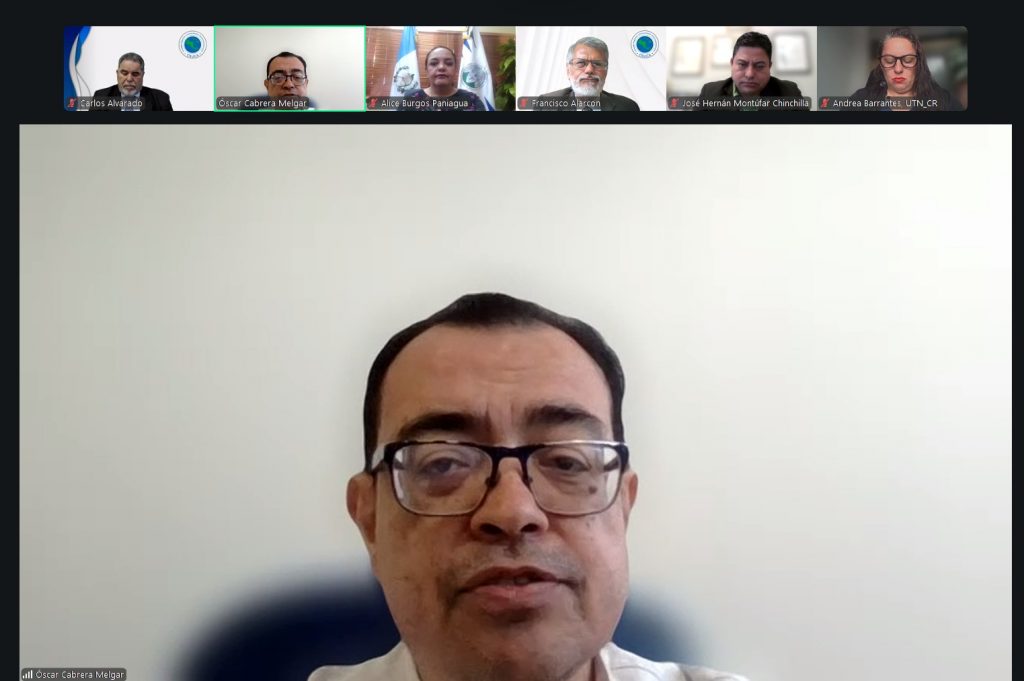
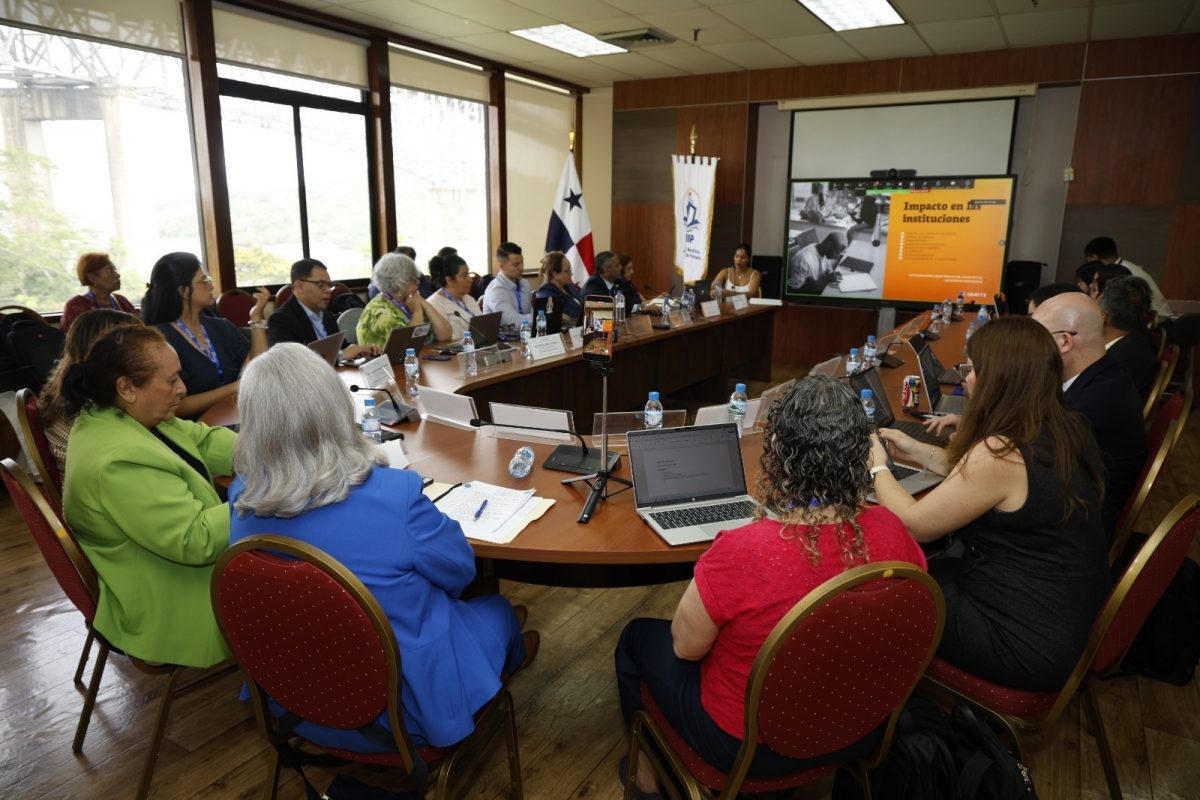
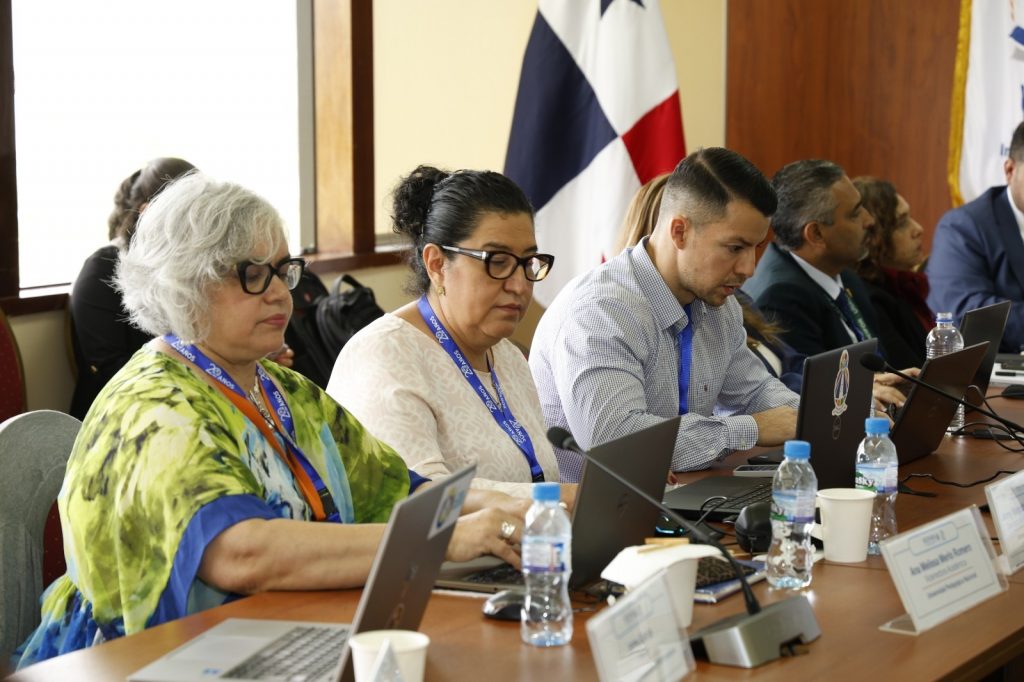
La Secretaría General del Consejo Superior Universitario Centroamericano (CSUCA) participó este lunes en la inauguración de la 61 reunión del Sistema Centroamericano de Evaluación y Armonización de la Educación Superior (SICEVAES), encuentro regional que reúne a autoridades académicas y delegaciones universitarias para fortalecer el trabajo conjunto en materia de calidad, evaluación, armonización y transformación de la educación superior de las universidades que integran la Confederación Universitaria Centroamericana.
La reunión se desarrolla en la Universidad Estatal a Distancia (UNED), en Sabanilla de Montes de Oca, San José, Costa Rica, y contempla sesiones del Comité de Coordinación Regional (CCR) y de la Comisión Técnica (CT), así como espacios académicos y jornadas de trabajo orientadas al seguimiento de los objetivos estratégicos regionales.
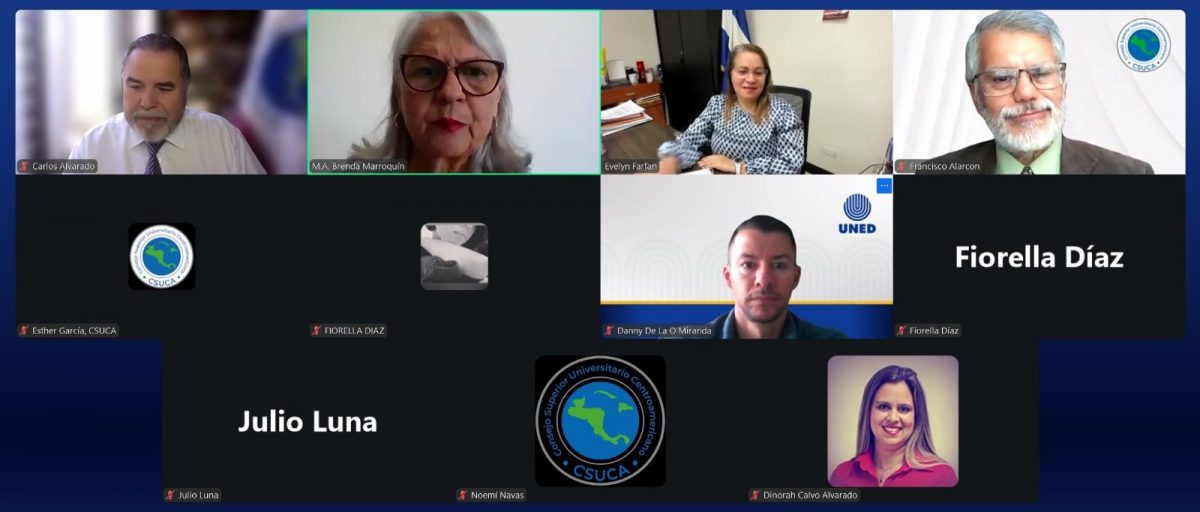
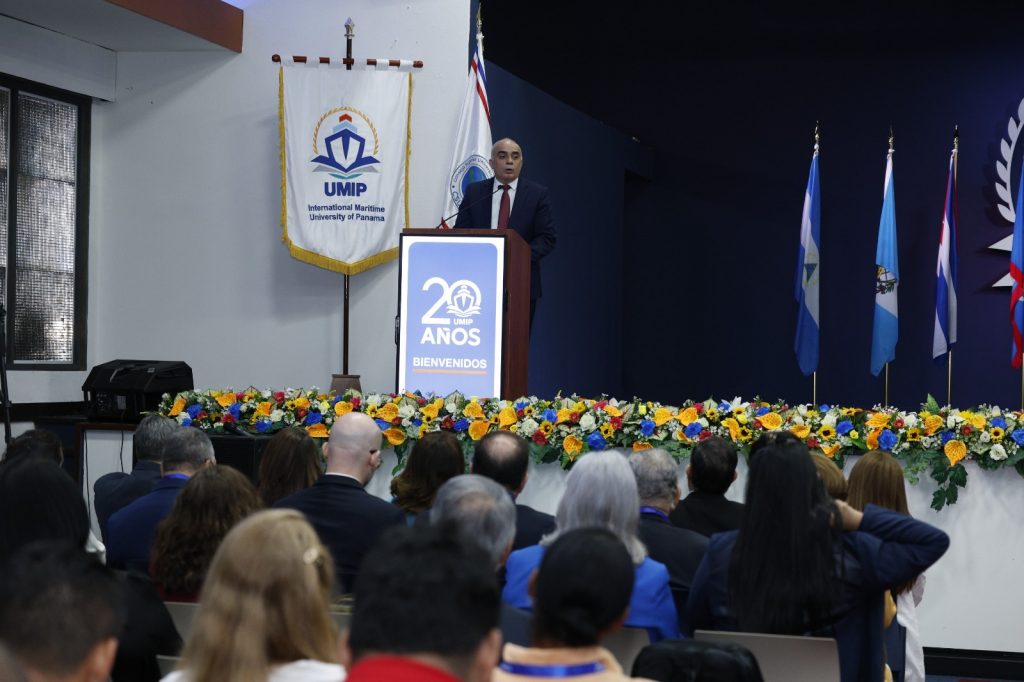
El acto inaugural contó con la participación del MBA. Rodrigo Arias Camacho, rector de la UNED; Dr. Carlos Guillermo Alvarado Cerezo, secretario general del CSUCA; Dra. Evelyn Beatriz Farfán Mata, vicerrectora académica de la Universidad de El Salvador y presidenta del SICEVAES; y Dra. Mildred Acuña Sossa, vicerrectora de Docencia de la UNED.
Durante la bienvenida, la Dra. Mildred Acuña Sossa destacó el valor de estos encuentros para reconocer a Centroamérica y el Caribe como una región que comparte desafíos, una historia de cooperación y una profunda convicción sobre el papel transformador de la educación superior. Señaló que las universidades enfrentan retos relacionados con la calidad y pertinencia académica, la ampliación de las oportunidades de acceso, la diversidad de las trayectorias estudiantiles, el fortalecimiento de la formación docente y el aprovechamiento responsable de las tecnologías y las nuevas formas de aprendizaje.
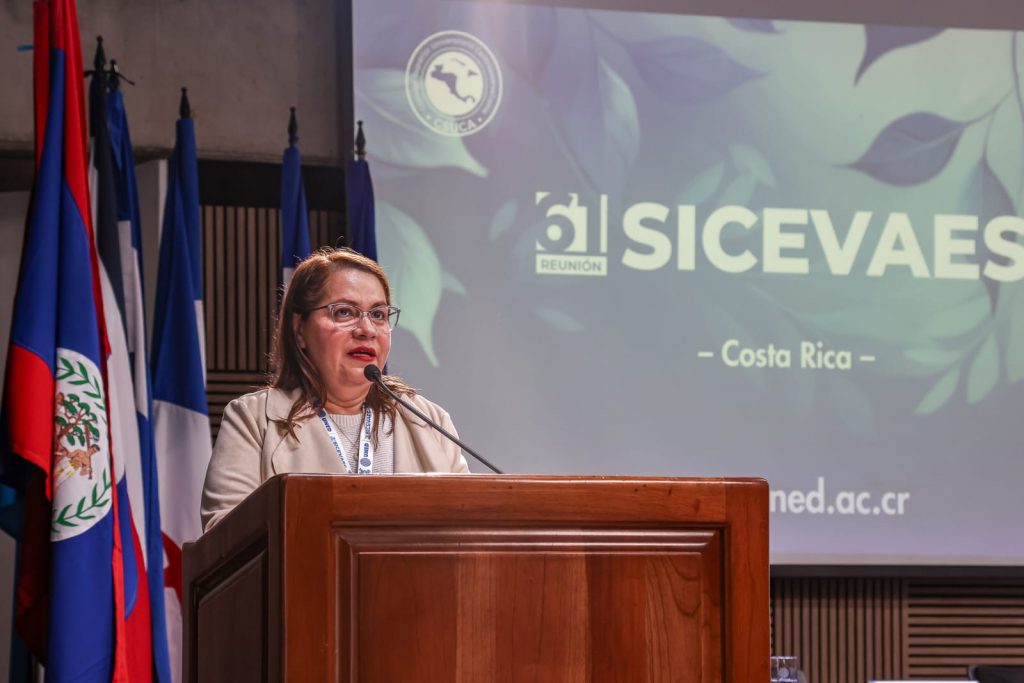
Por su parte, la Dra. Evelyn Beatriz Farfán Mata, quien participa en su primera reunión desde que asumió la presidencia del SICEVAES, resaltó la responsabilidad de las vicerrectorías académicas y de docencia de avanzar conjuntamente hacia una educación superior pública de calidad, pertinente y con compromiso social. Asimismo, enfatizó la importancia de responder de manera articulada a los desafíos académicos, científicos, sociales, tecnológicos y ambientales de la región, en un contexto de transformaciones que demanda reflexionar sobre el futuro de las universidades y de la educación superior.
El MBA. Rodrigo Arias Camacho, rector de la UNED, señaló que la Reunión 61 representa una oportunidad para reafirmar el compromiso regional con una educación superior de calidad, pertinente, inclusiva y vinculada con las necesidades de cada país. Destacó que la evaluación y la acreditación no deben entenderse únicamente como procesos técnicos o administrativos, sino como expresión del compromiso institucional con el mejoramiento continuo. Asimismo, subrayó la importancia de fortalecer las alianzas regionales para responder a las transformaciones económicas, sociales y tecnológicas que plantean nuevos escenarios para las universidades.
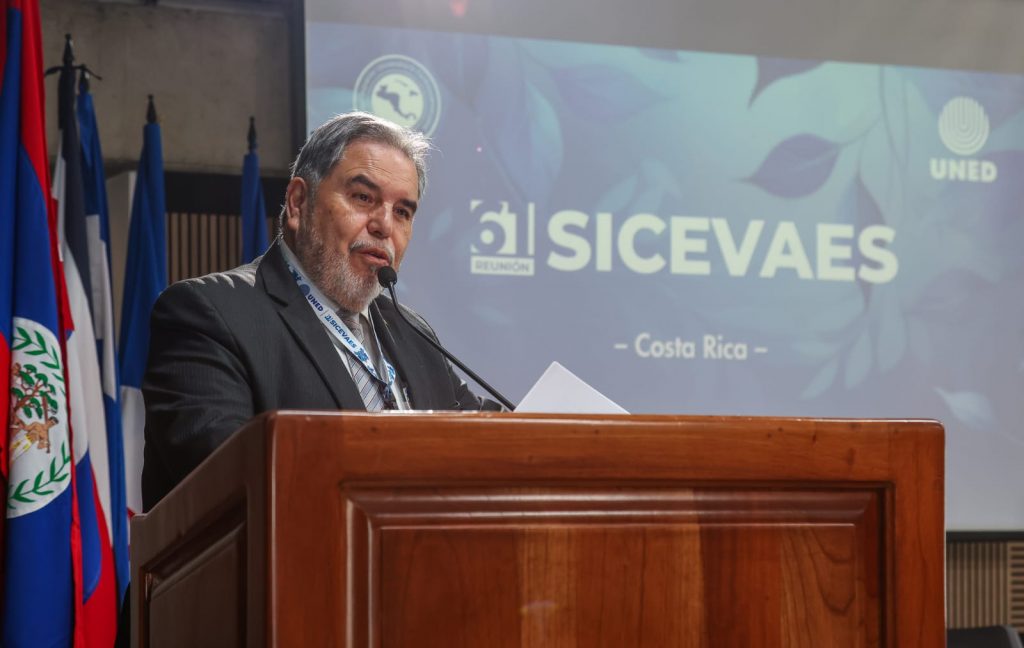
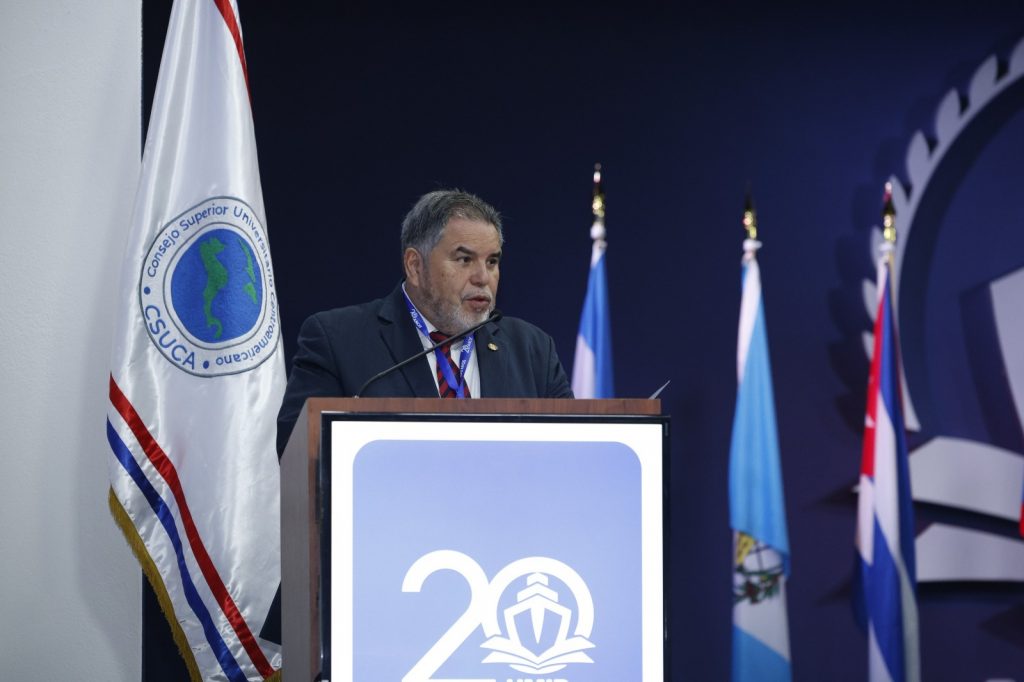
El MSc. Carlos Guillermo Alvarado Cerezo, secretario general del CSUCA, reconoció la trayectoria y contribución del SICEVAES al fortalecimiento de la calidad, la evaluación y la armonización de la educación superior regional, mediante la construcción de referentes comunes, el intercambio de experiencias entre las instituciones y el desarrollo de una visión regional sustentada en la cooperación, el mejoramiento continuo y el reconocimiento de la diversidad de los sistemas educativos.
Asimismo, el MSc. Carlos Alvarado Cerezo, destacó las profundas transformaciones que atraviesa actualmente la educación superior, entre ellas la acelerada evolución tecnológica, las nuevas modalidades de aprendizaje y la necesidad de ofrecer trayectorias formativas más flexibles, requieren respuestas conjuntas. En este sentido, enfatizó que la transformación educativa no consiste únicamente en incorporar nuevas tecnologías o modalidades de enseñanza, sino también en fortalecer las capacidades del personal académico, generar condiciones para la innovación, garantizar la accesibilidad y procurar que cada cambio contribuya efectivamente a mejorar los aprendizajes y ampliar las oportunidades de formación.
Una agenda regional para la calidad y la transformación
Durante esta reunión, se abordarán temas vinculados con la capacitación docente como estrategia para la promoción de la calidad, la virtualización universitaria con enfoque sistémico, el aprendizaje a lo largo de la vida, la producción de materiales didácticos en contextos de automatización y autogestión, las microcredenciales y el Marco de Cualificaciones.
La agenda contempla además la revisión y posible reorganización de las comisiones responsables del impulso y seguimiento de los objetivos estratégicos del Programa 3 del PIRESC V, así como el trabajo de las comisiones permanentes y la planificación de actividades preparatorias del X Congreso Universitario Centroamericano durante el período 2026-2027.
En este marco, el secretario general del CSUCA destacó la relevancia de los aportes que realizará el SICEVAES al X Congreso Universitario Centroamericano, cuya plenaria se desarrollará del 19 al 22 de octubre de 2027 en Honduras, como un espacio para reflexionar sobre el rumbo de la educación superior pública en Centroamérica y el Caribe y construir, de manera conjunta y participativa, las prioridades que orientarán el trabajo de la Confederación Universitaria Centroamericana durante los próximos años.
Como parte de las jornadas también se presentará el Informe de la Secretaría General del CSUCA, a cargo del MSc. Carlos Guillermo Alvarado Cerezo, y se desarrollarán sesiones de trabajo por objetivos, cuyos resultados serán posteriormente presentados y discutidos por las comisiones del SICEVAES.
La 61 asamblea del SICEVAES constituye un espacio para fortalecer la articulación y cooperación entre las universidades públicas de Centroamérica y el Caribe, compartir experiencias y construir respuestas conjuntas ante los desafíos actuales de la educación superior, con énfasis en la calidad académica, la innovación, la armonización regional y el mejoramiento continuo.

 English
  Español de Guatemala