Tuxtla Gutiérrez, October 14, 2025
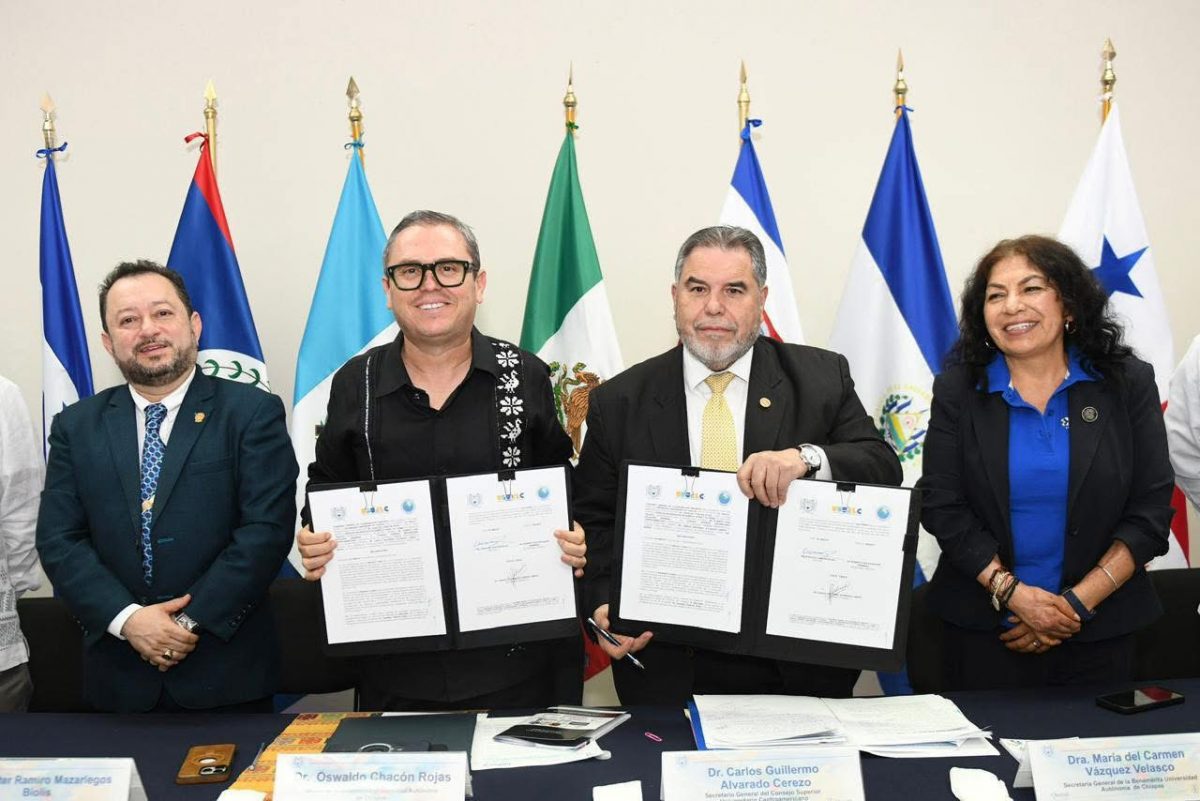
With the purpose of strengthening academic mobility and inter-university cooperation between seven Central American countries and Mexico, the Central American Higher University Council (CSUCA), the Autonomous University of Chiapas (UNACH) and the University of San Carlos of Guatemala (USAC) formalized the signing of the University Program “Quetzal: Common Space of Higher Education Chiapas–Central America”.
The Quetzal Program represents a significant step in building the Central American and Caribbean Common Space for Higher Education, one of the strategic pillars promoted by CSUCA through its General Secretariat. This initiative will foster academic mobility, collaborative research, shared training, and curricular convergence as cornerstones for strengthening cooperation among public universities, beginning with seven countries in the region.
During the signing ceremony, the Secretary General of CSUCA, Carlos Guillermo Alvarado Cerezo, emphasized that the Quetzal Program is a concrete manifestation of the ideals of freedom, integration, and intercultural dialogue that have inspired CSUCA since its founding. “Knowledge should be a bridge that unites our realities, cultures, and common challenges. This program represents that vision of unity and collaboration that distinguishes the Central American public university,” he stated.
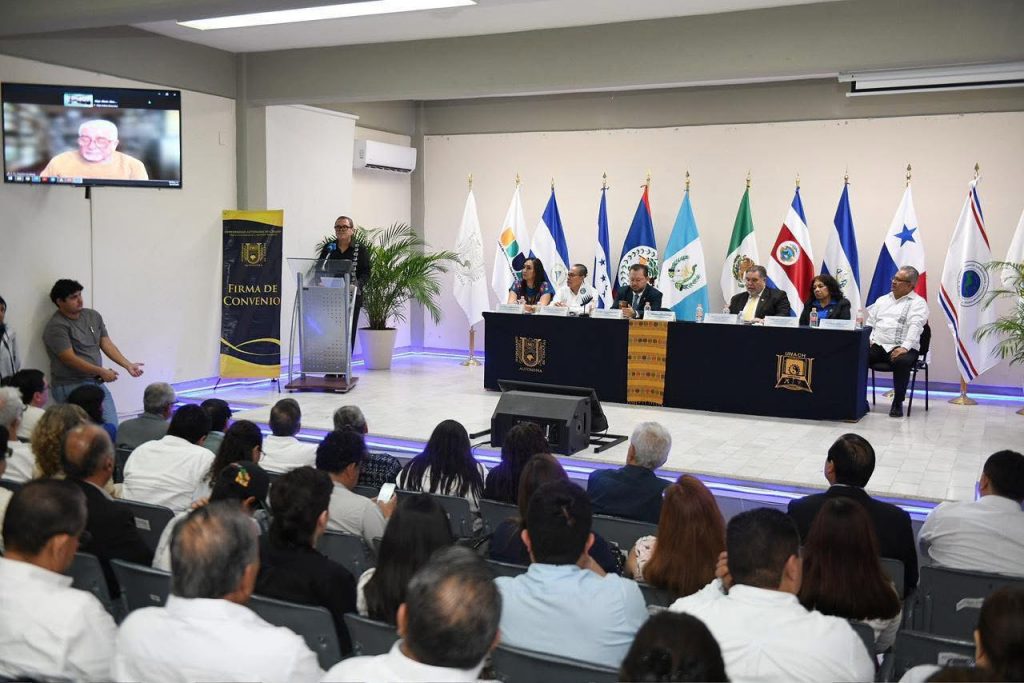
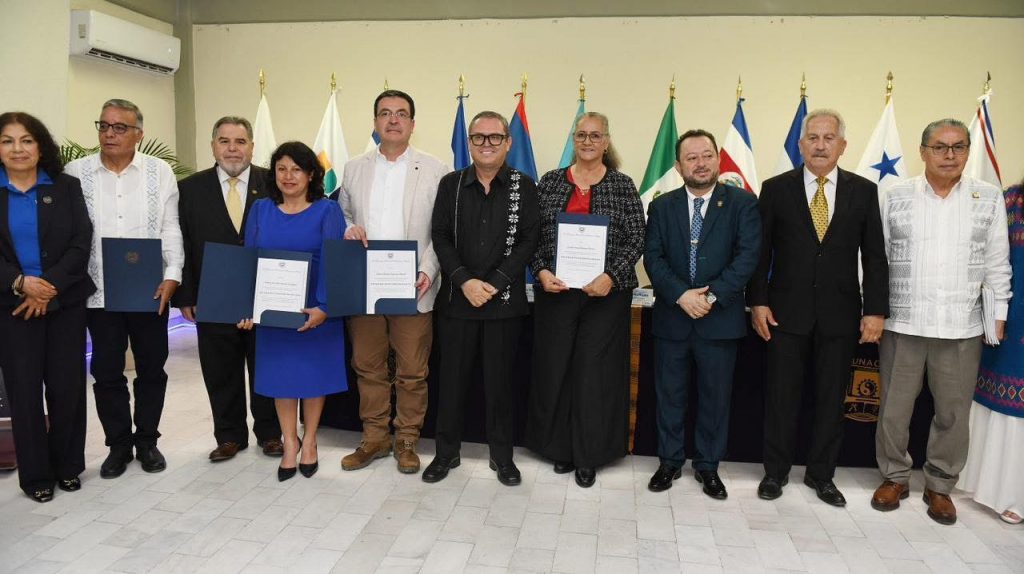
The agreement, signed within the framework of the UNACH 2025 International Book Fair, was attended by academic authorities from UNACH, USAC and representatives of regional university networks, who agreed that coordinated work between higher education institutions is essential to face the social, environmental and technological challenges of the region.
The Quetzal University Program is an alliance that consolidates the institutional commitment to promote integrated, supportive and regionally relevant higher education, through the promotion of academic integration policies, strengthening teaching, research and university extension for the benefit of the peoples of Central America and the Caribbean.
 English
  Español de Guatemala