During the months of August and October, Guatemala developed various actions aimed at strengthening food security, promoting scientific innovation and consolidating regional articulation, as part of Project 7-GT, promoted by the CUNSARO USAC–UES–UNAG Consortium and supported by CSUCA–IDRC of Canada.
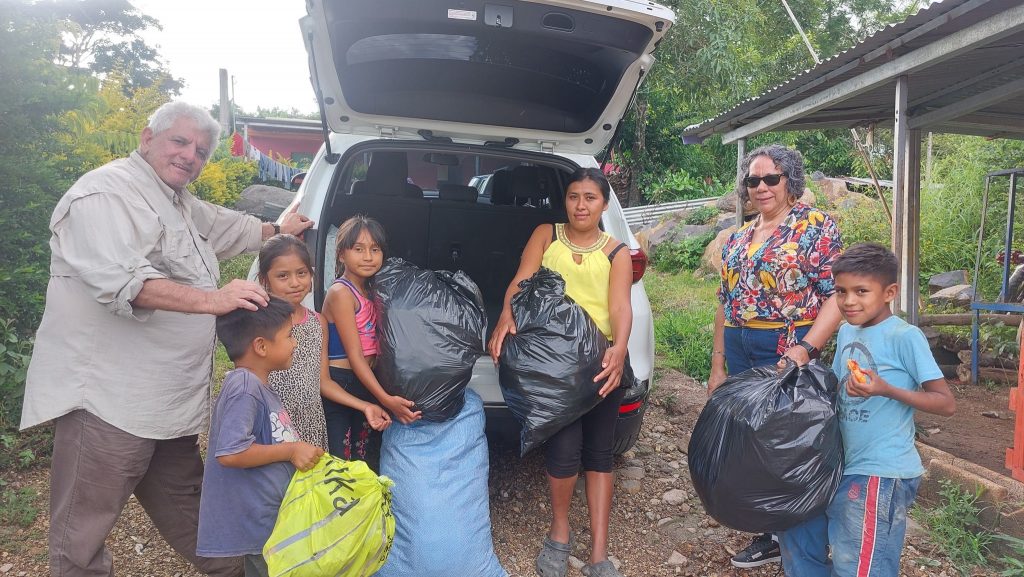
On August 14, a solidarity contribution was delivered to the Association of Women of El Ixcanal I, Comapa, represented by Mrs. Brenda Joaquin, intended to support the families affected by the earthquakes that occurred on July 29, 2025. This action reaffirmed the consortium's commitment to community resilience and support for vulnerable territories.
Subsequently, on August 20, the webinar “Use of Remote Sensing and Image Spectrometry in Agricultural Production” was held, a technical update focused on food security in the Central American Dry Corridor. The event provided an opportunity to reflect on the role of technological tools in improving agricultural productivity in areas affected by drought and climate variability.
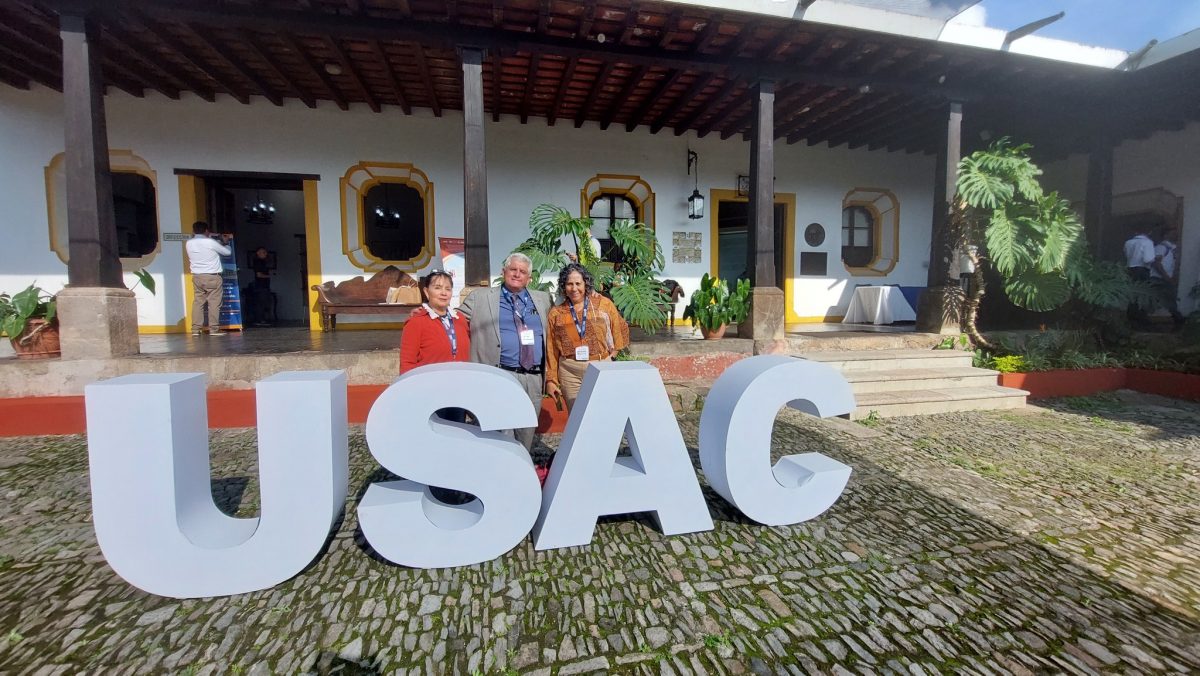
On October 8, representing Project 7-GT, we participated in the VII Biennial Meeting of Research and Postgraduate Studies of Central America and the Caribbean (SIRCIP – CSUCA), held at the Hotel Museo Casa Santo Domingo in Antigua, Guatemala. This meeting served as a meeting point for academic and scientific exchange, strengthening research and postgraduate studies in the region.
During the continuation of the activities, on October 9, Dr. Milton Sandoval presented the lecture “Food Security in Ixcanal 2, Comapa, Jutiapa,” at an event held at the Santo Tomás de Aquino School in Antigua Guatemala. The presentation highlighted the importance of applied knowledge to address food challenges in rural communities.
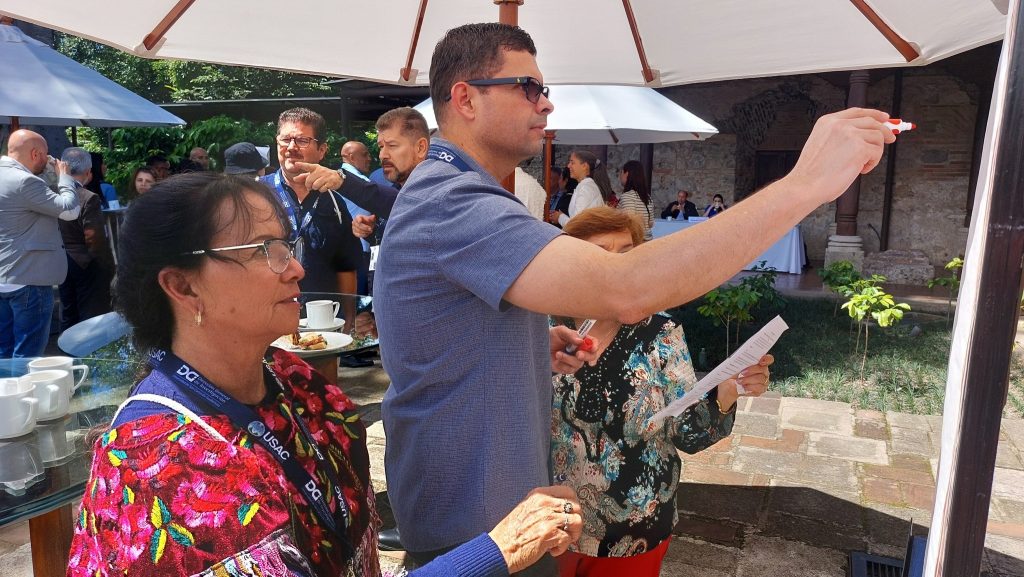
Finally, on October 10, project representatives participated in the working groups “Climate Collaboration: Strategies for an Inter-, Multi-, and Transdisciplinary Approach in the Region,” held as part of the VII Biennial Meeting of Postgraduate Researchers. This forum fostered collaboration among institutions and specialists to promote climate adaptation strategies from a comprehensive perspective.
 English
  Español de Guatemala