
Honduras, May 2025
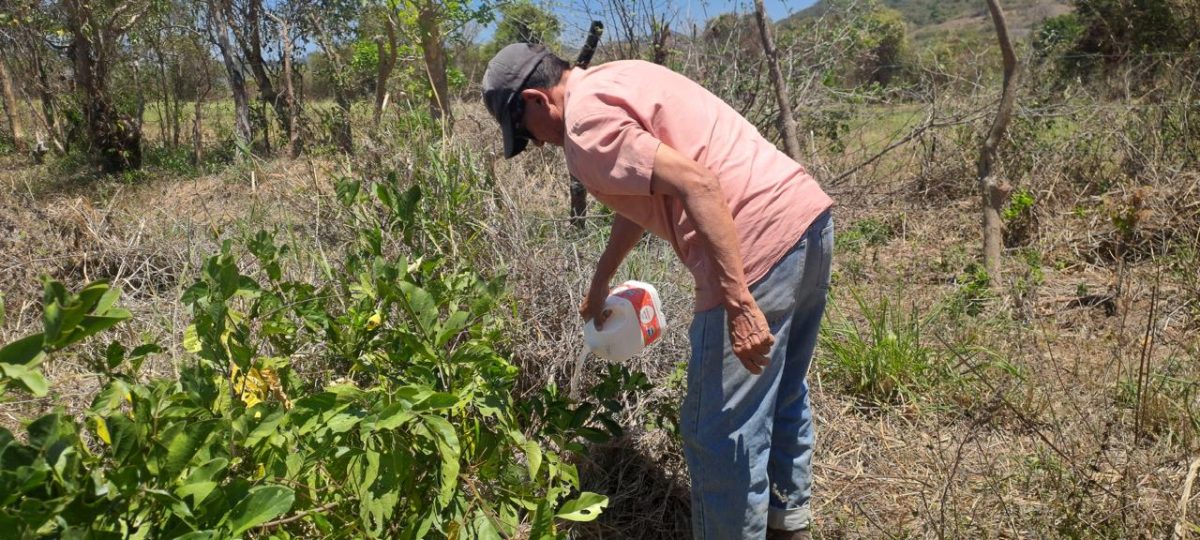
In Honduras' Dry Corridor, agricultural activities face a persistent challenge: water scarcity for approximately eight months of the year. This situation seriously compromises the survival of fruit crops, forcing producers to implement efficient irrigation systems that operate with minimal amounts of water, often transported from long distances.
Given this context, it becomes essential to incorporate low-cost and sustainable agroecological principles, strategies, and practices that allow rural communities to adapt to increasing climate variability.
As part of the regional project “Strengthening risk management in agri-food systems that contributes to food and nutritional security to face climate change in the Dry Corridor of Guatemala, El Salvador and Honduras 2023-2024” (7-GT), Concrete actions are being developed in the municipalities of San Matías, El Paraíso and El Triunfo, in the department of Choluteca.
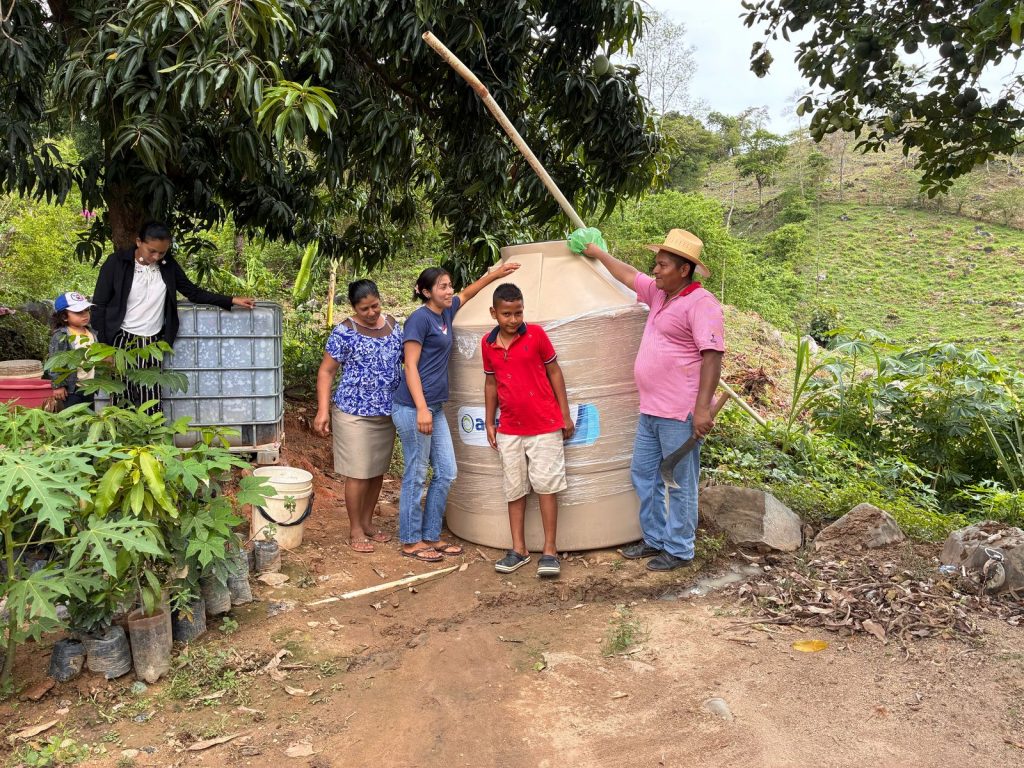
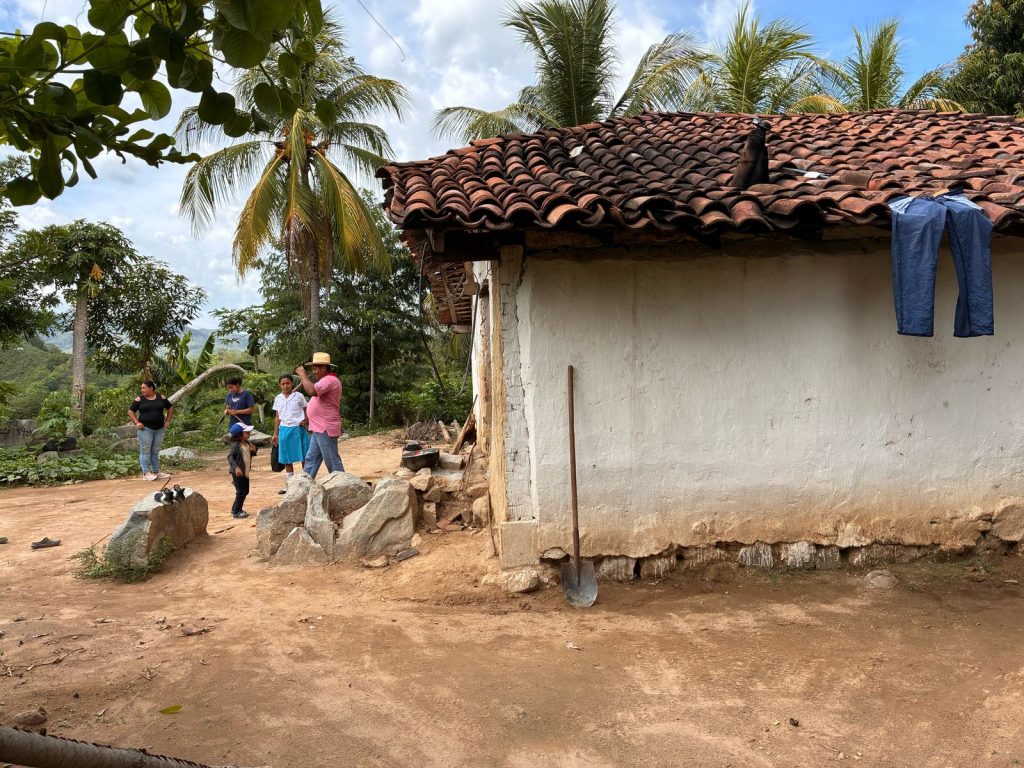
The images accompanying this article show local producers carrying out irrigation work with great effort, reflecting the commitment and resilience of the communities in the face of adverse weather conditions.
Within the framework of the project, coordinated in Honduras by the National University of Agriculture (UNAG), the installation of low-cost irrigation systems has begun, including the placement of a storage tank on the El Triunfo plot, as a key measure to optimize the use of water resources and ensure agricultural production during the dry season.
These actions strengthen climate risk management in agri-food systems, directly contributing to the food and nutritional security of rural families in the Honduran Dry Corridor.
 English
  Español de Guatemala