
Central America, July 24, 2024
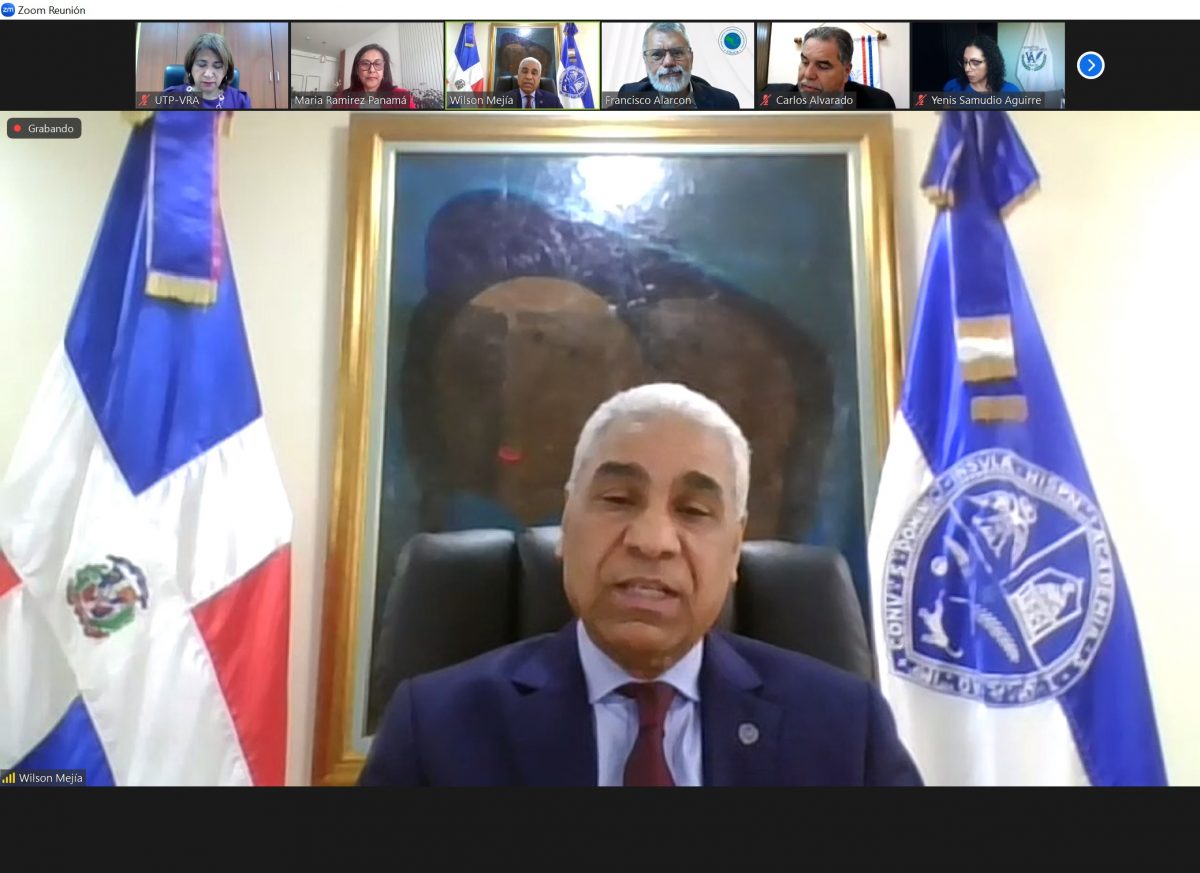
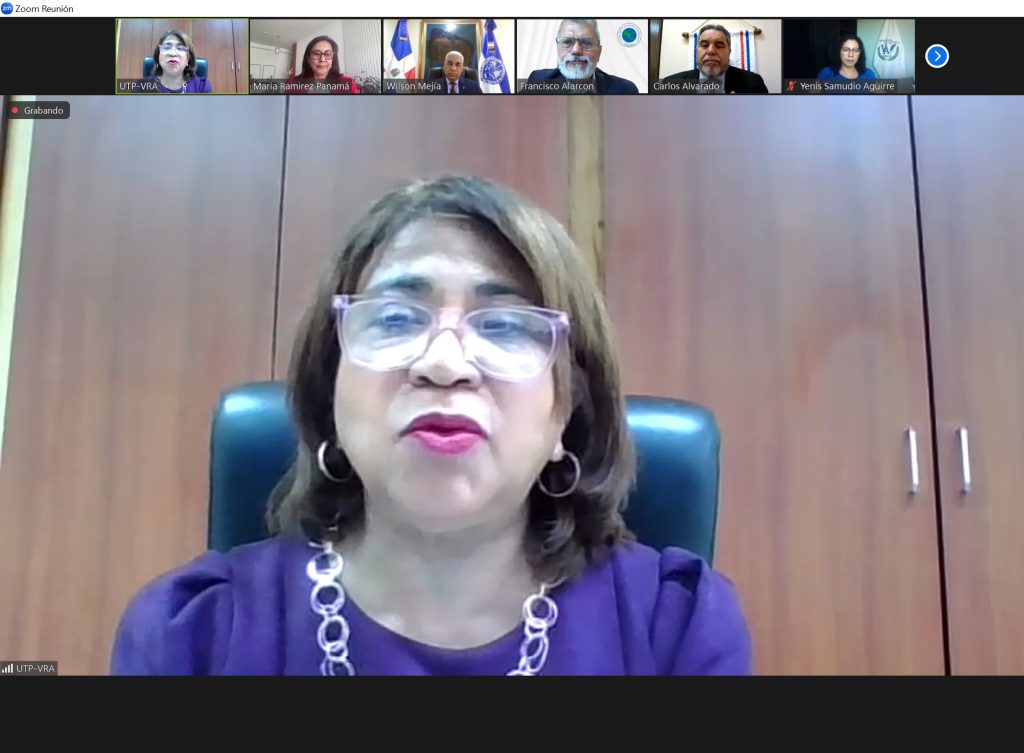
Today, in a virtual format, the transfer of the presidency of the Central American System for Evaluation and Harmonization of Higher Education -SICEVAES- took place, with Ángela Laguna of the Technological University of Panama handing over the position to Wilson Mejía of the Autonomous University of Santo Domingo.
SICEVAES is the system that promotes a culture of quality, evaluation, and accountability to society in member universities, using evaluation and accreditation as a strategy for managing change, modernization, and improvement. According to the system's operating regulations, the presidency rotates annually to the country holding the presidency of the Central American Higher University Council; in this case, it is the Dominican Republic, which holds the presidency from Panama.
Ángela Laguna, the outgoing president, in presenting her report, highlighted the importance of collaborative work with the vice-rectors and directors of teaching at member universities, for the development and fulfillment of the Fifth Plan for the Integration of Higher Education in Central America and the Dominican Republic -PIRESC V-.
In addition, a review of the activities planned for the second half of the current year was carried out by the Technical Commission and the committees for promoting and monitoring the strategic objectives of program 3 of PIRESC V.
For his part, Wilson Mejía, the incoming president, stated, “We will promote regional mechanisms for international accreditation of the quality of university education and the harmonization and academic integration of higher education in the region. In other words, we will advocate for improved quality in curricula to foster integration, development, and an improved quality of life in the countries of Central America and the Dominican Republic.”.
For his part, Carlos Alvarado, Secretary General of CSUCA, mentioned the importance of universities, especially through SICEVAES, in promoting social change towards greater global human development. A key instrument in this is the implementation of the Central American Qualifications Framework for Higher Education (MCESCA), which aims to promote curricular innovation by focusing on expected learning outcomes, foster regional academic harmonization, define a common regional benchmark, and provide greater transparency to university degrees offered in the region; as well as ensure ongoing teacher training, which is so important for academic quality.,
as part of the curriculum, methodologies, technology, pedagogy, among others, that provide value to students and are relevant within that context.
 English
  Español de Guatemala