SICEVAES strengthens regional agenda on innovation, academic harmonization and quality assurance

Panama City, Panama, May 18, 2026

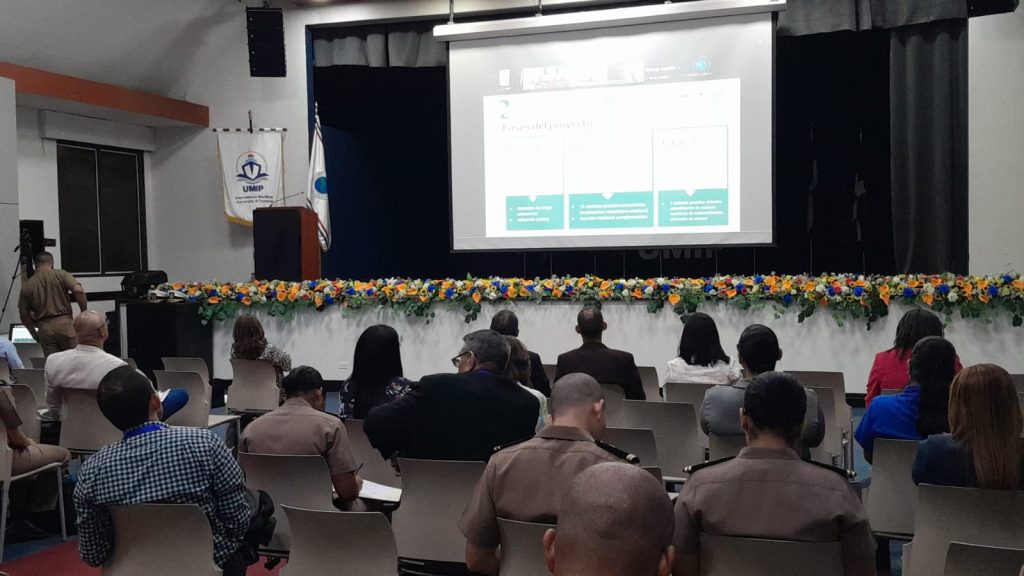
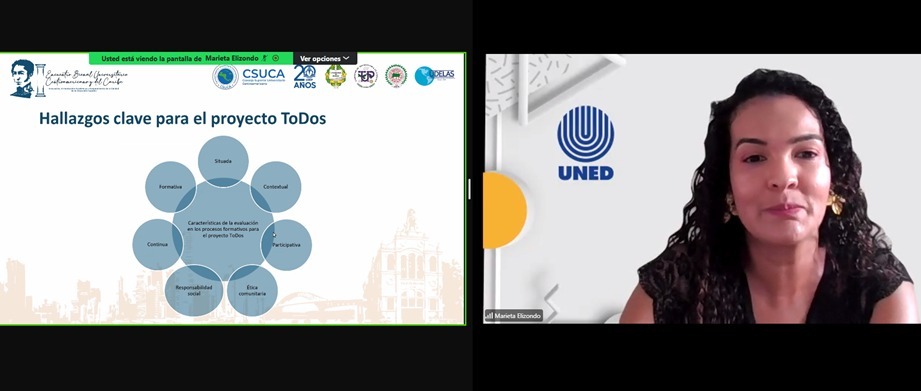
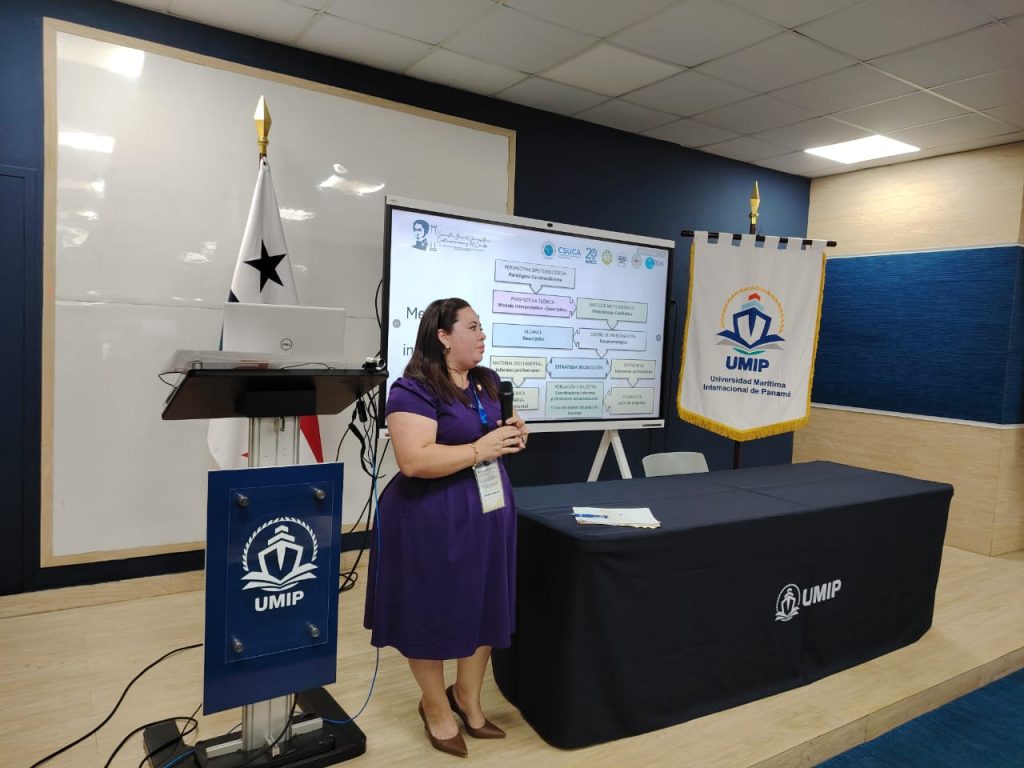
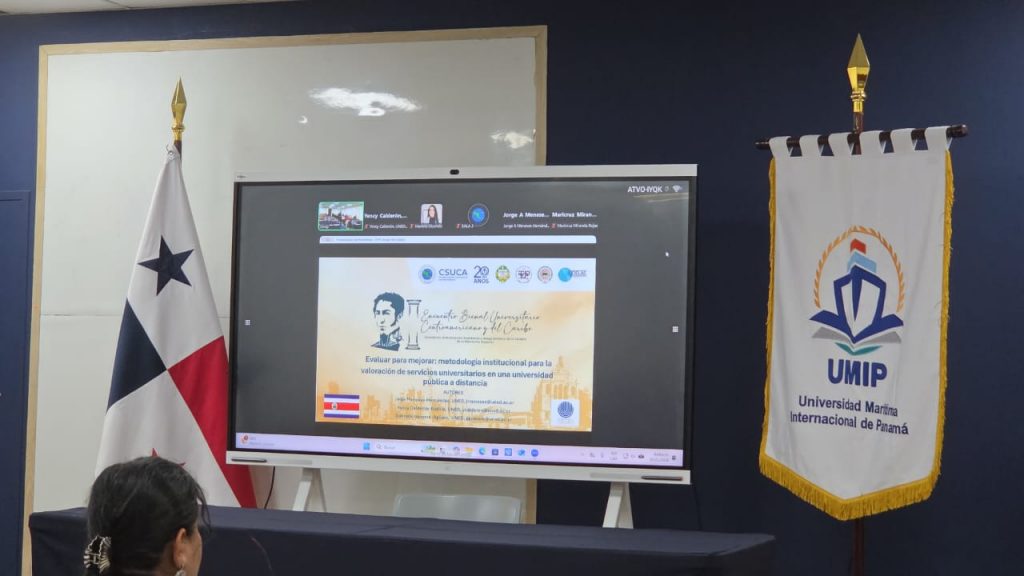
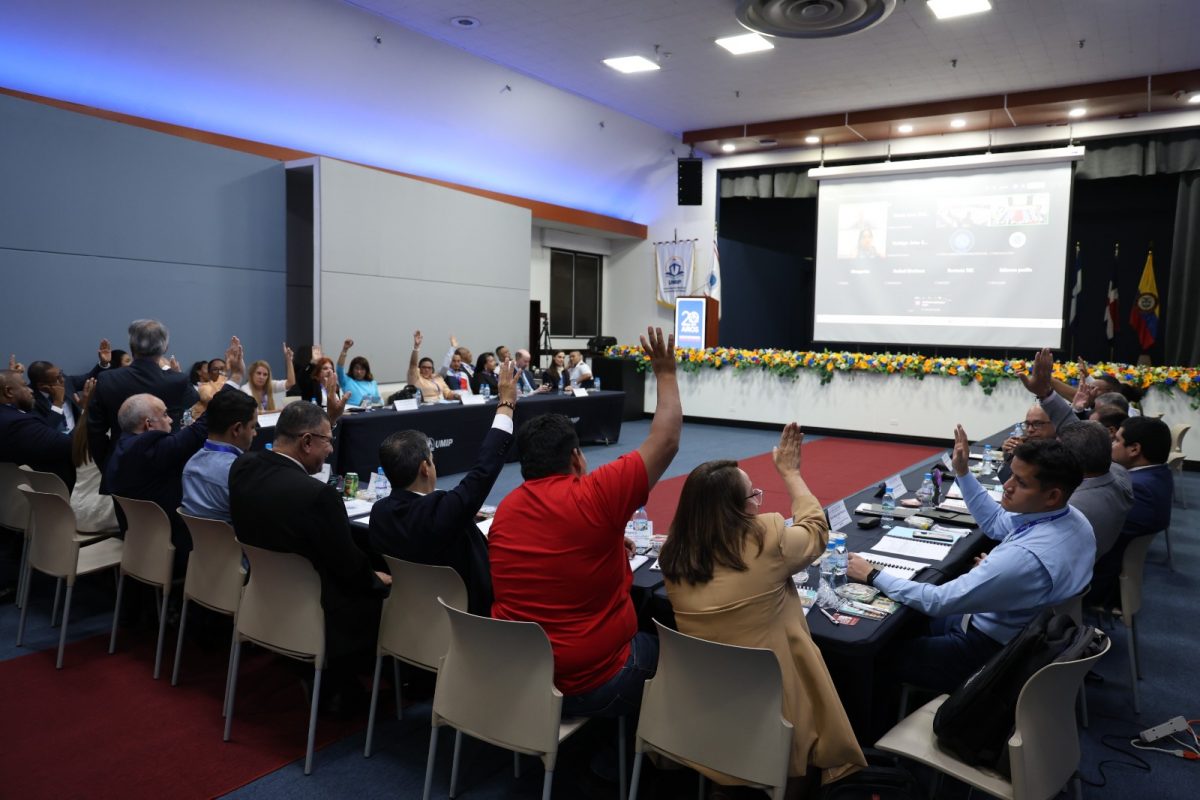
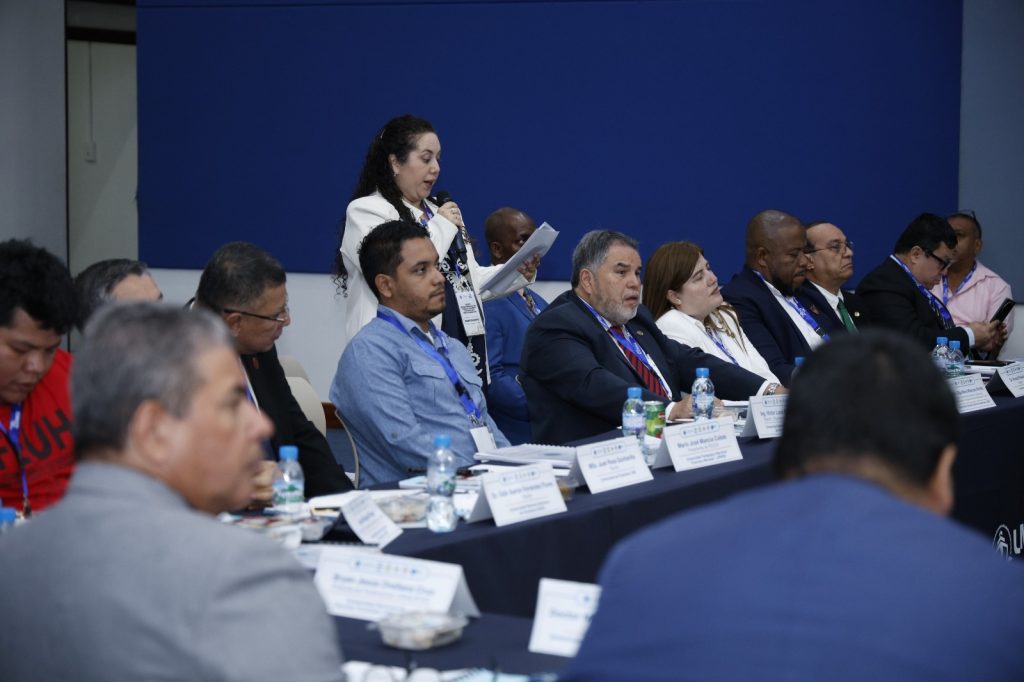
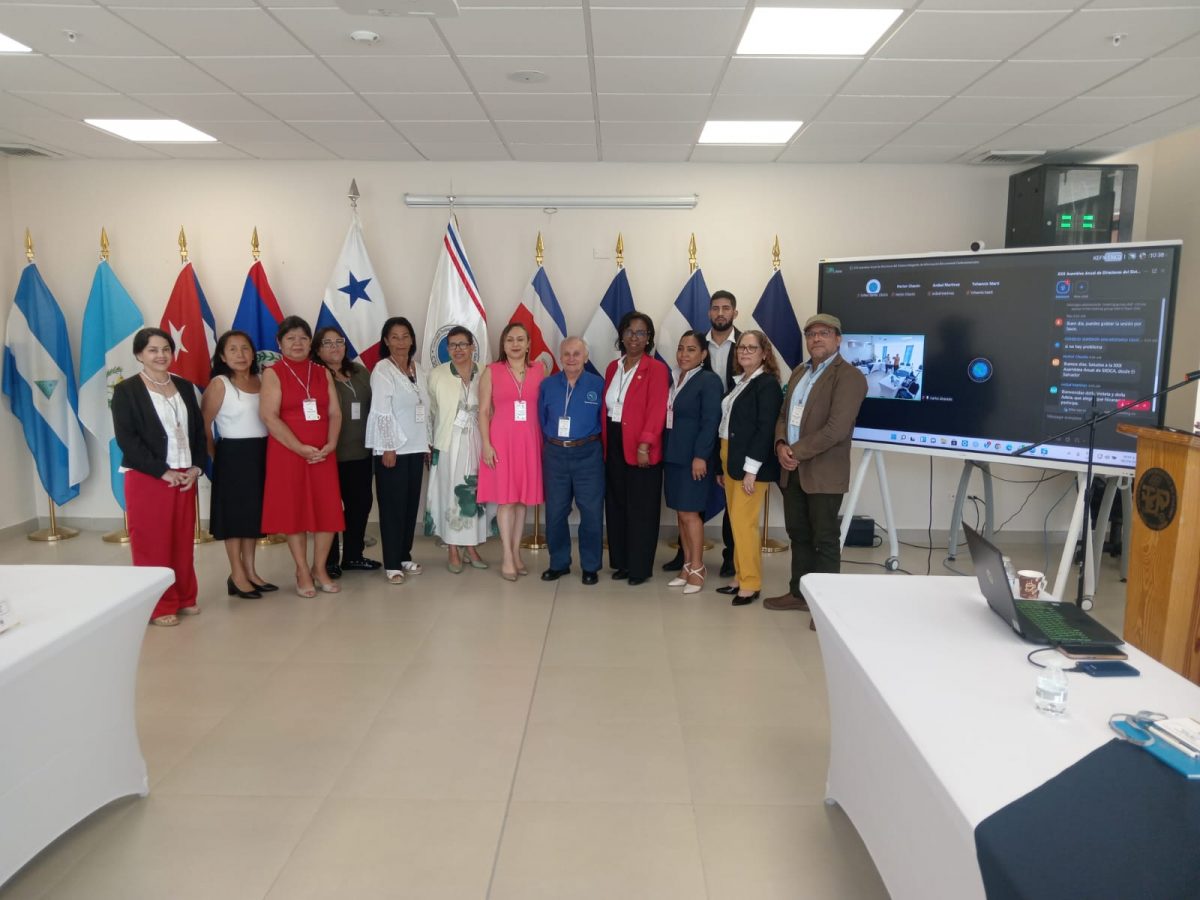
University authorities and regional specialists participate in the LX Meeting of the Central American System of Evaluation and Accreditation of Higher Education (SICEVAES), a space aimed at strengthening regional strategies for innovation, academic harmonization and assurance of educational quality.

The meeting is being held at the International Maritime University of Panama and brings together the Regional Coordination Committee and the Technical Commission of the system to address strategic issues related to the quality and transformation of higher education.

Among the main agenda items are the progress of the strategic commissions of Program 3 of PIRESC V, innovation in teaching and learning processes, regional academic harmonization and the strengthening of accreditation and quality management mechanisms.

The meeting also incorporates the organizational follow-up of the 1st Central American and Caribbean Biennial of Innovation, Academic Harmonization and Quality Assurance of Higher Education, strengthening spaces for exchange and regional cooperation.

The activities developed seek to continue consolidating an innovative, articulated regional higher education committed to the needs of the Central American and Caribbean peoples.

CSUCA inaugurates regional academic week together with SICEVAES and the 1st Central American and Caribbean Biennial

Panama City, Panama, May 18, 2026

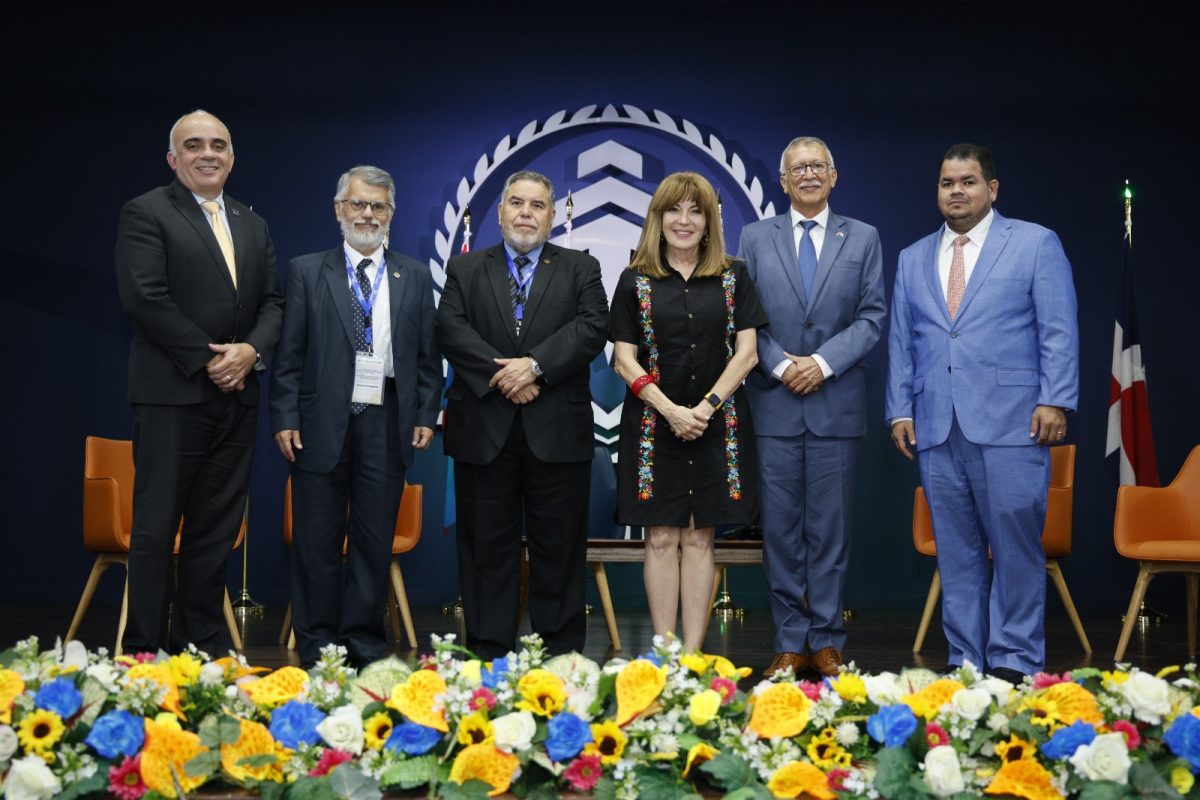
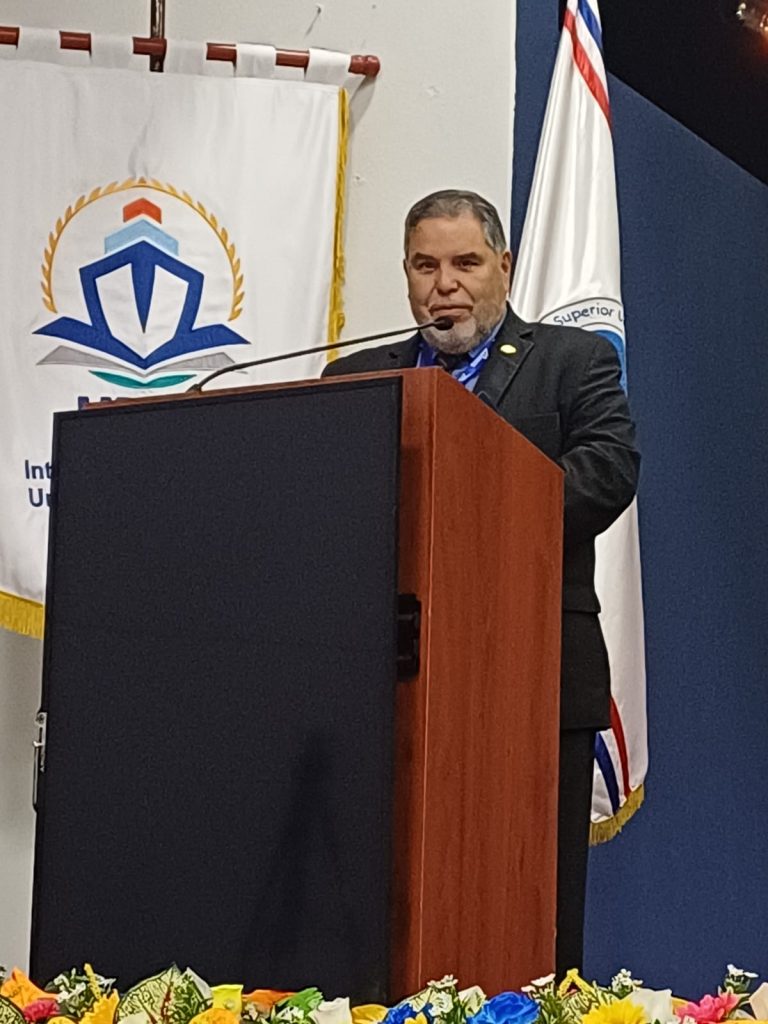
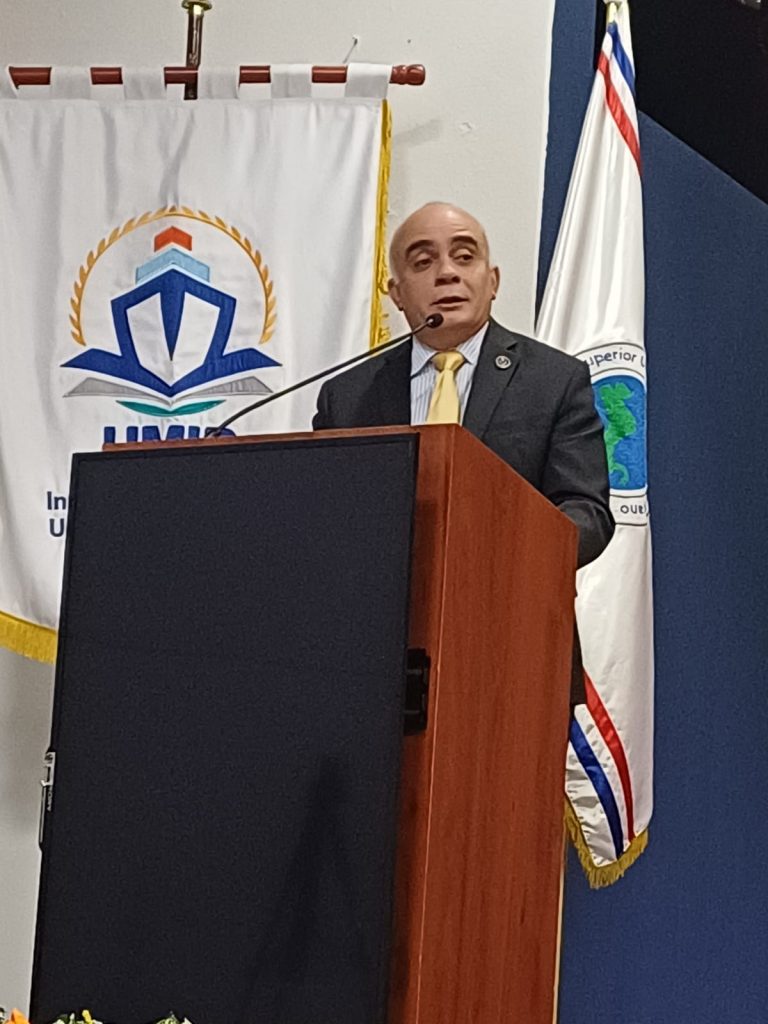
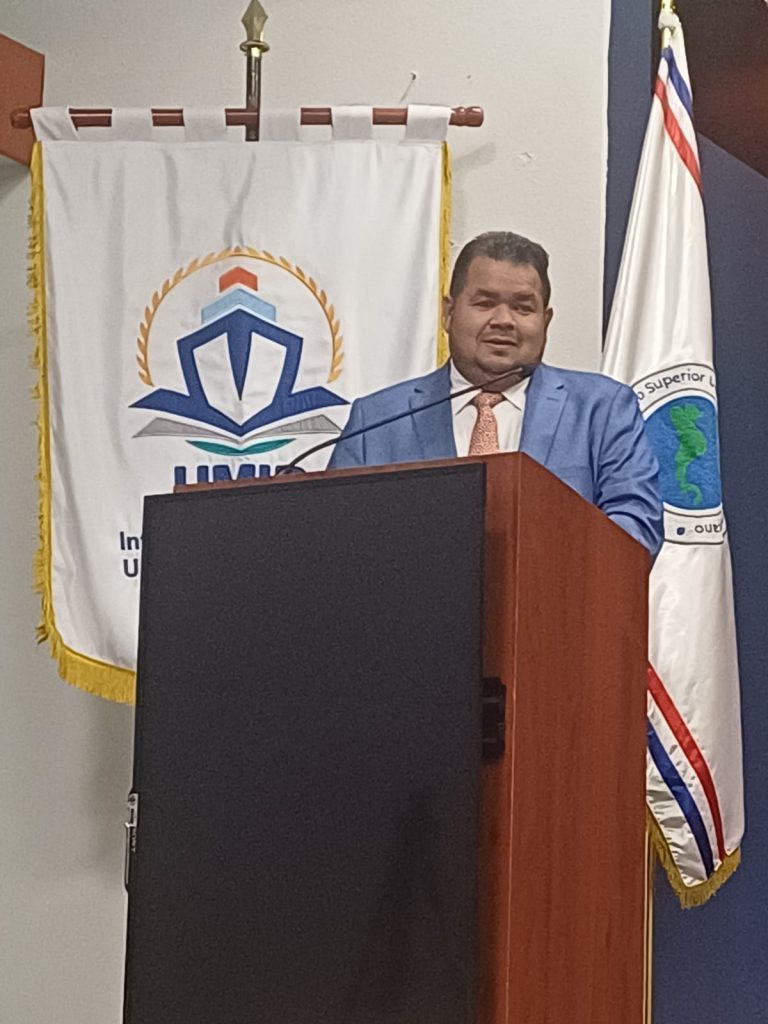
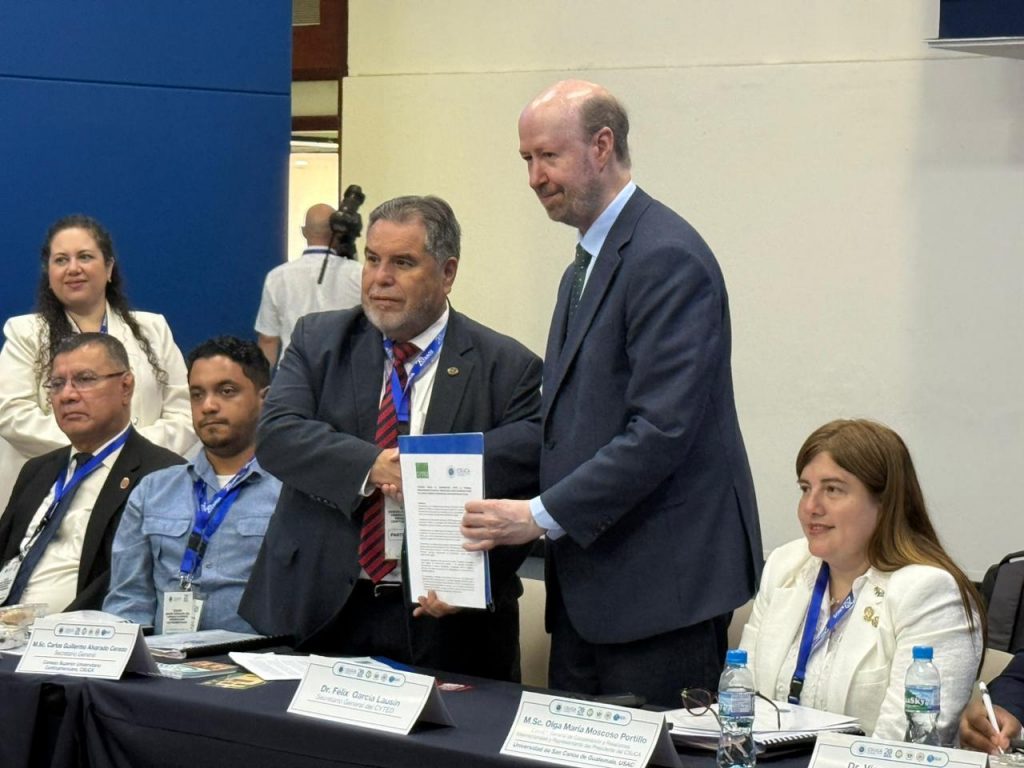
With a joint opening ceremony held at the International Maritime University of Panama (UMIP), the Central American Higher University Council (CSUCA), the Central American System of Evaluation and Accreditation of Higher Education (SICEVAES) and the 1st Central American and Caribbean Biennial of Innovation, Academic Harmonization and Quality Assurance of Higher Education kicked off a strategic week for regional public higher education.

The agenda brings together university authorities, rectors, academic teams, students and specialists from Central America, the Dominican Republic and Cuba to promote spaces for dialogue and collective construction aimed at strengthening regional university integration.

The celebration takes on special significance with the realization of the I Central American and Caribbean Biennial, developed within the framework of the commemoration of the 200th anniversary of the Amphictyonic Congress of Panama, a historical event that symbolizes the ideals of union and integration promoted by Simón Bolívar and that continues to inspire contemporary regional efforts.

As part of the opening ceremony, MSc. Olga María Moscoso, representing the University of San Carlos of Guatemala and the Presidency of CSUCA, spoke, highlighting that universities are called upon to consolidate strategic alliances that promote academic mobility, regional scientific research, and comprehensive student development, emphasizing that higher education must respond to contemporary challenges from a regional and solidarity-based perspective.

For his part, the Secretary General of CSUCA, MSc. Carlos Alvarado Cerezo, pointed out that public universities have the responsibility to lead processes of social transformation and strengthen regional integration based on academic quality, university cooperation and the collective construction of solutions for the Central American and Caribbean peoples.

During his speech, Dr. Roberto Aparicio, Vice-Rector of Teaching at the International Maritime University of Panama, highlighted the value of the coordinated work between public universities in the region, emphasizing that holding this meeting constitutes a joint effort driven by institutions committed to strengthening regional academic integration.

Likewise, the rector of the International Maritime University of Panama, engineer Víctor Luna, to inaugurate the academic week, highlighted that CSUCA continues to be a fundamental space to maintain regional unity through knowledge, especially in a context where contemporary challenges require answers built from collective intelligence and cooperation.

Thus highlighting that regional public higher education constitutes a platform for social transformation, knowledge generation, and the construction of solutions to the region's shared challenges.

The program includes topics related to academic mobility, educational innovation, curriculum harmonization, internationalization, regional research and quality assurance, thus strengthening the role of public universities as drivers of social and human development.

The academic week also represents an opportunity to consolidate alliances and renew the commitment of universities to a more inclusive, relevant and regionally impactful higher education.

CSUCA promotes regional internationalization during the XXVI SIESCA Meeting in Panama

The Central American Higher University Council (CSUCA), through the Central American Higher Education Internationalization System (SIESCA), is holding the XXVI Ordinary Meeting of the system on May 7 and 8, 2026, at the Specialized University of the Americas (UDELAS), in Panama City.

The meeting brings together representatives of public universities that are members of CSUCA, made up of the countries of Central America, the Dominican Republic and Cuba, with the aim of strengthening regional academic cooperation, university mobility and strategies for the internationalization of higher education.

The opening day included welcoming remarks from M.Sc. Luis Enrique Torres, Director of Internationalization and Technical Cooperation at UDELAS; M.Sc. Olga María Moscoso, Coordinator of SIESCA 2025-2026 and General Coordinator of Cooperation at the University of San Carlos of Guatemala; and M.Sc. Carlos Guillermo Alvarado Cerezo, Secretary General of CSUCA. The event was presided over by Dr. Nicolasa Terreros Barrios, Rector of UDELAS.

As part of the academic agenda, the keynote lecture “COIL Experience in Latin America, a regional internationalization strategy, from UTP and CSUCA” was given by Dr. Nacarí Marín, addressing innovative models of international academic collaboration and online collaborative learning.

During the Assembly, strategic reports are also presented related to regional academic mobility, the strengthening of teaching capacities through training programs in COIL methodology and the evaluation of the strategic objectives of Program 5 of PIRESC V, aimed at strengthening regional university internationalization.

Furthermore, the meeting reaffirms the commitment of CSUCA and its member universities to building a more integrated, inclusive, and regionally coordinated higher education system, promoting spaces for academic cooperation that contribute to sustainable development and the strengthening of educational quality in the Central American and Caribbean region.

CSUCA strengthens student integration and leadership during the XXXVIII CEUCA Congress in the Dominican Republic

The Central American Higher University Council (CSUCA), through its regional student articulation spaces, accompanied the development of the XXXVIII Central American and Caribbean University Student Congress (CEUCA), held from May 4 to 8, 2026 at the Autonomous University of Santo Domingo (UASD).

The Congress brought together student representatives from CSUCA member universities in Central America, the Dominican Republic, and Cuba, solidifying its role as a space for dialogue, integration, and collective development in support of regional public higher education. During the working sessions, the student delegations reviewed and approved the Statutes of the Federation of Central American University Students (FEUCA) and its respective regulations.

Among the main topics addressed by the students were the challenges related to the economic situation of universities in Central America, as well as the need to strengthen student participation, youth leadership and the defense of public higher education in the region.

The opening ceremony was attended by university authorities, student representatives, and regional delegations, including FEUCA President Mario Mancia; Vice President Alicia Víquez; representatives from the Federation of Dominican Students (FED); and student presidents from CSUCA member universities. Also present was CSUCA Deputy Secretary of Student Affairs, Mirna Jiménez.

In a virtual address, MSc. Carlos Guillermo Alvarado Cerezo, Secretary General of CSUCA, addressed the participating delegations, highlighting that CEUCA represents "one of the most valuable expressions of our regional integration," as it constitutes a space for dialogue, reflection, and collectively building the present and future of regional public higher education.

In his remarks, the Secretary General emphasized that university students play a fundamental role in addressing contemporary challenges, noting that student congresses strengthen leadership, critical thinking, democratic participation, and social commitment among new generations. He also reiterated that these forums are an essential part of the heritage of Central American university integration.


As part of the Congress activities, the delegations held meetings with university authorities of the UASD, including Rector Editrudis Beltrán Crisóstomo and members of the University Council, in addition to touring the university facilities.

Through these types of spaces, CSUCA reaffirms its commitment to strengthening regional student participation and building more inclusive, relevant universities that are committed to the realities and needs of the people of Central America, the Dominican Republic, and Cuba.

CSUCA strengthens regional academic work in inclusive innovation for the development of Central American communities

Within the framework of the regional project “Strengthening inclusive science and innovation systems in Latin America through a collaborative research network” (CSUCA-IDRC), the Central American Higher University Council (CSUCA) is developing a regional follow-up workshop aimed at strengthening scientific collaboration, knowledge exchange and the articulation of academic capacities for the benefit of the territories and communities of Central America, the Dominican Republic and the Caribbean.

This academic workspace brings together coordinators of collaborative research projects from the first and second calls of the program, as well as representatives of regional entities linked to science, technology and innovation, with the purpose of analyzing progress, sharing learnings and projecting strategies that contribute to the sustainability and impact of the results achieved.

The workshop is conceived as an environment for academic dialogue and collective construction that strengthens a regional learning community focused on transforming knowledge into relevant solutions for the territories, especially for the most vulnerable populations. Within this framework, inclusive innovation processes are promoted with a focus on gender equity and education for sustainable and inclusive science in the region.

During the working sessions, spaces are developed for analysis of evidence-based public policies, exchange of methodologies between research teams, co-construction of regional inclusive innovation strategies and strengthening of academic communities of practice, contributing to consolidating a regional network oriented towards the generation of knowledge with social impact.

The results achieved within the framework of the CSUCA-IDRC project demonstrate the direct contribution of university research to territorial development. Through the implemented projects, rural and indigenous communities have been strengthened through applied research, social innovation, and contextualized technological development, including community information systems, risk management tools, territorial digital platforms, educational materials, technology showcases, food security strategies, and community dialogue spaces aimed at informed decision-making.

Likewise, the project has promoted the active participation and leadership of women, indigenous peoples, youth, researchers and diverse community actors in scientific and territorial processes, strengthening their capacities to influence educational, productive and social areas from an inclusive and intercultural approach.

These advances reflect CSUCA's strategic contribution to strengthening regional collaborative research networks and consolidating an academic agenda focused on generating sustainable solutions to the region's shared challenges, through university cooperation processes, production of relevant knowledge, and promotion of science as a tool for equitable development.

Through these types of regional academic spaces, CSUCA reaffirms its commitment to strengthening collaborative research, inclusive innovation, and building regional responses that contribute to the well-being of communities and the sustainable development of Central American and Caribbean countries.


CSUCA promotes the regional integration of university communication at the XI General Assembly of SIREICU

Guatemala, April 23, 2026

The Regional System of University Information and Communication (SIREICU) of the Central American Higher University Council (CSUCA) is holding its XI General Assembly, taking place on April 23 and 24 at the University of San Carlos of Guatemala, with the purpose of strengthening the regional articulation of the communication offices of the public universities of Central America and the Caribbean.

The opening ceremony began with remarks from Mr. Edwin Medina, president of SIREICU, who stated, “I am very pleased because at this assembly we are presenting the first edition of an academic journal, a contribution to help showcase our universities, highlighting the collective work of all of us, creating a space that unites us and strengthens us as universities.”.

At the same time, the Secretary General of CSUCA, MSc. Carlos Alvarado, highlighted that “SIREICU constitutes a strategic platform to make visible the contribution of public higher education to society and consolidate regional narratives that demonstrate its role as an engine of social transformation,” noting the importance of the work carried out by the system before the university community of the region.

For his part, Luis Fernando Cordón Lucero, Secretary General of USAC, mentioned “SIREICU is a regional communication engine in the deepest sense, since it becomes a space of convergence where public universities project their impact and their vocation of service for the development of our countries.”.

The assembly's work agenda includes progress on initiatives such as strengthening the Red and Radio Comunica network, developing regional communication manuals to support teaching and crisis situations, creating a regional inventory of university media, and promoting joint campaigns among CSUCA systems.

The Assembly's program also includes the opening conference on public image and strategic media planning, the presentation of reports from technical committees, collaborative work spaces, and the specialized conference on communication for cultural and gender inclusivity, followed by a workshop focused on building a regional manual on this subject.

It is important to highlight the work done by university communication offices in the region, often with limited resources, but with a firm commitment to university integration.

The XI General Assembly of SIREICU thus consolidates a regional space for strategic coordination aimed at strengthening university communication as a cross-cutting axis of academic cooperation, regional integration and the linking of public universities with society.