INNOVAR DE UNA MANERA SIMPLE Y FRUCTÍFERA

June 13, 2022

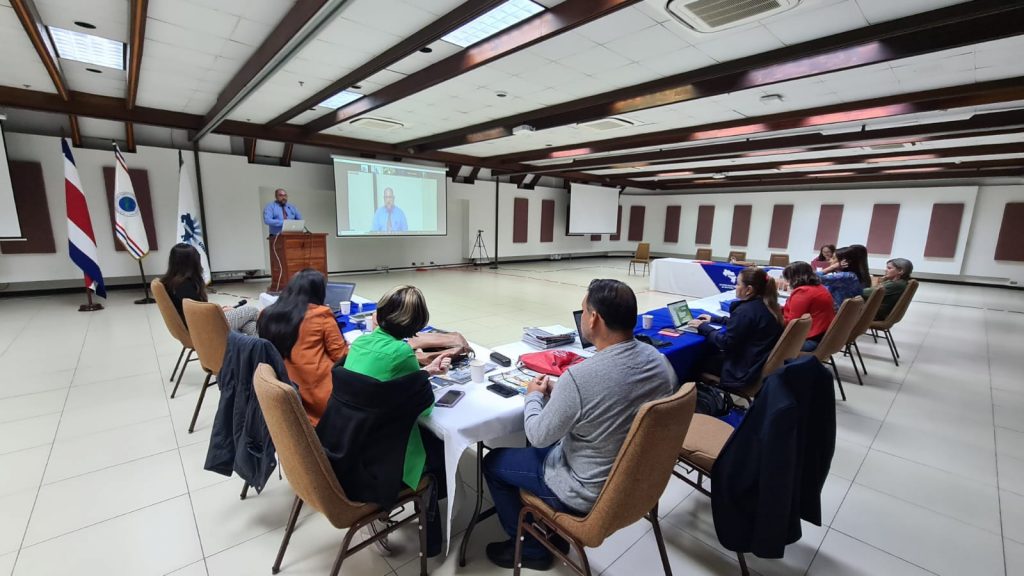
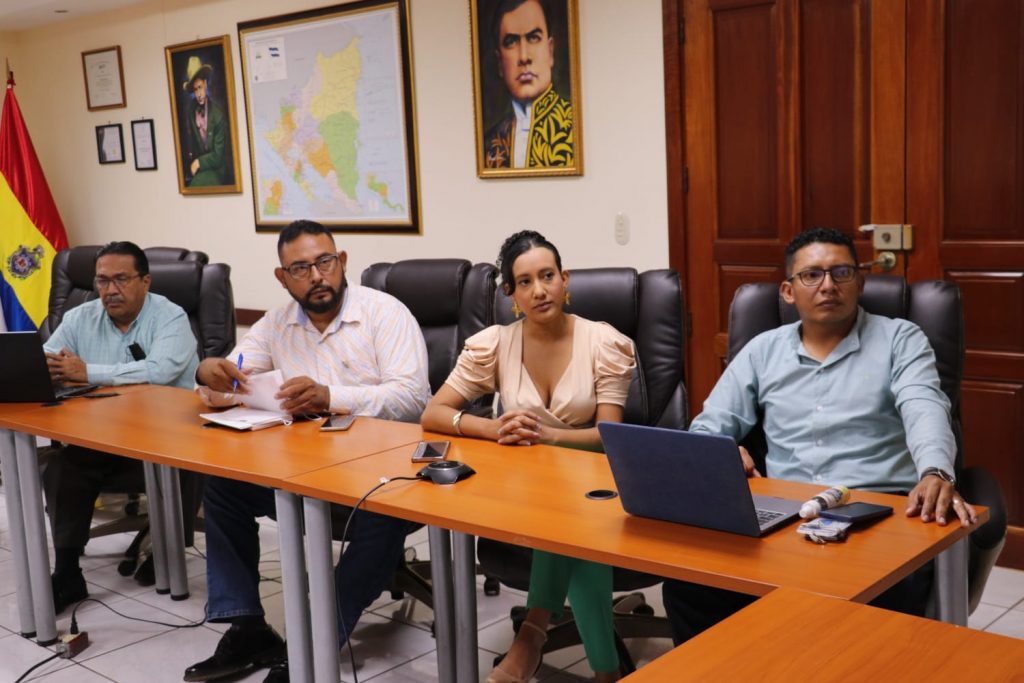
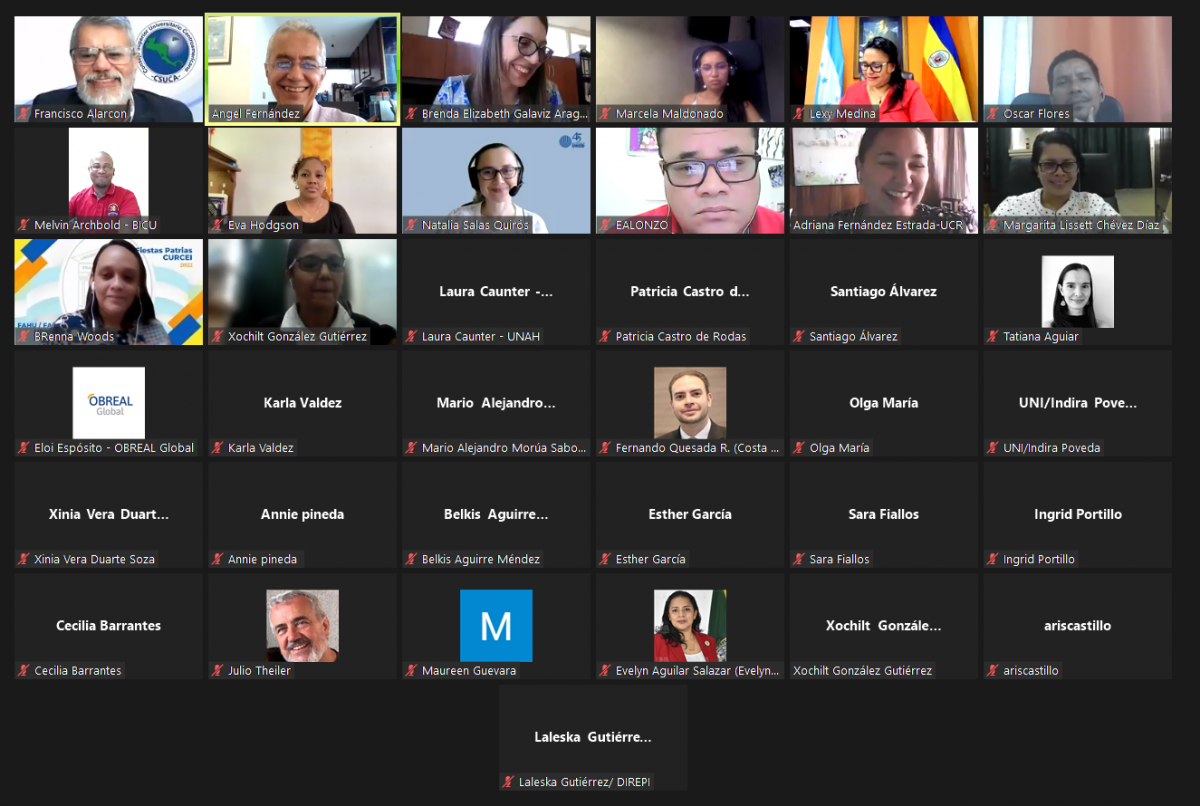
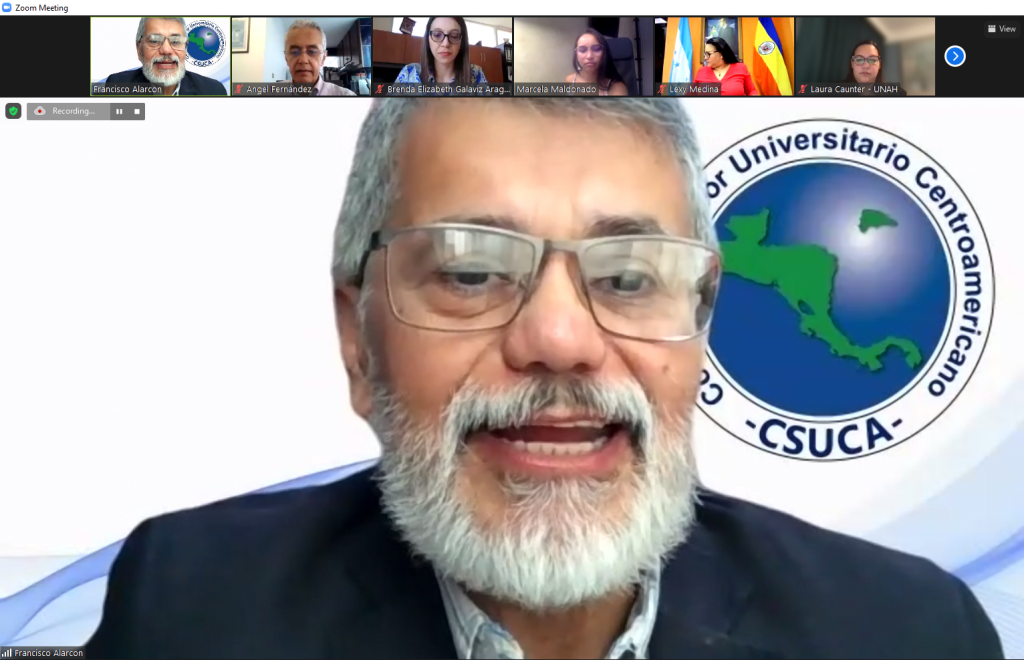
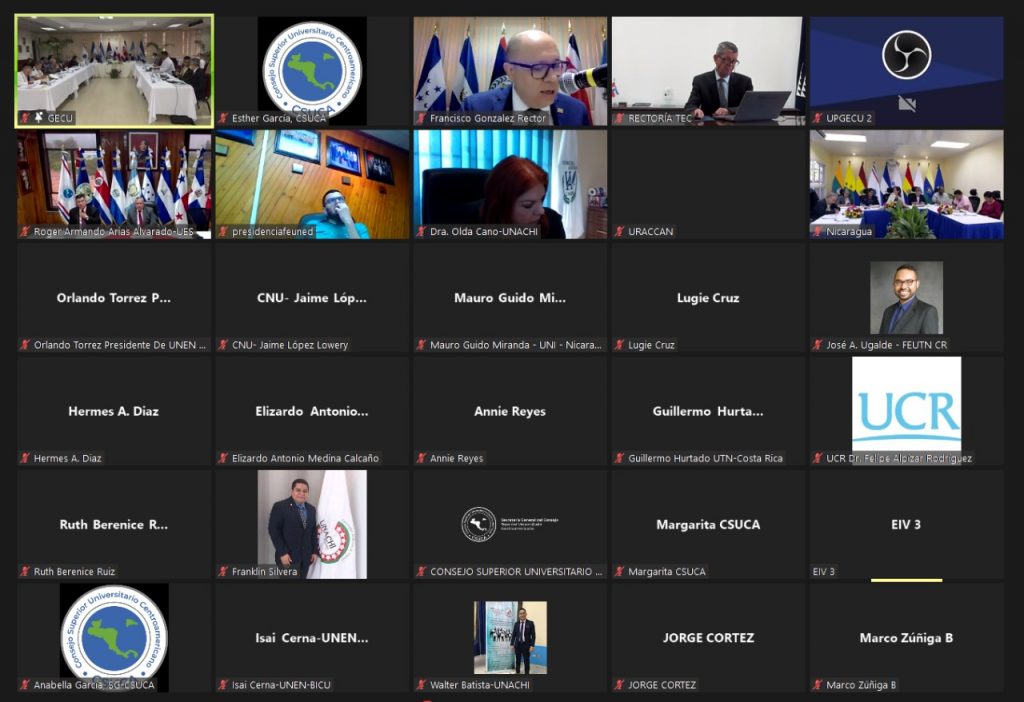
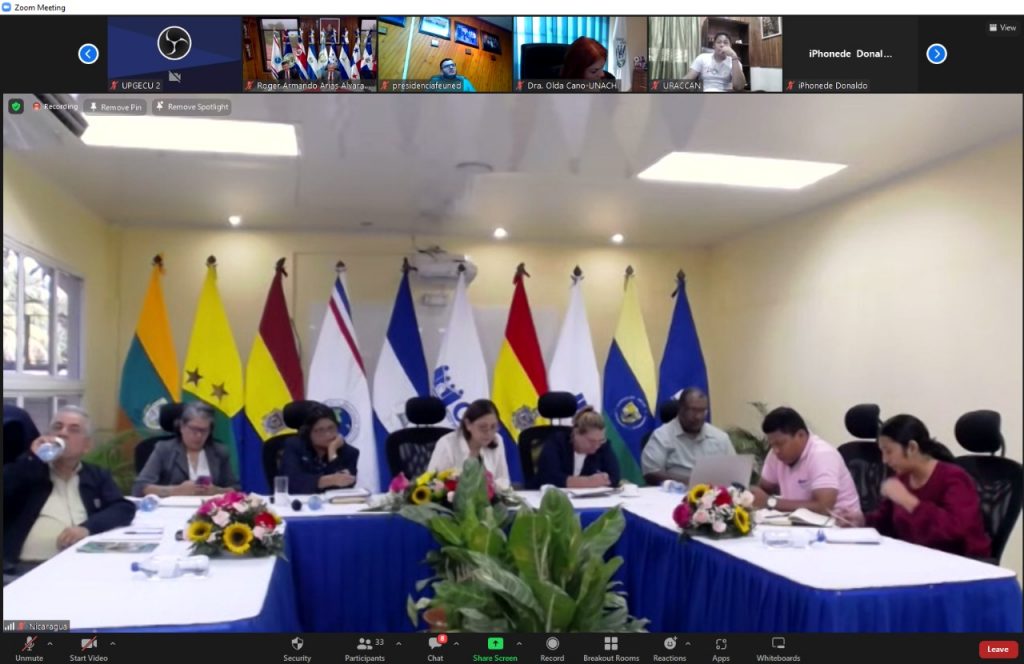
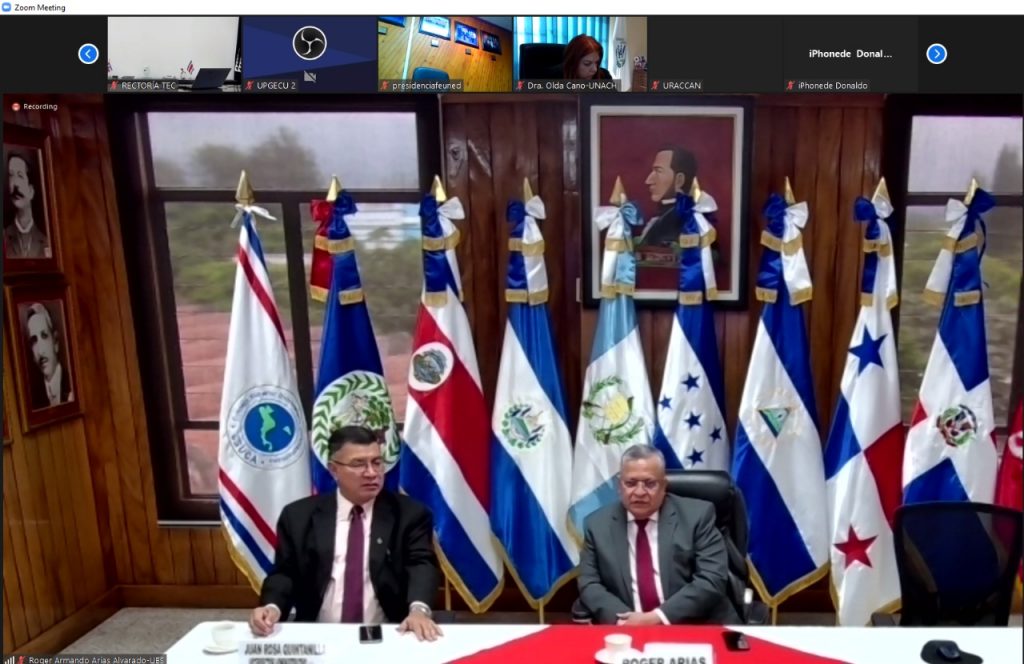
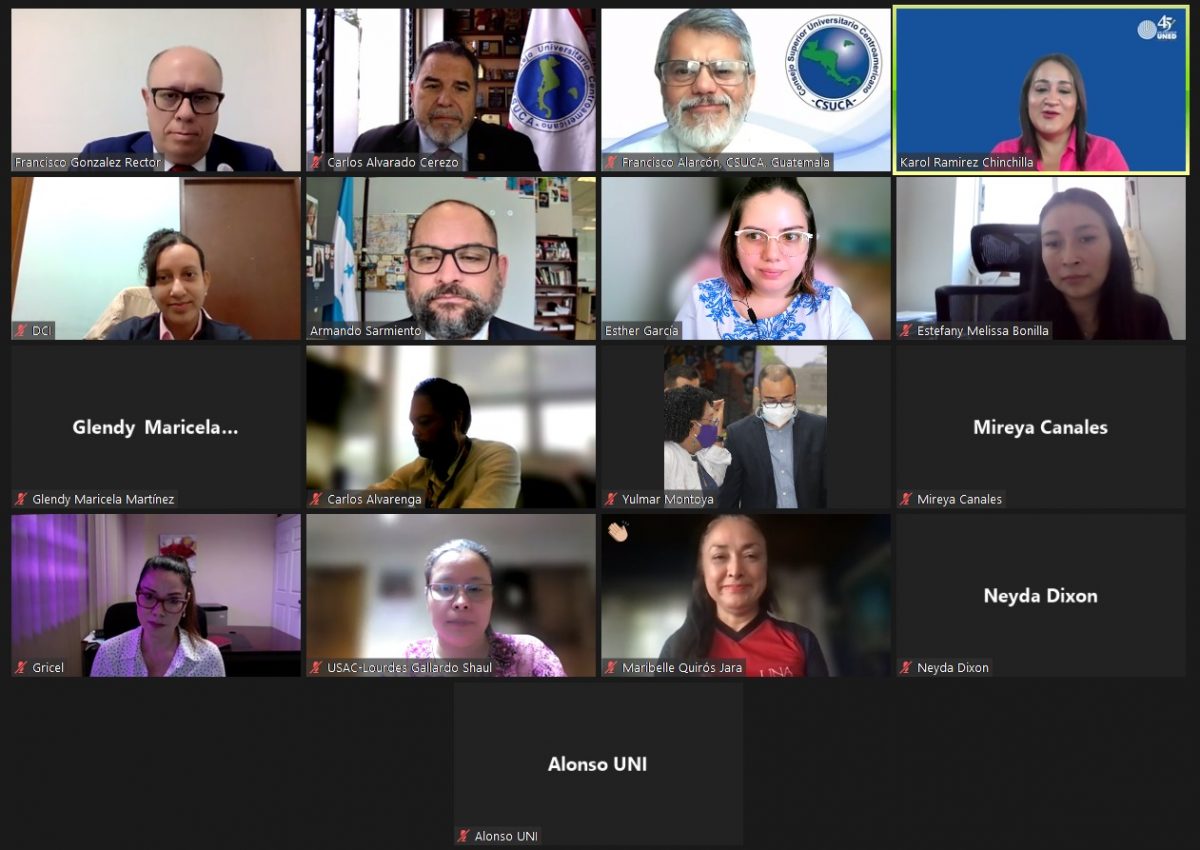
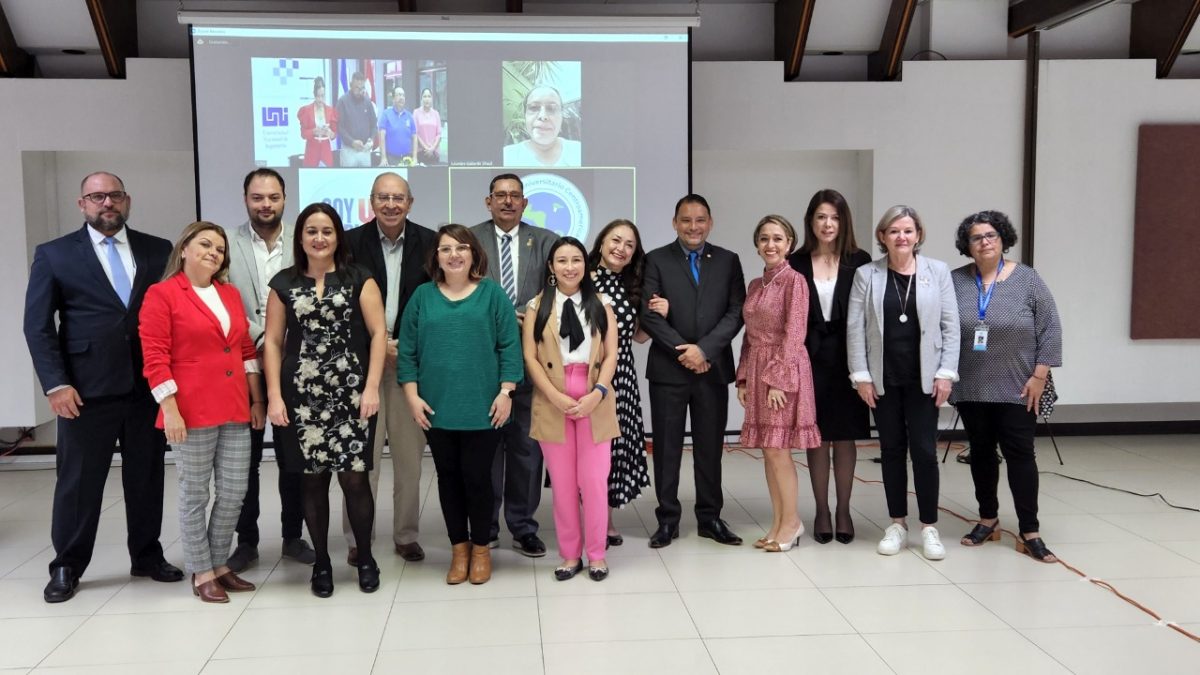
El día de hoy se realizó el taller de educación universitaria “Innovar de una manera simple y fructífera, con el propósito de generar un intercambio dentro de las universidades públicas de Centroamérica y El Caribe, con el fin de poder identificar e intercambiar las buenas prácticas al momento de formar a los estudiantes a través de diversas herramientas virtuales y la puesta en práctica del Marco de Cualificaciones para la Educación Centroamericana -MCESCA-.

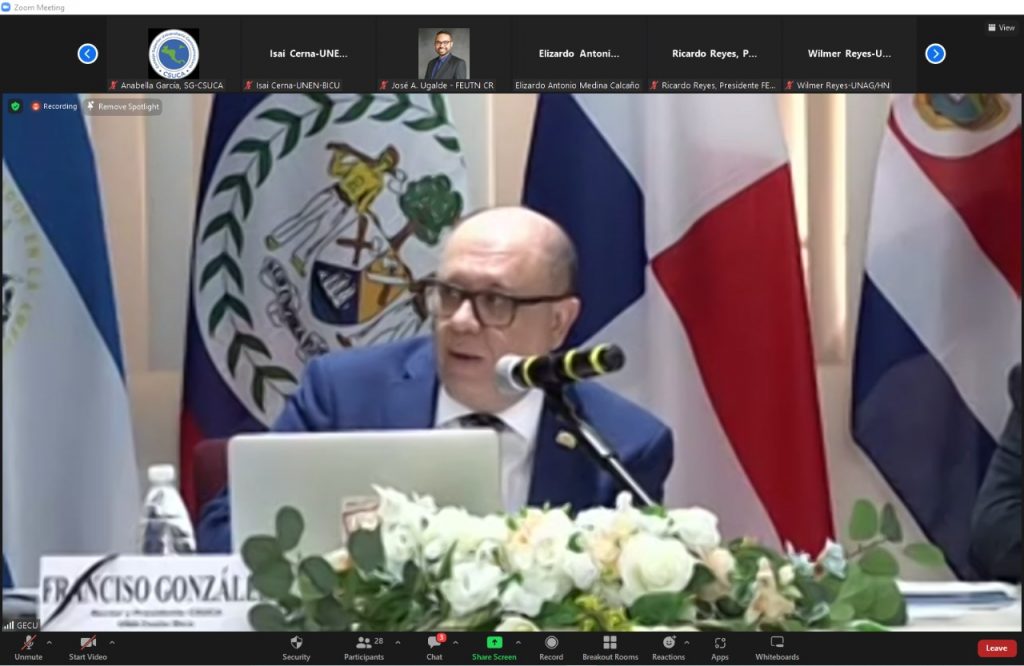
“En las primeras dos décadas del presente siglo se presenta una demanda de la educación superior, así como una demanda a preparar a las nuevas generaciones con educación de calidad, innovación y equidad de acceso a las nuevas tecnologías de la comunicación. Se espera que el MCESCA sea la base para la formulación e innovación de la educación en nuestra región”, señaló el Secretario General de CSUCA, Carlos Alvarado.  

Por su parte, Juana Machado, Presidenta de SICEVAES señaló “En las universidades centroamericanas hemos estado desarrollando una serie de acciones para poder encontrar las herramientas de apoyo para desarrollar el trabajo en el aula de clase, por lo tanto, este taller nos apoyará a visualizar las estrategias innovadoras, con el propósito de formar a los profesionales que requieren nuestros países centroamericanos”.

Este primer intercambio presentó grandes puestas en práctica, las cuales al momento de intercambiar han generado nuevas propuestas con el propósito de mejorar en la contribución de la educación superior. El taller se realizó gracias al apoyo de HRK y la Universidad de Ciencias Aplicadas de Brandemburgo, de manera conjunta con CSUCA.

52 General Assembly SICEVAES

Centroamérica 26 de mayo de 2022

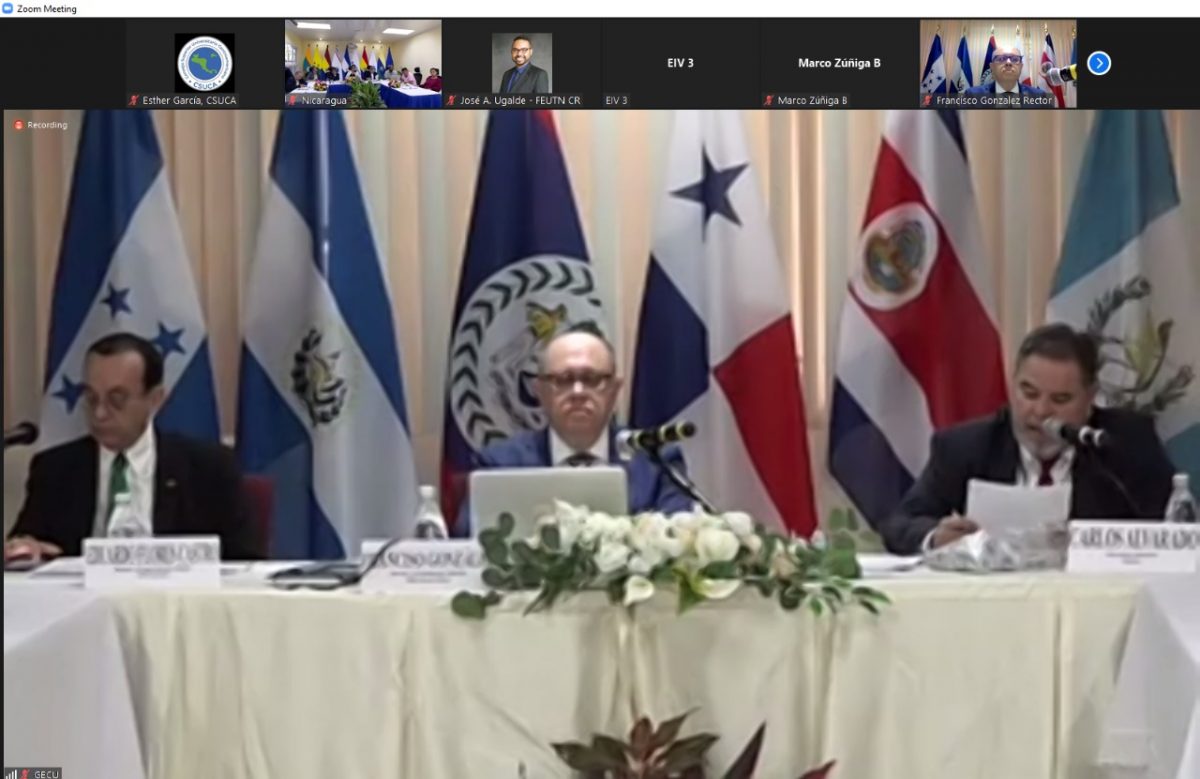
El día de hoy se llevó a cabo la 52 Asamblea General del Sistema Centroamericano de Evaluación y Armonización de la Educación Superior -SICEVAES-, con el propósito de trabajar en el seguimiento a los objetivos estratégicos, correspondientes al programa 3 del V Plan para la Integración Regional de la Educación Superior de Centroamérica y República Dominicana -PIRESC V-.

“La educación superior se proyecta a nuevas dimensiones, el acceso al conocimiento abierto genera nuevas oportunidades para la ciencia, principalmente para los avances de nuestra región” señaló Carlos Alvarado, Secretario General de CSUCA.

Por su parte Juana Machado, Presidenta de SICEVAES indicó “Es necesario fomentar estrategias de aprendizaje en el contexto social en el que vivimos en la actualidad, fomentando la creatividad, el emprendimiento, entre otros”.

Dentro de las acciones gestionadas para dicha asamblea, Alberto Mora, Coordinador de Investigación del Informe de Estado de la Región presentó la conferencia “Desarrollo Humano Sostenible en la Región, Oportunidades y Desafíos” mencionando que “El desarrollo de nuestra región visto como un conjunto de dinámicas y acciones que nos ayudan a alcanzar la aspiración de vivir vidas dignas, a través de la integración regional. El informe del Estado de la Región es una herramienta ciudadana para encontrar soluciones a nuestros problemas”.

Tras 5 horas de trabajo, se lograron cumplir los objetivos propuestos para la sesión de trabajo, completando una ruta concreta para el cumplimiento del tercer programa del PIRESC V, desde el SICEVAES.

Regional project closing workshop

Central America, May 24, 2022

Through the efforts of 9 scientific research networks, results, lessons learned and medium and long-term goals are presented today, as part of the closing of the regional project “Strengthening the capacities of science and innovation policy in the member countries of the Central American Integration System (SICA)”, which was executed through the General Secretariat of SICA, together with the Central American Higher University Council (CSUCA) and the International Development Research Centre (IDRC) based in Canada, the National Secretariat of Science and Technology (SENACYT) of Guatemala, as Permanent Secretariat of the Commission for the Scientific and Technological Development of Central America and Panama (CTCAP) and the National Secretariat of Science, Technology and Innovation of Panama (SENACYT).

To begin the activity, Mr. Carlos Alvarado Cerezo, Secretary General of CSUCA, stated, “We see reflected in the results of this project the lessons learned and the recommendations for the future, with the networks that have been formed and strengthened through research contributions in Central America and the Caribbean.”.

For his part, Mr. Jorge Cabrera, representing the General Secretariat of SICA, stated, “We must monitor these networks to generate an impact on our societies. The project has been very successful; in the area of research, it has been a very important project for the SICA region.”.

Meanwhile, Mr. Carlos Maynor Salinas, representing CTCAP, reflected, “It was a project that took place under extraordinary conditions, so I can only congratulate you on the work you have done and encourage you to continue strengthening the networks.”.

It is important to note that initially the regional project was going to contribute to the development of 5 research projects, but due to demand, it was able to support the creation and strengthening of 9 scientific research networks, which are the following:

• REBAMAR, with the purpose of assessing marine plastic waste in Central America through the formation of a regional research network.

• RED-CIED, formation of the Central American and Caribbean Network for Research in Economics and Development.

• HidroREDCA, creation of a hydrogeological research network to strengthen the preparedness and resilience of the populations of the Central American Dry Corridor to extreme weather events.

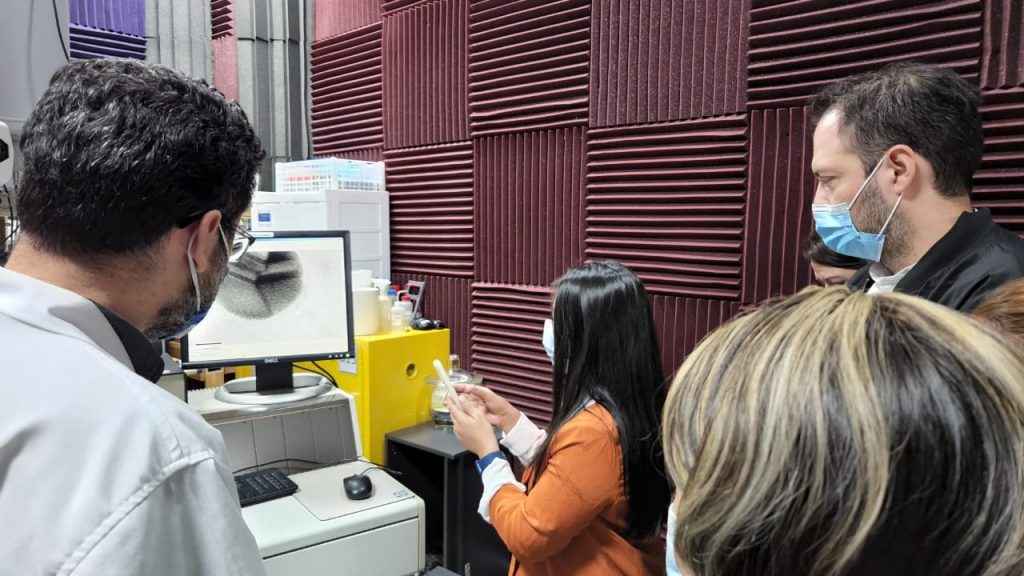
• RT-LAMP, an interdisciplinary network for strengthening capacities in Central American countries for the development of a diagnostic test for proactive screening in SARS-CoV-2 virus infection hotspots using technology.

• RECIEC, Central American network for research in critical extension.

• RedCMD, Central American network for the management of epidemiological data.

• RCN, network of researchers for the development of natural sciences.

• Red Free Network, articulation of actors from academia-industry-state for the generation of initiatives for economic reactivation after the COVID-19 pandemic and strengthening of the innovation ecosystem in Central America.

• RIESI, a regional academic network to support higher education inclusion for people with disabilities and social disadvantage in the countries of the Central American and Caribbean region.

It should be noted that, in May of this year, the participating institutions, led by CSUCA, presented a new initiative to IDRC, with the purpose of continuing to strengthen the contributions of scientific research generated from the member countries and universities of the Central American and Caribbean region for the next 5 years.