IV RISYF Workshop, a space for co-creation of teaching

San Pedro Sula, Honduras, October 28 and 29

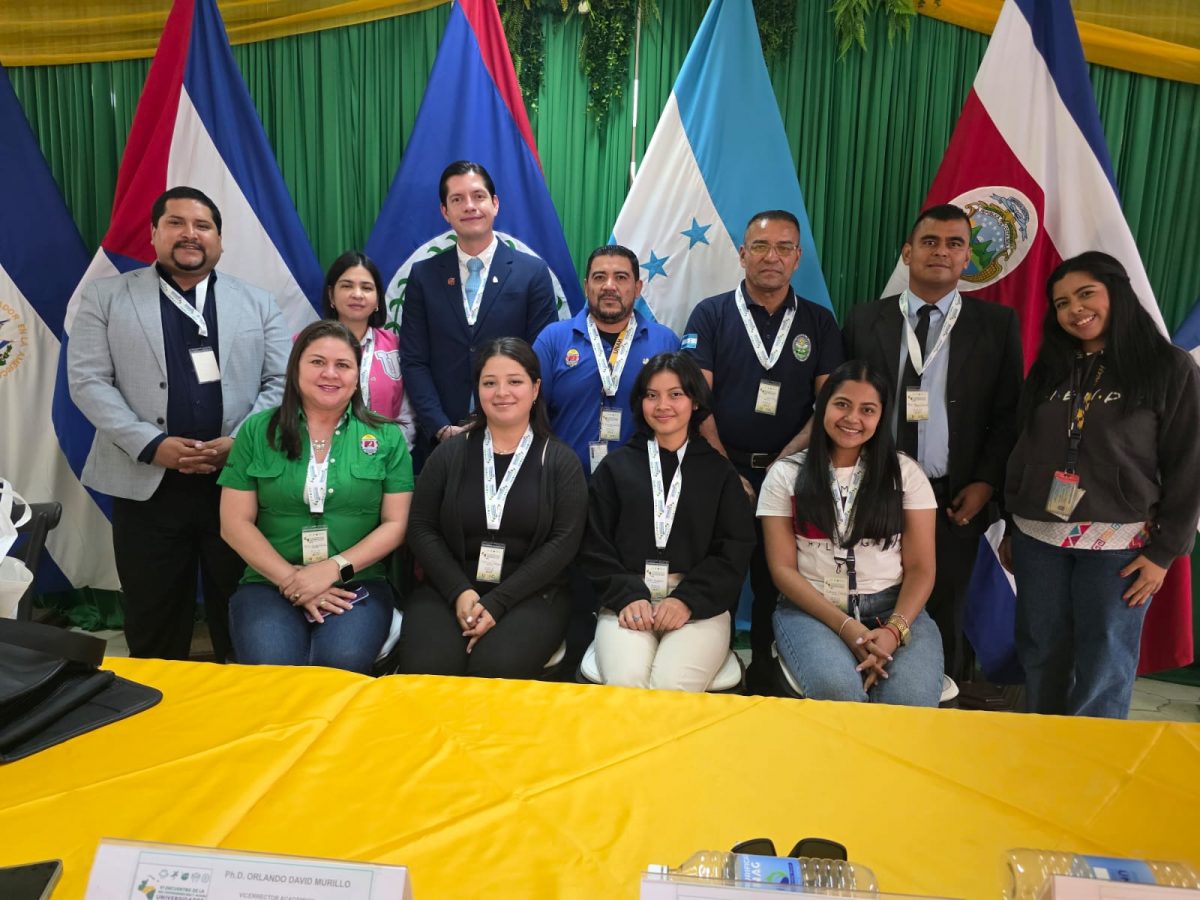
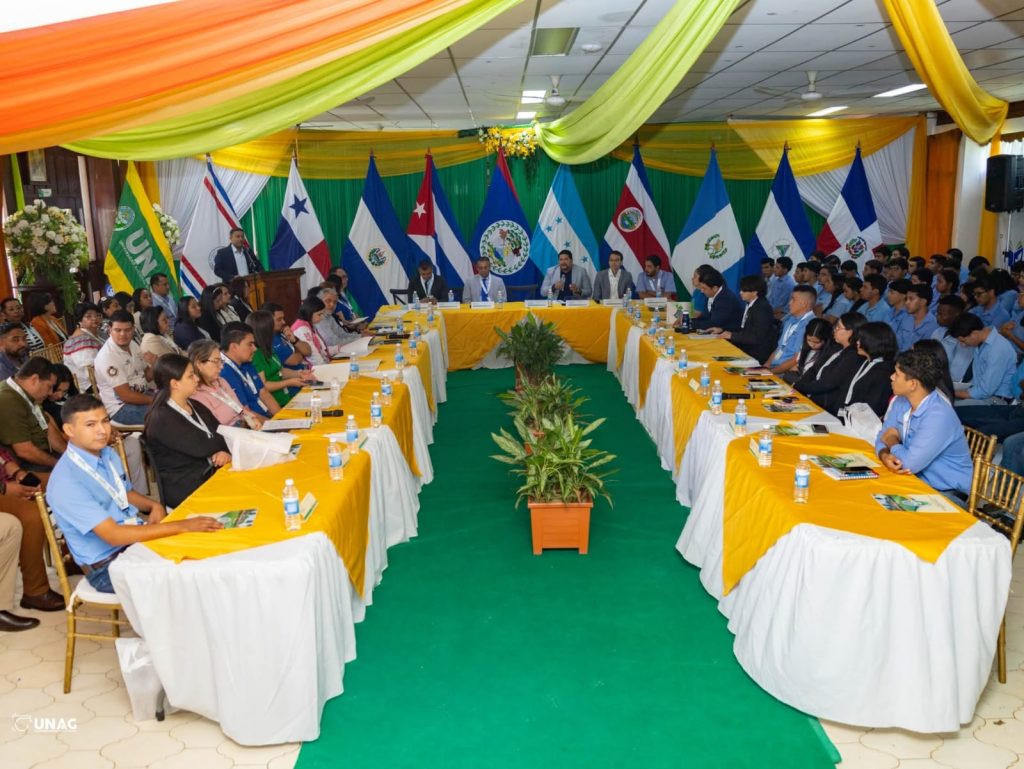
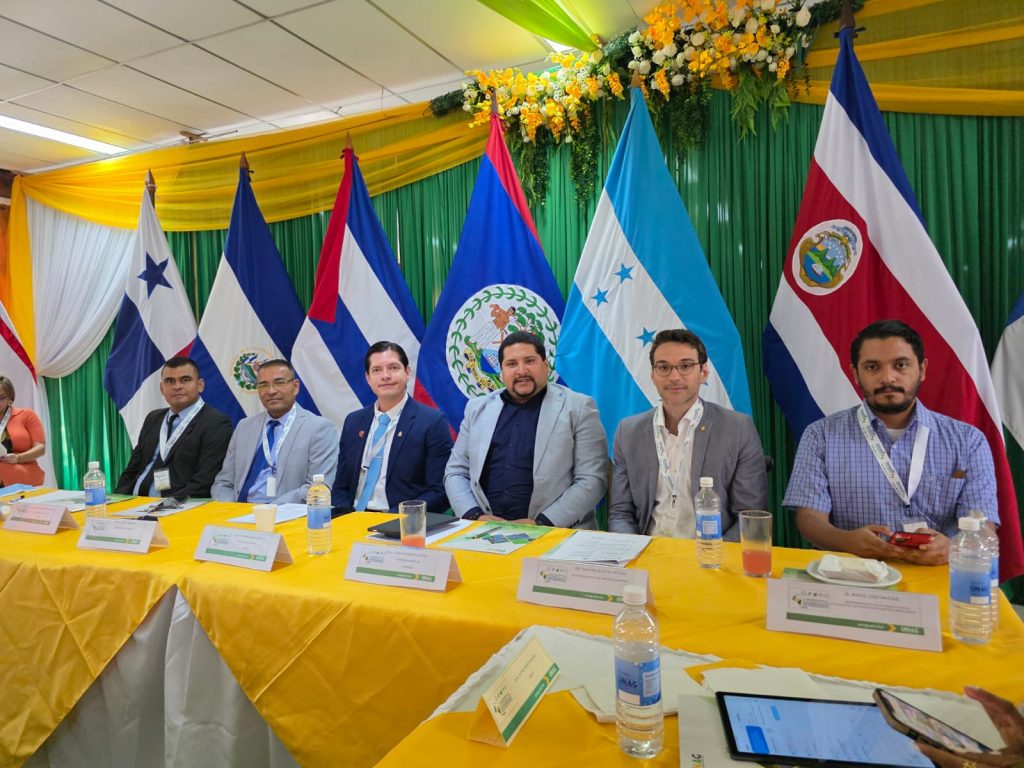
The Francisco Morazán National Pedagogical University (UPNFM) is the venue for the IV Simple and Fruitful Innovation Workshop (RISYF) under the motto "Innovate to transform: co-creating the teaching of the future", a workshop that has the participation of project planners, managers and promoters of innovation in higher education in Central America and the Caribbean.

The meeting, organized by the Central American Higher University Council (CSUCA), the German Rectors' Conference (HRK), the Dialogue on Innovation Strategies in Higher Education in Germany (DIES) and UPNFM, aims to share experiences of teaching innovation, strengthen regional academic cooperation and collaboratively design a guidance guide for simple and fruitful innovation in university practice.

Openness and transformative purpose

The workshop will be inaugurated with words from Dr. Carlos Alvarado Cerezo, Secretary General of CSUCA; Dr. Bettina Burger-Menzel, from the Brandenburg University of Applied Sciences (Germany); and Dr. Lexy Medina Mejía, Rector of UPNFM.

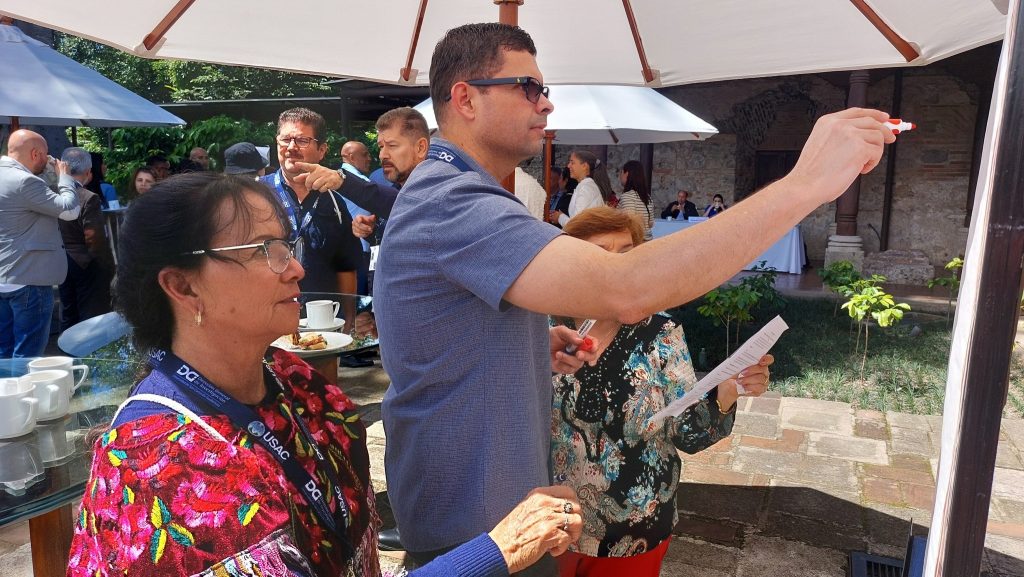
During the event, dialogue, reflection and co-creation will be encouraged through activities such as the World Café, the RISYF 2024 Project Gallery and practical sessions such as "Activate your vision" and "Hands to work", where participants will exchange experiences on teaching innovation and effective methodologies for university teaching.

Co-creation of the regional innovation guide

The second day will be dedicated to the co-creation of a guidance document to innovate teaching practice in Central American higher education, a document that will serve as a reference to strengthen the impact of the RISYF model in the universities of the region.

In addition, a collaborative agenda will be developed with strategies and activities that network members can implement to continue promoting innovation from their institutions.

Space for academic integration

In addition to the working sessions, participants will visit the UPNFM Regional Center in San Pedro Sula, as part of the cultural and academic exchange activities that strengthen ties between Central American universities.

The workshop will conclude with the presentation of the RISYF guide and strategy agenda, as well as the definition of next steps to continue promoting simple and fruitful innovation as an engine of university transformation.

LIV Ordinary Session of CONREVE

Tegucigalpa, Honduras, October 22, 2025

The National Autonomous University of Honduras (UNAH) hosted the Fifty-fourth Ordinary Session of the Regional Council of Student Life (CONREVE), an organ of the Regional System of Student Life (SIREVE), held in a hybrid format, with the participation of student life representatives from public universities in Central America, the Caribbean and Panama.

The opening ceremony included speeches by Dr. Mario Arístides Contreras, Vice-Rector of Student Affairs and Guidance at UNAH; and Dr. Carlos Guillermo Alvarado Cerezo, Secretary General of the Central American Higher University Council (CSUCA), who highlighted CONREVE's role in strengthening regional university welfare policies and programs.

During the session, reports were presented from the Presidency of CONREVE, the Deputy Secretariat for Student Affairs of CSUCA (SAAE), the Federation of University Students of Central America and the Caribbean (FEUCA), as well as the results of the IX Central American University Sports Games (JUDUCA), held in Tegucigalpa, and the First Pre-FICCUA 2026 Congress, held at the same university.

The reports demonstrated the commitment of the public university system to integration, youth leadership, and the promotion of culture, health, and sports as pillars of comprehensive student development.

Projected activities and new challenges

Among the central topics were the organization of upcoming SIREVE events, including the 20th edition of the Rubén Darío Award for Academic Excellence 2025, the 6th Meeting of Health Promoting Universities (EUPS) and the First International Congress of Research and Student Engagement (CONINVE), to be held in Costa Rica.

Also, the progress of the commission reviewing the modifications to the SIREVE General Regulations was presented, and the venues and dates for the 2026 activities were approved, including:

  • The 55th Ordinary Session of CONREVE.
  • The Second Pre-FICCUA 2026 Congress.
  • The XIII Central American Interuniversity Festival of Culture and Art (FICCUA).
  • The First Pre-JUDUCA 2027 Technical Congress.
  • And the actions of the Central American and Caribbean Student University Volunteer Network (Red UNIVOCES), aimed at training and professionalization in university volunteering.

The session concluded with the reaffirmation of the commitment of the CSUCA member universities to continue strengthening spaces for student participation, comprehensive health and leadership, promoting an inclusive, supportive university life committed to the sustainable development of the region.

Signing of the Quetzal University Program agreement: a new academic bridge between Chiapas and Central America

Tuxtla Gutiérrez, October 14, 2025

With the purpose of strengthening academic mobility and inter-university cooperation between seven Central American countries and Mexico, the Central American Higher University Council (CSUCA), the Autonomous University of Chiapas (UNACH) and the University of San Carlos of Guatemala (USAC) formalized the signing of the University Program “Quetzal: Common Space of Higher Education Chiapas–Central America”.

The Quetzal Program represents a significant step in building the Central American and Caribbean Common Space for Higher Education, one of the strategic pillars promoted by CSUCA through its General Secretariat. This initiative will foster academic mobility, collaborative research, shared training, and curricular convergence as cornerstones for strengthening cooperation among public universities, beginning with seven countries in the region.

During the signing ceremony, the Secretary General of CSUCA, Carlos Guillermo Alvarado Cerezo, emphasized that the Quetzal Program is a concrete manifestation of the ideals of freedom, integration, and intercultural dialogue that have inspired CSUCA since its founding. “Knowledge should be a bridge that unites our realities, cultures, and common challenges. This program represents that vision of unity and collaboration that distinguishes the Central American public university,” he stated.

The agreement, signed within the framework of the UNACH 2025 International Book Fair, was attended by academic authorities from UNACH, USAC and representatives of regional university networks, who agreed that coordinated work between higher education institutions is essential to face the social, environmental and technological challenges of the region.

The Quetzal University Program is an alliance that consolidates the institutional commitment to promote integrated, supportive and regionally relevant higher education, through the promotion of academic integration policies, strengthening teaching, research and university extension for the benefit of the peoples of Central America and the Caribbean.

The 7th Biennial Meeting of Central American and Caribbean Research and Graduate Studies begins

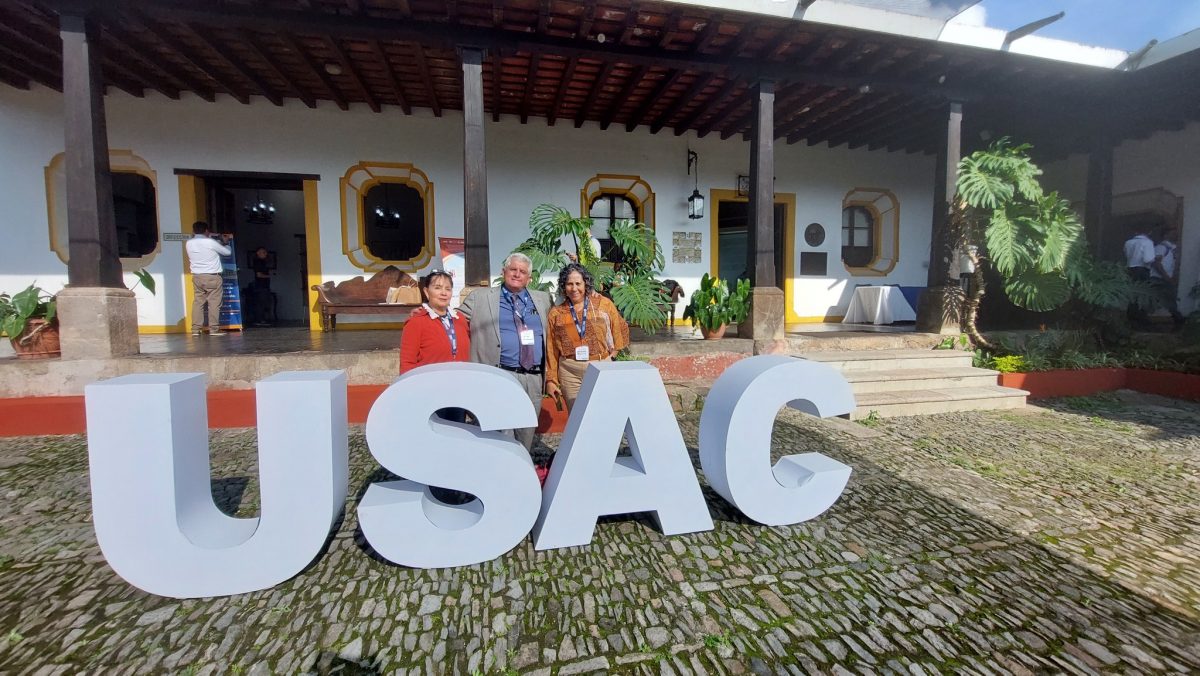
Antigua Guatemala, October 8, 2025


With the representation of 17 public universities from Central America and the Caribbean, the VII Central American and Caribbean Biennial Meeting of Research and Postgraduate Studies began this Wednesday, a space that seeks to strengthen regional scientific cooperation and promote joint responses to the challenges of climate change, sustainability and social justice.

In their opening remarks, the authorities highlighted the need to strengthen regional scientific capabilities and to foster university cooperation that transcends borders, promoting science as an engine of social and environmental transformation.

Starting with Dr. Carlos Sierra, general coordinator of the USAC Postgraduate Studies System, who highlighted “Today we particularly celebrate the indivisible union of research and postgraduate studies, which we will be able to strengthen over these three days by building a shared vision.”.

Meanwhile, Dr. Alice Burgos, Director of Research at USAC and President of the Central American and Caribbean Regional System of Research and Postgraduate Studies (SIRCIP), pointed out “Each presentation, each thematic panel, and each exchange generated here will be the result of institutional processes that have required planning, technical support, capacity building, and above all, a willingness to collaborate.”"Also mentioning the satisfaction of having organized said event.".

For his part, MSc. Carlos Alvarado Cerezo, Secretary General of CSUCA, stated “This meeting seeks to foster an inter-, multi- and transdisciplinary dialogue among researchers, teachers and postgraduate students, in order to strengthen and disseminate the processes and products of research on topics that are priorities for our societies.”.

And to inaugurate the VII Biennial, MA Walter Mazariegos Biolis, Rector of USAC and President of CSUCA, expressed “When knowledge is shared, borders disappear. With that spirit, I extend a warm welcome to the seventh Central American and Caribbean Biennial Meeting on Research and Postgraduate Studies, a celebration of thought, collaboration, and scientific hope in our region.”.

The VII Central American and Caribbean Biennial Meeting on Research and Postgraduate Studies is one of the actions organized by SIRCIP, taking place this time in a hybrid format, preserving in-person participation, from October 8 to 10 under the theme “Challenges and opportunities for universities in the face of climate change scenarios and risks”.

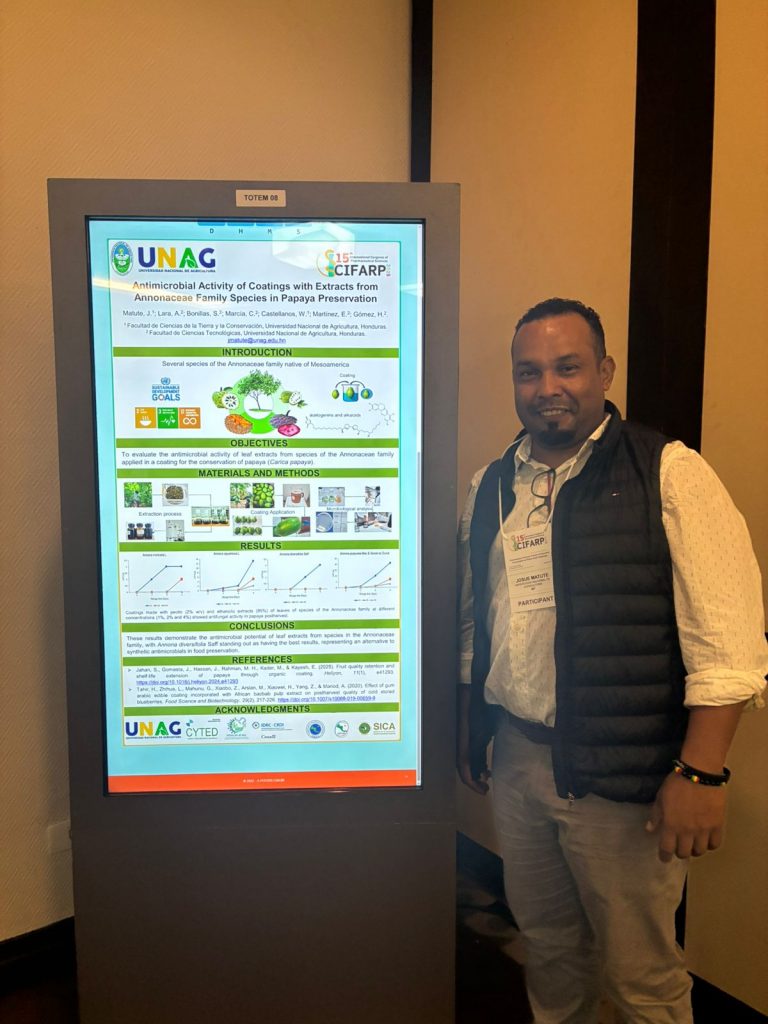
Its agenda combines thematic panels, workshops, keynote lectures and the presentation of more than 100 research projects, covering topics ranging from climate adaptation, health, technology and human rights, to digital education and territorial equity.

The VII Biennial Meeting aims to consolidate itself as a regional platform for advanced training, innovation and applied research.
According to CSUCA, the results of this event will serve as a basis for promoting public policies on sustainability, risk management, health and education, coordinated from universities.


First Pre-FICCUA Congress 2026

Tegucigalpa, Honduras, October 7, 2025


With the purpose of strengthening the cultural and artistic identity of the Central American and Caribbean peoples, the Central American Higher University Council (CSUCA), through the Regional Council of Student Life (CONREVE), inaugurated this morning the First Pre-FICCUA 2026 Congress, at the facilities of the National Autonomous University of Honduras (UNAH).

This activity marks the beginning of preparations for the thirteenth edition of the Central American Interuniversity Festival of Culture and Art (FICCUA), bringing together representatives from the 27 public universities that make up CSUCA, who will work together to define the artistic, thematic and logistical bases of the festival that will celebrate the student talent of the region.

The opening ceremony included speeches by MSc. Carlos Guillermo Alvarado Cerezo, Secretary General of CSUCA; MSc. Jorge Cortez, President of CONREVE and Coordinator of Student Life at the University of El Salvador; and Dr. Lourdes Murcia Carbajal, Academic Vice-Rector of UNAH, representing Dr. Odir Aarón Fernández Flores, Rector of UNAH.

Beginning with words from teacher Carlos Alvarado, who made a call“We must recognize that culture and the arts fulfill a vital function in allowing human imagination, creativity, and self-expression to flourish, and that this function Through the possibilities of creation, it opens up multiple social perspectives, which is why I call upon you to work collaboratively for an education that, through cultural and artistic expressions, is transformative for our societies.”.

During his speech, Professor Jorge Cortez emphasized that “Artistic expressions are a form of critical thinking that allows students to connect with the reality of their people, reflecting in art the essence of our Central American identity.”.

For her part, Dr. Lourdes Mucia expressed that this meeting “It opens the doors to a new stage for our public universities, where culture becomes a transformative element, capable of strengthening the sense of belonging and regional pride.”.

This first mini-congress will take place on October 7th and 9th and will include several working sessions, where delegates will address proposals for artistic participation in the categories of music, theater, visual arts, literature, dance and cinematography, in addition to the presentation of the graphic line and official logo of FICCUA 2026.

The purpose of the First Congress is to conclude with the definition of agreements that will lay the foundations for the development of the festival, reaffirming the commitment of CSUCA and CONREVE to the promotion of art, culture and regional university integration.


The Autonomous University of Santo Domingo holds the first edition of the 2025 SIREICU Awards.

Santo Domingo, Friday, September 26

The Regional System of University Information and Communication -SIREICU- recognizes talent and innovation in university communication in Central America and the Caribbean

The Autonomous University of Santo Domingo (UASD) hosted the first edition of the SIREICU 2025 Awards, an event that recognized talent, creativity, and innovation in university communication in Central America and the Caribbean. The ceremony brought together academic authorities, communicators, and students, reaffirming communication as a strategic pillar in public higher education, within the framework of the Tenth General Assembly of the Regional System of University Information and Communication (SIREICU).

MSc. Carlos Alvarado Cerezo, Secretary General of the Central American Higher University Council (CSUCA), inaugurated the day highlighting the importance of university communication. “University communication connects our universities with society, disseminates research, and strengthens cultural identity. This event represents much more than the awarding of prizes: it is a testament to what we can achieve when we work together in a coordinated manner.”, he stated.

On behalf of the rector of UASD, Dr. Radhames Silverio González, the vice-rector of Research and Postgraduate Studies highlighted the potential of young communicators and the importance of regional integration. “To communicate is to serve, to build identity, and to pave the way for new generations. This event marks a milestone for university communication in our region,” he stated. He further emphasized that “disseminating valuable work ensures the continued relevance of public universities' contributions to the development of our communities. Academia must offer relevant, truthful, and independent guidelines and knowledge that contribute to regional progress.””.

For his part, Professor Roberto Tejada Muñoz, president of SIREICU, highlighted the work of university communicators. “Each graphic, report, campaign, and piece of digital content recognized here represents a significant contribution to the growth of our institutions and the strengthening of public higher education. For the past 11 months, I have led this organization with the mission of promoting communication, and we have consolidated actions that strengthen regional integration.””,” he said.

The main objectives of SIREICU are to promote inter-university alliances for the dissemination of university activities, contribute to the formulation of communication policies, support networking among academics and researchers, strengthen the capacities of communication teams, and develop products that disseminate research, teaching, culture, and sports.

Awards and recognitions

  • Journalism: Kenneth Mora, for Indigenous Empowerment: The Power of Cacao; Irina Grajales, recognition in Video for Preliminary Studies on Plants Near Volcanoes.
  • Public Relations: Odiseo A. Armando Palm, for the UASD Contigo campaign; special mentions for Eduard J. Huete Flores (UNAH Postgraduate Campaign Phase I) and Marco Antonio Sánchez (Online Vocational Fair Campaign).
  • Advertising and Promotion: Ana Eugenia Tona Castellanos, for EUNED Reading Promotion: A book is a secret to discover; Arístides Acxel Martínez, recognition for UNACHI TV Commercial.
  • Graphic Communication: Laura Rodríguez Rodríguez, for the 55th Anniversary of the Clodomiro Picado Institute (ICP); Odiseo A. Armando Palm, for a commemorative piece for the 486th Anniversary of the UASD.
  • Digital Communication: Pablo Mora, main prize; María Karolina Hernández Cháves and Armando Aguilar Gómez, recognized in subcategories for projects in social networks and video podcast.

Cultural programming

The ceremony featured performances by the UASD Folkloric Ballet, modern dance, and the Chamber Orchestra conducted by Maestro Hipólito Javier, highlighting the artistic richness and cultural identity of the region.

At the end of the awards ceremony, CSUCA recognized the organizers of this first gala for their valuable contribution, presenting awards to Roberto Tejada, for his leadership and conceptualization of the awards; Óscar Arnulfo Romero, for the design of the official award statue; Larissa De Jesús López, for her work in the general organization; Marlon Santana, for the development and setup of the Red Comunica website and the event; and Randy Raposo, for the layout of the graphic design and digital design.

The first edition of the SIREICU 2025 Awards consolidated a space for institutional recognition and projected a legacy aimed at inspiring future generations of university communicators in Central America and the Caribbean.