
Central America, May 24, 2022
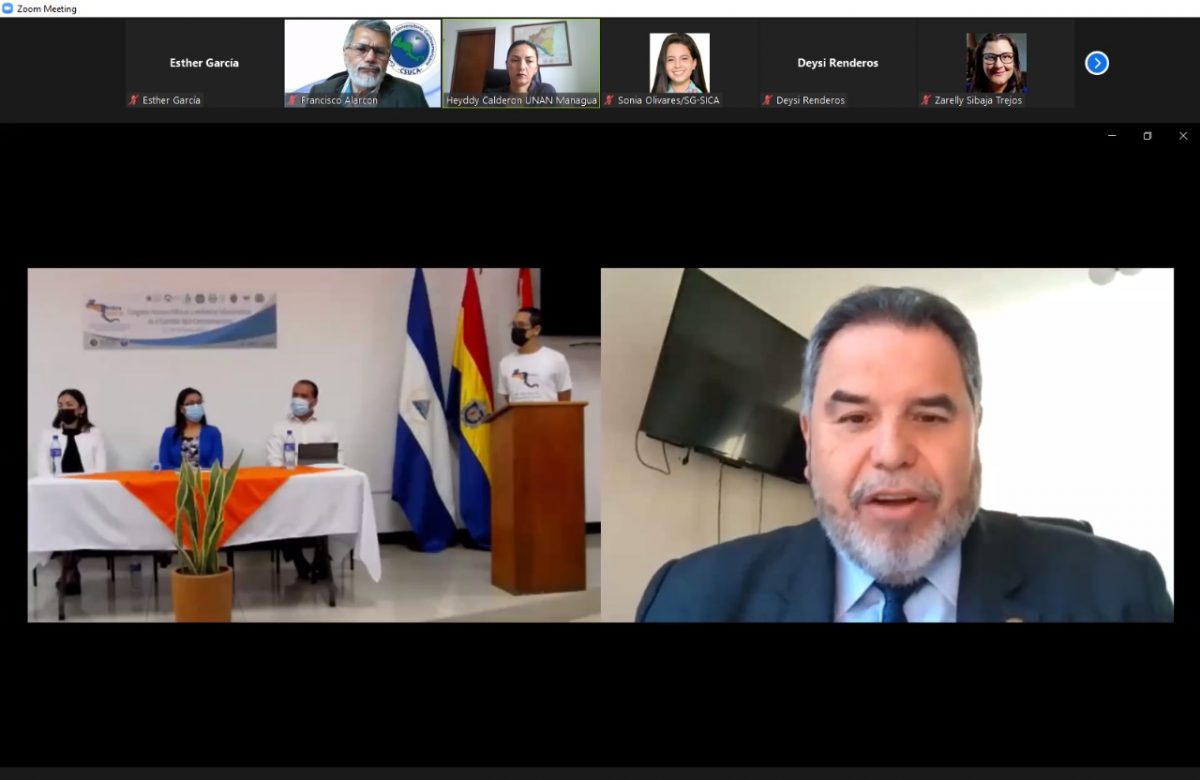
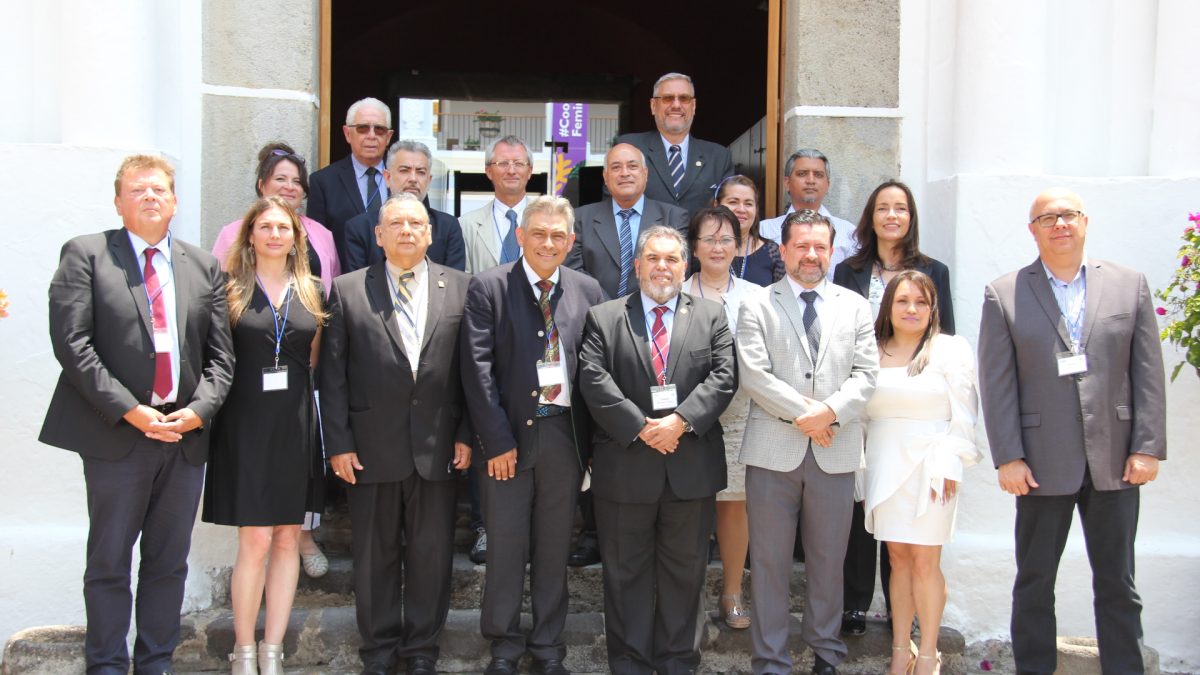
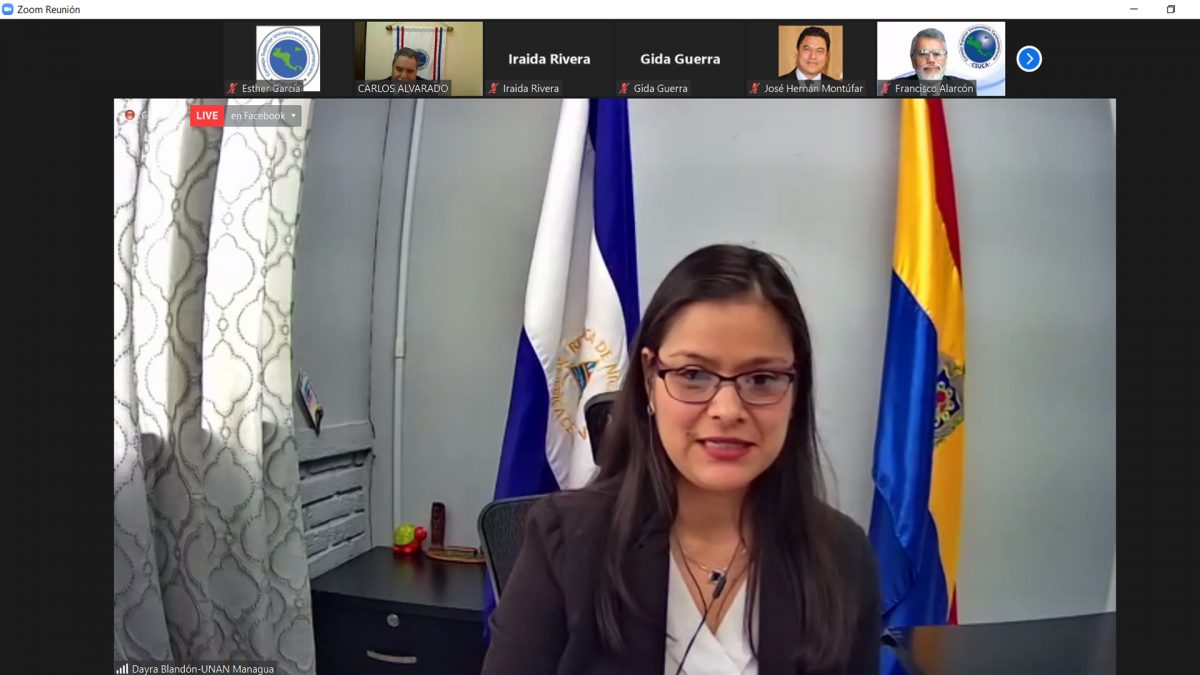
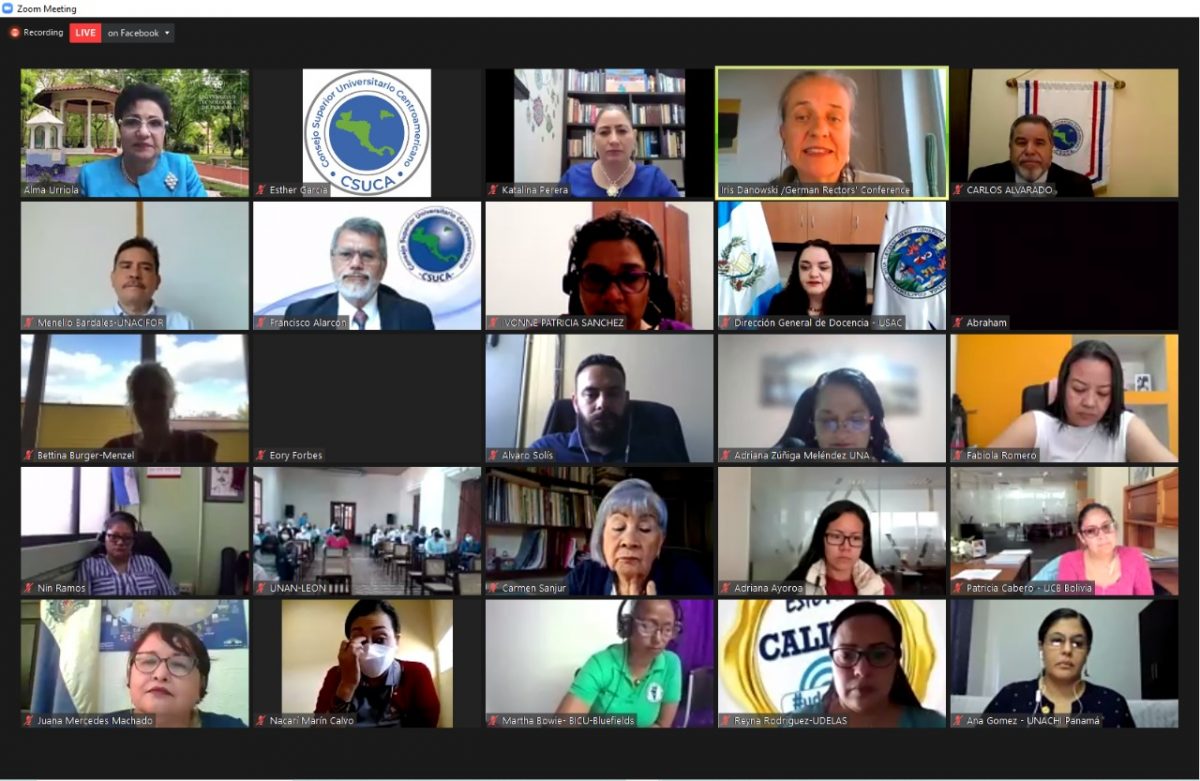
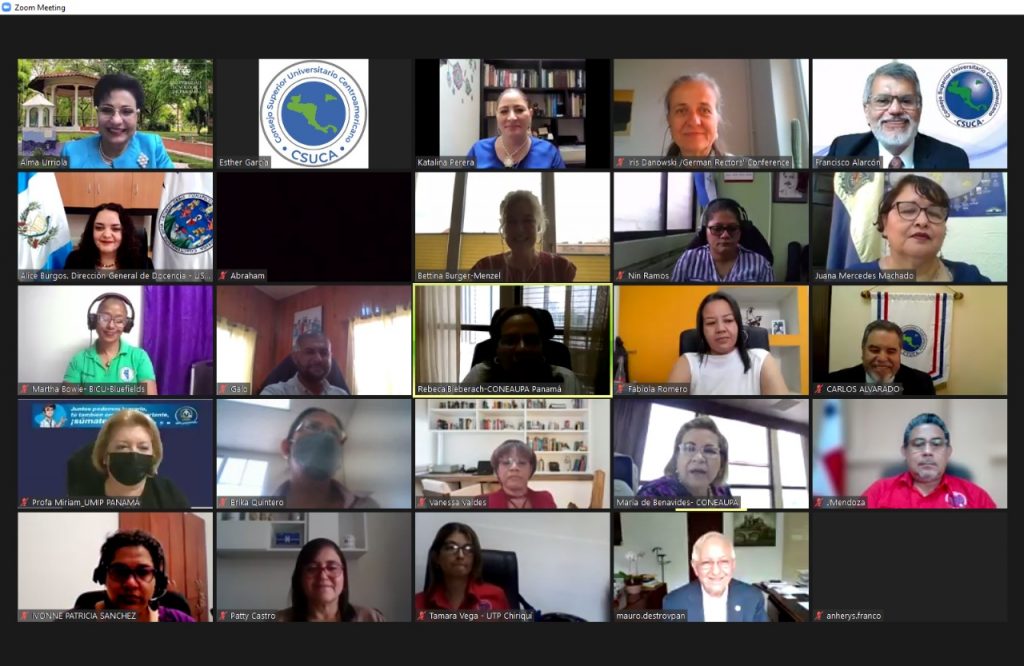
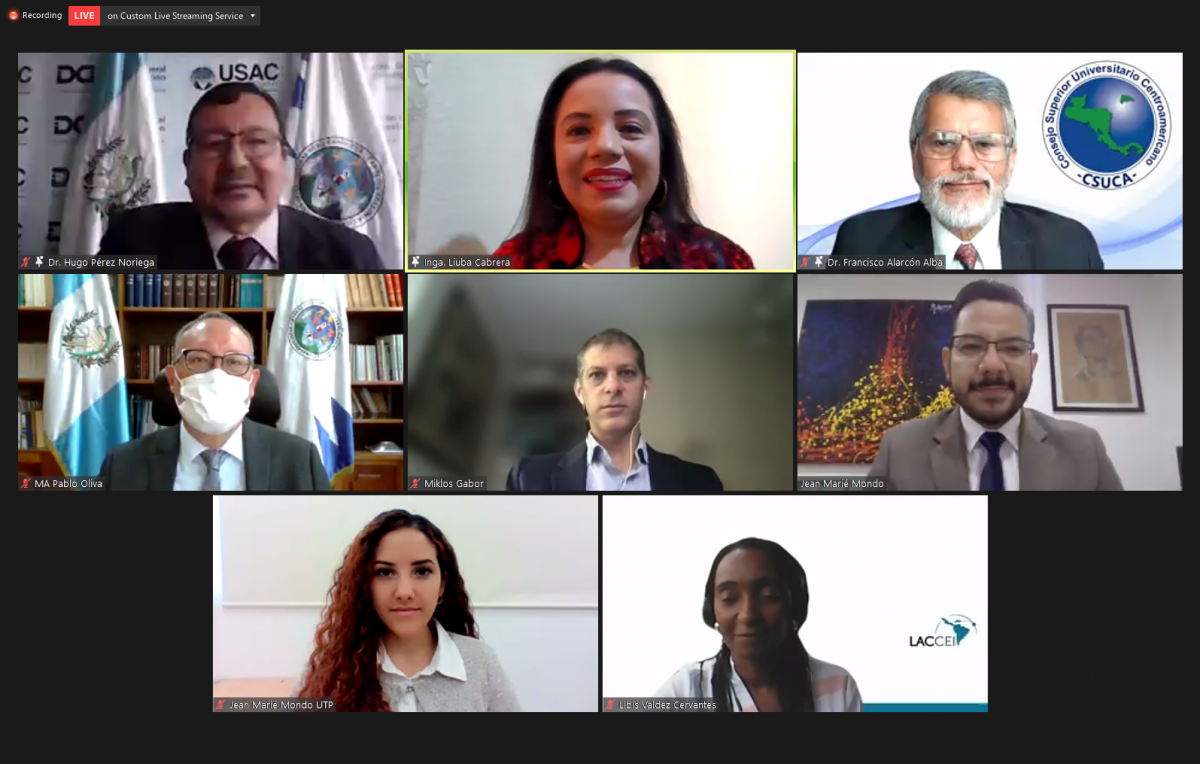
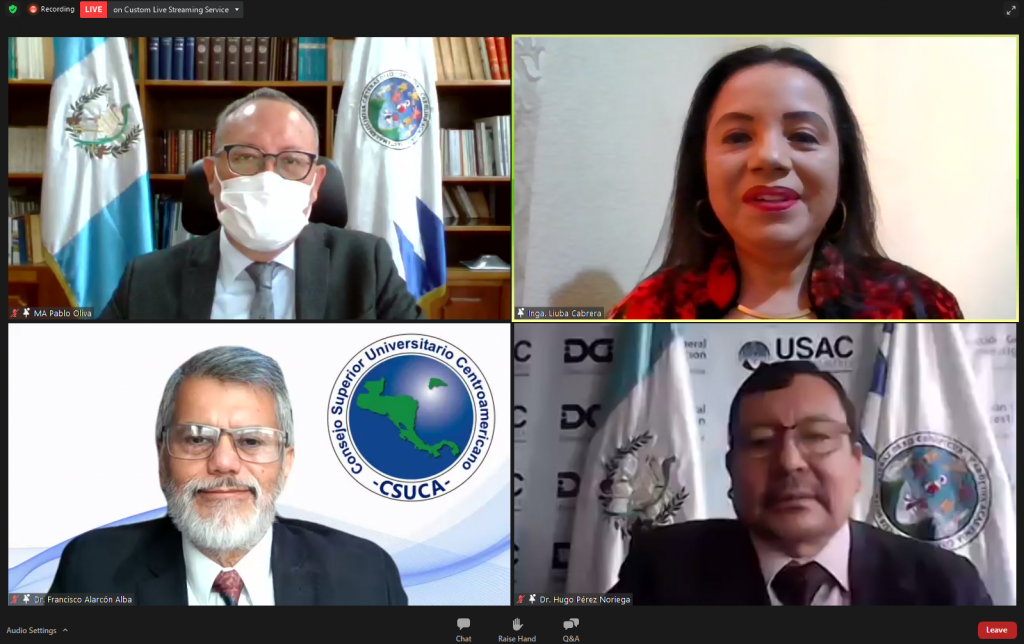
Through the efforts of 9 scientific research networks, results, lessons learned and medium and long-term goals are presented today, as part of the closing of the regional project “Strengthening the capacities of science and innovation policy in the member countries of the Central American Integration System (SICA)”, which was executed through the General Secretariat of SICA, together with the Central American Higher University Council (CSUCA) and the International Development Research Centre (IDRC) based in Canada, the National Secretariat of Science and Technology (SENACYT) of Guatemala, as Permanent Secretariat of the Commission for the Scientific and Technological Development of Central America and Panama (CTCAP) and the National Secretariat of Science, Technology and Innovation of Panama (SENACYT).
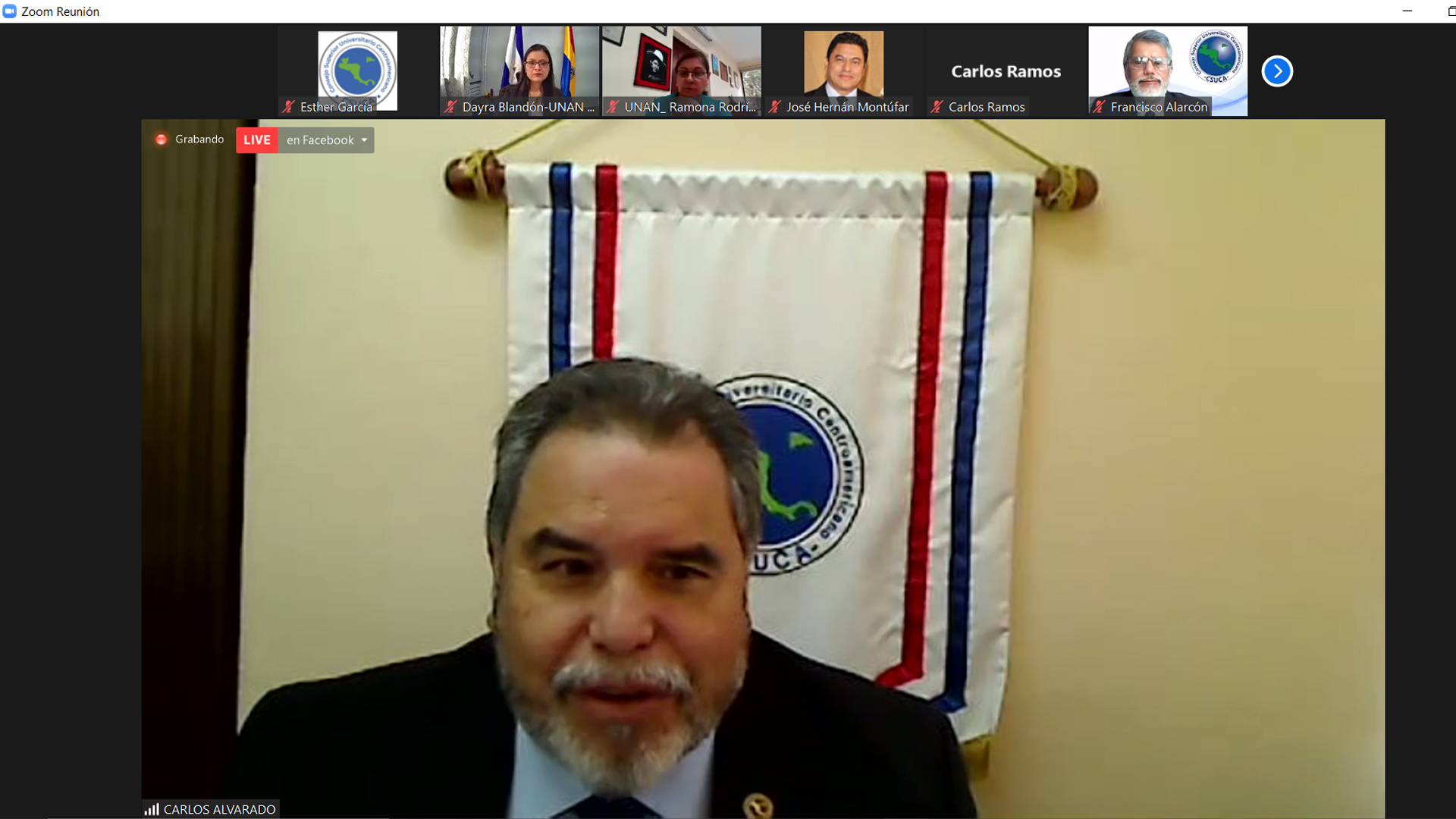
To begin the activity, Mr. Carlos Alvarado Cerezo, Secretary General of CSUCA, stated, “We see reflected in the results of this project the lessons learned and the recommendations for the future, with the networks that have been formed and strengthened through research contributions in Central America and the Caribbean.”.
For his part, Mr. Jorge Cabrera, representing the General Secretariat of SICA, stated, “We must monitor these networks to generate an impact on our societies. The project has been very successful; in the area of research, it has been a very important project for the SICA region.”.
Meanwhile, Mr. Carlos Maynor Salinas, representing CTCAP, reflected, “It was a project that took place under extraordinary conditions, so I can only congratulate you on the work you have done and encourage you to continue strengthening the networks.”.
It is important to note that initially the regional project was going to contribute to the development of 5 research projects, but due to demand, it was able to support the creation and strengthening of 9 scientific research networks, which are the following:
• REBAMAR, with the purpose of assessing marine plastic waste in Central America through the formation of a regional research network.
• RED-CIED, formation of the Central American and Caribbean Network for Research in Economics and Development.
• HidroREDCA, creation of a hydrogeological research network to strengthen the preparedness and resilience of the populations of the Central American Dry Corridor to extreme weather events.
• RT-LAMP, an interdisciplinary network for strengthening capacities in Central American countries for the development of a diagnostic test for proactive screening in SARS-CoV-2 virus infection hotspots using technology.
• RECIEC, Central American network for research in critical extension.
• RedCMD, Central American network for the management of epidemiological data.
• RCN, network of researchers for the development of natural sciences.
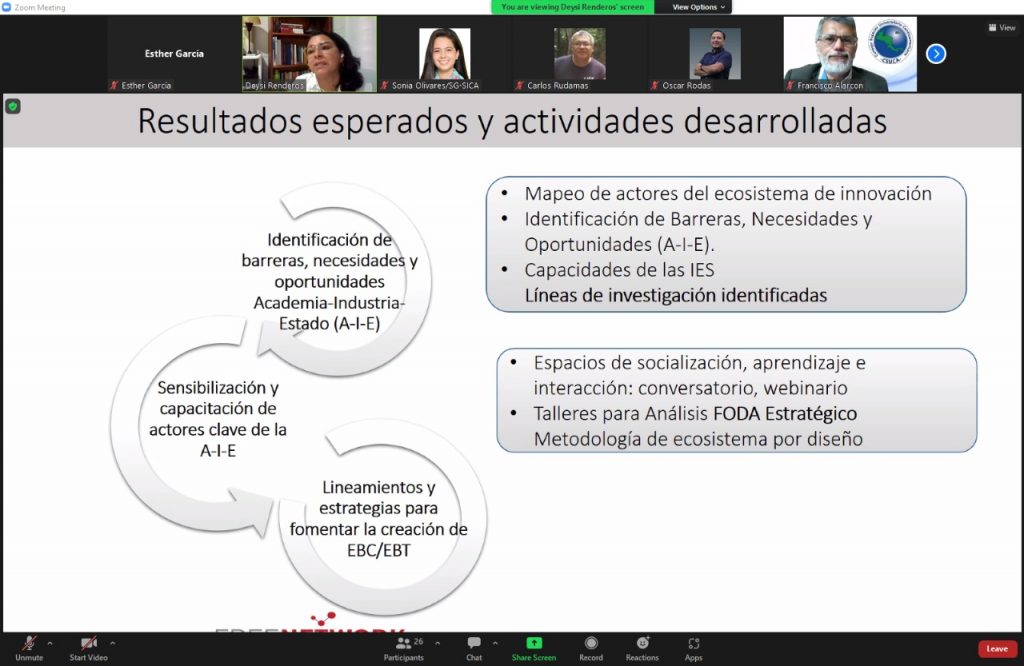
• Red Free Network, articulation of actors from academia-industry-state for the generation of initiatives for economic reactivation after the COVID-19 pandemic and strengthening of the innovation ecosystem in Central America.
• RIESI, a regional academic network to support higher education inclusion for people with disabilities and social disadvantage in the countries of the Central American and Caribbean region.
It should be noted that, in May of this year, the participating institutions, led by CSUCA, presented a new initiative to IDRC, with the purpose of continuing to strengthen the contributions of scientific research generated from the member countries and universities of the Central American and Caribbean region for the next 5 years.






 English
  Español de Guatemala