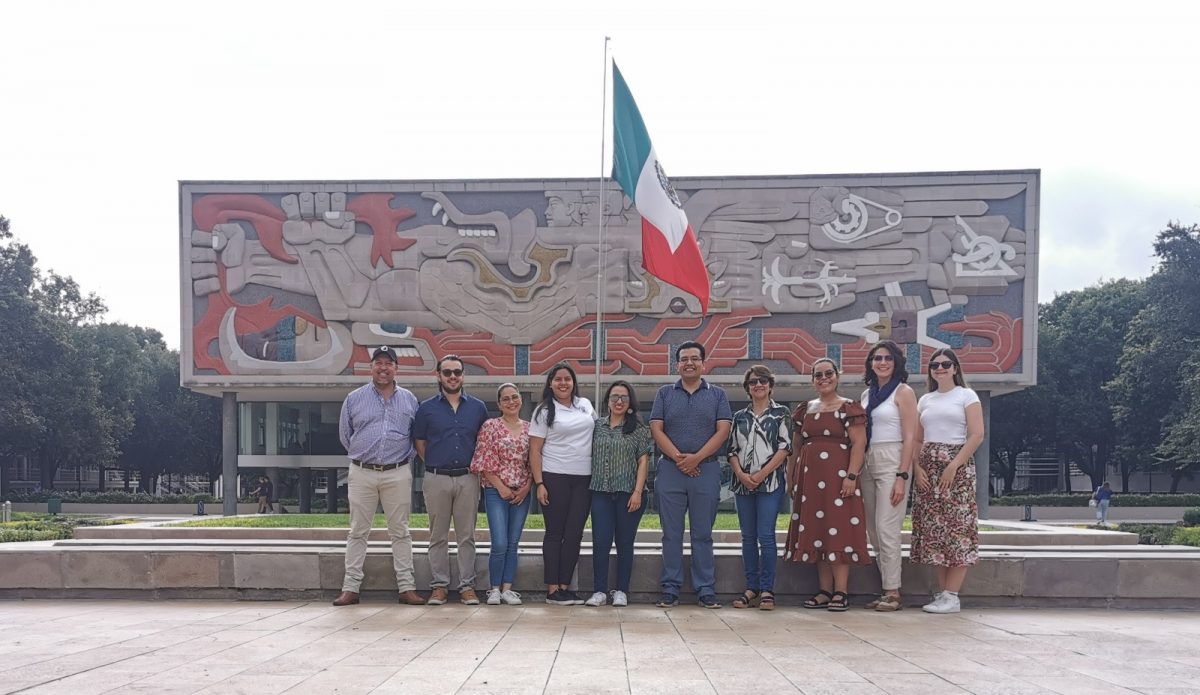
Within the framework of the activities of the Project “Towards SMART and Sustainable Water Management in Central American Communities Through Innovative and Inclusive Water Research and Education” (SMART-S Water Management), The team, made up of researchers from Guatemala, Costa Rica, and Honduras, visited the city of Monterrey, NL, Mexico, from July 29 to August 2, to learn about good practices and experiences in sustainable water resource management with a gender focus.
The host institution for the visit was the Monterrey Institute of Technology and Higher Education (ITESM), a member of the research consortium with extensive experience in promoting innovative technologies to solve problems related to access to water and sanitation. The researchers toured some of the projects led by this institution, including: Strategic Decision Core (SDC), space designed to present local, national and international authorities with information and data relevant to decision-making; E2 Off Grid Parking, pilot self-sustainability system, which includes rainwater harvesting systems, water harvesting from humidity and wastewater reuse for its operation; project Blue Route in Residences XV, which incorporates a rainwater harvesting and greywater treatment system with a soil system to supply water to the aforementioned university residence.
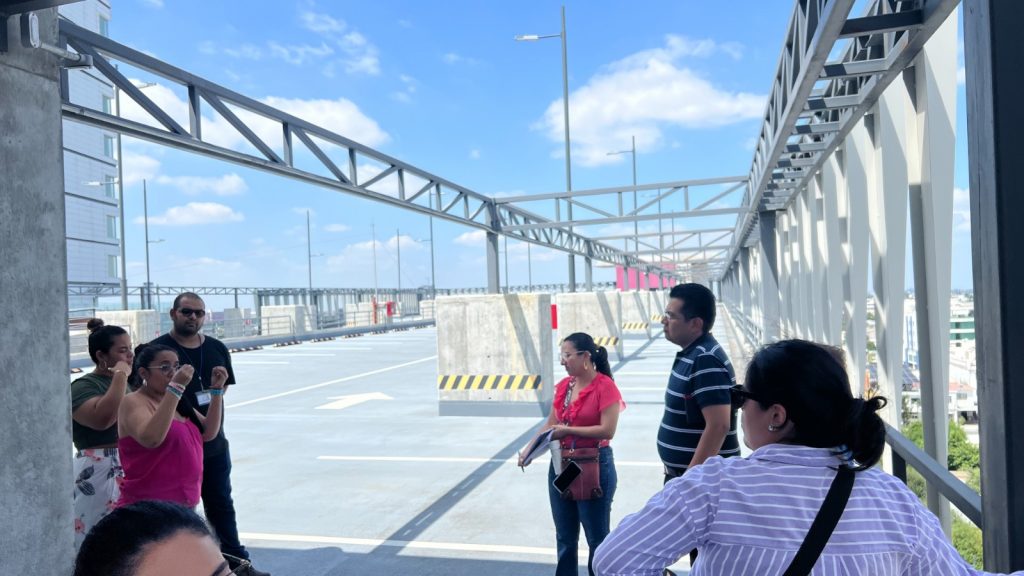
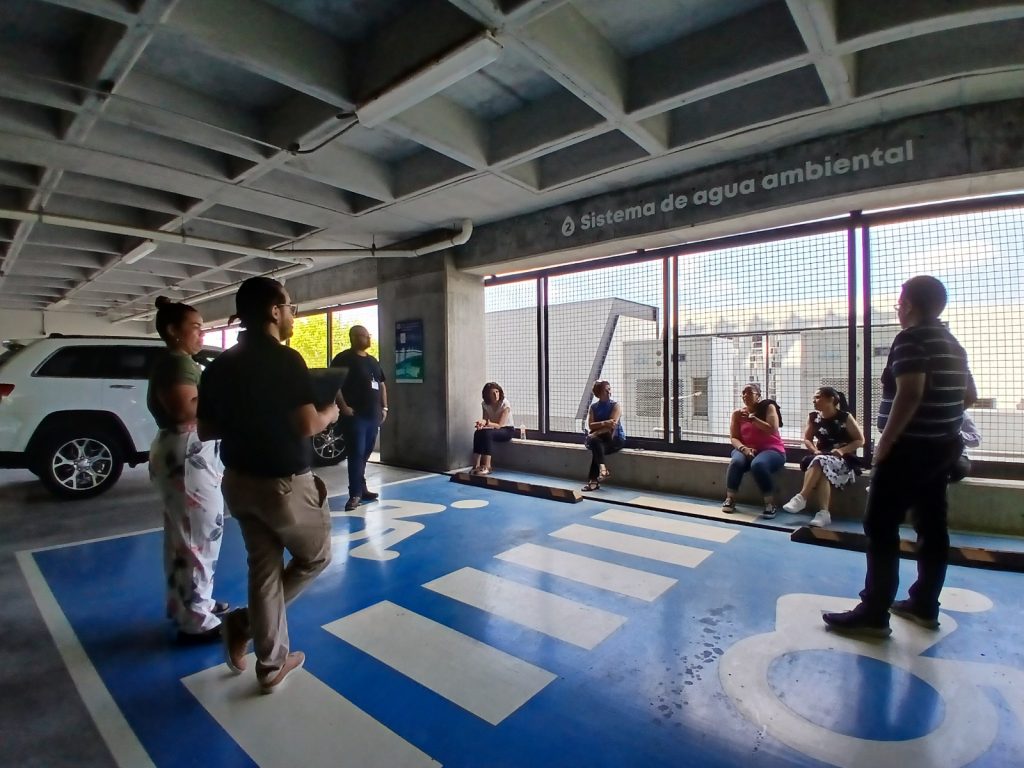
E2 Off Grid Parking
They also visited the “TEC District” Y “Campana-Altamira District”, Urban planning and connections with the university campus were discussed, highlighting how Tecnológico de Monterrey acts as a neighbor of the city and supports the development of plans and programs that benefit the community. During this tour, the city's contextual complexities were observed, which impact access to and sustainable management of water resources.
For its part, a space was also created for the exchange of experiences on water governance with staff from Agua y Drenaje de Monterrey, a decentralized public institution that is responsible for supplying water to the city.
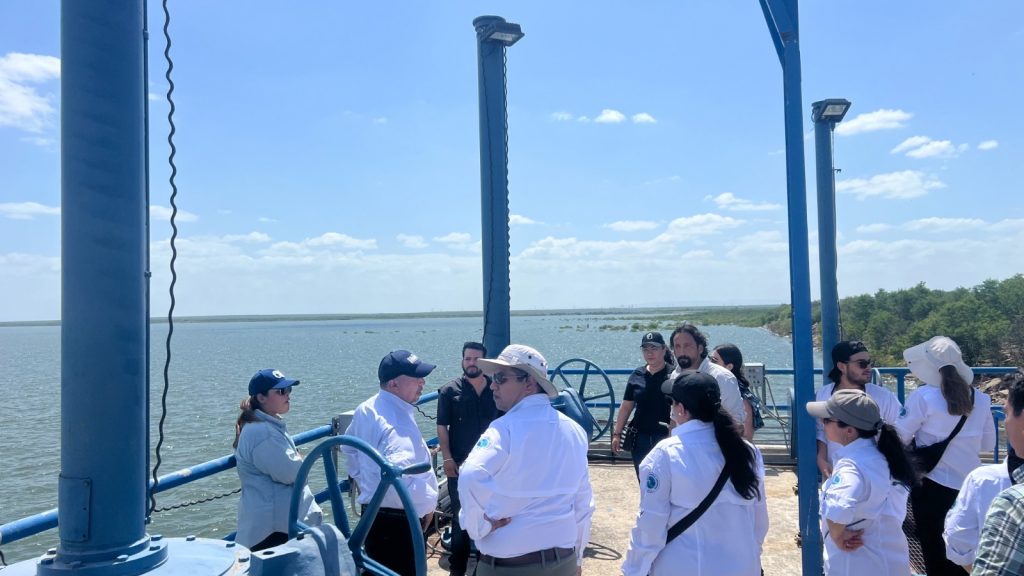
The presentation by Architect Juan Ignacio Barragán Villagrán, Director General of the institution, was particularly noteworthy. He provided a timeline of the challenges posed by the 2021 and 2022 droughts and the measures taken to address them. These measures included the declaration of a drought, which expedited the contracting and construction of emergency infrastructure projects, such as the Cuchillo II aqueduct and the Libertad Dam. Both projects were accompanied by leak repairs, maintenance of existing wells and pumping stations, and other measures. The research team also visited these engineering works.
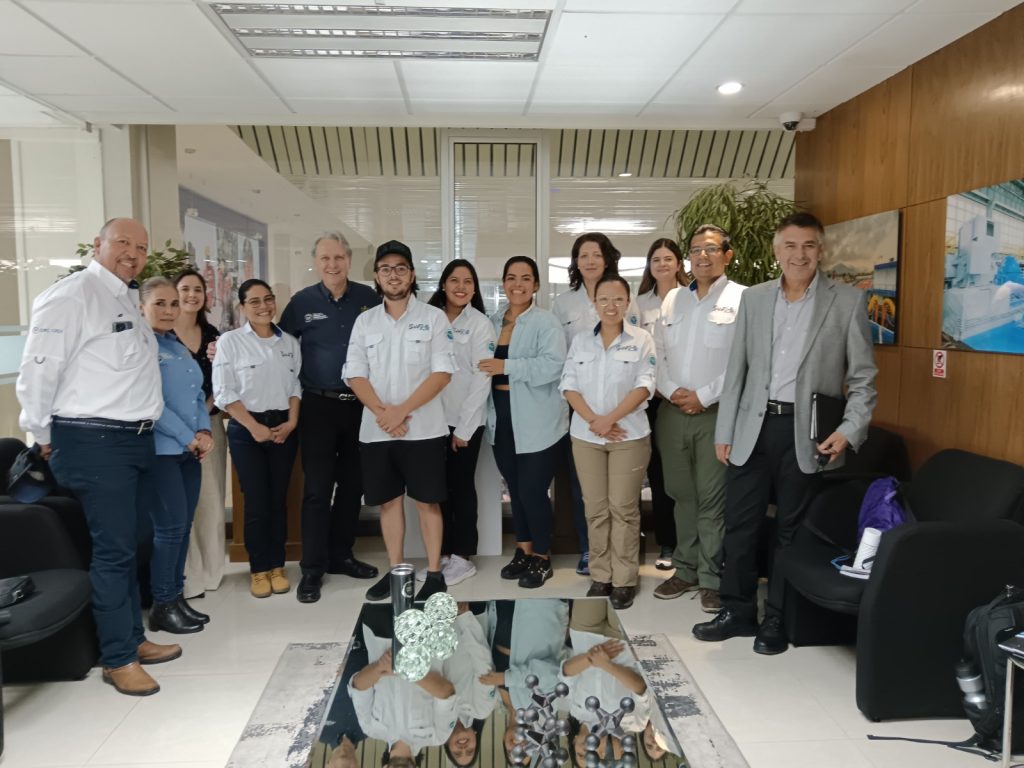
During the visit to TEC de Monterrey, significant progress was made in consolidating key SMART-S project initiatives for water management in Central America. Essential input was obtained for defining innovative technologies, models, and measures that could be promoted in the Central American region, as well as for designing training programs through co-creation workshops in each country. The discussions also allowed for exploring the replicability of innovative projects from Tecnológico de Monterrey in areas such as campus management, laboratory technical resources, industry collaboration, and community integration. Furthermore, the philosophy of water management in climate-challenged areas was recognized, and the participation of women at various levels of the water management system was highlighted. These interactions strengthened inter-institutional relationships, establishing potential pathways for future partnerships in research, education, and student and faculty exchange.
The project SMART-S Water Management It is executed by the research consortium made up of the Western University Center of the University of San Carlos of Guatemala (CUNOC), the University of Costa Rica (UCR), the Francisco Morazán Pedagogical University (UPNFM) and the Monterrey Institute of Technology (TEC), within the framework of the regional project “Strengthening inclusive science and innovation systems in Latin America through a collaborative research network” implemented by the Central American Higher University Council (CSUCA), the Commission for Scientific and Technological Development of Central America and Panama (CTCAP) and the General Secretariat of the Central American Integration System (SG-SICA), financed by the International Development Research Centre of Canada (IDRC).
 English
  Español de Guatemala