
Tegucigalpa, 7 de noviembre de 2024
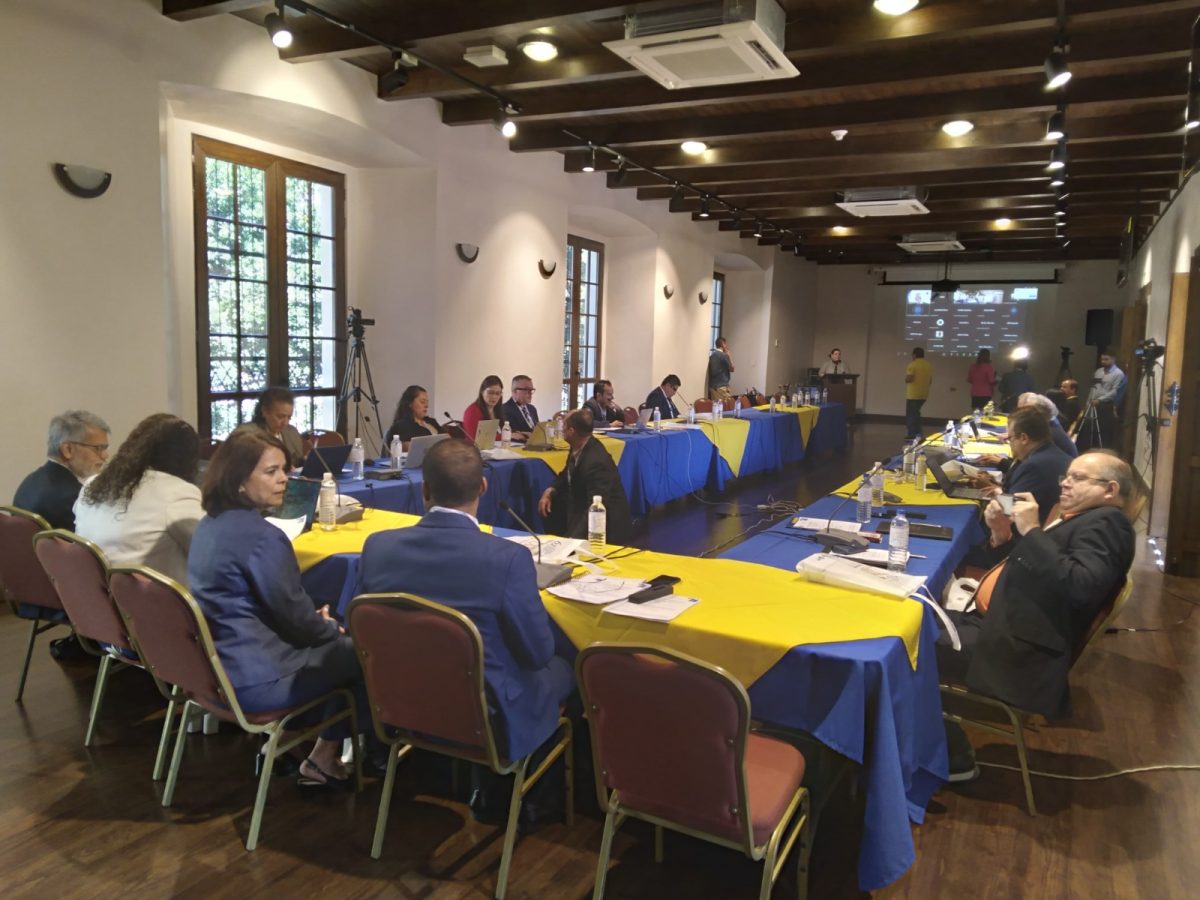
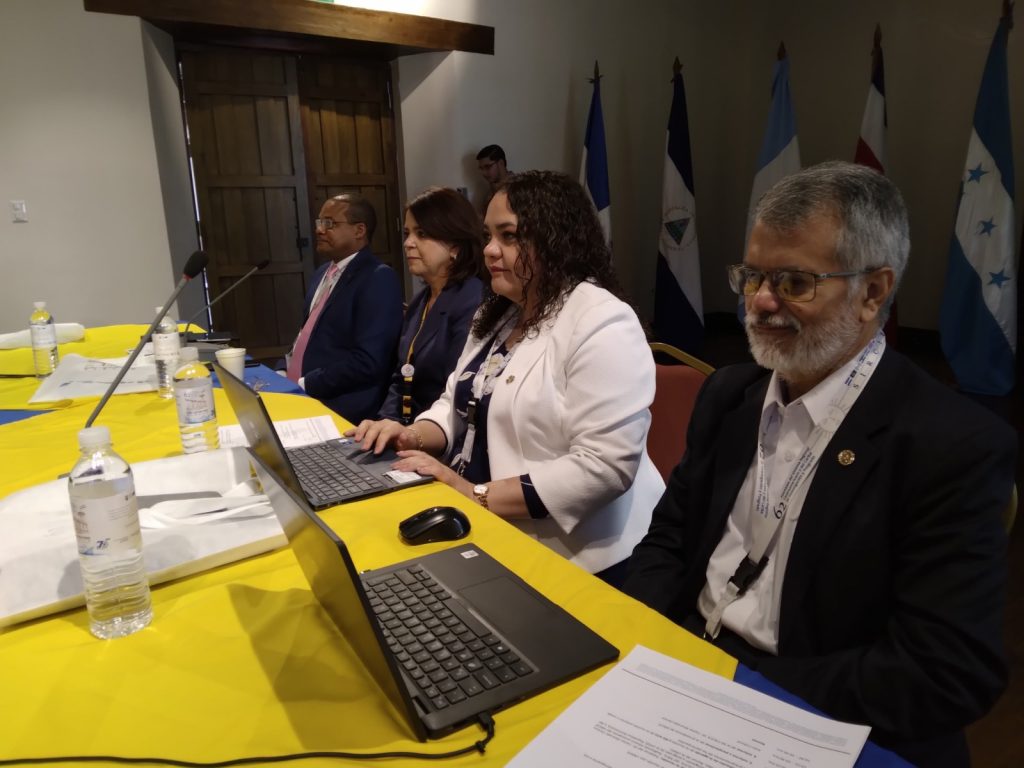
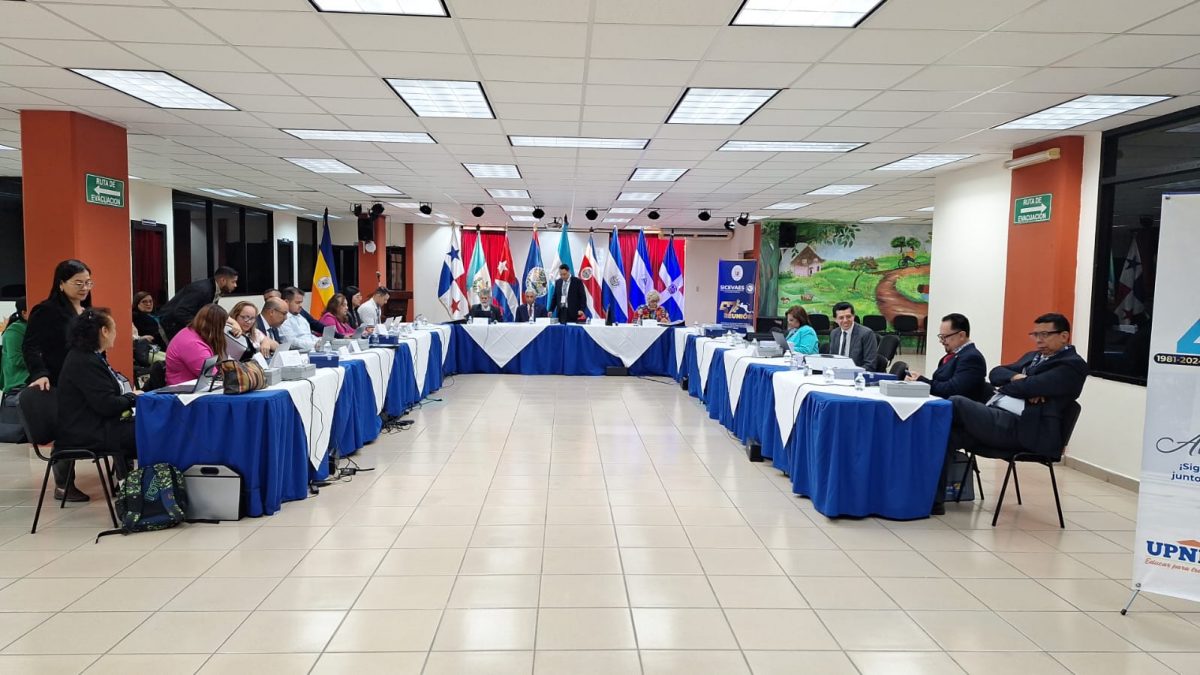
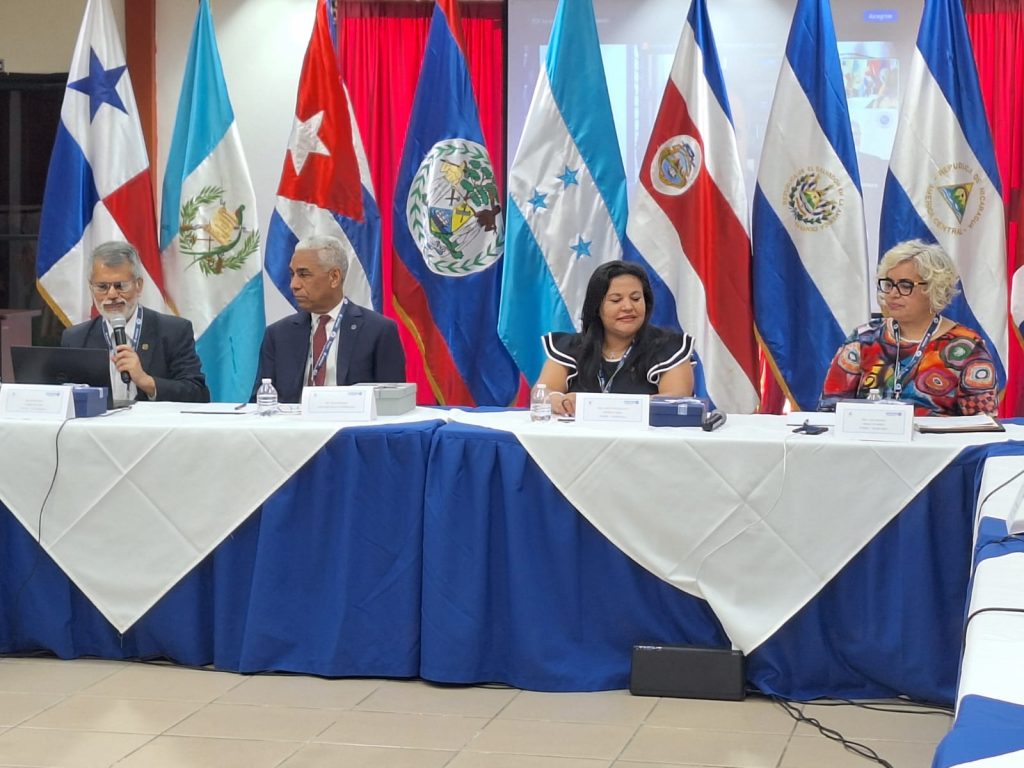
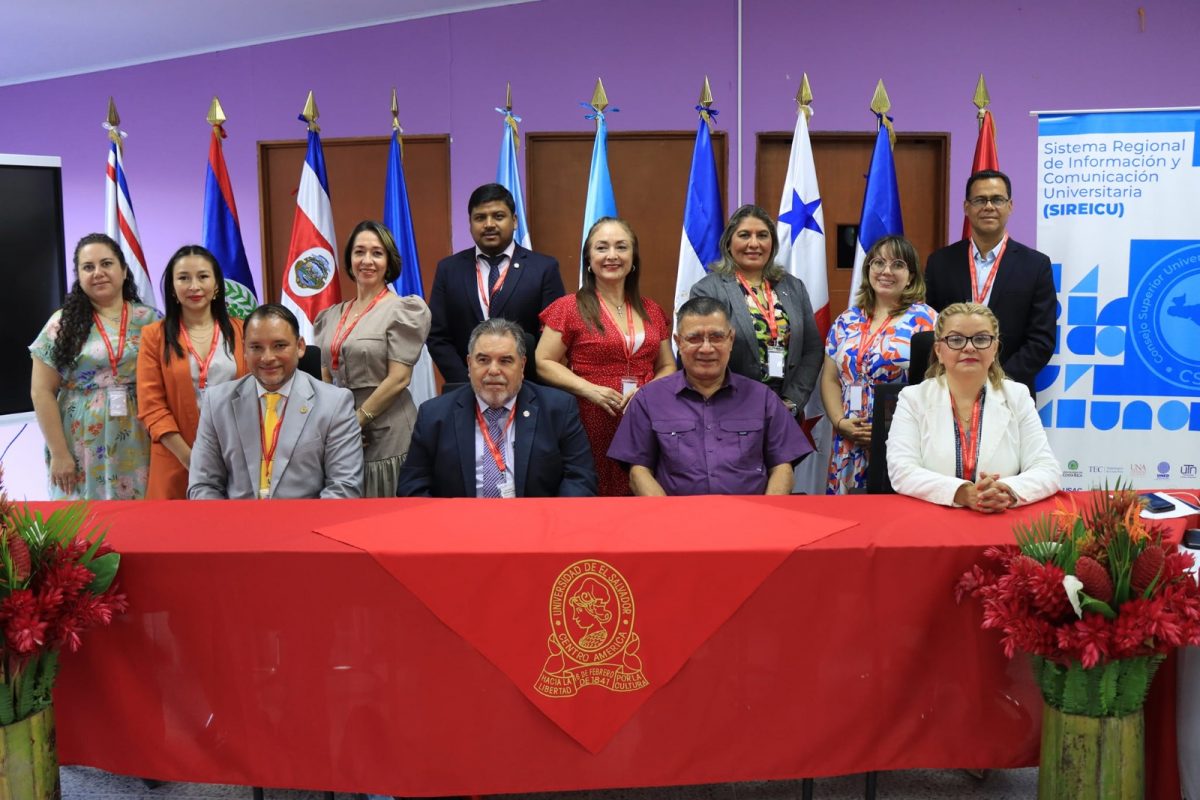
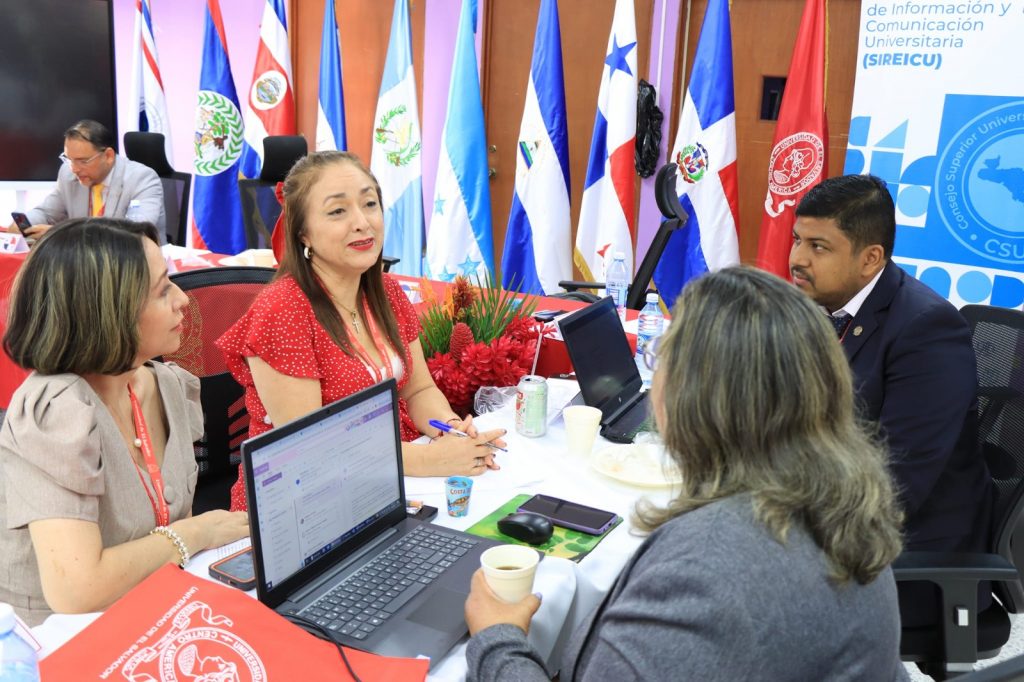
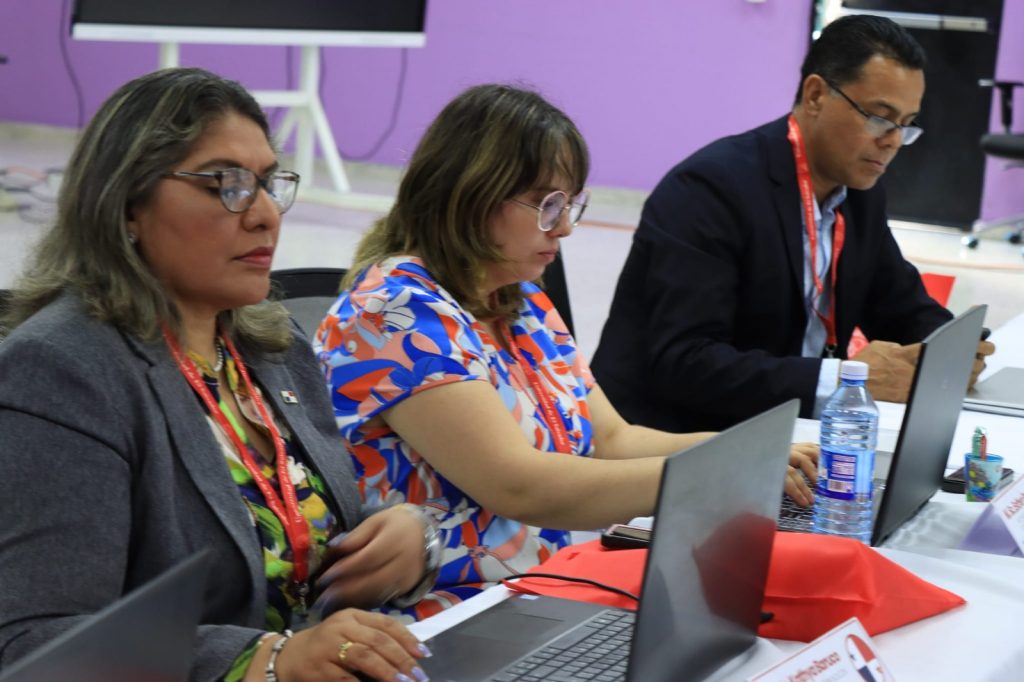
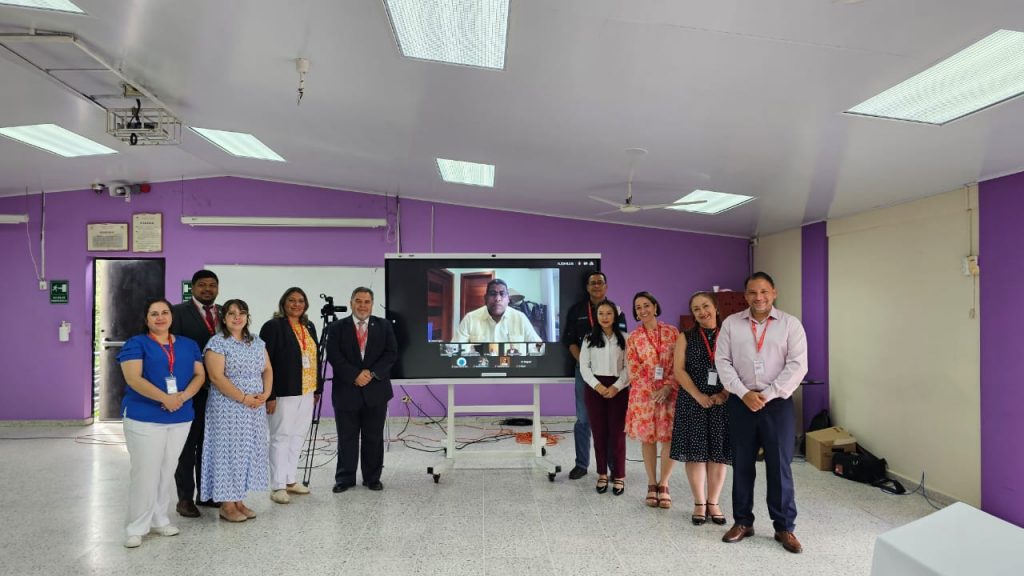
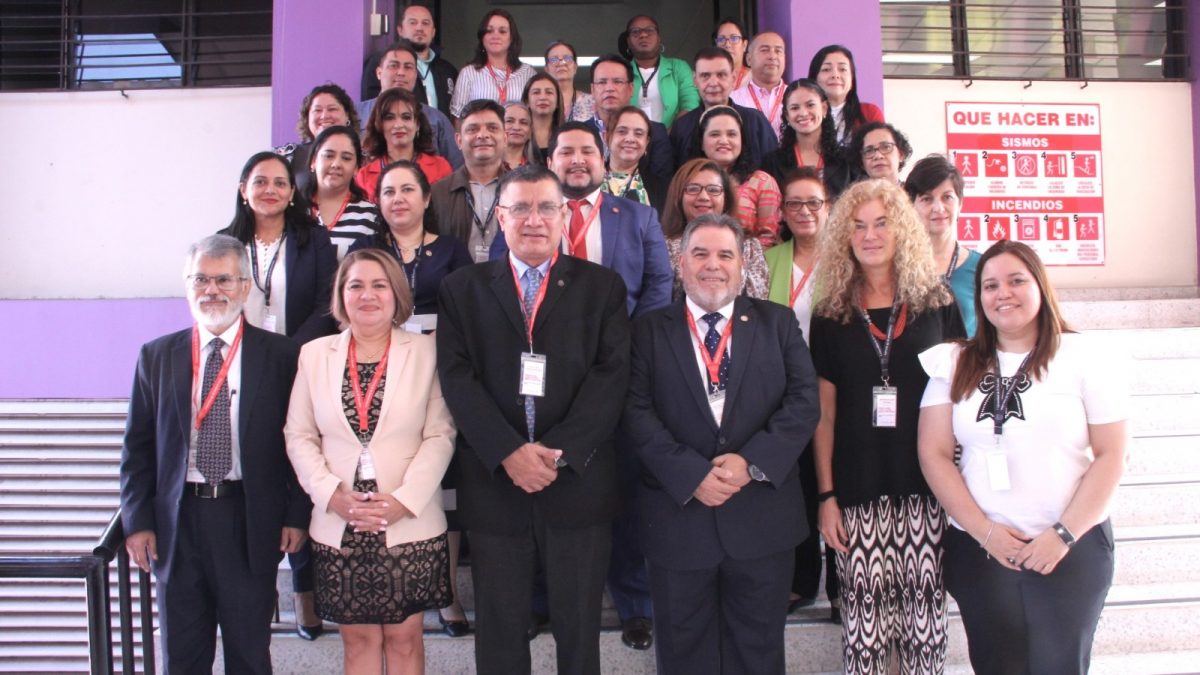
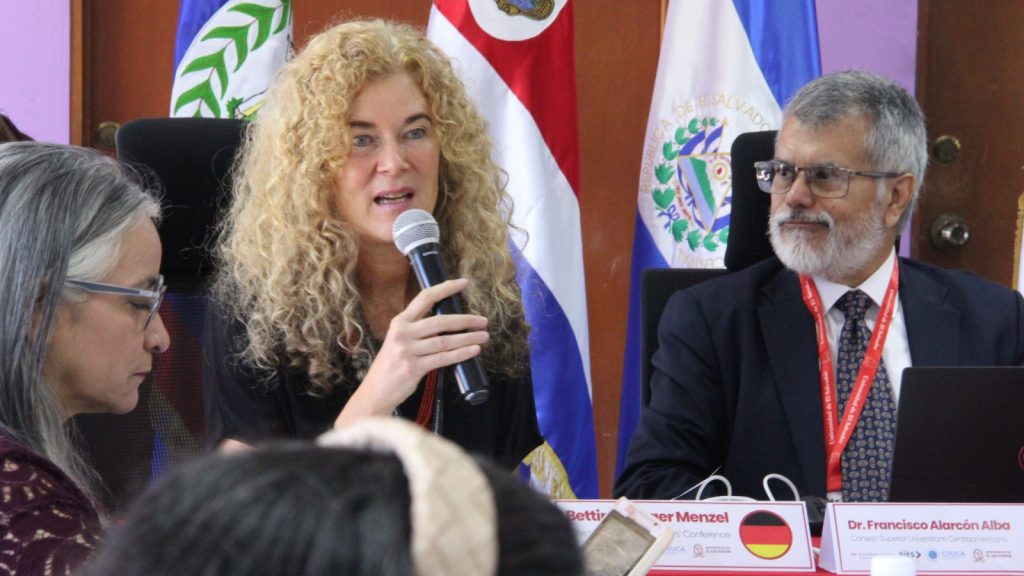
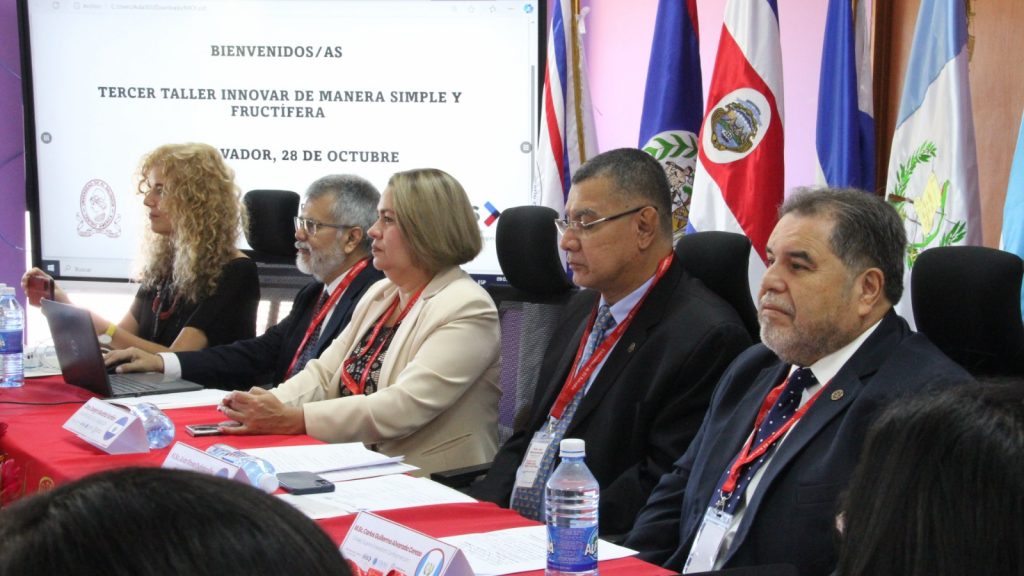
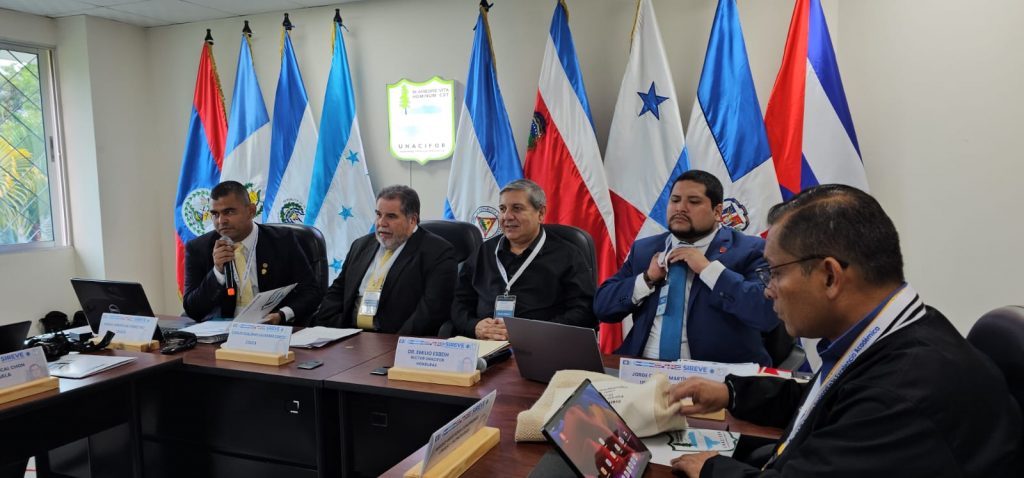
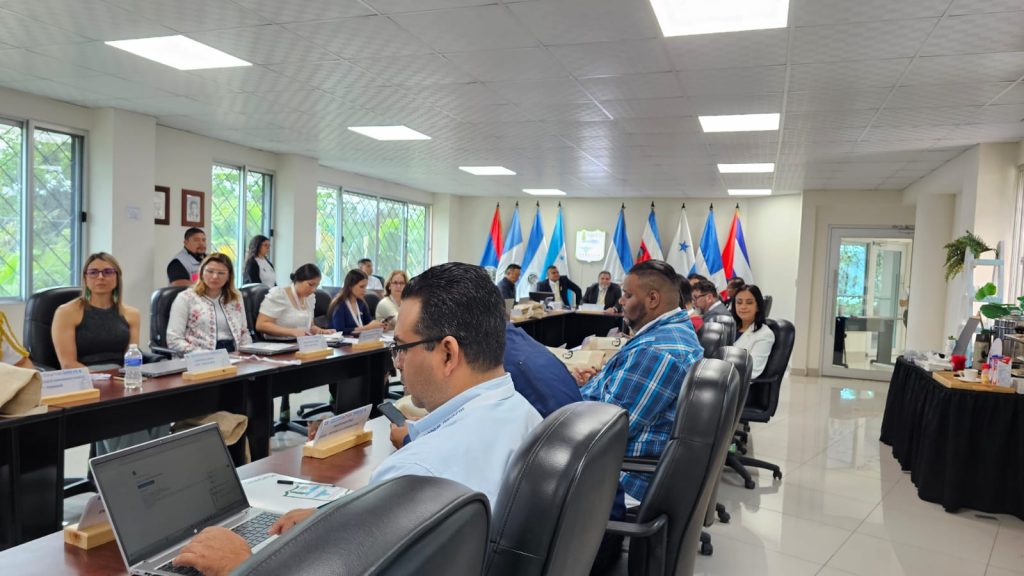
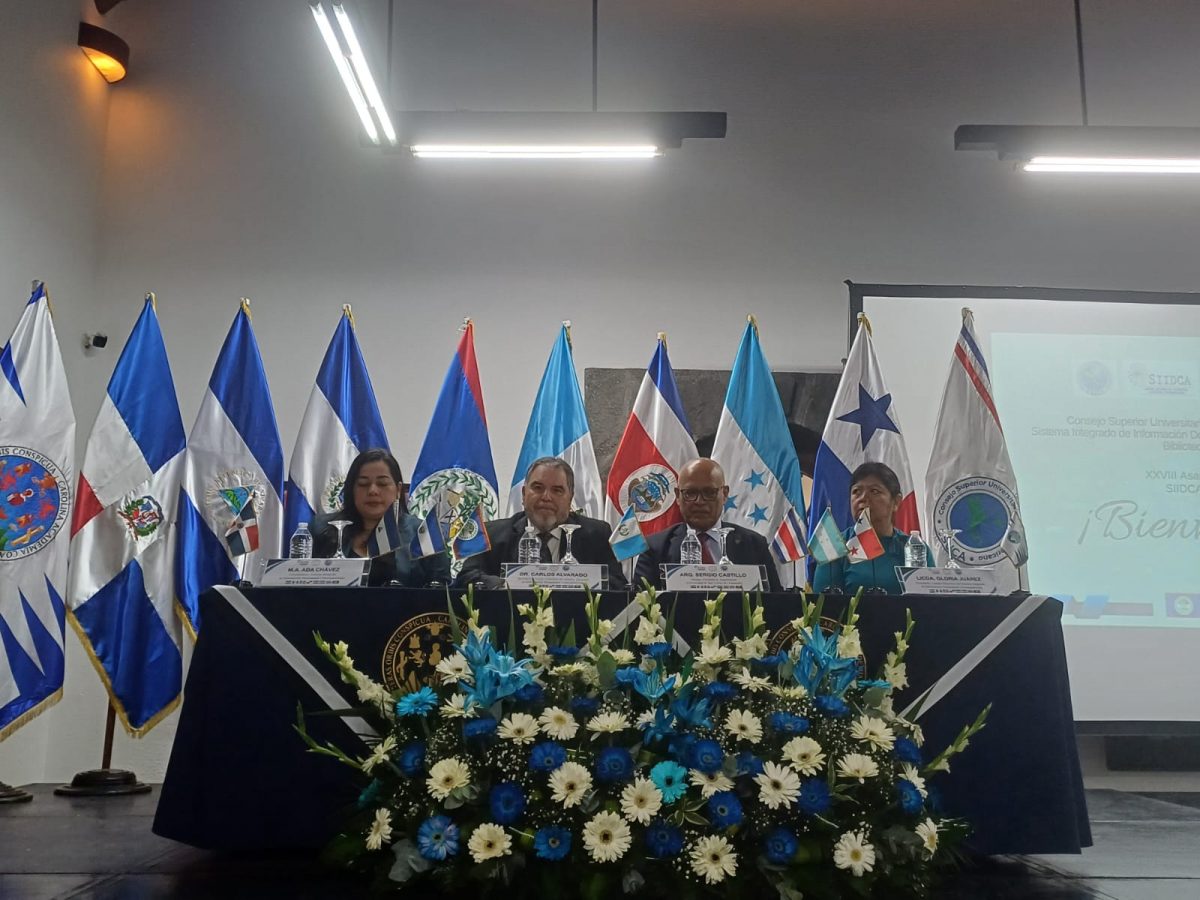
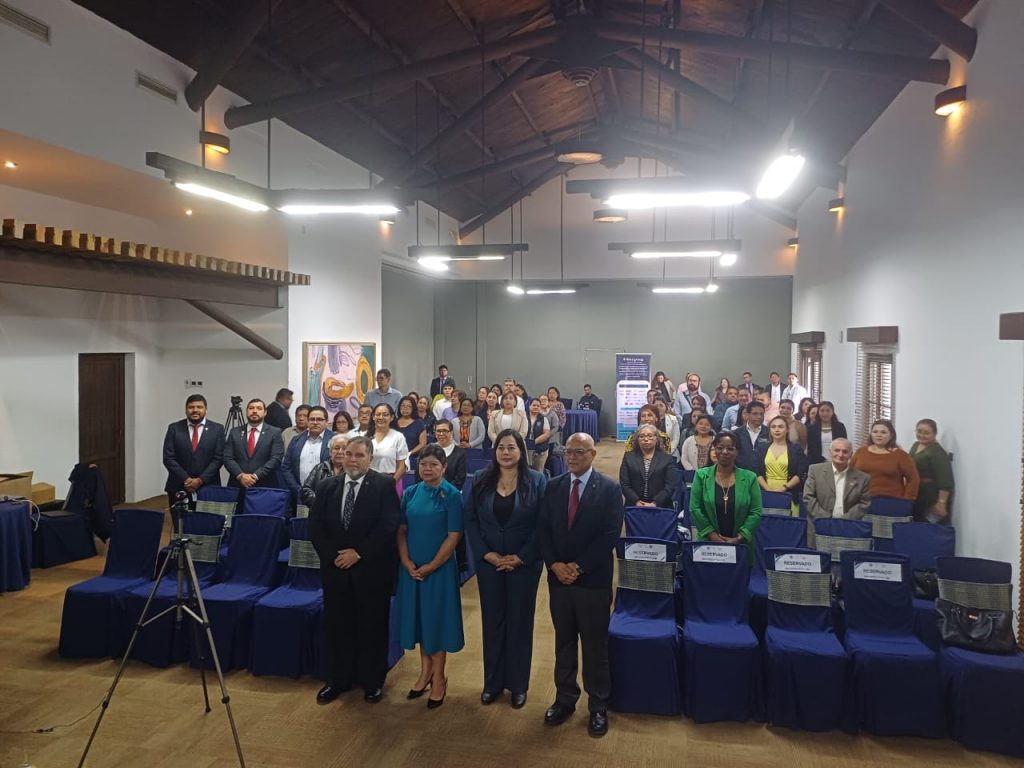
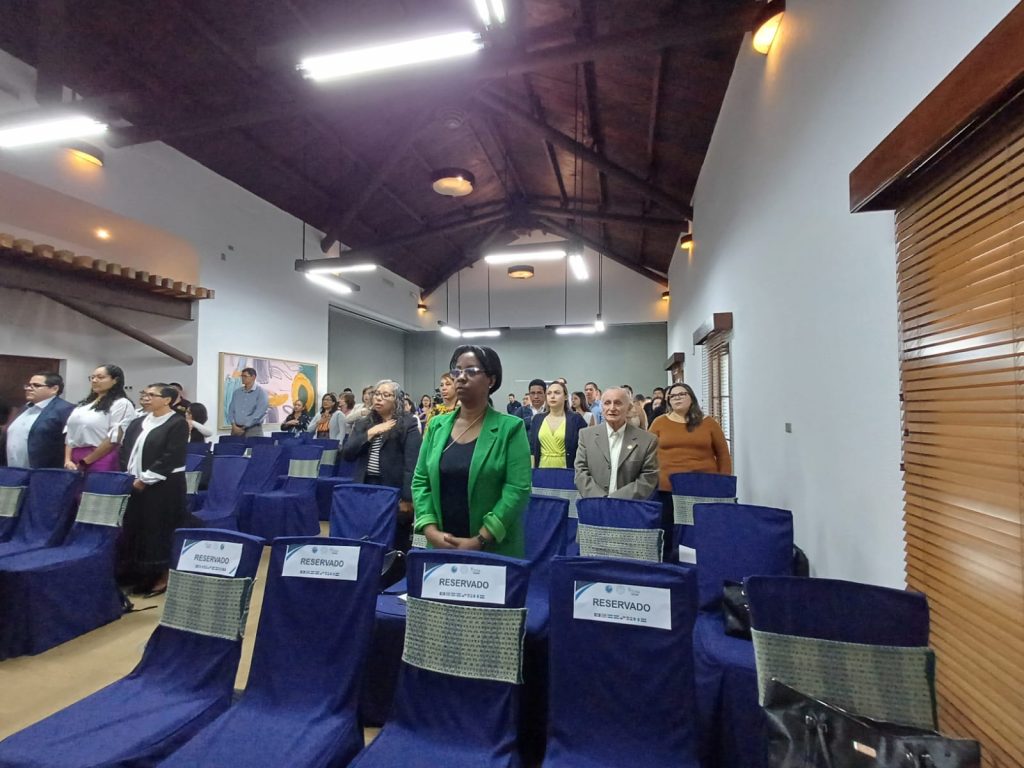
En instalaciones del Paraninfo Universitario de la Universidad Nacional Autónoma de Honduras -UNAH-, se desarrolla la Sexagésimo Segunda Asamblea General del Sistema Regional Centroamericano y del Caribe de Investigación y Posgrado -SIRCIP-.
El SIRCIP es un órgano de la Confederación Centroamericana que fortalece, orienta, apoya, coordina, armoniza e integra la investigación y los estudios de posgrado, con enfoque regional en las universidades que integran el Consejo Superior Universitario Centroamericano -CSUCA-.
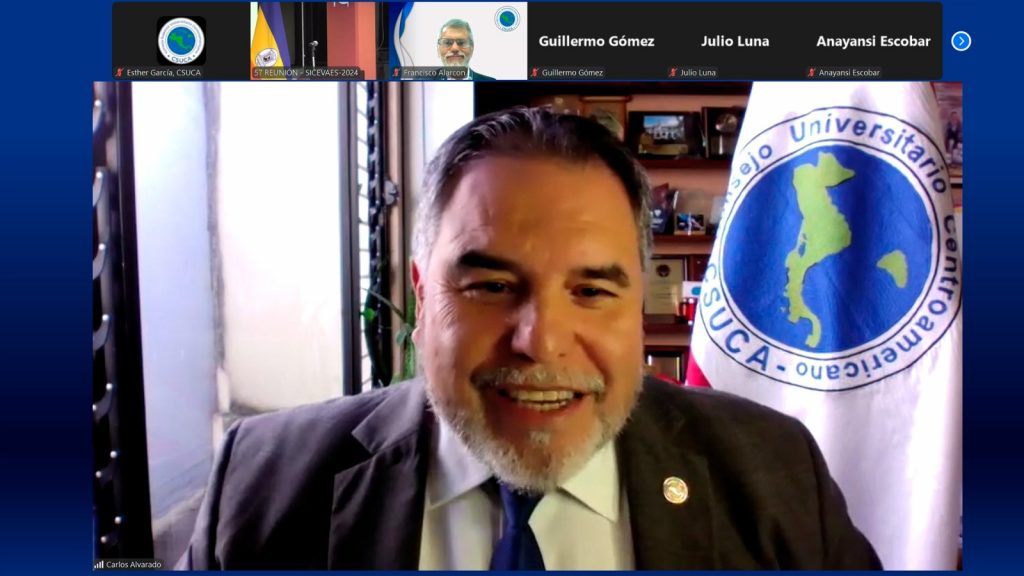
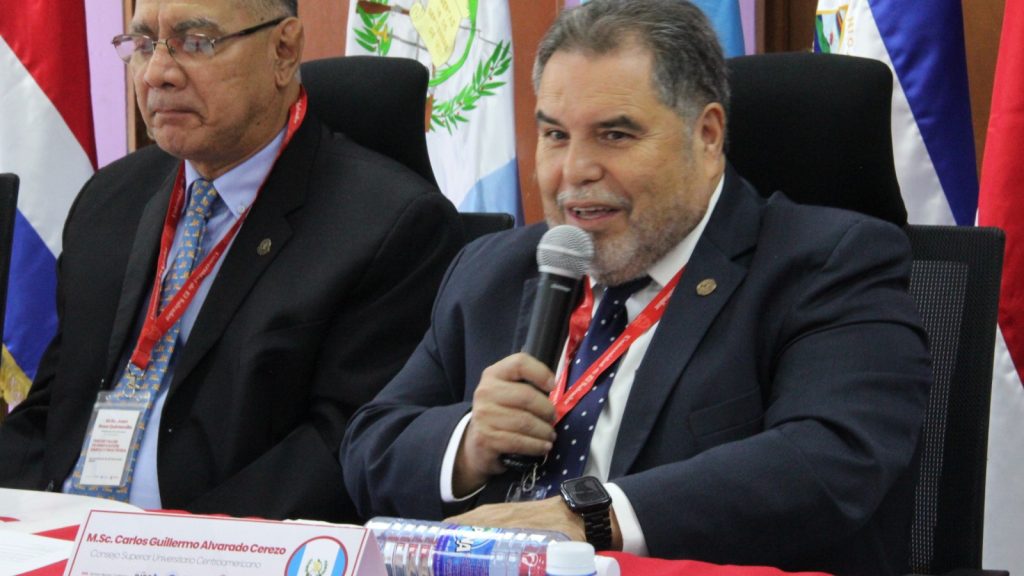
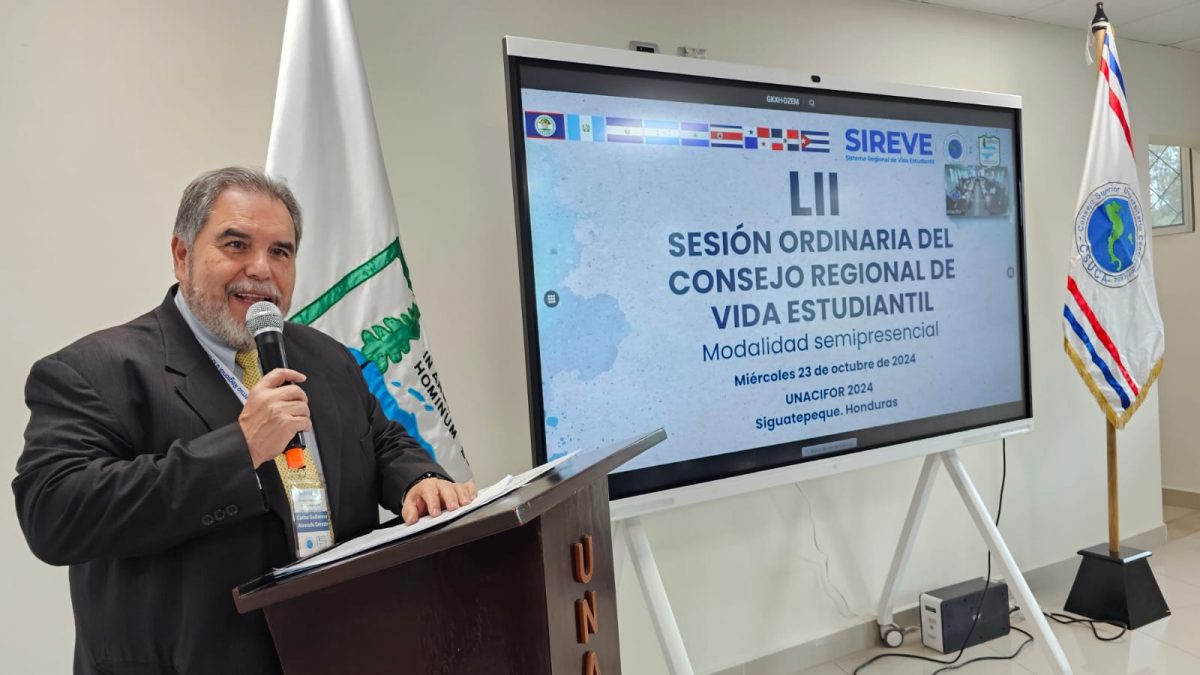
La asamblea inició con palabras de Carlos Alvarado, Secretario General de CSUCA, quien señaló la incidencia de SIRCIP para el desarrollo de la educación superior en la región “El SIRCIP debe velar por contar con profesionales expertos y especializados antes las exigencias que plantea la sociedad en la actualidad. Es de suma importancia vincular la educación superior con los diferentes sectores de nuestras sociedades, posibilitando que la incidencia académica genere un alto impacto en las sociedades de nuestros países”.
Radhamés Silverio presidente del SIRCIP y Vicerrector de Investigación y Posgrado de la Universidad Autónoma de Santo Domingo -UASD-, mencionó “Estar reunidos en esta asamblea general en la UNAH, constituye un alto honor para quien les habla, como presidente me siento comprometido por el desarrollo de nuestras acciones para el desarrollo de nuestras sociedades”.
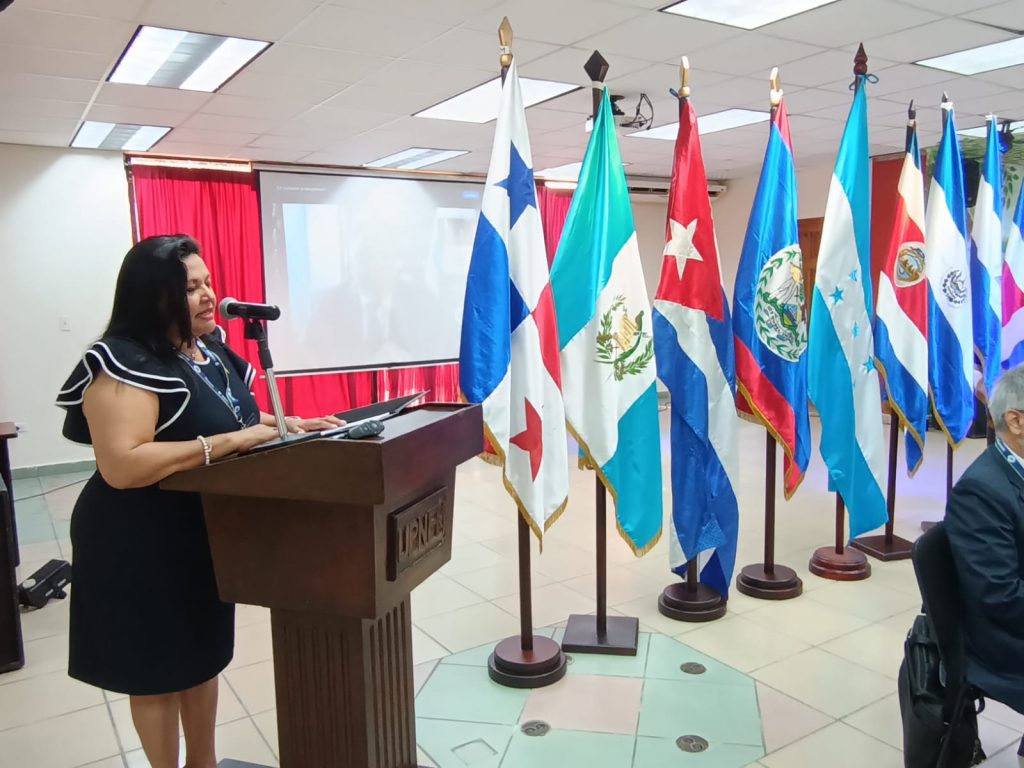
Asimismo, Lourdes Murcia, Vicerrectora Académica de la UNAH, dio la bienvenida a las instalaciones de la universidad “Que mejor lugar que dar inicio a esta asamblea, que este histórico edificio que albergo las acciones de la universidad por casi 70 años. Somos una institución que se ha fortalecido y que cada día se reconstruye, este emblemático espacio ha sido testigo de la construcción de nuestra universidad, espacio que ha forjado el desarrollo de nuestra nación con la formación de grandes educadores”.
La 62 Asamblea General de SIRCIP, dará lugar a la presentación de informes por parte de la presidencia de SIRCIP, Secretaría General de CSUCA, Comisión Técnica de Investigación y Posgrado y de las diferentes Comisiones Permanentes de trabajo correspondientes al seguimiento del cumplimiento de los cuatro objetivos estratégicos del Programa 2 del Quinto Plan para la Integración de la Educación Superior en Centromérica y República Dominicana -PIRESC V-.
Este espacio será un espacio para el desarrollo de las conferencias “Innovaciones en el Diseño Curricular de los Estudios de Posgrado” y “Experiencias de la Región Centroamericana en Innovación, Emprendimiento y Transferencia de Conocimiento”.
Asimismo, la propuesta para el desarrollo del VII Encuentro Regional Bienal de Investigación y Posgrado a desarrollarse en el 2025, y el desarrollo de las diferentes reuniones de trabajo paralelas. Así como, los talleres de trabajo para designar un programa de posgrado regional y la definición de posibles áreas de interés regional para el desarrollo de nuevas ofertas de posgrado de alcance regional.
Ambos días tendrán una amplia agenda, con la cual se busca contribuir al desarrollo humano sostenible de la región mediante la investigación, posgrado y la proyección social.
 English
  Español de Guatemala