CSUCA strengthens the regional research and postgraduate agenda during the LXV General Assembly of SIRCIP

San José, Costa Rica, April 22, 2026

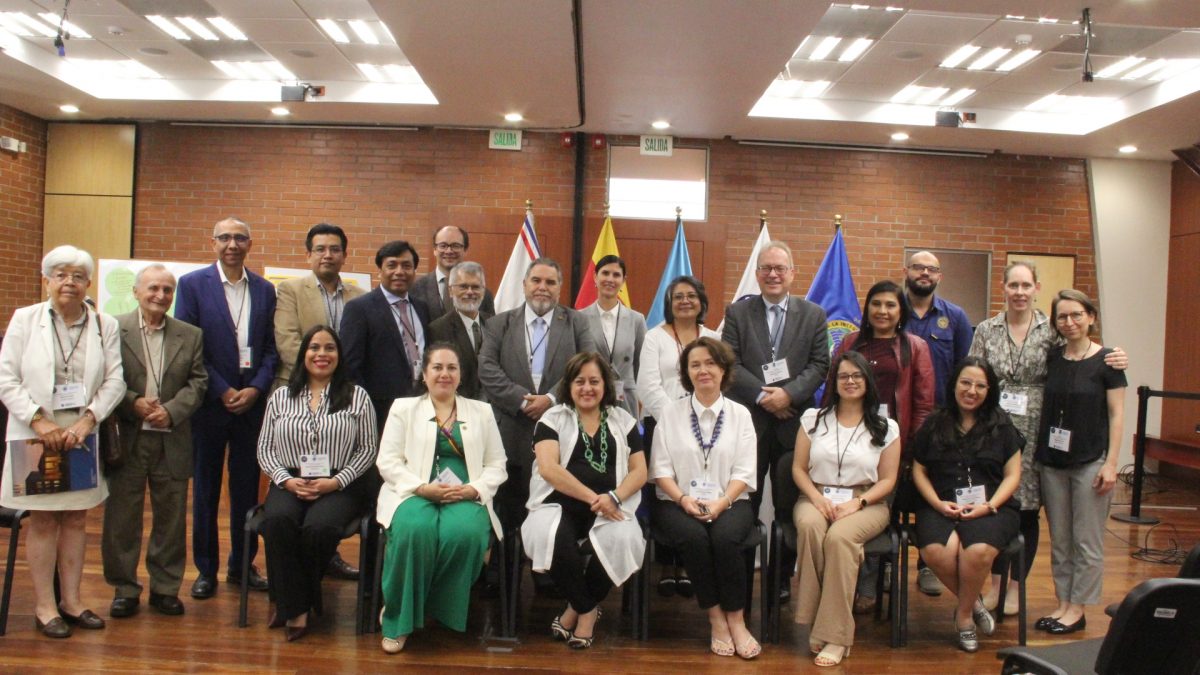
Within the framework of the 65th General Assembly of the Central American and Caribbean Regional System of Research and Postgraduate Studies (SIRCIP), the Central American Higher University Council (CSUCA) reaffirmed its commitment to strengthening research, innovation and advanced training as strategic pillars for the sustainable development of the region.

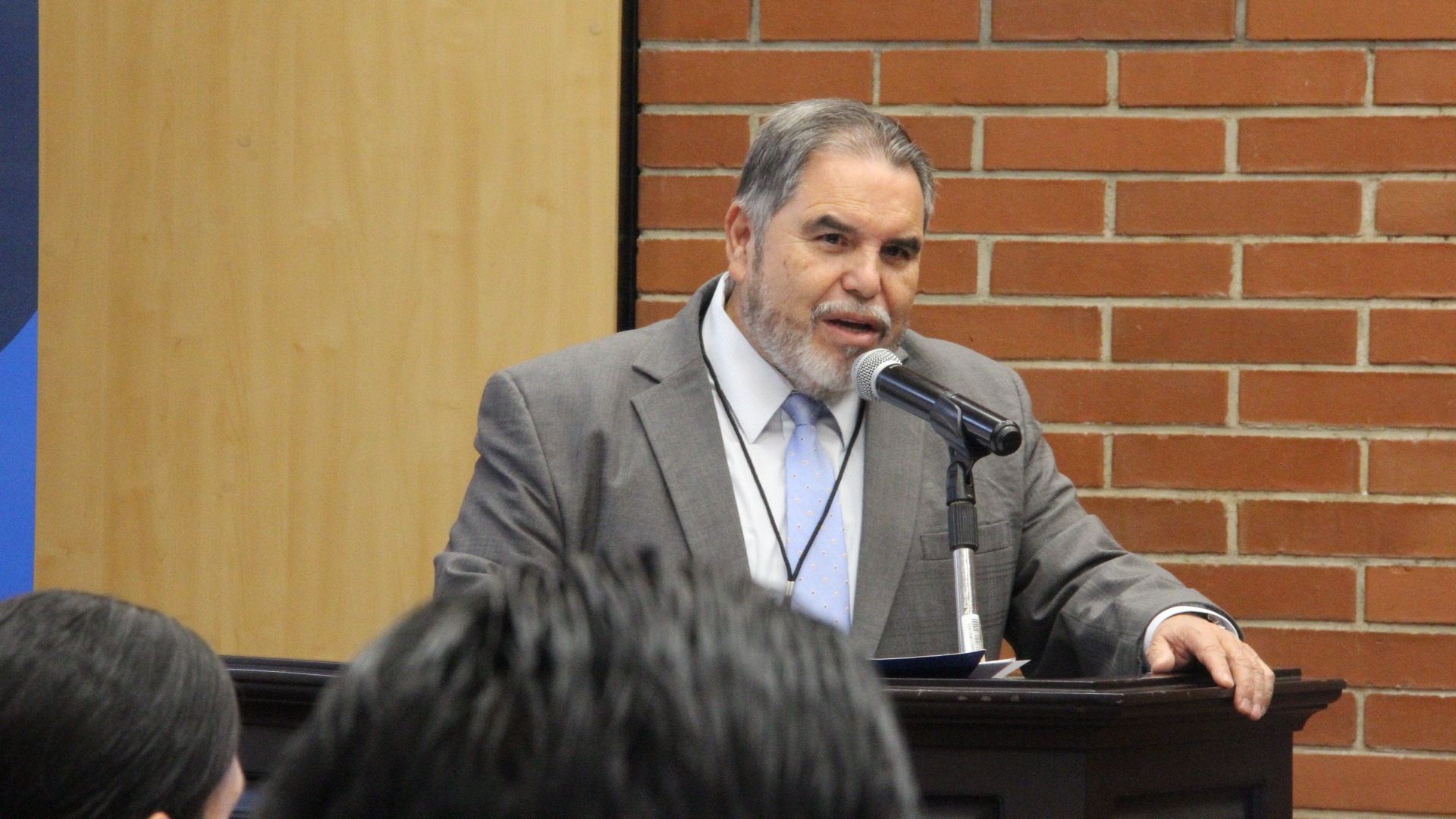
During the inaugural session, the Secretary General of CSUCA, Dr. Carlos Alvarado Cerezo, highlighted that this space constitutes a key meeting point to advance in the construction of regional responses to the contemporary challenges of higher education, especially in areas such as the governance of artificial intelligence in research, scientific diplomacy, open science, internationalization and the development of microcredentials in postgraduate programs.

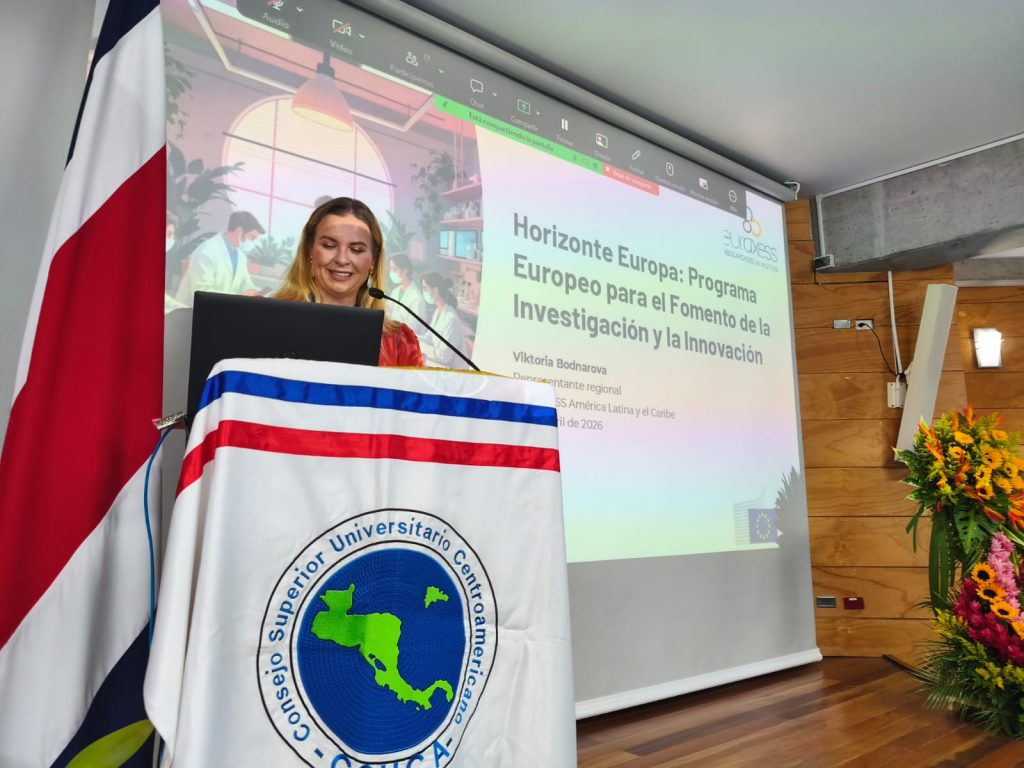
She also highlighted the importance of the participation of Dr. Viktoria Bodnarova, Euraxess coordinator for Latin America and the Caribbean at the European Commission, whose presence helps to strengthen academic and scientific cooperation between the region and the European Union, particularly within the framework of the Horizon Europe program.

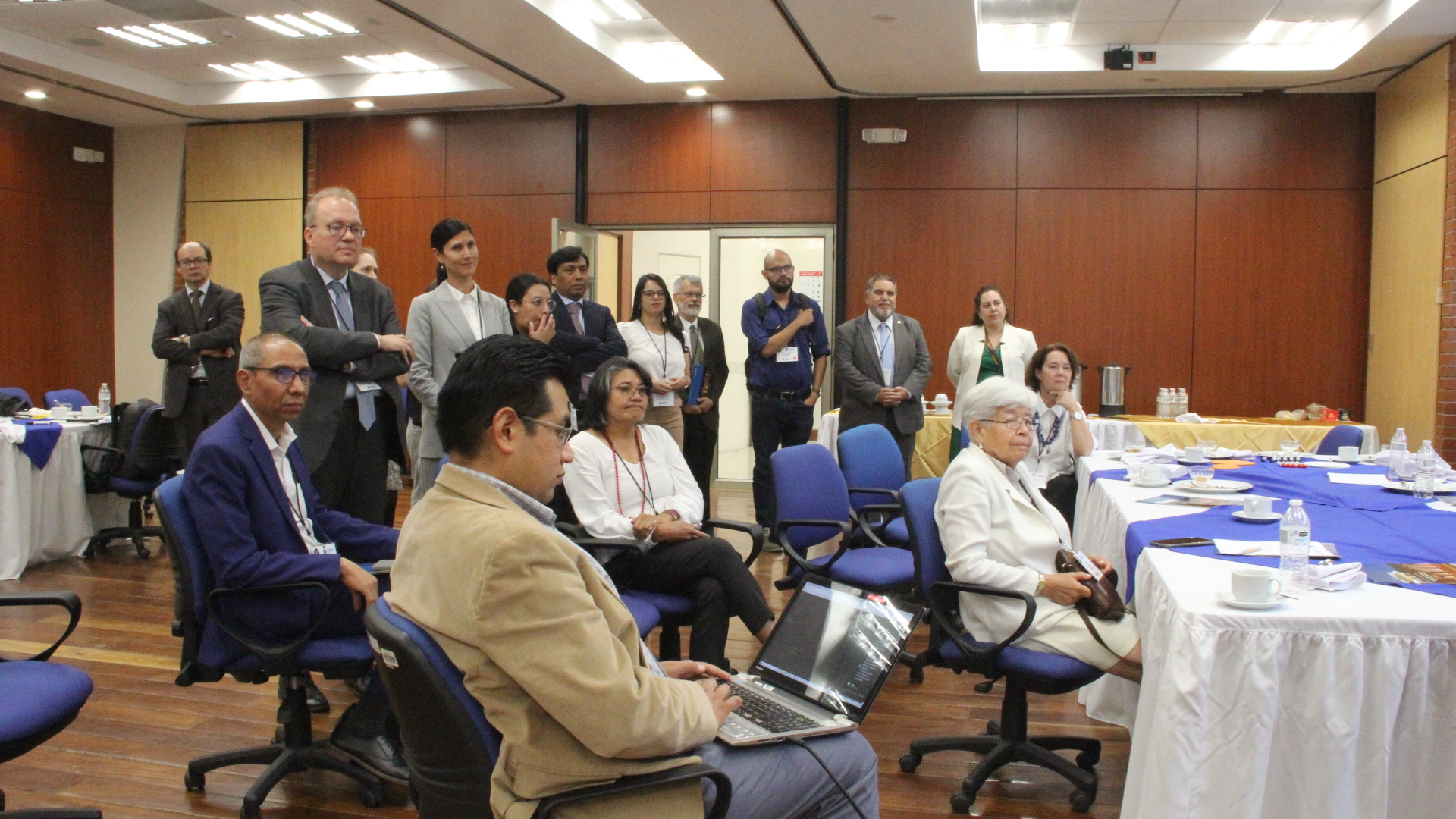
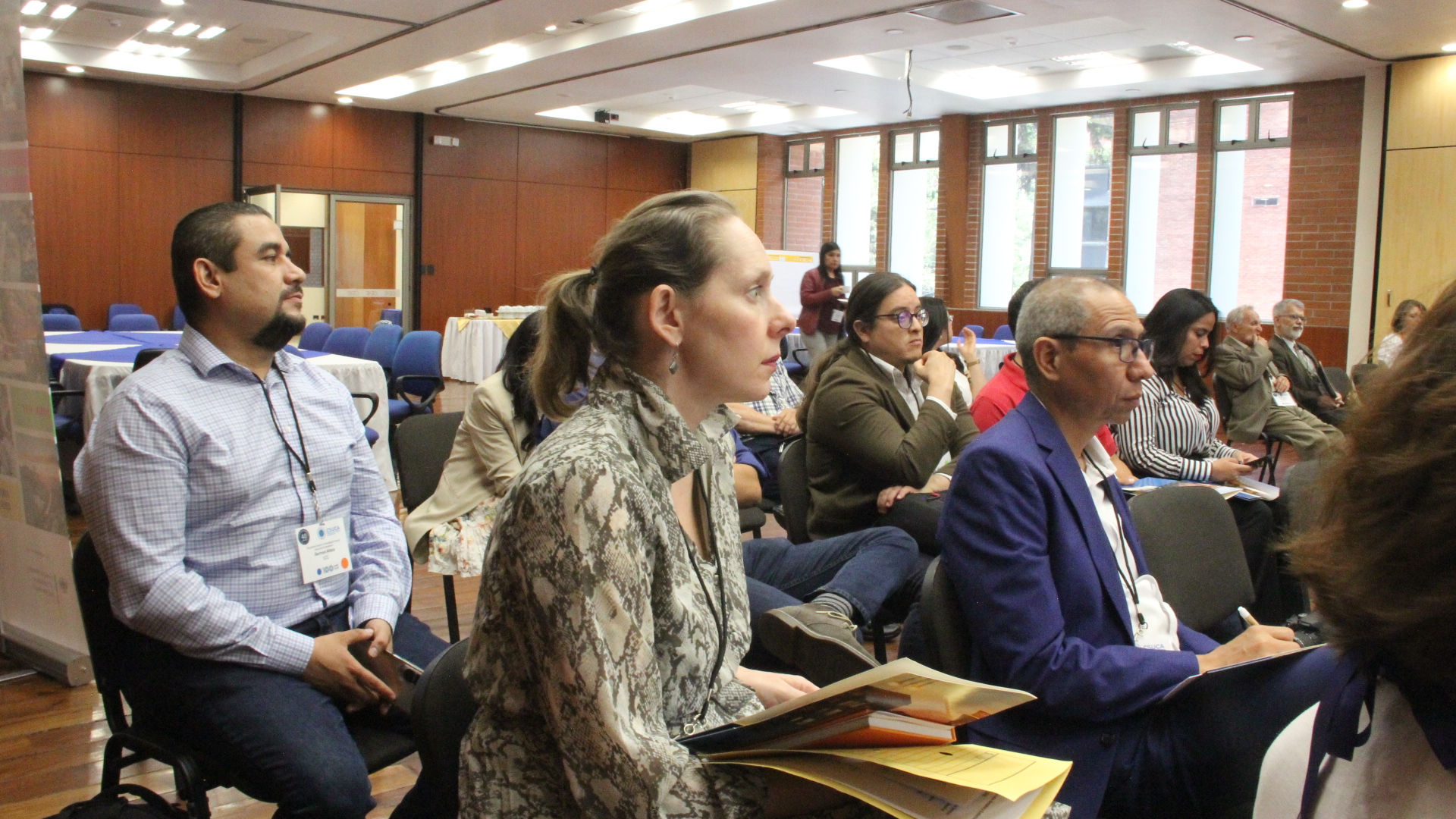
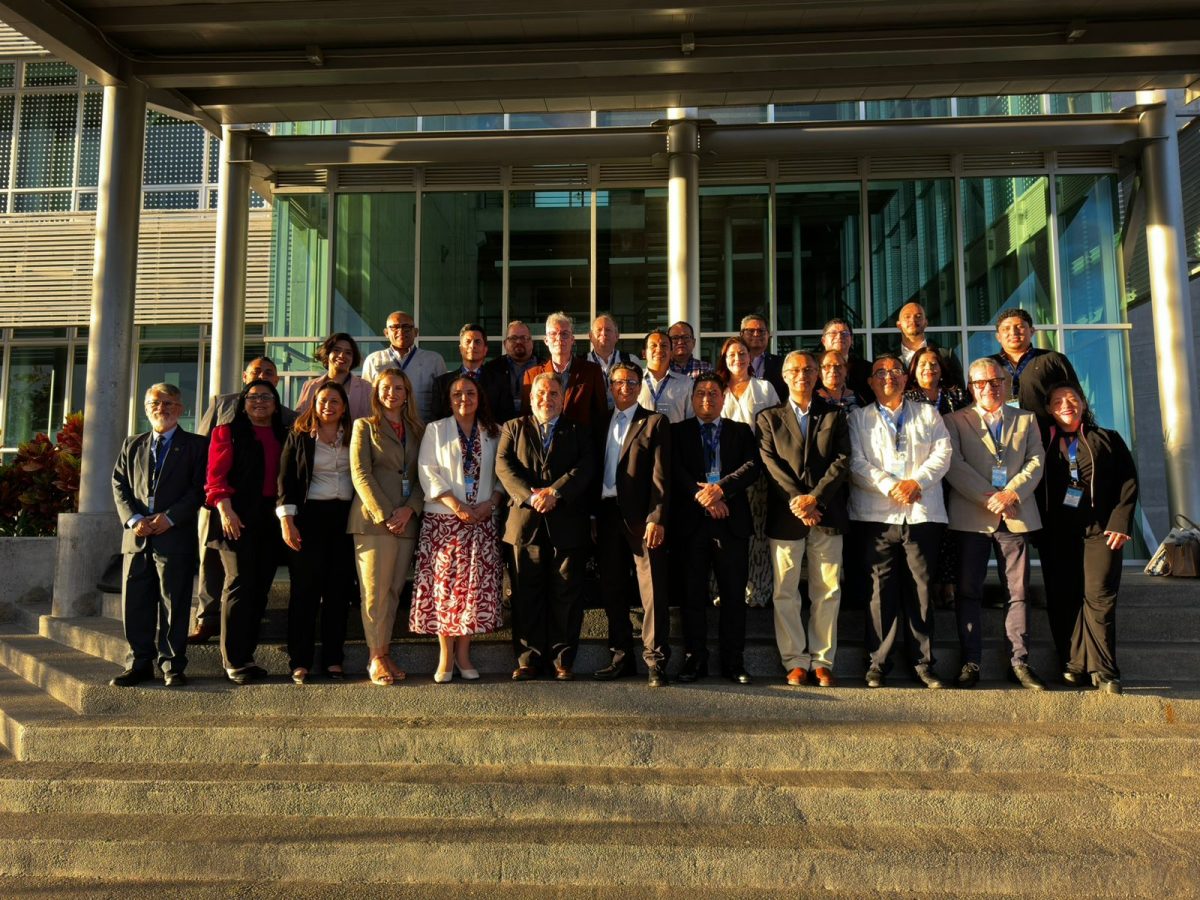
The Assembly, held from April 20 to 22, 2026 at the University of Costa Rica (UCR), brought together university authorities, research and postgraduate officials, as well as international specialists, who addressed strategic issues aimed at consolidating regional capacities, promoting academic cooperation and strengthening institutional articulation in Central America, the Dominican Republic and Cuba.

Among the main points of the agenda were the keynote lectures on artificial intelligence in research and postgraduate studies, the panel on science diplomacy and the global agenda, the progress of Program 2 of the Fifth Plan for the Integration of Higher Education in Central America and the Dominican Republic (PIRESC V), as well as the work aimed at defining the governance strategy of the Regional Research and Postgraduate Agenda to 2040.

Similarly, the sessions of the Regional Research Council (CORI) and the Regional Postgraduate Council (COREP) allowed for deeper exploration of topics such as the governance of open scientific information, ethics in the use of artificial intelligence, the Regional Observatory of Research and Postgraduate Studies, the construction of regional postgraduate programs, and the development of reference frameworks for academic micro-credentials.

The Secretary General of CSUCA highlighted that these actions are aligned with the strategic objectives of PIRESC V, aimed at consolidating the regional research and postgraduate agenda, strengthening institutional capacities, promoting innovation, fostering internationalization and encouraging the transfer of scientific results for the benefit of the societies of the region.

He also emphasized that the joint work promoted by SIRCIP contributes directly to building a long-term regional vision, reflected in the process of formulating the Regional Research and Postgraduate Agenda to 2040, a strategic instrument to project the future of public universities in Central America, the Dominican Republic and Cuba.

The General Secretariat of CSUCA reiterated its recognition to the University of Costa Rica for organizing this Assembly, as well as to the presidency of SIRCIP and the member universities of the system for their commitment to strengthening regional university integration.
CONREVE strengthens regional student integration at its 55th Ordinary Session in Honduras, within the framework of CSUCA actions

Siguatepeque, Honduras, March 18 and 19, 2026

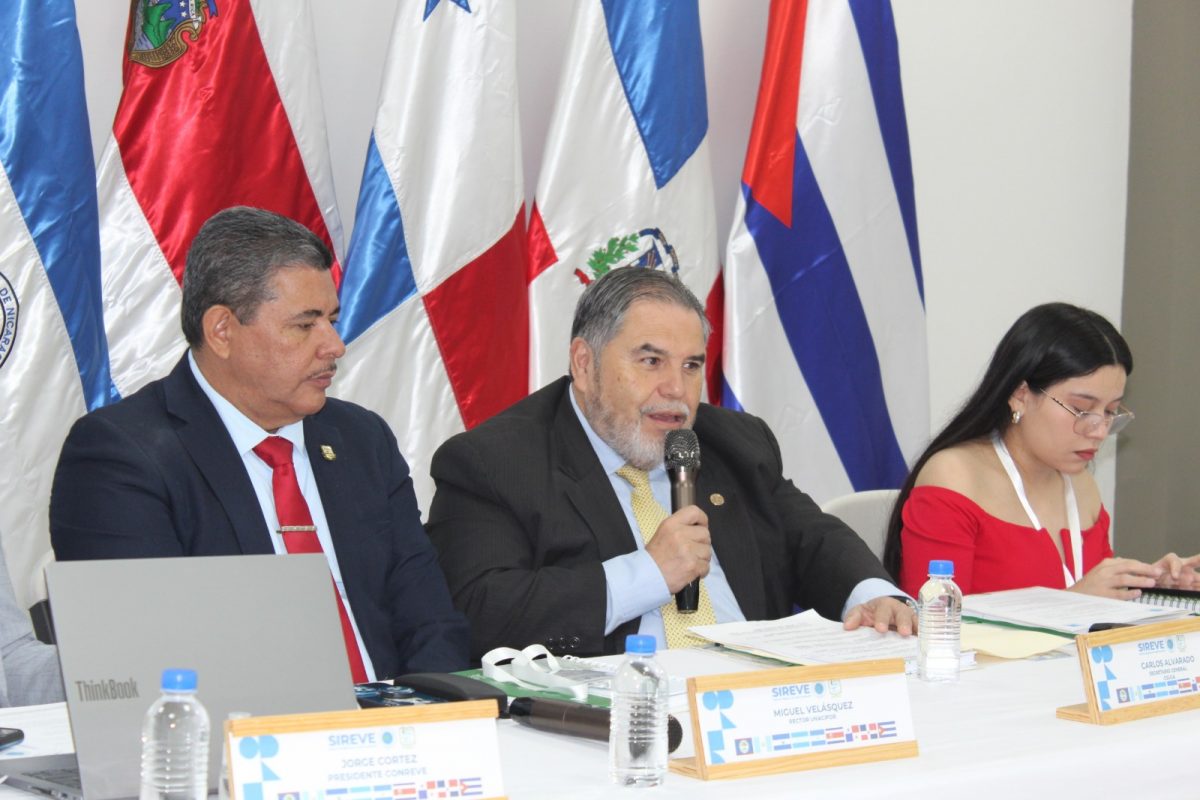
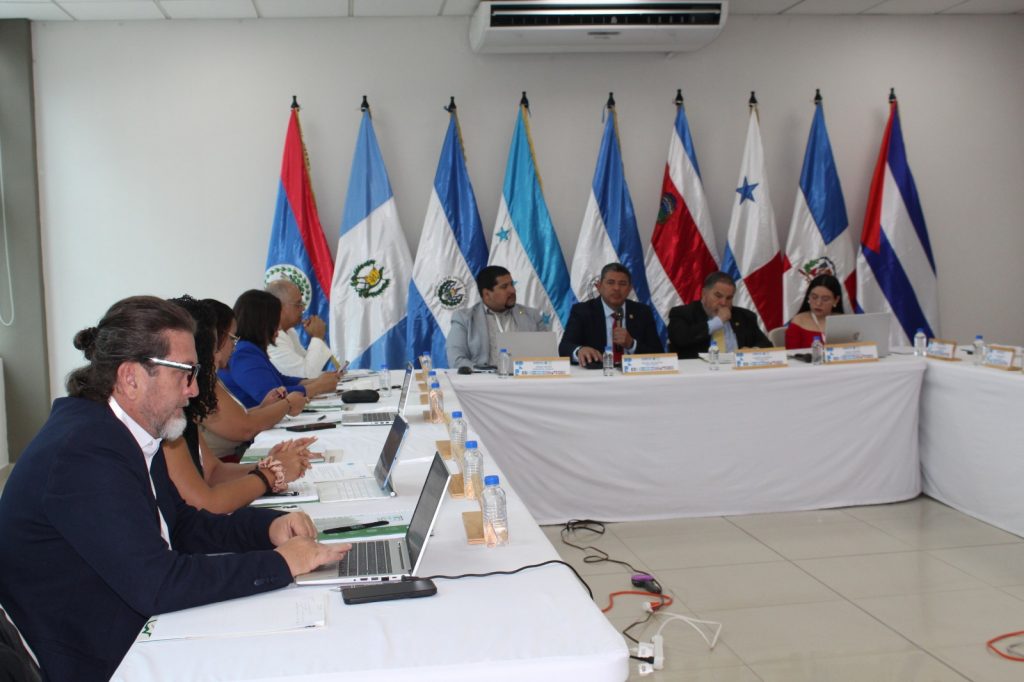
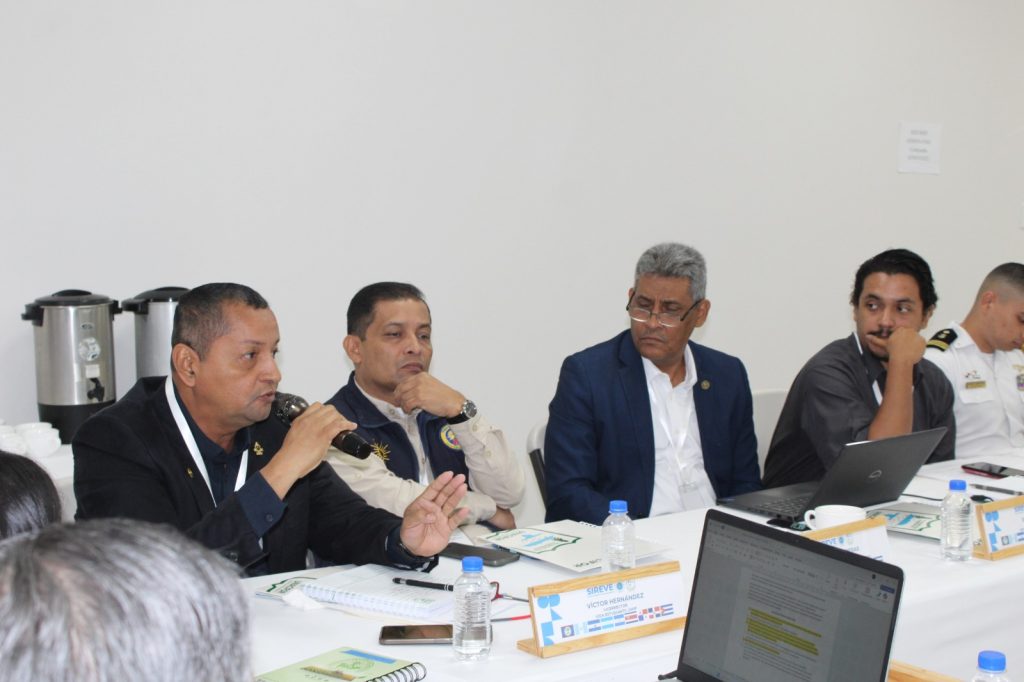
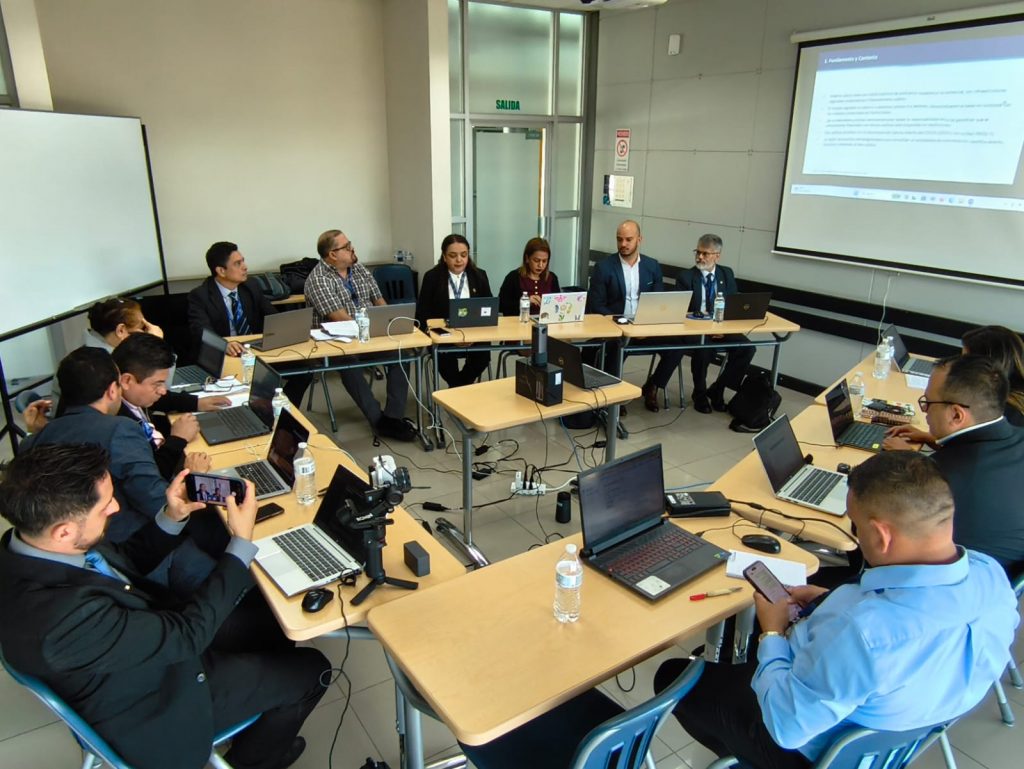
The 55th Ordinary Session of the Regional Council for Student Life (CONREVE) is being held at the facilities of the National University of Forest Sciences (UNACIFOR), consolidating itself as a key space for strengthening student life in the region, as part of the actions of the Central American Higher University Council (CSUCA).

The meeting brings together university authorities, student representatives and technical teams from Central America and the Caribbean, with the aim of advancing the coordination of policies, programs and actions for the benefit of university students.

The opening ceremony included welcoming remarks from the Rector of UNACIFOR, Miguel Ángel Velásquez Gonzáles, who emphasized the fundamental role of students in building a high-quality, inclusive, and transformative higher education system. In his address, he underscored the importance of strengthening academic processes, expanding the inclusion of historically excluded sectors (especially those from rural areas), and promoting institutional transformation aligned with the challenges of regional development.

For his part, the Secretary General of CSUCA, Carlos Alvarado Cerezo, emphasized the challenges facing higher education in a globalized context, highlighting the need to strengthen regional information systems. He noted that there is currently limited availability of consolidated data on more than 150,000 graduates from higher education institutions, which underscores the importance of developing mechanisms for monitoring and coordinating the human talent trained in the region.

He also stressed that the sustained growth of higher education since 2000 poses new challenges that require coordinated responses between universities, regional systems and public policies.

During the session, Mirna Jiménez, Deputy Secretary for Student Affairs of CSUCA, participated for the first time in this regional space in her capacity as SAAE, reiterating her commitment to work in an articulated manner with CONREVE and to strengthen student participation in regional processes.

During the session, the president of CONREVE, Jorge Eduardo Cortez Martínez, highlighted the importance of consolidating this space as a strategic mechanism for strengthening student life in the region.

The work agenda designated for two days includes the presentation of reports from the Presidency of CONREVE, the Deputy Secretariat for Student Affairs (SAAE) of CSUCA and the Federation of University Students of Central America and the Caribbean (FEUCA), as well as the analysis of strategic initiatives such as university volunteering, the progress of the Central American Interuniversity Festival of Culture and Art (FICCUA) and the planning of regional meetings for the year 2026.

Also, relevant topics will be addressed, such as the election of the Second Member of the CONREVE Steering Committee, the review of regulations of the regional student life system, and the planning of academic, cultural, and sporting activities in the region.

The session's development also incorporates more dynamic and flexible working methodologies, aimed at fostering more active participation and substantive exchange among participants, thus strengthening regional dialogue processes.

With this meeting, CSUCA reaffirms its commitment to continue promoting spaces for integration that contribute to strengthening student life, fostering a more inclusive, high-quality higher education committed to the sustainable development of Central America and the Caribbean.


Panama hosts the symposium “Open and inclusive STI: redefining the production and exchange of knowledge for sustainable development”

El diseño e implementación efectiva de políticas con un enfoque de ciencia abierta, prácticas inclusivas y con perspectiva de género representan la clave para alcanzar un desarrollo regional sostenible.

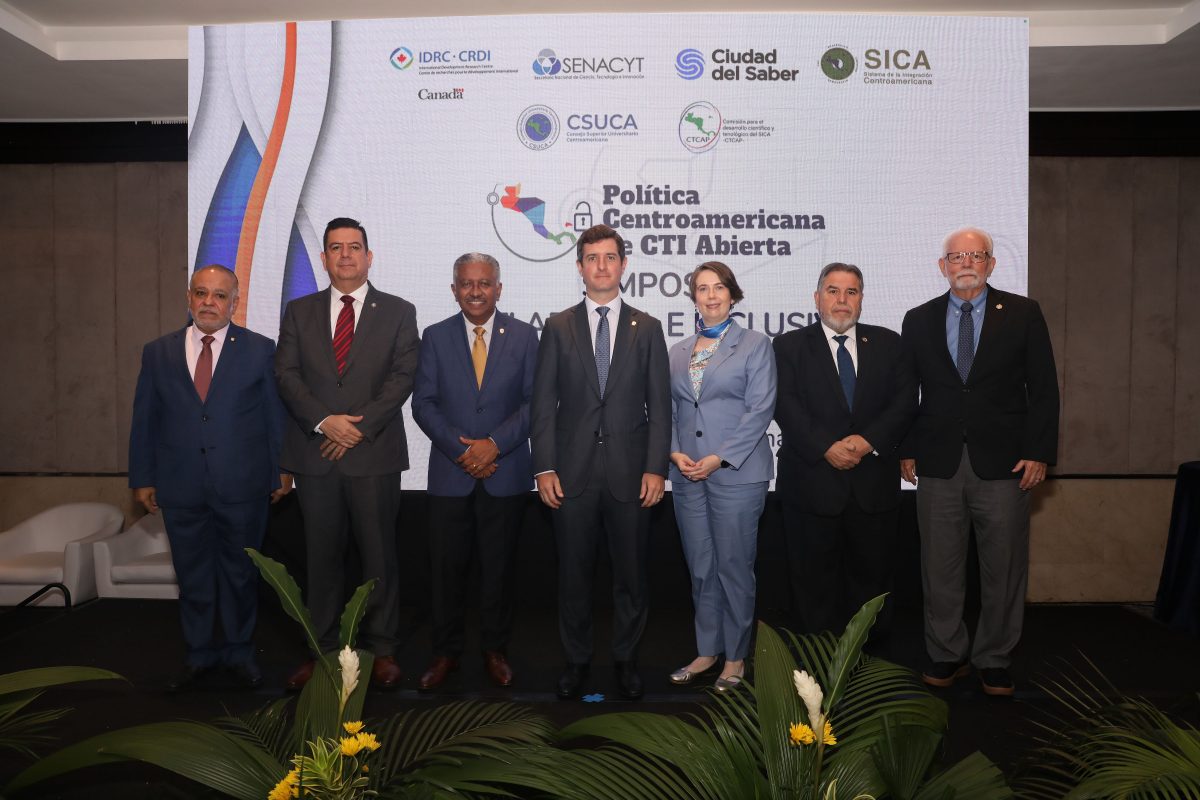
Panamá, 2 de febrero de 2026. Panamá se convirtió en la sede del Simposio “CTI abierta e inclusiva: redefiniendo la producción y el intercambio de conocimiento para el desarrollo sostenible“, actividad que marca un hito importante en el desarrollo del Proyecto Regional: Política Centroamericana para la Ciencia, Tecnología e Innovación Abierta y los Mecanismos para Medir su impacto en la Sociedad.

Esta iniciativa tiene como objetivo fortalecer las capacidades de las entidades de ciencia, tecnología e innovación (CTI) de la región centroamericana (Belice, Costa Rica, El Salvador, Guatemala, Honduras, Nicaragua, Panamá) y República Dominicana, mediante el diseño e implementación efectiva de políticas con un enfoque de ciencia abierta, prácticas inclusivas y con perspectiva de género.

Para el Dr. Eduardo Ortega-Barría, Secretario Nacional de Ciencia, Tecnología e Innovación (SENACYT) se abre un abanico de posibilidades para nuestros países con el fortalecimiento de una política para la ciencia, tecnología e innovación (CTI) abierta e inclusiva. “Representa un compromiso ético con nuestros ciudadanos. Implica abrir la generación de conocimiento de nuestros laboratorios, academias y centros de investigación a un diálogo genuino con las comunidades, los productores, la juventud, las mujeres y los sectores históricamente excluidos. Significa, además, consolidar mecanismos de evaluación que demuestren cómo la inversión en conocimiento se traduce tangiblemente en bienestar social, desarrollo sostenible y prosperidad compartida mediante acciones concretas de colaboración y cooperación”, enfatizó.

En tanto que, para el Dr. Yen Caballero González, exbecario doctoral en investigación de la SENACYT, coordinador de la Unidad Ejecutora del proyecto y miembro del Sistema Nacional de Investigación (SNI) de la SENACYT, “la importancia de una Política Regional de CTI abierta e inclusiva focaliza la atención en ver a la ciencia como un motor para la innovación y el crecimiento en sectores económicos estratégicos como la academia, el sector productivo, la sociedad civil y el Estado; creando redes de colaboración robustas que consoliden un ecosistema de innovación participativo orientado a solventar los problemas que enfrenta la sociedad en su conjunto, facilitando el intercambio de conocimiento y optimización de los recursos”.

Durante el periodo 2023 al 2026, se han desarrollado actividades de investigación que permitieron, inicialmente, establecer un estado del arte sobre políticas CTI con base en las buenas prácticas internacionales. Además, otros estudios sobre el diagnóstico de la situación actual en materia de políticas, programas e instrumentos de CTI abierta en cada uno de los países que integran la región centroamericana y la República Dominicana.

Igualmente, en este periodo se efectuaron encuentros regionales, a través de talleres presenciales de diálogo y discusión que contribuyeron al diseño y formulación de un documento denominado: marco regional de política centroamericana de CTI abierta e inclusiva. El Marco regional es un instrumento sobre política de CTI abierta, compuesto por 5 ejes de trabajo: capacidades institucionales, innovación abierta y transferencia tecnológica, inclusión y acceso abierto, sustentabilidad y gestión ambiental, por último, cooperación regional y redes colaborativas. 

La etapa final de este proyecto permitió el diseño y ejecución de un Programa Regional orientado a la Formación en Ciencia, Tecnología e Innovación (CTI) Abierta e Inclusiva: Colaborar para transformar, una iniciativa que marcó una apuesta estratégica para transformar la forma en que concebimos, desarrollamos y compartimos el conocimiento científico y tecnológico en Centroamérica y la República Dominicana.

Durante el Simposio “CTI abierta e inclusiva: redefiniendo la producción y el intercambio de conocimiento para el desarrollo sostenible“, se contó con la participación de representantes del gobierno, empresa privada, sociedad civil, academia y las autoridades que representan a los órganos nacionales de ciencia y tecnología (ONCYT) de los países de la región SICA, que participaron activamente en el desarrollo de las tres etapas del proyecto.

The project Política Centroamericana para la Ciencia, Tecnología e Innovación Abierta y los Mecanismos para Medir su impacto en la Sociedad cuenta con la colaboración de la Secretaría Nacional de Ciencia, Tecnología e Innovación de Panamá (SENACYT), la Fundación Ciudad del Saber, el Consejo Superior Universitario Centroamericano (CSUCA), el Sistema de la Integración Centroamericana (SICA) y la Comisión para el Desarrollo Científico y Tecnológico de Centroamérica,  Panamá y República Dominicana (CTCAP), bajo el auspicio del Centro Internacional de Investigaciones para el Desarrollo de Canadá (IDRC, por sus siglas en inglés). 

Development of Symposium on Higher Education and Research for Disaster Risk Reduction

Guatemala City, May 13, 2025

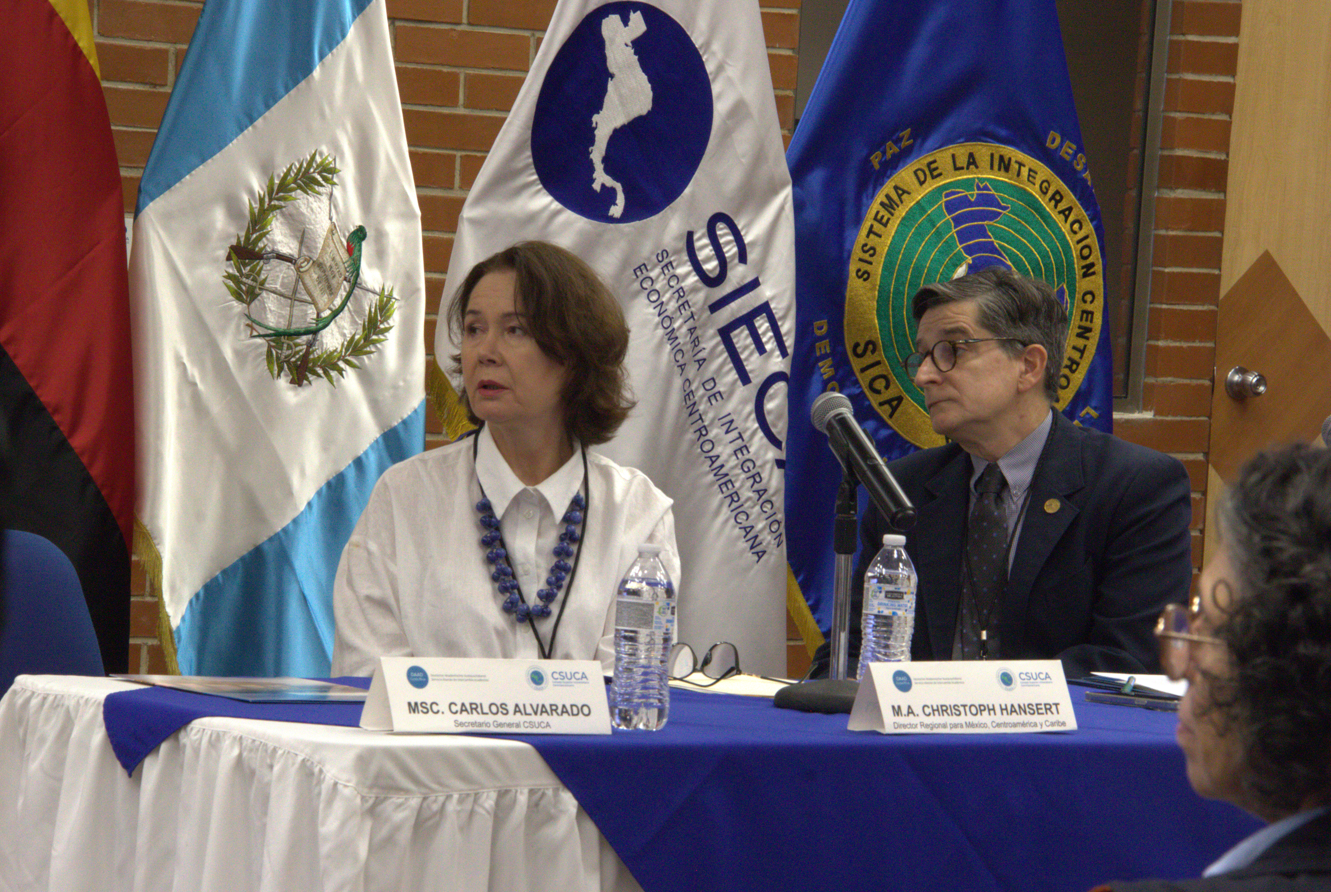
Today, at the facilities of the Secretariat for Central American Economic Integration -SIECA-, the symposium “Higher Education and Research for Disaster Risk Reduction” was held, an academic dialogue organized by the German Academic Exchange Service -DAAD- and the Central American Higher University Council -CSUCA-, with the support of the German Embassy in Guatemala and SIECA.

The event brought together Central American and German academics with the aim of strengthening and promoting transdisciplinary scientific cooperation on the challenges posed by extreme weather events and disasters in Central America.

The opening ceremony was led by Irena Rusak, representing Christoph Hansert, DAAD Regional Director for Mexico, Central America and the Caribbean, Carlos Alvarado, Secretary General of CSUCA and Francisco Lima, Secretary General of SIECA.

In his remarks, Carlos Alvarado emphasized the importance of maintaining collaborative spaces that promote science committed to gender equality, social inclusion, and territorial relevance.

The symposium included keynote lectures by Robert Cárcamo Mallen from Humboldt University of Berlin, on the socio-environmental impact of extreme weather events, and Cécile Stehrenberger from the University of Costa Rica, who presented a critical perspective from the social sciences and humanities on disaster research.

In parallel working sessions, participants explored research areas and regional cooperation strategies, the results of which were presented at the close of the day. The event concluded with a lecture by Christoph Hansert on research and funding opportunities in Germany.

This symposium is consolidated as a firm step in the construction of a regional academic network focused on disaster prevention and response, integrating local knowledge with international cooperation.