
Author: SG CSUCA

CSUCA fortalece la integración y la vida estudiantil universitaria regional durante la LVI Sesión Ordinaria de CONREVE en El Salvador
San Salvador, El Salvador, 15 de octubre de 2026
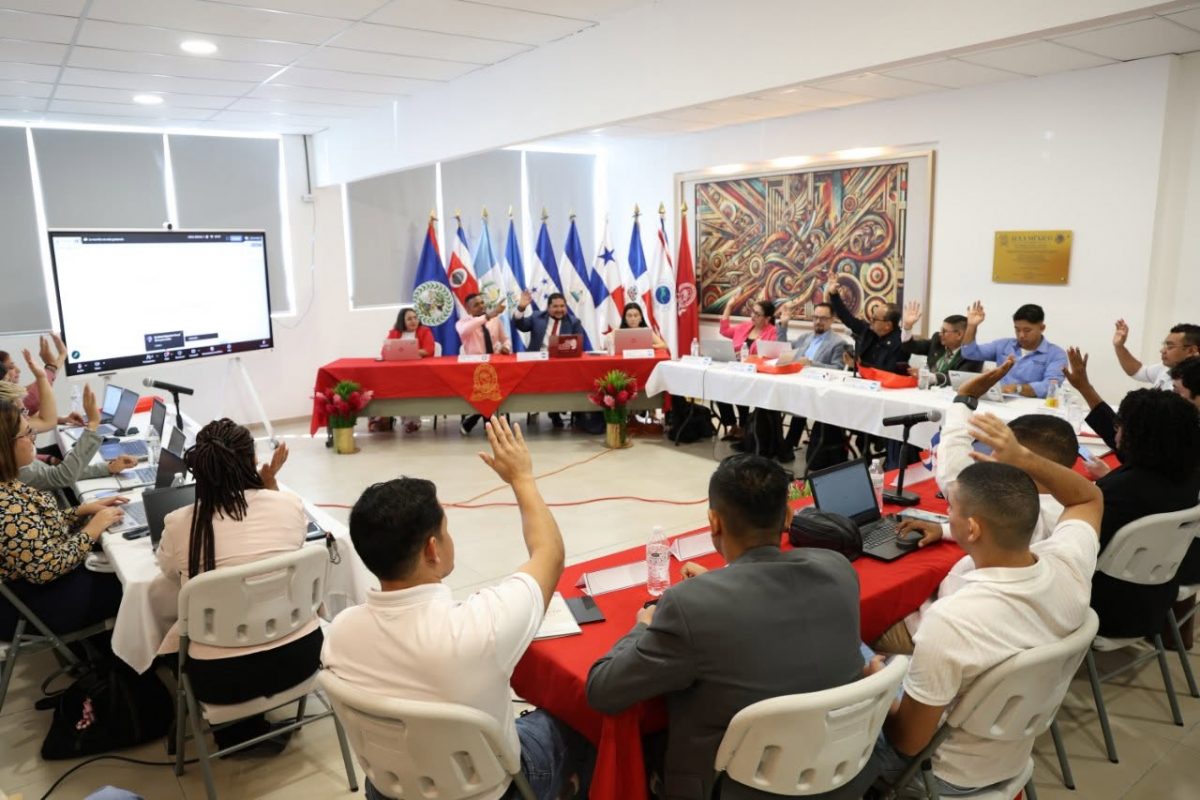
El Consejo Regional de Vida Estudiantil (CONREVE), del Sistema Regional de Vida Estudiantil (SIREVE) del CSUCA, celebra su LVI Sesión Ordinaria en la Universidad de El Salvador (UES), con la participación de representantes de las universidades públicas de Centroamérica y el Caribe, quienes se reúnen para dar seguimiento a las iniciativas regionales orientadas al fortalecimiento de la vida estudiantil universitaria.
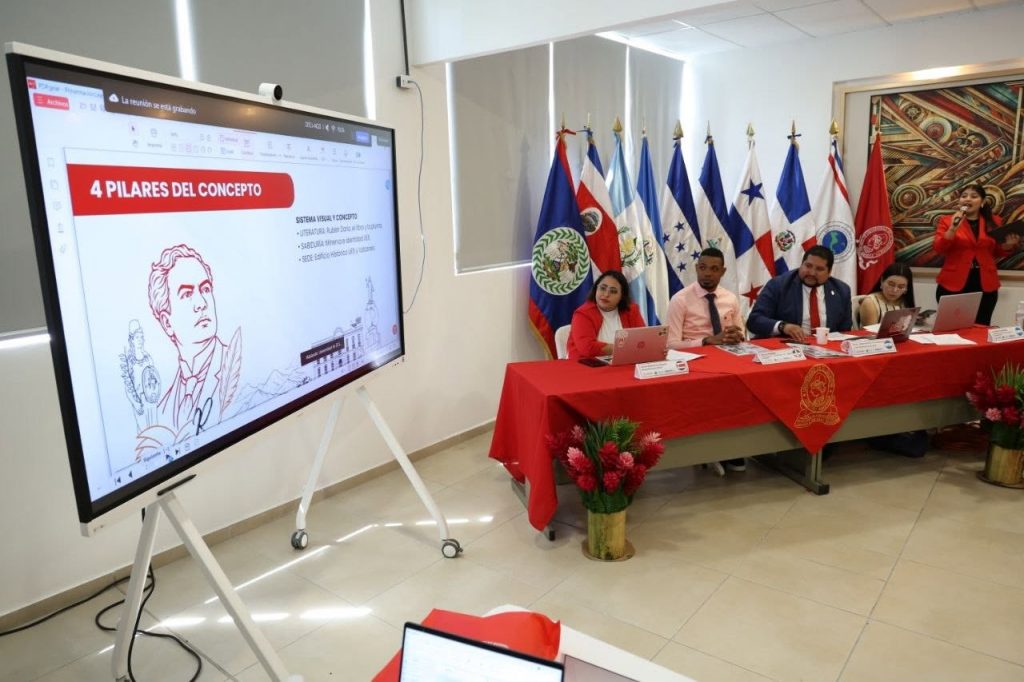
La sesión se desarrolla en el Aula México del Edificio Prudencia Ayala, con la participación presencial y virtual de las delegaciones universitarias, en un espacio de diálogo, coordinación y planificación de acciones conjuntas que contribuyen al bienestar, la formación integral y el desarrollo de la comunidad estudiantil de la región.
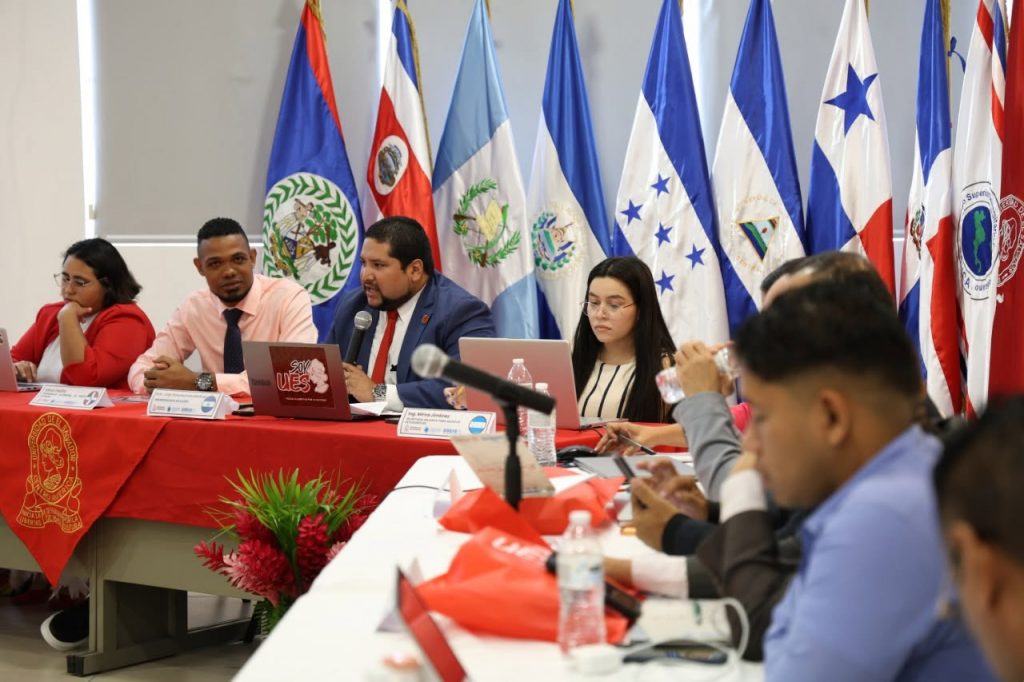
Durante el acto de apertura, el Mtro. Juan Rosa Quintanilla, rector de la Universidad de El Salvador y presidente del CSUCA, destacó la importancia de fortalecer la cooperación entre las universidades públicas de Centroamérica y el Caribe, reconociendo que los países de la región comparten desafíos sociales, económicos y educativos que requieren respuestas articuladas desde la educación superior.
Asimismo, reflexionó sobre las limitaciones presupuestarias que enfrentan las instituciones públicas de educación superior ante un contexto de acelerado desarrollo tecnológico, señalando que la cooperación regional y las sinergias entre universidades constituyen herramientas fundamentales para fortalecer sus capacidades académicas, científicas y de proyección social.
En su intervención, reafirmó la importancia de mantener el compromiso de las universidades públicas con el desarrollo de sus países y de continuar construyendo esfuerzos conjuntos que permitan garantizar una educación superior al servicio de las sociedades centroamericanas y caribeñas.
Por su parte, el MSc. Jorge Eduardo Cortez Martínez, presidente de CONREVE, dio la bienvenida a las delegaciones participantes y reconoció el compromiso de los representantes universitarios, quienes, pese a las limitaciones de recursos que enfrentan algunas instituciones, realizan importantes esfuerzos para participar en estos espacios de integración regional.
Asimismo, destacó las actividades de convivencia e intercambio cultural organizadas por la Universidad de El Salvador, orientadas a fortalecer los vínculos de amistad y cooperación entre las delegaciones.


La Dra. Evelyn Beatriz Farfán, vicerrectora académica de la Universidad de El Salvador, expresó su satisfacción por recibir a las delegaciones universitarias y resaltó el valor de la cooperación impulsada desde el CSUCA, destacando que el trabajo conjunto permite ampliar las capacidades institucionales, compartir experiencias y avanzar hacia objetivos comunes.
En ese sentido, reconoció el esfuerzo del equipo de Vida Estudiantil de la universidad anfitriona en la organización del encuentro y destacó la importancia de continuar fortaleciendo los espacios de articulación entre los sistemas regionales del CSUCA. También hizo referencia a la celebración de la ceremonia de entrega del Premio Regional a la Excelencia Académica «Rubén Darío», prevista para el 16 de octubre.
Por su parte, el MSc. Carlos Alvarado Cerezo, secretario general del CSUCA, hizo llegar un mensaje a las delegaciones universitarias, en el que destacó la importancia del Consejo Regional de Vida Estudiantil (CONREVE) como espacio de cooperación e integración entre las universidades públicas de Centroamérica y el Caribe.
En su mensaje, resaltó el papel del Sistema Regional de Vida Estudiantil (SIREVE) en la promoción de la formación integral, el liderazgo y el bienestar de la comunidad estudiantil, así como los aportes de iniciativas regionales como el Premio Rubén Darío, el FICCUA y los JUDUCA, que fortalecen la identidad, la cultura, el deporte y los vínculos de hermandad entre las universidades.
Asimismo, hizo un llamado a continuar impulsando acciones conjuntas que coloquen a las y los estudiantes en el centro del quehacer universitario, reafirmando el compromiso del CSUCA con una educación superior pública que contribuya a la integración, la paz y el desarrollo de la región.
Agenda regional para el fortalecimiento de la vida estudiantil
Durante la LVI Sesión Ordinaria, las delegaciones conocen los informes de la Presidencia de CONREVE, la Secretaría Adjunta para Asuntos Estudiantiles (SAAE) del CSUCA y la Federación de Estudiantes Universitarios de Centroamérica y el Caribe (FEUCA), como parte del seguimiento a las acciones desarrolladas en el ámbito regional.
Entre los temas centrales de la agenda destaca la presentación de la plataforma oficial del Sistema Regional de Vida Estudiantil (SIREVE), así como la revisión de los avances y aspectos logísticos de las actividades previstas para el resto de 2026, entre ellas el VI Encuentro Centroamericano y Caribeño de Voluntariado Estudiantil Universitario y el VII Encuentro de la Red Centroamericana y del Caribe de Universidades Promotoras de la Salud.
Asimismo, la agenda contempla la definición de fechas para los precongresillos técnicos de los X Juegos Deportivos Universitarios Centroamericanos (JUDUCA UNAH 2027) y para los congresos del XIV Festival Interuniversitario Centroamericano de la Cultura y las Artes (FICCUA USAC 2028), iniciativas que promueven el deporte, la cultura, las artes y la integración de la comunidad estudiantil universitaria.
Otro de los puntos previstos es la elección de las sedes de la LVII Sesión Ordinaria de CONREVE, del XXII Premio Regional a la Excelencia Académica «Rubén Darío» y del VIII Encuentro de la Red Centroamericana y del Caribe de Universidades Promotoras de la Salud, correspondientes a 2027.
La realización de esta sesión reafirma el compromiso de las universidades públicas que integran el CSUCA con el fortalecimiento de la vida estudiantil, la cooperación interuniversitaria y la promoción de oportunidades de formación integral, participación y desarrollo para las comunidades estudiantiles de Centroamérica y el Caribe.
CSUCA fortalece la extensión y vinculación universitaria regional en la XXXVII Asamblea del SICCEVUS

Tegucigalpa, Honduras, 15 de octubre de 2026
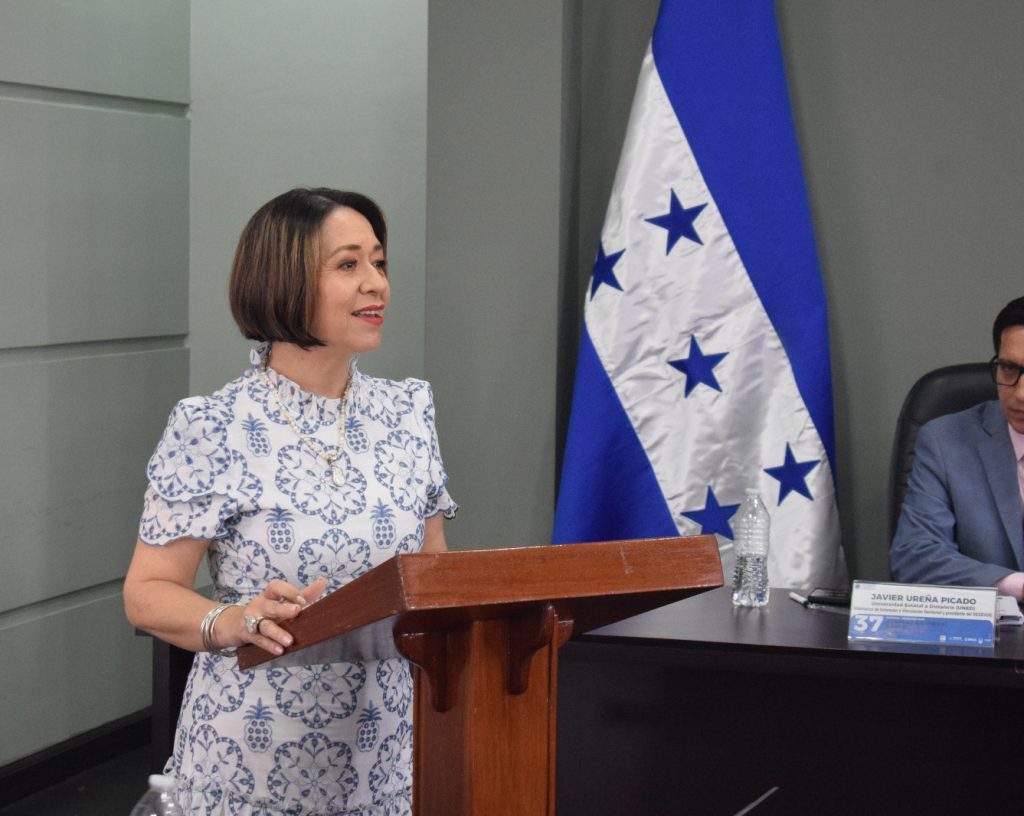
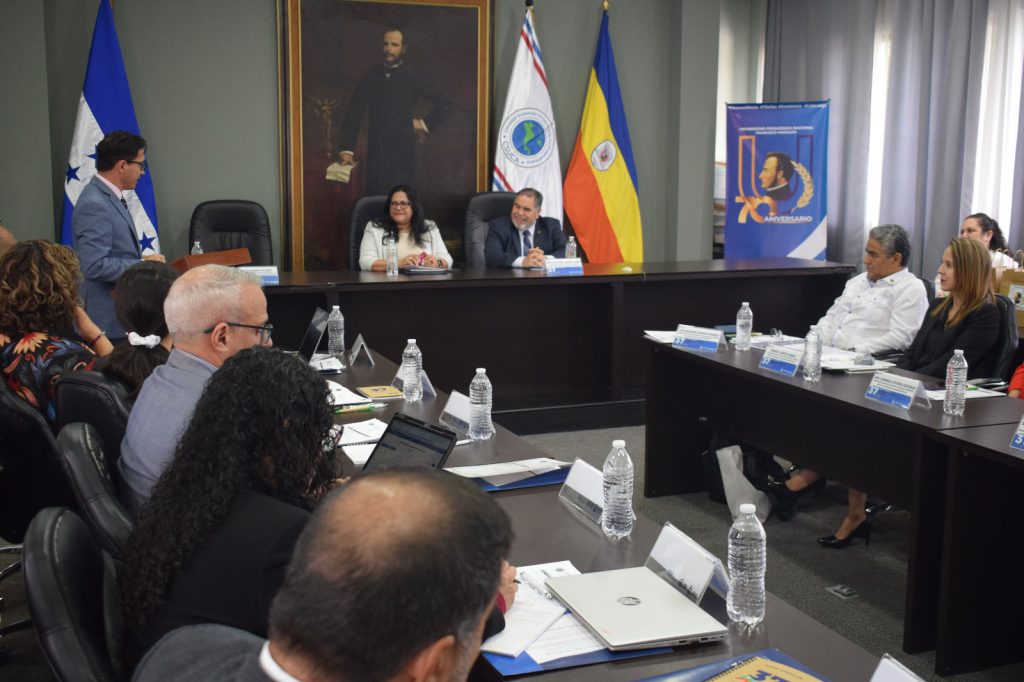
Con el propósito de fortalecer la cooperación regional, la extensión universitaria y la vinculación de las instituciones de educación superior con la sociedad, el Sistema Centroamericano y del Caribe de Extensión y Vinculación Universidad-Sociedad (SICCEVUS), del Consejo Superior Universitario Centroamericano (CSUCA), desarrolla su XXXVII Asamblea Regional Ordinaria, los días 15 y 16 de octubre de 2026, instalaciones de la Universidad Pedagógica Nacional Francisco Morazán (UPNFM) en Tegucigalpa, Honduras.
El encuentro reúne a representantes de las universidades públicas de Centroamérica y República Dominicana, quienes abordan los avances institucionales del sistema, sus prioridades estratégicas y las iniciativas orientadas a consolidar la extensión y la vinculación universitaria como funciones sustantivas de la educación superior.
La jornada inaugural tiene como sede la Universidad Pedagógica Nacional Francisco Morazán (UPNFM), donde la Dra. Lexy Concepción Medina Mejía, rectora de esta casa de estudios, dio la bienvenida a las delegaciones participantes y destacó la importancia de estos espacios regionales para fortalecer el vínculo entre la universidad y la sociedad, mediante el diálogo, el intercambio de experiencias y la construcción de acuerdos que contribuyan al desarrollo humano y a la transformación social.
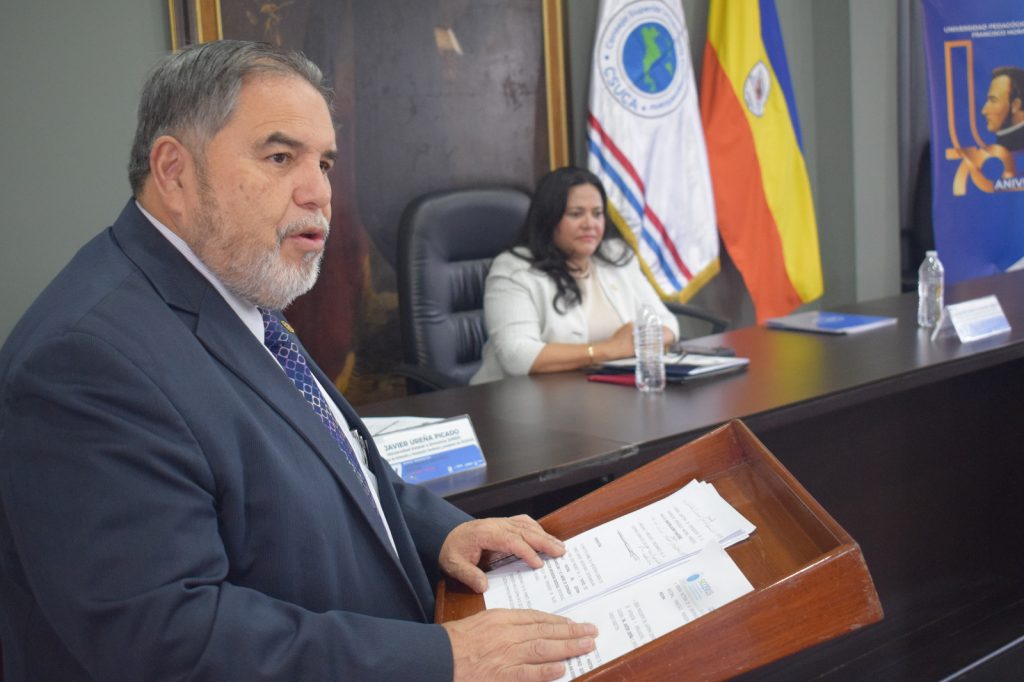
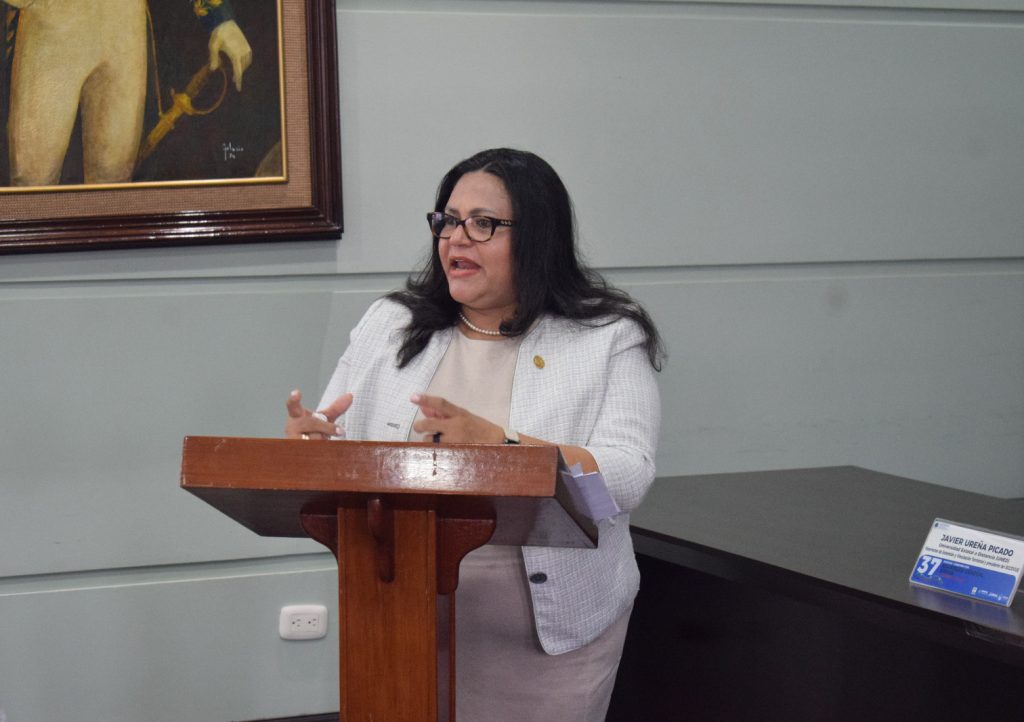
Asimismo, compartió los avances del proceso de reforma universitaria que impulsa la UPNFM, particularmente en el desarrollo de proyectos multidisciplinarios de vinculación social, orientados a acercar el conocimiento académico a las comunidades y los territorios, en consonancia con los Objetivos de Desarrollo Sostenible. La rectora reafirmó el papel de la educación superior pública como un bien común y subrayó la importancia de la cooperación regional para fortalecer la investigación, la innovación y la formación docente.
Por su parte, el MSc. Carlos Alvarado Cerezo, secretario general del CSUCA, destacó los avances alcanzados en el fortalecimiento institucional del sistema, particularmente la actualización de su Reglamento General y la aprobación del Reglamento del Premio Universitario a la Labor de Extensión y Vinculación Regional, instrumentos que contribuyen a consolidar la extensión y la vinculación universitaria como funciones sustantivas de la educación superior.
Asimismo, subrayó la importancia de articular la extensión con la docencia y la investigación, promoviendo una mayor participación de las comunidades en la construcción de respuestas a los desafíos sociales y territoriales. Enfatizó que la integración universitaria regional se fortalece mediante la cooperación, el intercambio de experiencias y la articulación de esfuerzos entre las instituciones de educación superior.
También señaló que la preparación del X Congreso Universitario Centroamericano, previsto para 2027, representa una oportunidad para evaluar los avances regionales, reflexionar sobre los desafíos de la educación superior y formular propuestas que fortalezcan la vinculación de las universidades con la sociedad. Reiteró el compromiso de la Secretaría General del CSUCA de acompañar las iniciativas del sistema y promover que los acuerdos regionales se traduzcan en acciones sostenidas.
Durante su intervención, el Dr. Javier Ureña Picado, presidente del SICCEVUS y vicerrector de Extensión y Vinculación Territorial de la Universidad Estatal a Distancia (UNED) de Costa Rica, reconoció el compromiso de las universidades públicas de Centroamérica y República Dominicana con el fortalecimiento de la extensión y la vinculación universitaria, destacando los avances alcanzados mediante el trabajo colaborativo y los procesos de actualización normativa del sistema.
Enfatizó que la extensión universitaria responde a una profunda sensibilidad social y al compromiso de las instituciones de educación superior con las comunidades y los territorios. En ese sentido, resaltó la labor de docentes, investigadores y equipos universitarios que desarrollan proyectos orientados a atender las necesidades de las poblaciones, muchas veces en contextos de importantes desafíos sociales.
Asimismo, subrayó el papel de las universidades públicas en el fortalecimiento de la democracia, la gobernanza y la cohesión social, destacando la necesidad de promover espacios de encuentro, participación y construcción colectiva que contribuyan a consolidar el sentido de comunidad.
Una agenda regional para fortalecer la vinculación universidad-sociedad
Durante las dos jornadas de trabajo, las delegaciones abordan los avances de las comisiones regionales, entre ellos las iniciativas Centroamérica aprende con las universidades públicas Y Espacios de diálogo e intercambio, así como el proceso de implementación del Premio Universitario a la Labor de Extensión y Vinculación Regional y el fortalecimiento normativo del SICCEVUS.
La agenda contempla también el análisis prospectivo del sistema, sus avances, desafíos y prioridades en el marco del Quinto Plan para la Integración Regional de la Educación Superior de Centroamérica y República Dominicana (PIRESC V), así como los preparativos del próximo Congreso Universitario Centroamericano y del Caribe.
Asimismo, se prevé abordar las iniciativas del proyecto Fortalecimiento de la Extensión en el Ecosistema Social de las Universidades en Centroamérica (FUESE), la estructuración estratégica del SICCEVUS, la definición de su Plan de Trabajo 2027 y los mecanismos de articulación que permitan dar seguimiento a los acuerdos regionales.
Articulación con el I Congreso Nacional de Vinculación Universidad-Sociedad
La XXXVII Asamblea Regional Ordinaria del SICCEVUS se desarrolla en el marco del I Congreso Nacional de Vinculación Universidad-Sociedad, organizado por las universidades públicas de Honduras, en cuyas actividades participaron las delegaciones regionales el 14 de octubre.
Esta articulación constituye una oportunidad para fortalecer el intercambio de experiencias entre las instituciones de educación superior hondureñas y las universidades de la región, promoviendo iniciativas conjuntas orientadas a responder a las necesidades de las comunidades y contribuir al desarrollo social desde el conocimiento universitario.
La segunda jornada de la asamblea se desarrollará el 16 de octubre en la Universidad Nacional Autónoma de Honduras (UNAH), donde se contempla la definición de prioridades estratégicas, la revisión del Plan de Trabajo 2027 y la adopción de acuerdos para dar continuidad a las acciones del sistema.
Con este encuentro, el SICCEVUS y el CSUCA reafirman su compromiso con el fortalecimiento de la integración universitaria regional y la promoción de una educación superior pública comprometida con el desarrollo humano, la transformación social y el bienestar de los pueblos de Centroamérica y el Caribe.
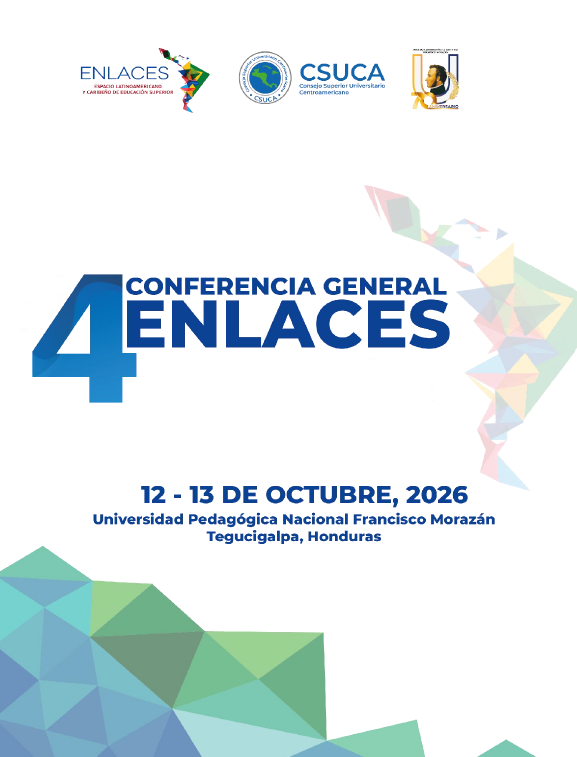
CSUCA impulsa la integración de la educación superior de América Latina y el Caribe en la IV Conferencia General de ENLACES
Tegucigalpa, Honduras, 12 de octubre de 2026
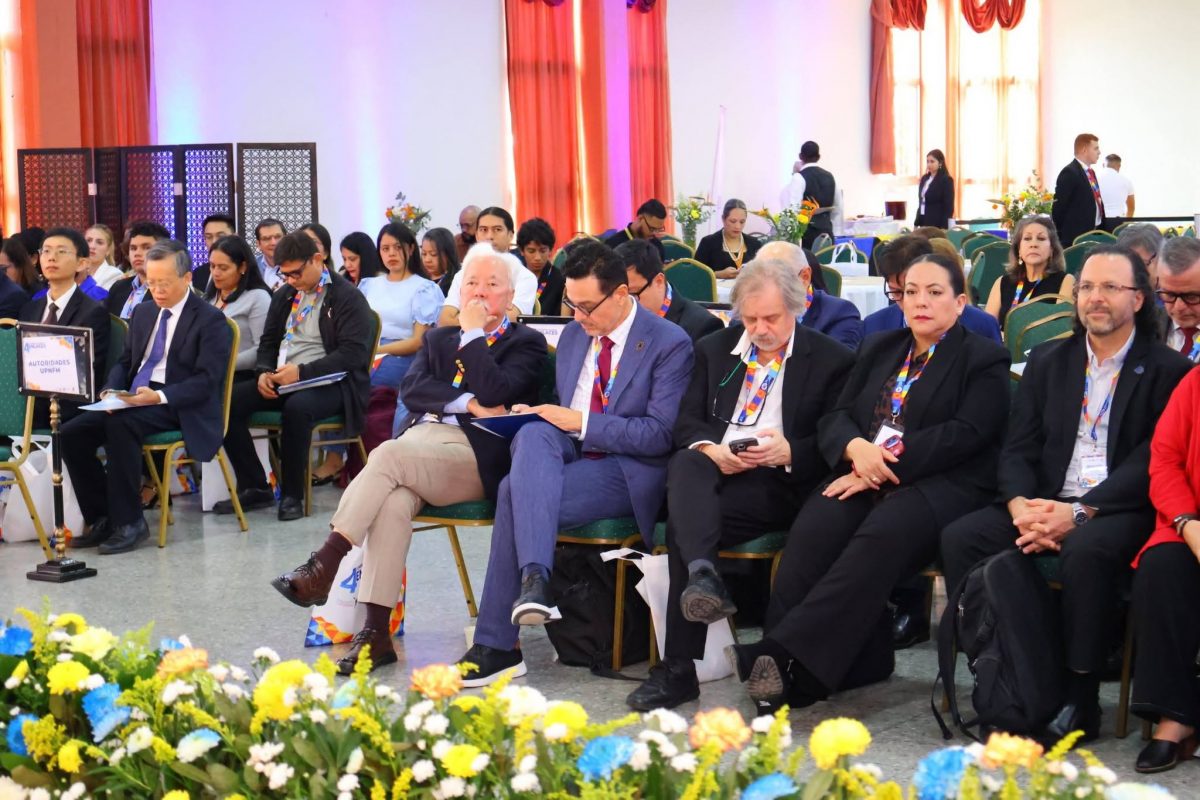
El Consejo Superior Universitario Centroamericano (CSUCA), como institución anfitriona y organizadora, desarrolla la IV Conferencia General del Espacio Latinoamericano y Caribeño de Educación Superior (ENLACES), que reúne los días 12 y 13 de octubre a autoridades universitarias, representantes gubernamentales, organismos internacionales, redes académicas y especialistas de América Latina y el Caribe, en la Universidad Pedagógica Nacional Francisco Morazán (UPNFM), Honduras.
Este importante encuentro regional constituye un espacio de diálogo, reflexión y construcción de propuestas orientadas al fortalecimiento de la integración universitaria, la cooperación académica y científica y la formulación de políticas públicas que respondan a los principales desafíos de la educación superior, con miras a la IV Conferencia Regional de Educación Superior (CRES 2028), que se celebrará en México.
La conferencia aborda cinco ejes estratégicos: la educación superior frente a los desafíos de la integración regional y los cambios geopolíticos; la inteligencia artificial y la transformación digital; la investigación científica, la tecnología y la innovación como motores del desarrollo; los desafíos del cambio climático; y la construcción de una Agencia Regional del Conocimiento (ARCO).
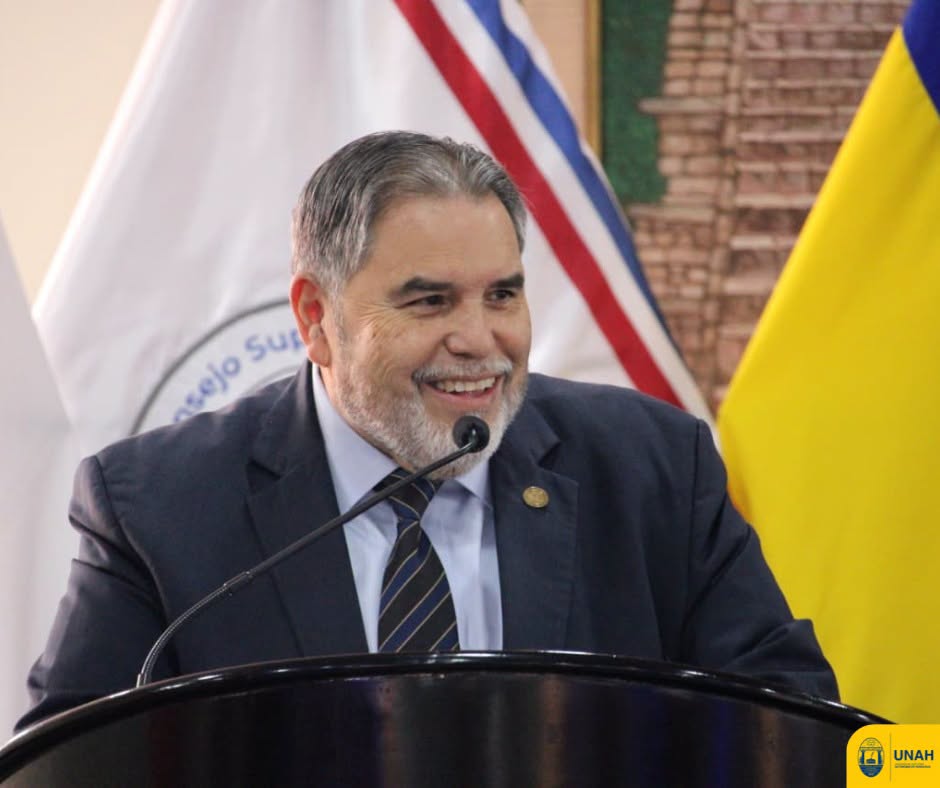
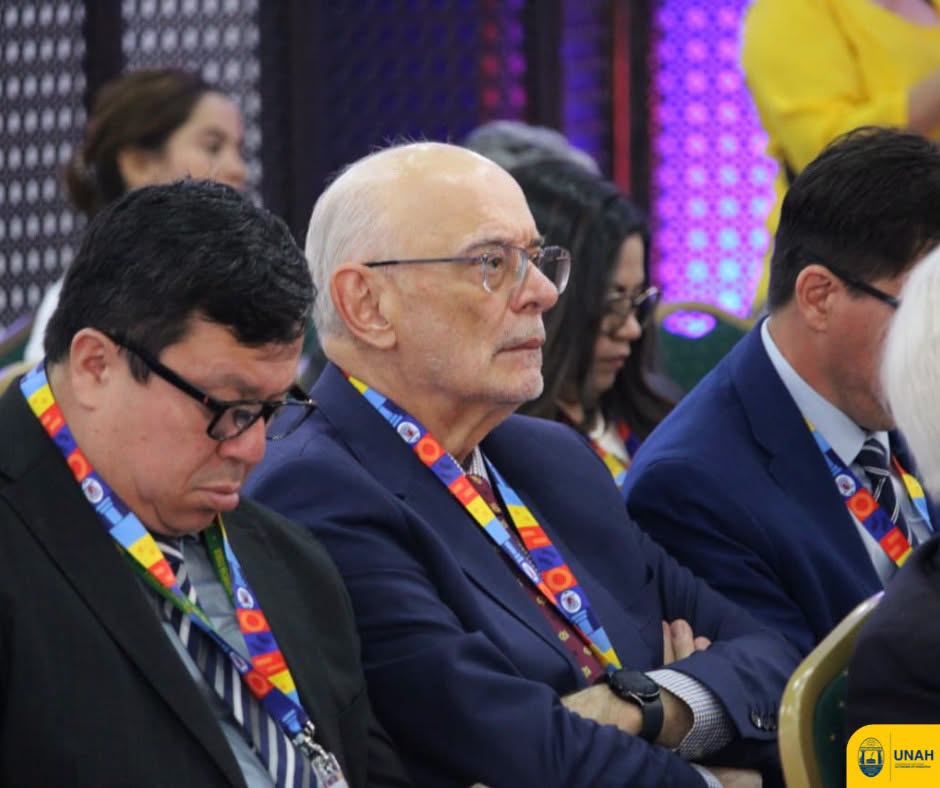
Durante el acto inaugural, la Dra. Lexy Concepción Medina, rectora de la Universidad Pedagógica Nacional Francisco Morazán, dio la bienvenida a las delegaciones participantes y destacó la importancia de defender la educación superior como un bien público social, un derecho humano universal y una responsabilidad del Estado. Asimismo, hizo un llamado a fortalecer la internacionalización solidaria, la investigación pertinente y la cooperación entre las instituciones, promoviendo compromisos verificables que permitan avanzar hacia sistemas de acreditación articulados, redes científicas y agendas compartidas.
Por su parte, el Mtro. Juan Rosa Quintanilla, presidente del CSUCA y rector de la Universidad de El Salvador, resaltó la necesidad de fortalecer el financiamiento de la investigación científica y promover mayores sinergias entre las comunidades académicas de América Latina y el Caribe. En su intervención, respaldó el llamado a establecer compromisos concretos que permitan aprovechar las capacidades institucionales, fortalecer la cooperación universitaria y contribuir a la solución de los problemas que enfrentan las sociedades de la región.
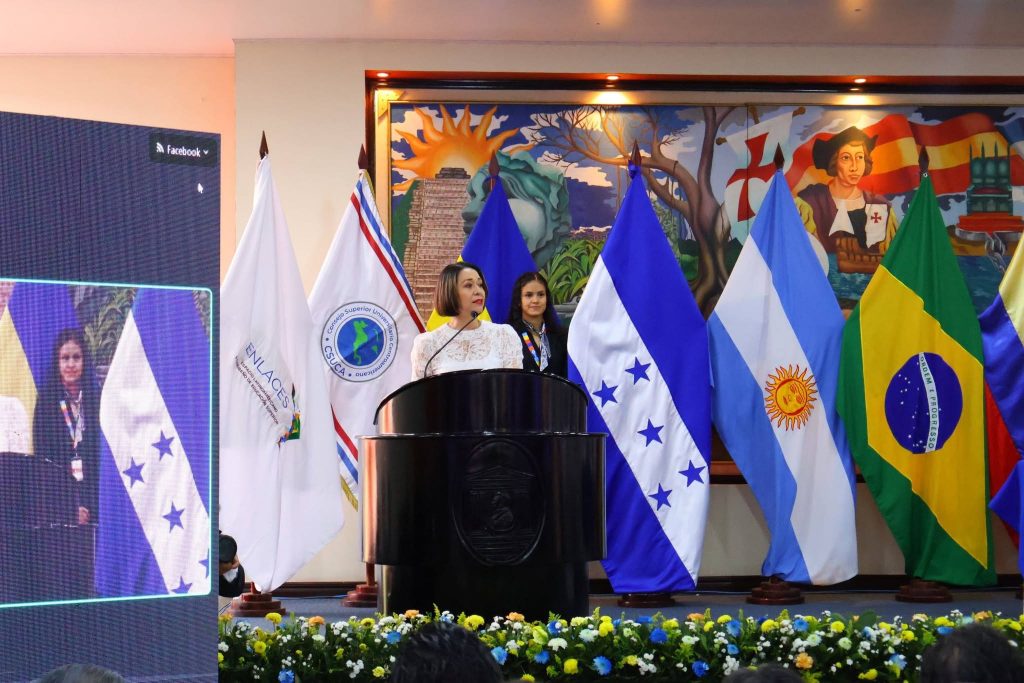

El MSc. Carlos Alvarado Cerezo, secretario general del CSUCA y presidente de la IV Conferencia General de ENLACES, destacó la importancia de este encuentro para fortalecer la integración universitaria y construir una agenda compartida para la educación superior de América Latina y el Caribe. Asimismo, agradeció la confianza depositada en el CSUCA como institución organizadora y reconoció el compromiso de la Universidad Pedagógica Nacional Francisco Morazán como sede de la conferencia.
Durante su intervención, subrayó que la integración constituye el eje central del trabajo del CSUCA, mediante la cooperación académica, la investigación científica, el aseguramiento de la calidad y la internacionalización. Enfatizó la necesidad de transformar los acuerdos regionales en acciones concretas que contribuyan al fortalecimiento de las universidades y al bienestar de las sociedades.
En tanto, la Dra. Diana Araujo, presidenta de ENLACES, reafirmó el papel de este espacio como una plataforma de articulación política y académica para la defensa de la educación superior pública, gratuita, inclusiva y de calidad. Destacó la importancia de fortalecer la soberanía científica y del conocimiento en América Latina y el Caribe, mediante una internacionalización solidaria y horizontal que permita superar las desigualdades y ampliar las oportunidades de cooperación entre las instituciones.
Durante su intervención, hizo referencia a los avances en la construcción de la Agencia Regional del Conocimiento (ARCO), así como a iniciativas de cooperación científica y movilidad académica, entre ellas el programa Pepe Mujica, impulsadas para fortalecer las capacidades de investigación, innovación e integración regional.
Una agenda regional frente a los desafíos de la educación superior
A lo largo de las dos jornadas, la conferencia contempla paneles de especialistas, conferencias magistrales y sesiones plenarias que permiten intercambiar experiencias y construir propuestas sobre los desafíos que enfrentan las instituciones de educación superior.
Entre los temas de discusión destacan el impacto de la inteligencia artificial en los modelos de enseñanza e investigación, la integración regional hacia la CRES 2028, el fortalecimiento de la investigación científica y tecnológica, el compromiso social universitario, el aseguramiento de la calidad y los mecanismos de reconocimiento académico.
Asimismo, se contempla el análisis de la propuesta de creación de la Agencia Regional del Conocimiento (ARCO), como una iniciativa orientada a fortalecer la cooperación científica y académica entre los países de América Latina y el Caribe.
Las sesiones plenarias de ENLACES buscan avanzar en la definición de consensos, recomendaciones y líneas de acción estratégicas que contribuyan al fortalecimiento de este espacio regional y a la construcción de una agenda común de cara a la CRES 2028.
La realización de esta conferencia da continuidad a los esfuerzos de articulación impulsados por las redes y asociaciones universitarias de la región, así como a los acuerdos de la Carta de Foz de Iguazú, suscrita en 2026 por más de 150 instituciones nacionales y regionales de América Latina y el Caribe.
Con la organización de la IV Conferencia General de ENLACES, el CSUCA reafirma su compromiso con la integración de la educación superior, la cooperación académica y científica y el fortalecimiento de las universidades públicas, contribuyendo a la construcción de una región más articulada, inclusiva y comprometida con el desarrollo de sus pueblos.
CSUCA reconoce la excelencia de la comunicación universitaria en los Premios SIREICU 2026
Heredia, Costa Rica, 2 de octubre de 2026
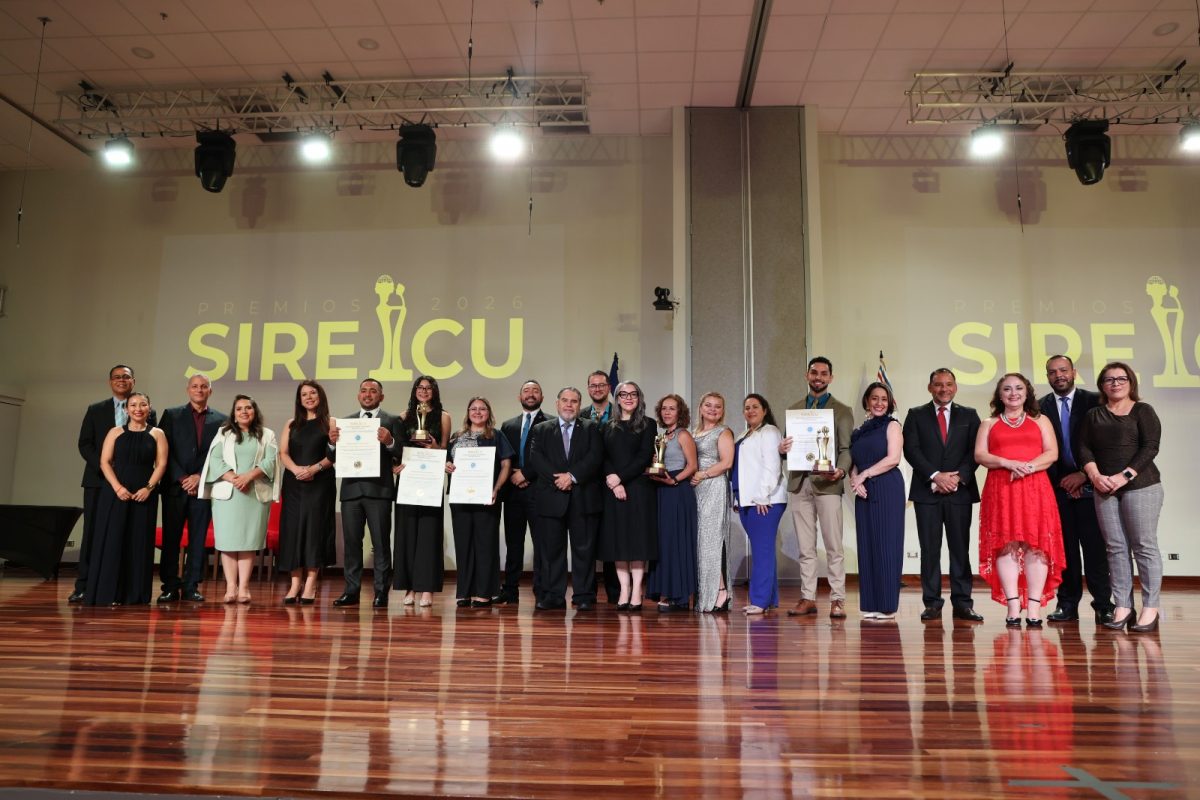
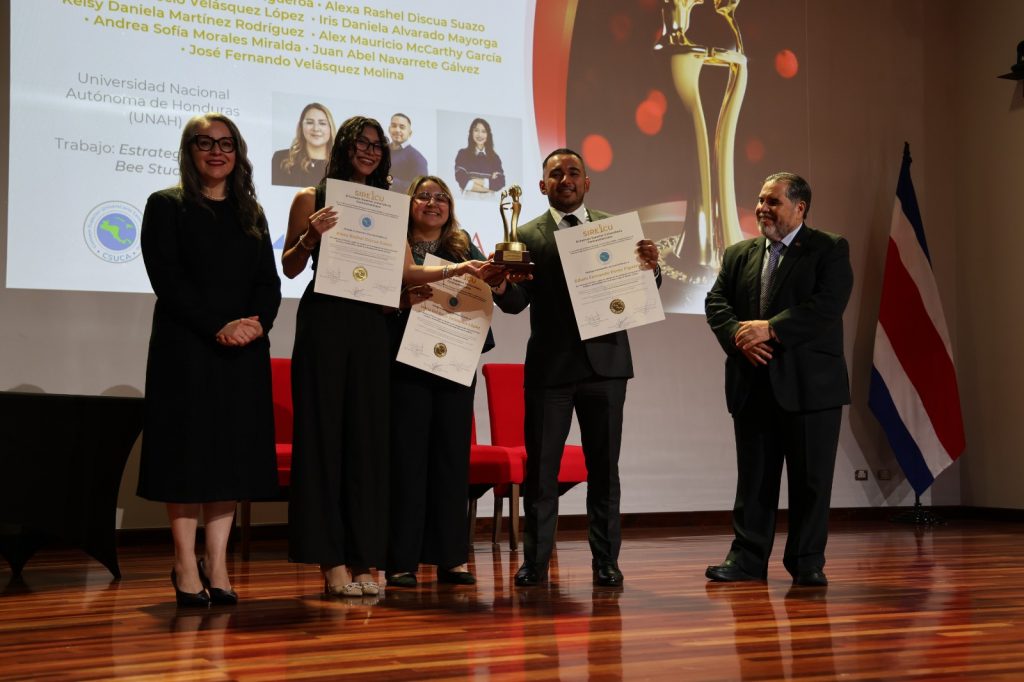
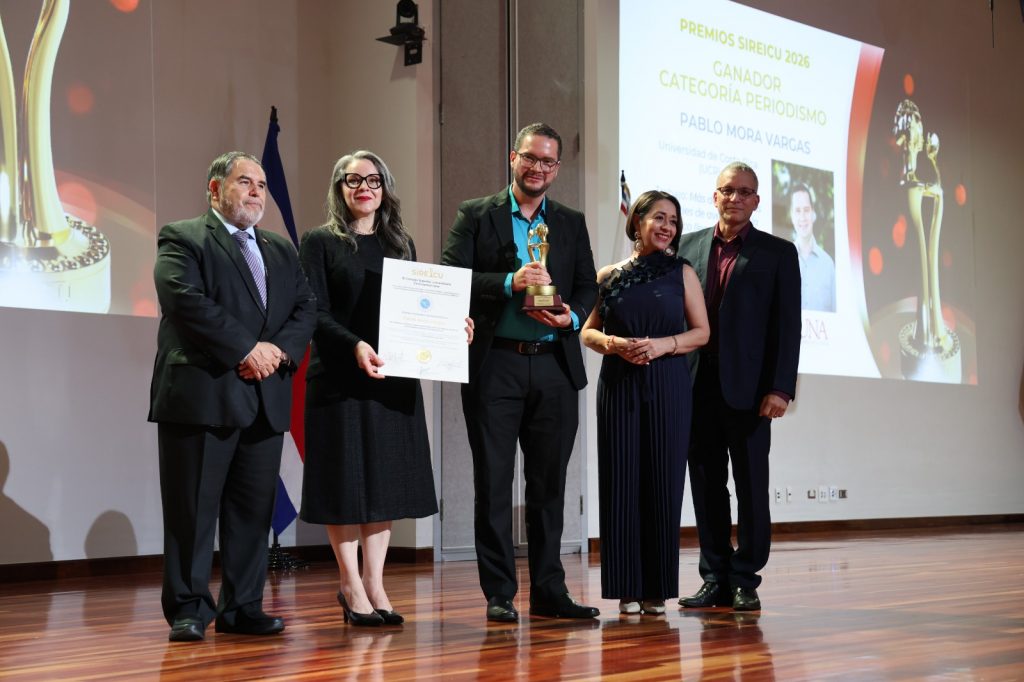
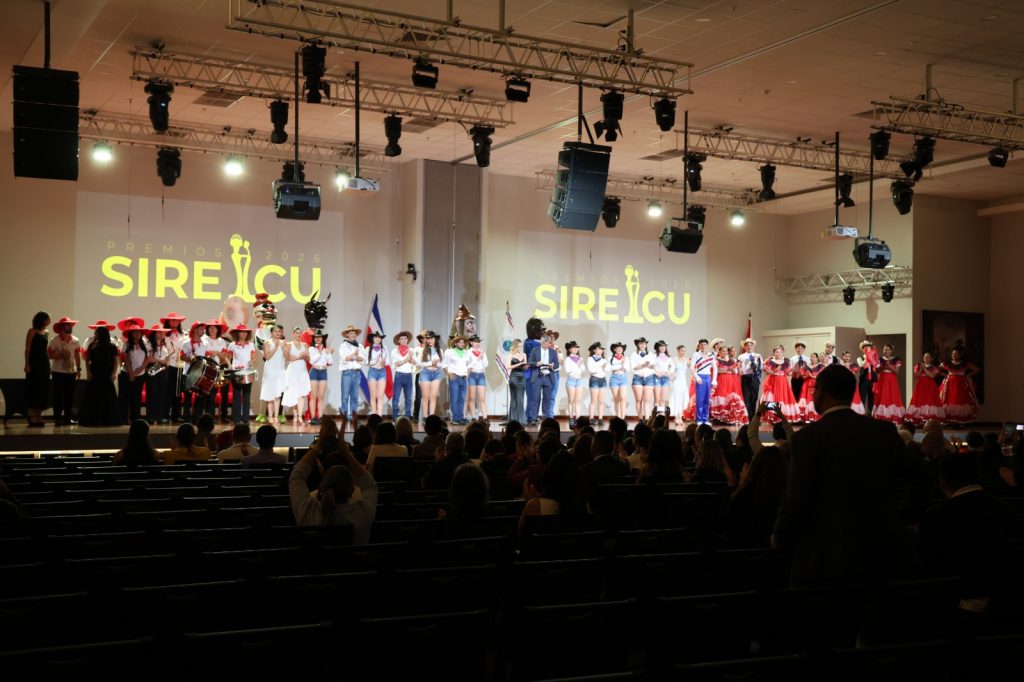
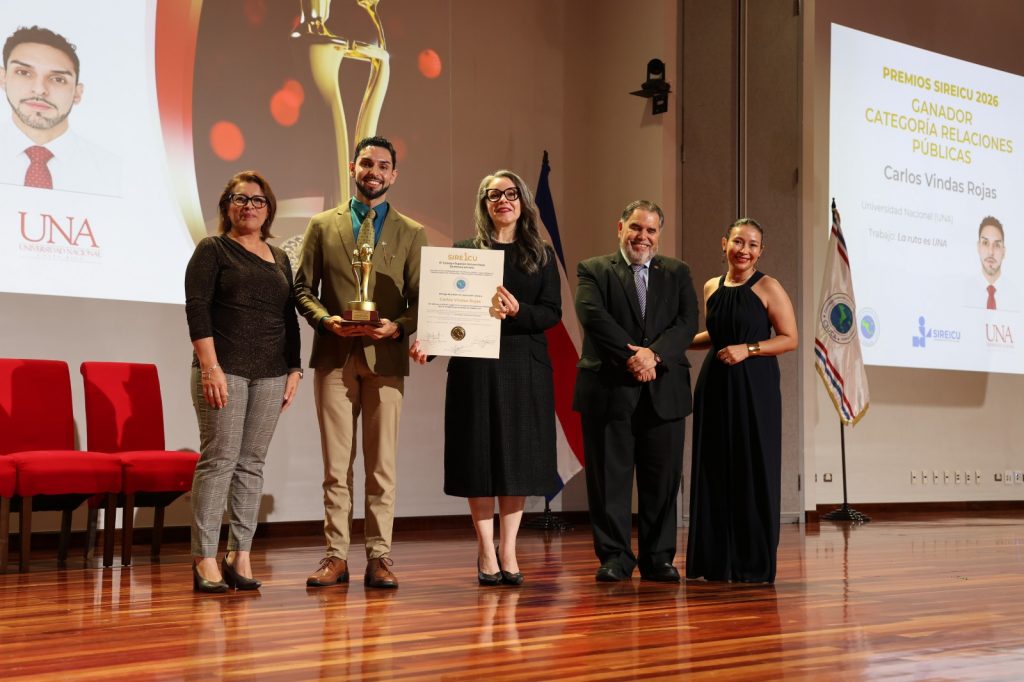
El Consejo Superior Universitario Centroamericano (CSUCA), a través del Sistema Regional de Información y Comunicación Universitaria (SIREICU), realizó la ceremonia de entrega de los Premios SIREICU 2026, iniciativa regional que reconoce la creatividad, innovación y buenas prácticas desarrolladas desde la comunicación de las universidades públicas de Centroamérica y el Caribe.
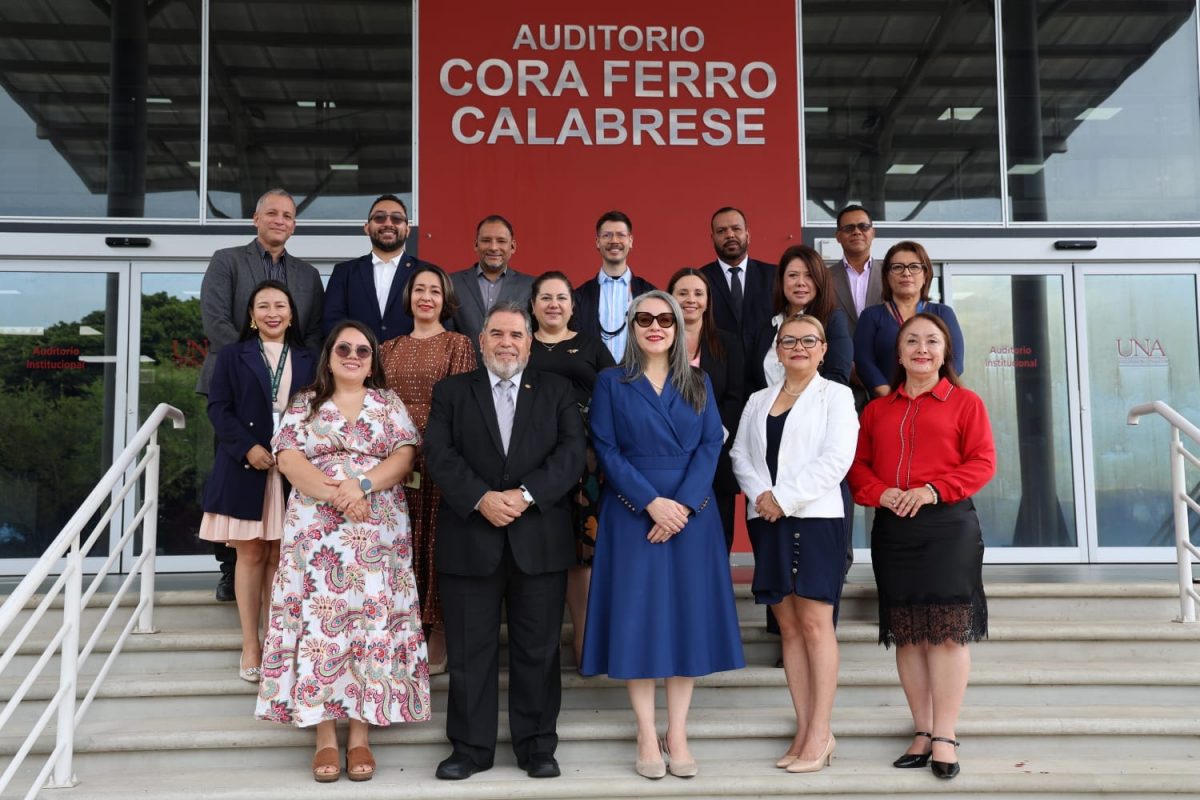
La ceremonia se desarrolló en el Auditorio Cora Ferro de la Universidad Nacional (UNA) de Costa Rica, como actividad de cierre de la XIII Asamblea General del SIREICU, celebrada los días 1 y 2 de octubre.
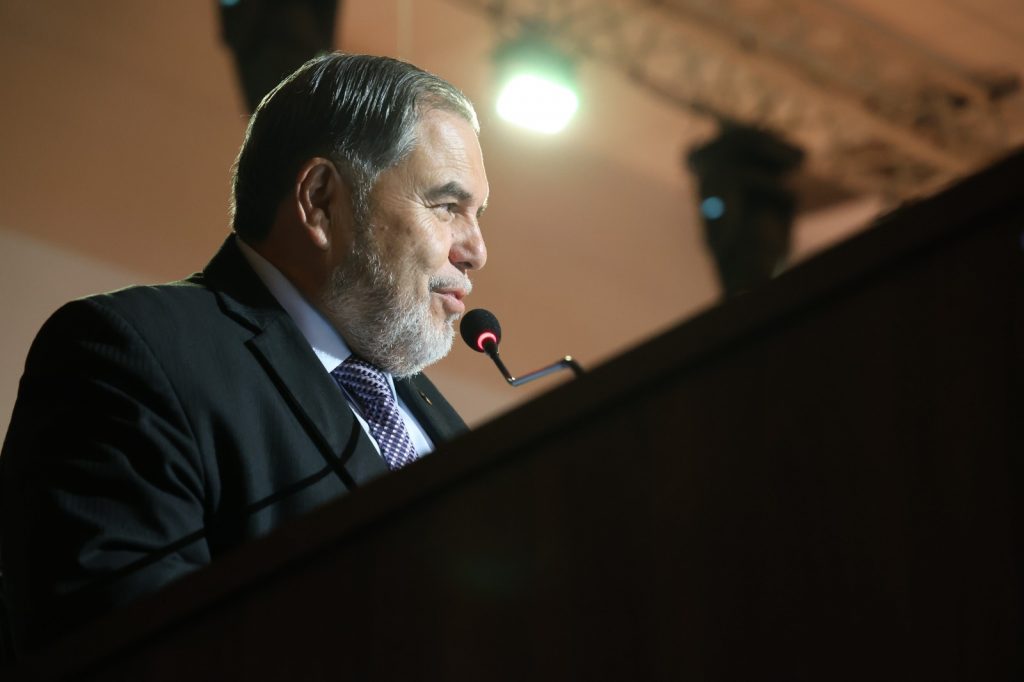
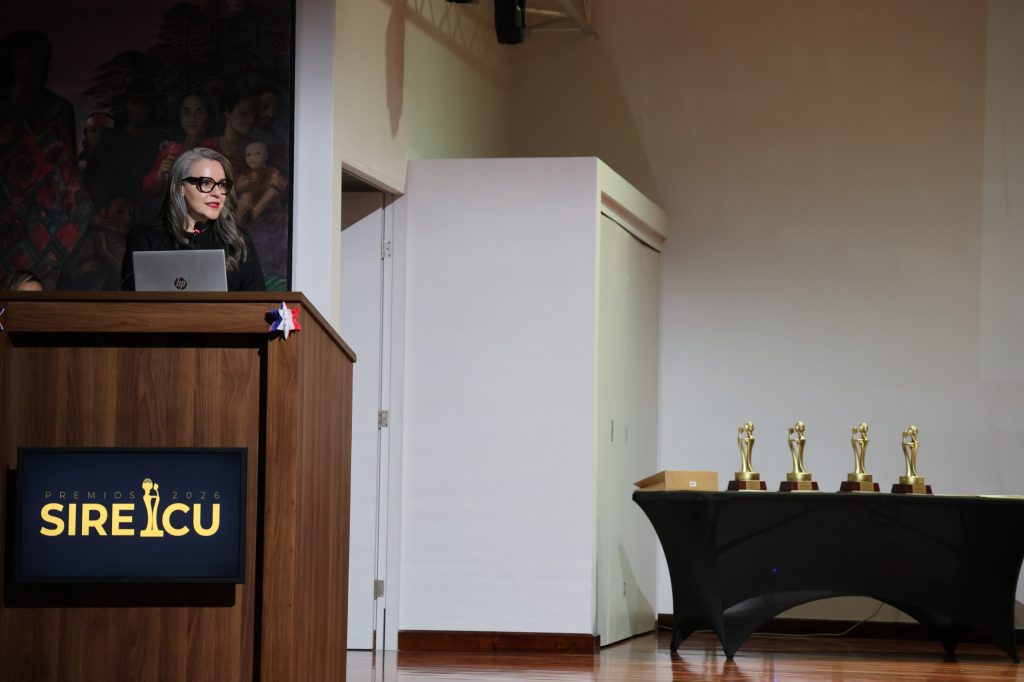
En su segunda edición, los Premios SIREICU recibieron 73 postulaciones provenientes de diferentes universidades que integran el CSUCA, reflejando la diversidad de iniciativas que se desarrollan desde las instituciones de educación superior para comunicar su quehacer académico, científico, cultural y social.
Los reconocimientos abarcaron cuatro grandes áreas de la comunicación universitaria: Periodismo, Relaciones Públicas, Comunicación Digital y Comunicación Gráfica y Publicidad, destacando trabajos de universidades de Costa Rica y Honduras.
En la categoría de Periodismo, el reconocimiento fue otorgado a Pablo Mora Vargas, de la Universidad de Costa Rica (UCR), por el trabajo “Más del 90 % de las especies de aves en la Isla del Coco llegan desde muy lejos”, presentado en la modalidad de noticia o reportaje escrito.
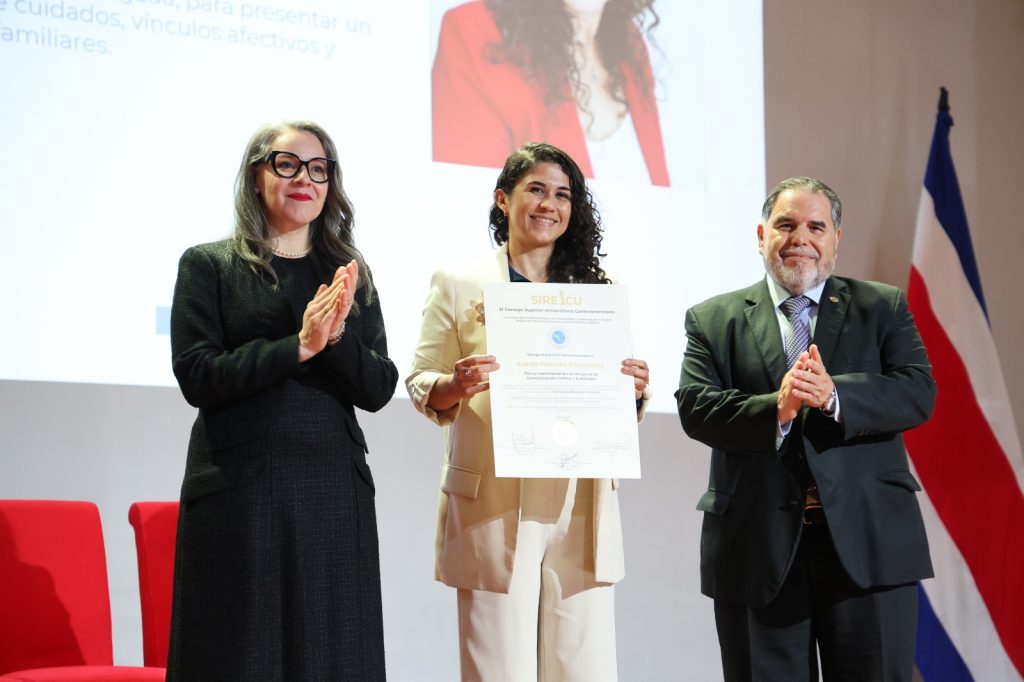

En Relaciones Públicas, fue reconocido Carlos Vindas Rojas, de la Universidad Nacional de Costa Rica (UNA), por la campaña institucional “La ruta es UNA”, una iniciativa desarrollada desde la comunicación universitaria de esta casa de estudios.
Por su parte, en la categoría de Comunicación Digital, el reconocimiento correspondió a Lucía Osorio Torrido, de la Universidad Estatal a Distancia de Costa Rica (UNED), por “Serie Guadalupe Urbina y Max Góldenberg: Multiversos Paralelos”, postulada en la modalidad de contenidos para redes.
En Comunicación Gráfica y Publicidad, resultó reconocida la Universidad Nacional Autónoma de Honduras (UNAH) con “Estrategia Gráfica Bee Studio”, en la modalidad de Diseño Gráfico. El proyecto fue presentado por Edwin Fernando Pérez Figueroa, junto con Keisy Daniela Martínez Rodríguez, Alexa Rashel Discua Suazo, María del Rocío Velásquez López, Alex Mauricio Mc Carthy García, José Fernando Velásquez Molina, Andrea Sofía Morales Miralda, Iris Daniela Alvarado Mayorga y Juan Abel Navarrete Gálvez.
Un reconocimiento al aporte estratégico de la comunicación
Los Premios SIREICU buscan visibilizar el trabajo que realizan las oficinas y profesionales de comunicación de las universidades miembros del CSUCA y reconocer iniciativas que contribuyen a acercar a la sociedad el conocimiento, la investigación, la cultura, la vinculación y las distintas acciones desarrolladas desde la educación superior pública.
La segunda edición también representa la continuidad de una iniciativa regional orientada a promover el intercambio de experiencias y buenas prácticas entre las instituciones que integran el Sistema, fortaleciendo una comunidad de profesionales de la comunicación universitaria con una visión de cooperación regional.
La premiación se desarrolló en el marco de la XIII Asamblea General del SIREICU, encuentro en el que las universidades trabajaron en temas como la Red y Radio Comunica, las guías de comunicación, el inventario de medios y oficinas de comunicación, las campañas regionales y la construcción de la agenda de trabajo del Sistema.
Durante la Asamblea también se presentó el informe de la segunda edición de los Premios SIREICU y se abordó la programación de la tercera y cuarta entrega de estos reconocimientos, como parte de los acuerdos para dar continuidad y fortalecer la iniciativa.
Con los Premios SIREICU 2026, el CSUCA reafirma la importancia de la comunicación como una función estratégica de las instituciones de educación superior y reconoce el talento de quienes, desde las universidades, contribuyen a contar sus historias, acercar el conocimiento a la sociedad y fortalecer la integración universitaria de Centroamérica y el Caribe.
CSUCA fortalece la comunicación universitaria regional en la XIII Asamblea General de SIREICU
Heredia, Costa Rica, 1 de octubre de 2026
El Consejo Superior Universitario Centroamericano (CSUCA), a través del Sistema Regional de Información y Comunicación Universitaria (SIREICU), desarrolla los días 1 y 2 de octubre la XIII Asamblea General del Sistema, con sede en la Universidad Nacional de Costa Rica (UNA).
El encuentro reúne a representantes de las oficinas de comunicación de las universidades públicas que integran el SIREICU, con el propósito de fortalecer la articulación regional, intercambiar experiencias y buenas prácticas, y establecer las principales líneas de trabajo que orientarán las acciones del Sistema durante el próximo período.
Durante el acto de apertura, la Dra. Alejandra Gamboa Jiménez, Rectora Adjunta de la UNA, destacó el papel decisivo que desempeña la comunicación en la vida universitaria y democrática de la región, al hacer visible el conocimiento, tender puentes entre las universidades y la sociedad, y convertir el quehacer académico en información comprensible, pertinente y útil para las personas. Asimismo, señaló que el SIREICU representa una apuesta regional por una comunicación universitaria articulada, orientada a fortalecer, visibilizar y reconocer las acciones, proyectos y aportes que las universidades públicas realizan en favor de las sociedades centroamericanas.
Por su parte, el Dr. Carlos Alvarado Cerezo, Secretario General del CSUCA, destacó que la comunicación universitaria constituye un eje estratégico y transversal para la integración regional, cuyo valor se materializa a través del trabajo colaborativo y de resultados concretos. En ese sentido, resaltó la aprobación, durante la CXXVIII Sesión Ordinaria del CSUCA, de la Guía Regional de Comunicación en Apoyo a la Docencia y la Guía Regional de Comunicación en Crisis, construidas desde el SIREICU como resultado del conocimiento y la experiencia conjunta de las universidades. Asimismo, subrayó el papel fundamental que tendrá el Sistema en el proceso hacia el X Congreso Universitario Centroamericano, acompañando la participación de las comunidades universitarias y haciendo visibles las reflexiones y propuestas que contribuirán a definir el rumbo de la educación superior regional hacia 2036.
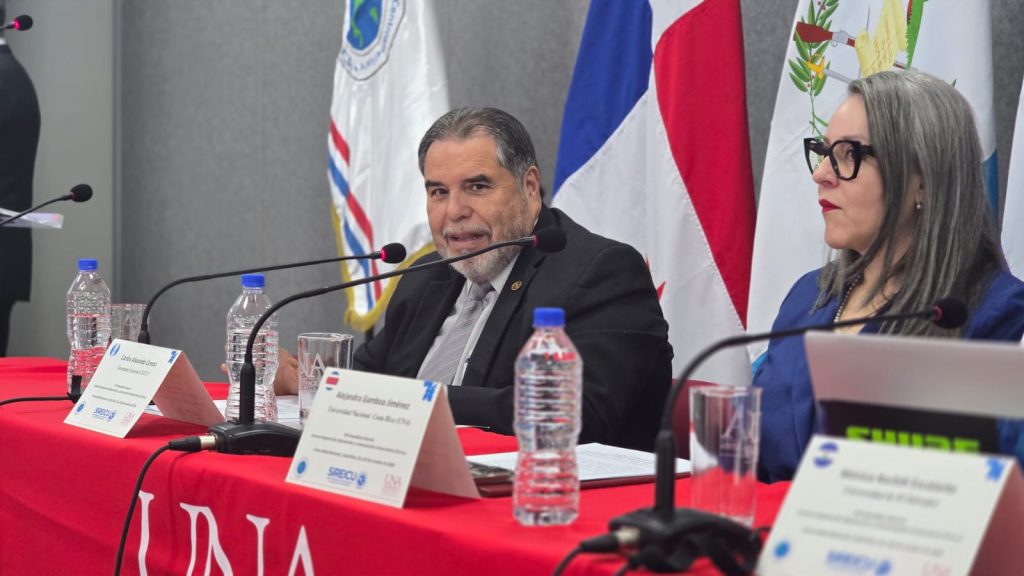
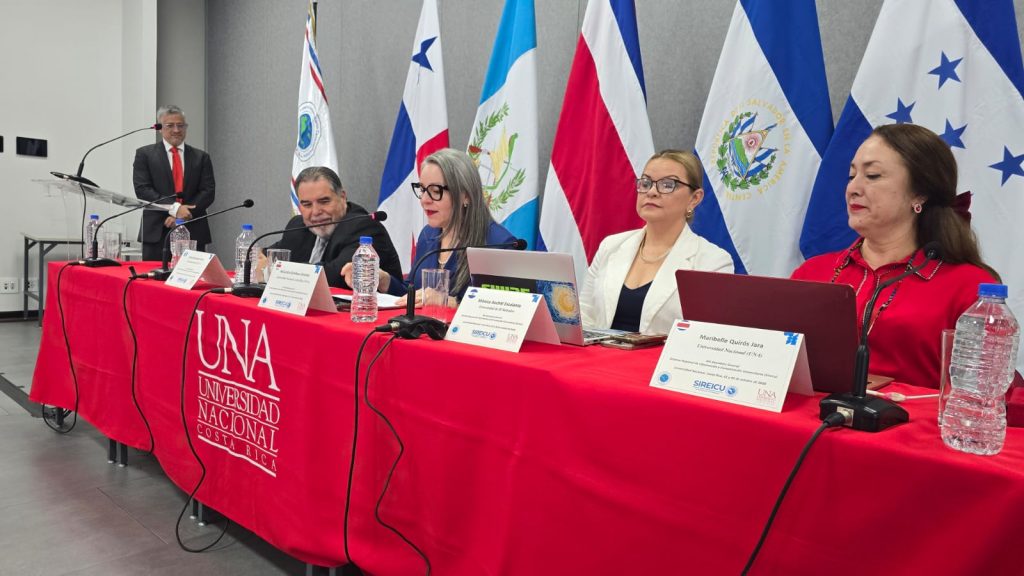
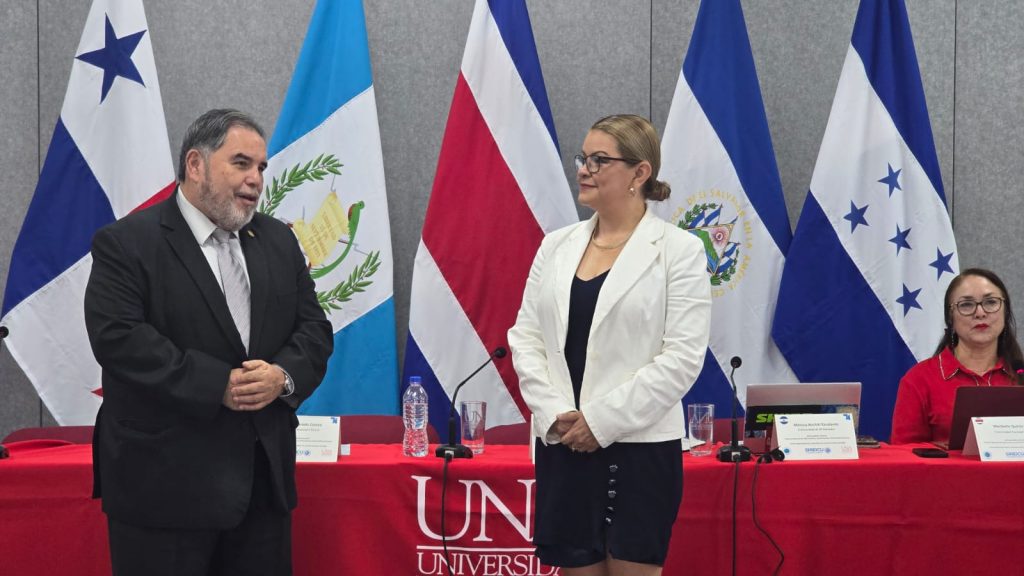
El Mtro. Juan Rosa Quintanilla, Presidente del Consejo Superior Universitario Centroamericano (CSUCA) y Rector de la Universidad de El Salvador (UES), mediante un mensaje destacó el papel transformador del SIREICU y reafirmó el compromiso de continuar fortaleciendo la comunicación académica y científica en la región. En el marco del traspaso de la Presidencia del Sistema a la Universidad de El Salvador, señaló que esta nueva responsabilidad será asumida con el propósito de seguir impulsando el trabajo articulado entre las universidades públicas, así como la visibilización del impacto social de la educación superior centroamericana. Asimismo, resaltó la importancia del intercambio de buenas prácticas y la adopción de acuerdos estratégicos que permitan consolidar el trabajo colaborativo regional.
Uno de los momentos centrales de la XIII Asamblea es el nombramiento de la Presidencia del SIREICU, a cargo de la Lic. Xochilt Escalante, de la Universidad de El Salvador (UES), quien presenta el plan de trabajo que orientará la nueva etapa del Sistema. Presentando a la vez, la edición de un video institucional del CSUCA, como un primer resultado de la actual presidencia.
La agenda académica aborda además uno de los principales desafíos actuales para las instituciones de educación superior: la incorporación de nuevas tecnologías en los procesos de comunicación. En ese marco se desarrolla la conferencia inaugural “Retos de la comunicación universitaria en el uso de la inteligencia artificial”, impartida por Cristian Bonilla Cruz, de Costa Rica. Asimismo, Juan Carlos Martínez, de la Universidad Autónoma de Chiriquí (UNACHI) y miembro fundador del SIREICU, presenta la conferencia “SIREICU: origen, desarrollo y buenas prácticas de comunicación interuniversitaria”.
Durante la primera jornada, las oficinas integrantes del Sistema también comparten experiencias y buenas prácticas de comunicación universitaria. Posteriormente, desarrollan un espacio de reorganización y trabajo por comisiones enfocado en la Red y Radio Comunica, las guías de comunicación, el inventario regional de medios y oficinas de comunicación, las campañas de comunicación y la agenda de trabajo de SIREICU.
Una agenda regional para fortalecer la comunicación universitaria
El segundo día de trabajo contempla la presentación “Red de medios universitarios”, a cargo del Mtro. Federico Barreto, de la Comisión Permanente de Medios de Comunicación Universitaria de la Asociación de Universidades Grupo Montevideo, seguida por mesas de trabajo en las que las distintas comisiones definirán y presentarán sus respectivos planes de acción.
La XIII Asamblea permitirá además conocer el informe de la II edición de los Premios SIREICU 2026 y establecer acuerdos relacionados con la Presidencia y Secretaría General del Sistema, las próximas asambleas generales y las futuras ediciones de los Premios SIREICU.
Con este encuentro, el SIREICU continúa consolidándose como un espacio de cooperación entre las universidades públicas de la región, promoviendo una comunicación universitaria articulada y capaz de responder a los nuevos desafíos de la educación superior, así como de visibilizar el aporte de las universidades al desarrollo de Centroamérica y el Caribe.
Como cierre de las actividades, el 2 de octubre se realizará la Ceremonia de entrega de los Premios SIREICU 2026, en el auditorio Cora Ferro de la Universidad Nacional, espacio dedicado a reconocer el trabajo desarrollado desde la comunicación universitaria.
 English
  Español de Guatemala