
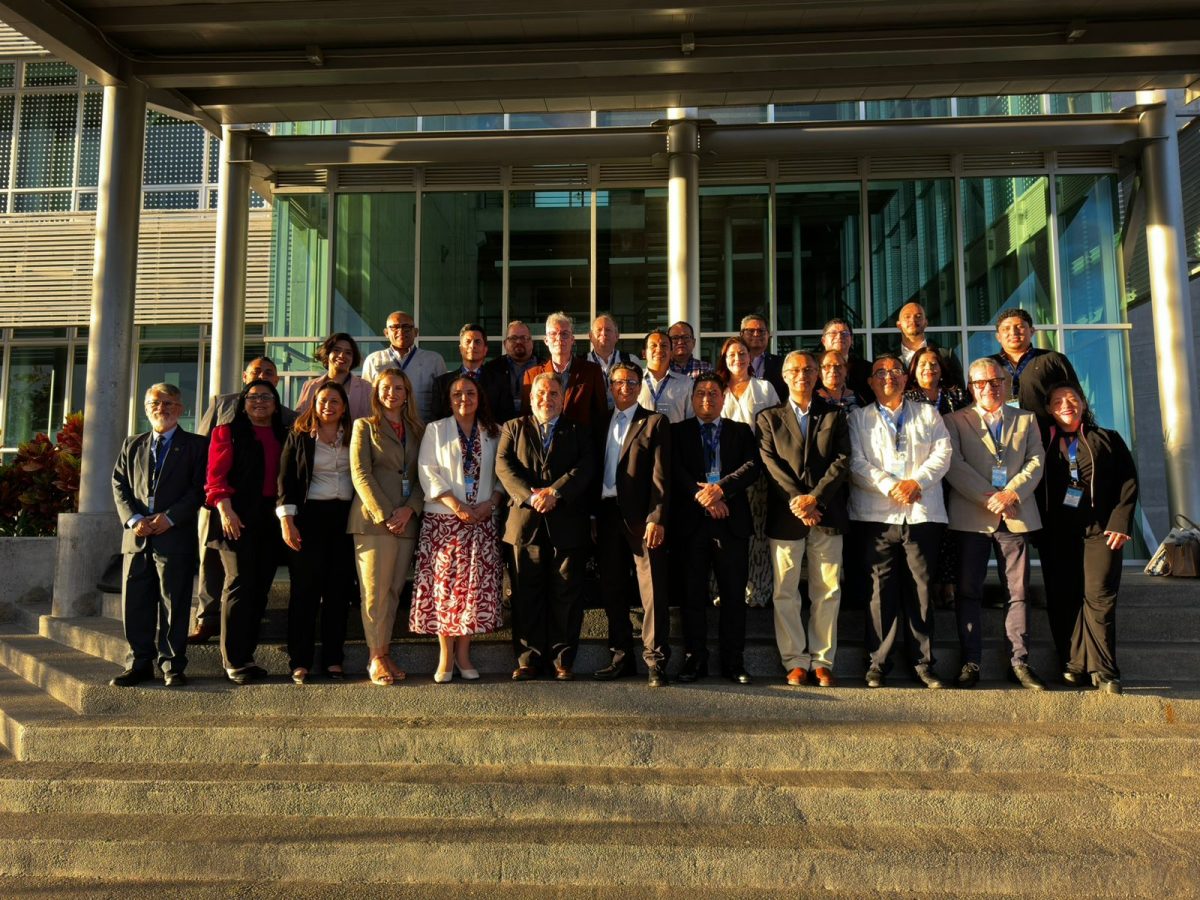
San José, Costa Rica, April 22, 2026
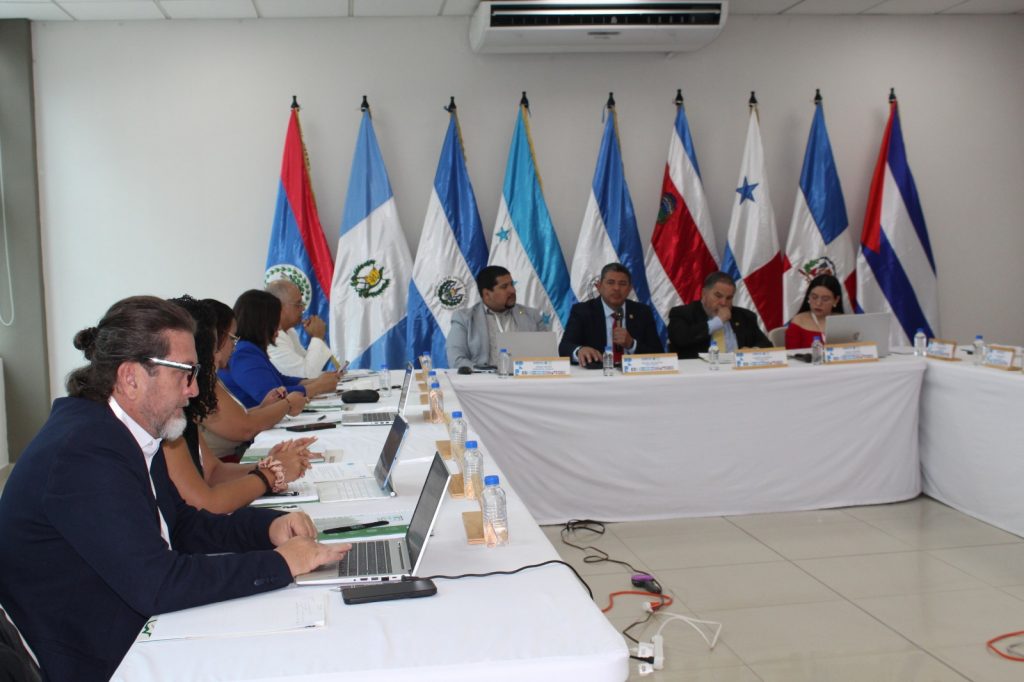
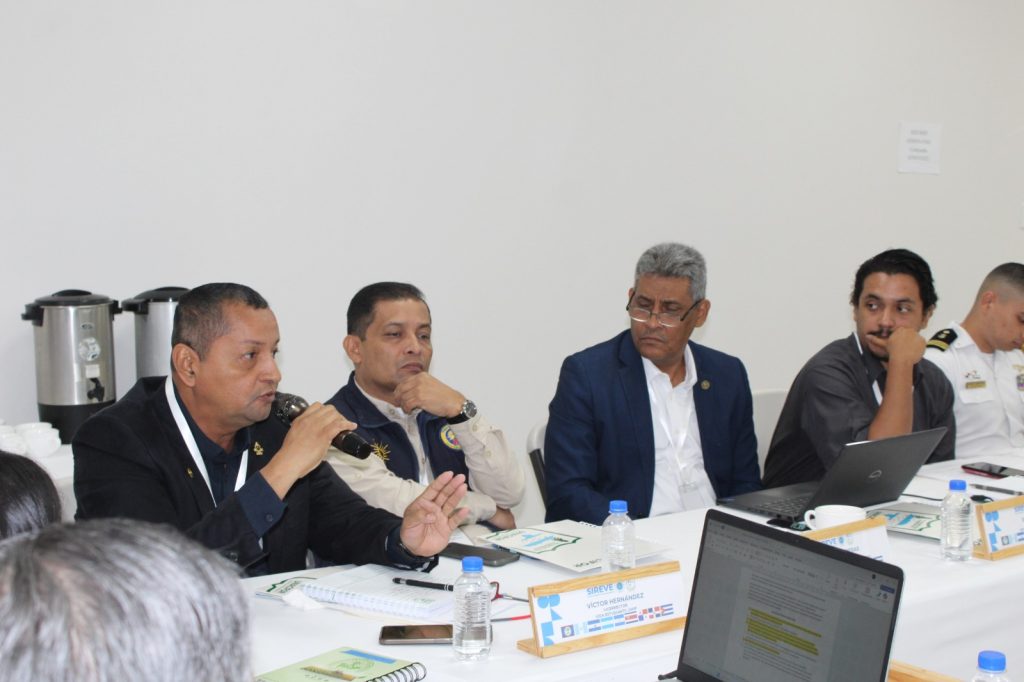
Within the framework of the 65th General Assembly of the Central American and Caribbean Regional System of Research and Postgraduate Studies (SIRCIP), the Central American Higher University Council (CSUCA) reaffirmed its commitment to strengthening research, innovation and advanced training as strategic pillars for the sustainable development of the region.
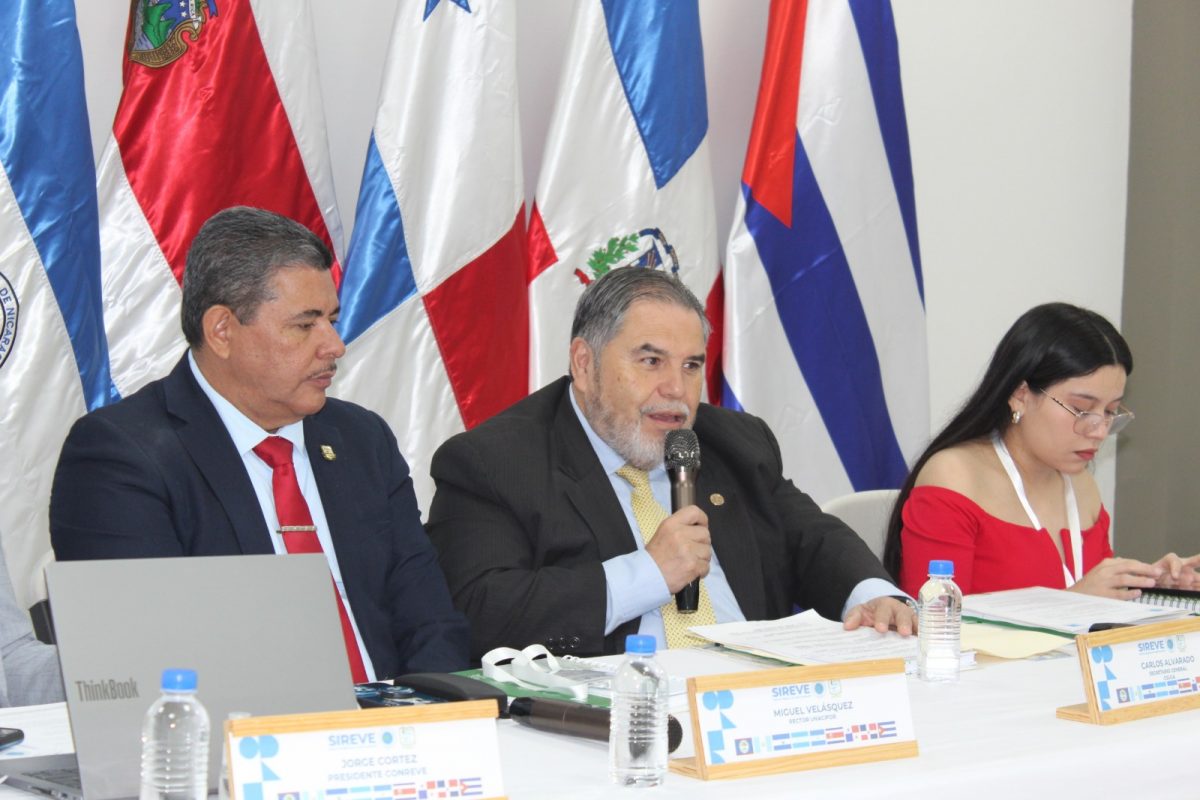
During the inaugural session, the Secretary General of CSUCA, Dr. Carlos Alvarado Cerezo, highlighted that this space constitutes a key meeting point to advance in the construction of regional responses to the contemporary challenges of higher education, especially in areas such as the governance of artificial intelligence in research, scientific diplomacy, open science, internationalization and the development of microcredentials in postgraduate programs.
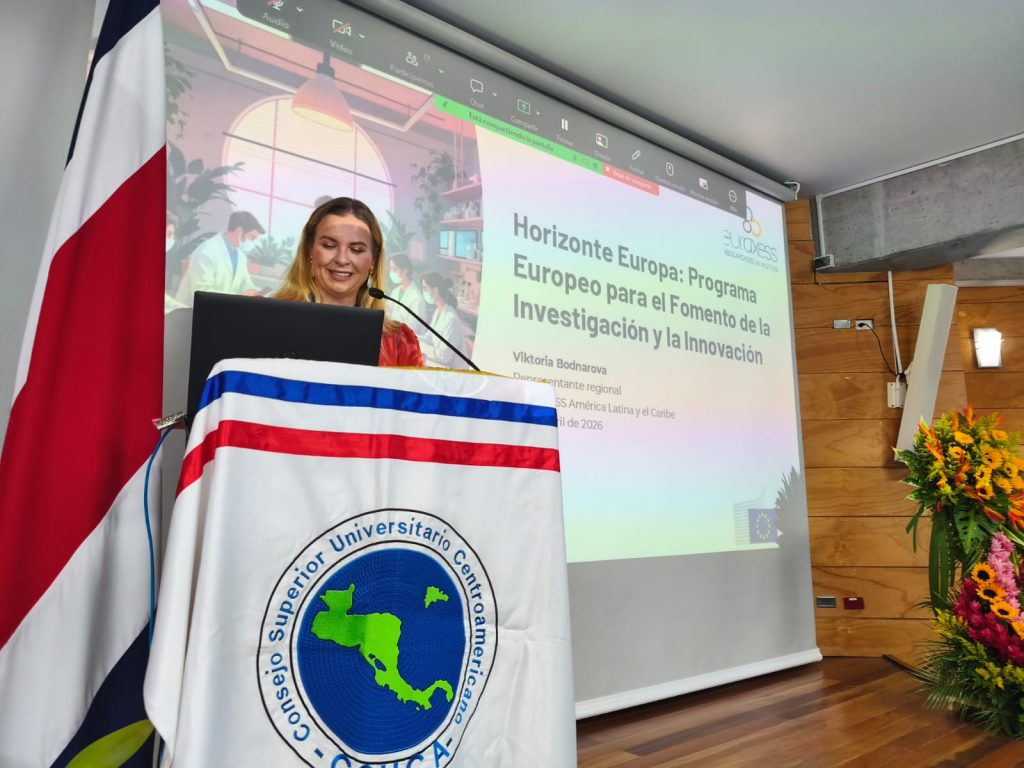
She also highlighted the importance of the participation of Dr. Viktoria Bodnarova, Euraxess coordinator for Latin America and the Caribbean at the European Commission, whose presence helps to strengthen academic and scientific cooperation between the region and the European Union, particularly within the framework of the Horizon Europe program.
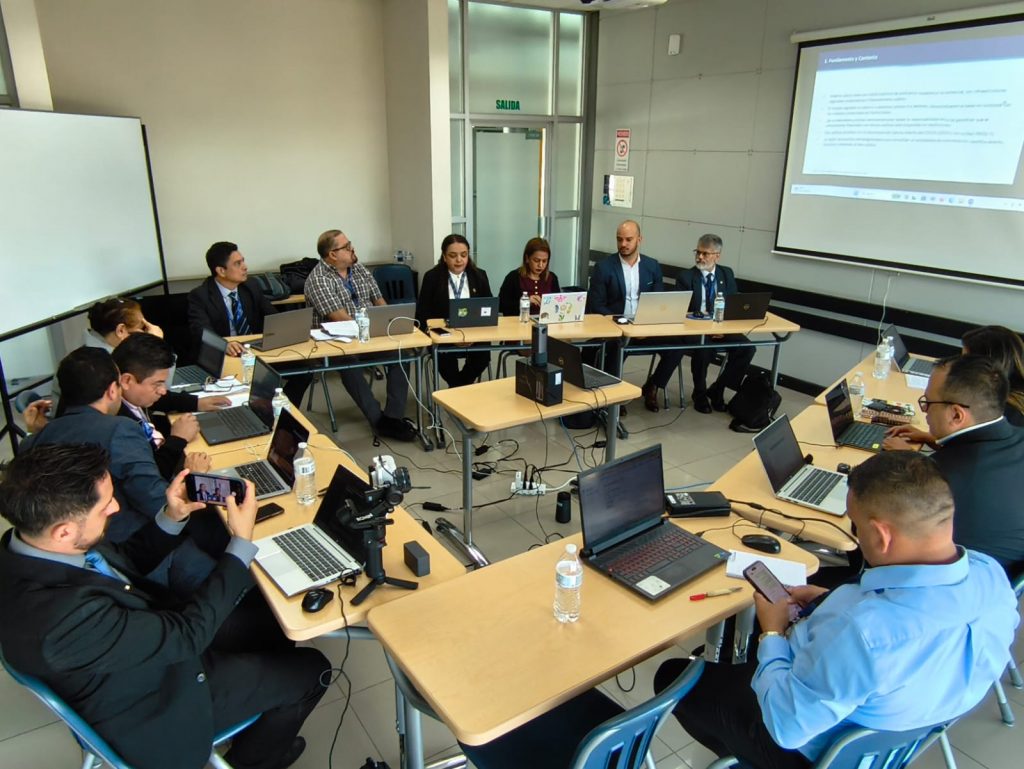
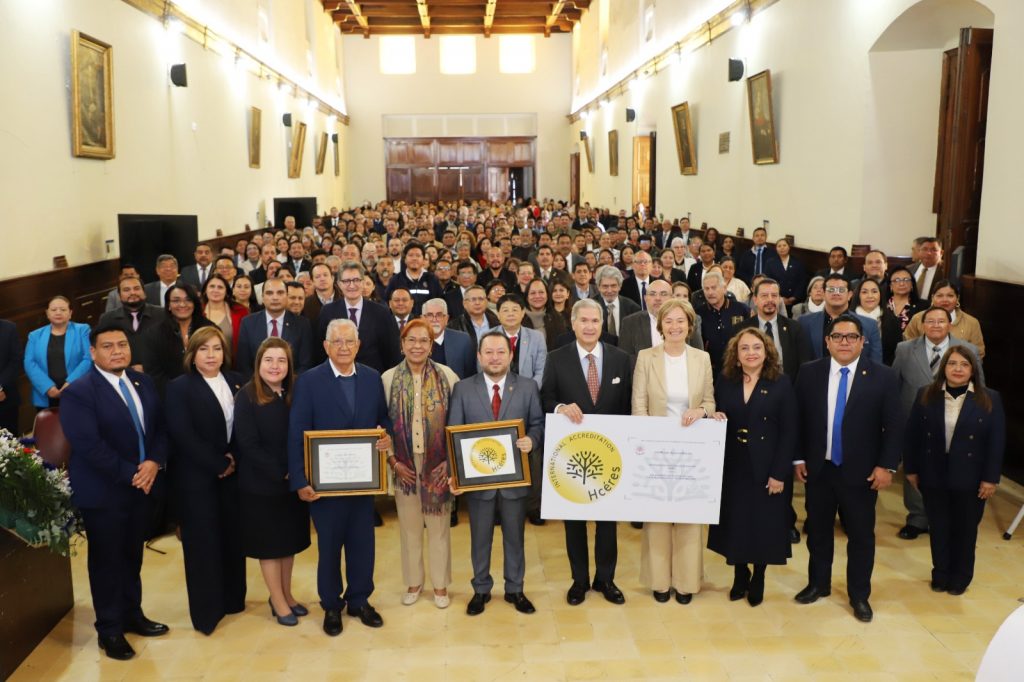
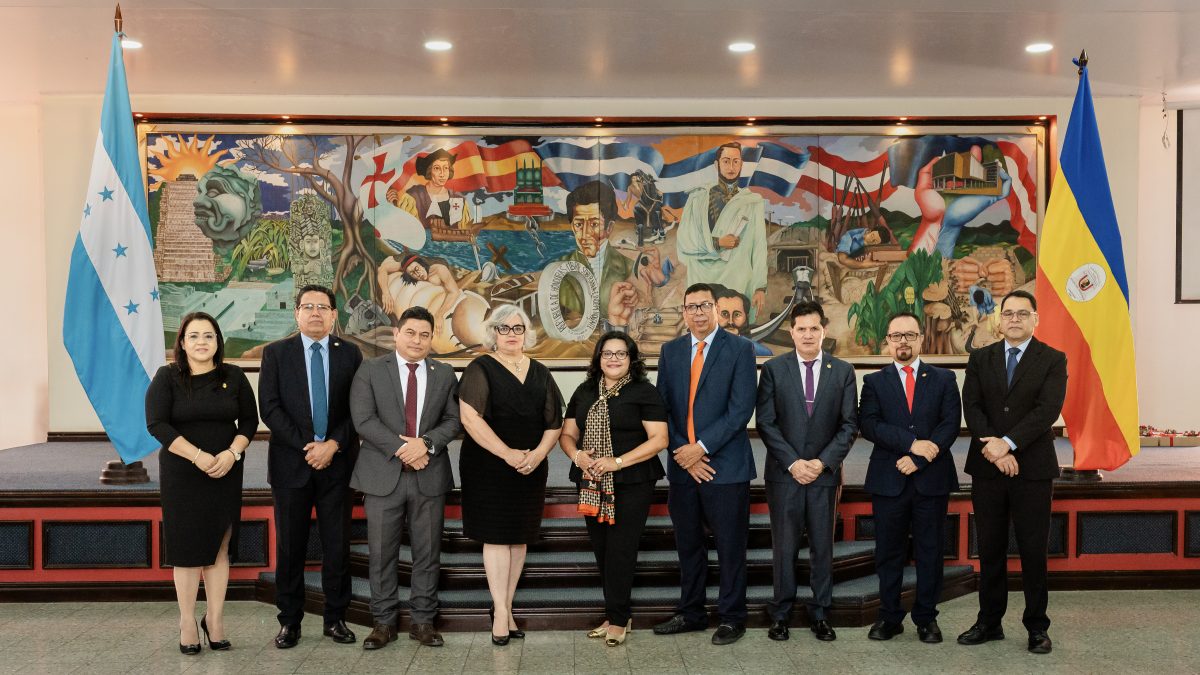
The Assembly, held from April 20 to 22, 2026 at the University of Costa Rica (UCR), brought together university authorities, research and postgraduate officials, as well as international specialists, who addressed strategic issues aimed at consolidating regional capacities, promoting academic cooperation and strengthening institutional articulation in Central America, the Dominican Republic and Cuba.
Among the main points of the agenda were the keynote lectures on artificial intelligence in research and postgraduate studies, the panel on science diplomacy and the global agenda, the progress of Program 2 of the Fifth Plan for the Integration of Higher Education in Central America and the Dominican Republic (PIRESC V), as well as the work aimed at defining the governance strategy of the Regional Research and Postgraduate Agenda to 2040.
Similarly, the sessions of the Regional Research Council (CORI) and the Regional Postgraduate Council (COREP) allowed for deeper exploration of topics such as the governance of open scientific information, ethics in the use of artificial intelligence, the Regional Observatory of Research and Postgraduate Studies, the construction of regional postgraduate programs, and the development of reference frameworks for academic micro-credentials.
The Secretary General of CSUCA highlighted that these actions are aligned with the strategic objectives of PIRESC V, aimed at consolidating the regional research and postgraduate agenda, strengthening institutional capacities, promoting innovation, fostering internationalization and encouraging the transfer of scientific results for the benefit of the societies of the region.
He also emphasized that the joint work promoted by SIRCIP contributes directly to building a long-term regional vision, reflected in the process of formulating the Regional Research and Postgraduate Agenda to 2040, a strategic instrument to project the future of public universities in Central America, the Dominican Republic and Cuba.
The General Secretariat of CSUCA reiterated its recognition to the University of Costa Rica for organizing this Assembly, as well as to the presidency of SIRCIP and the member universities of the system for their commitment to strengthening regional university integration.
 English
  Español de Guatemala