UES assumes the presidency of two CSUCA systems

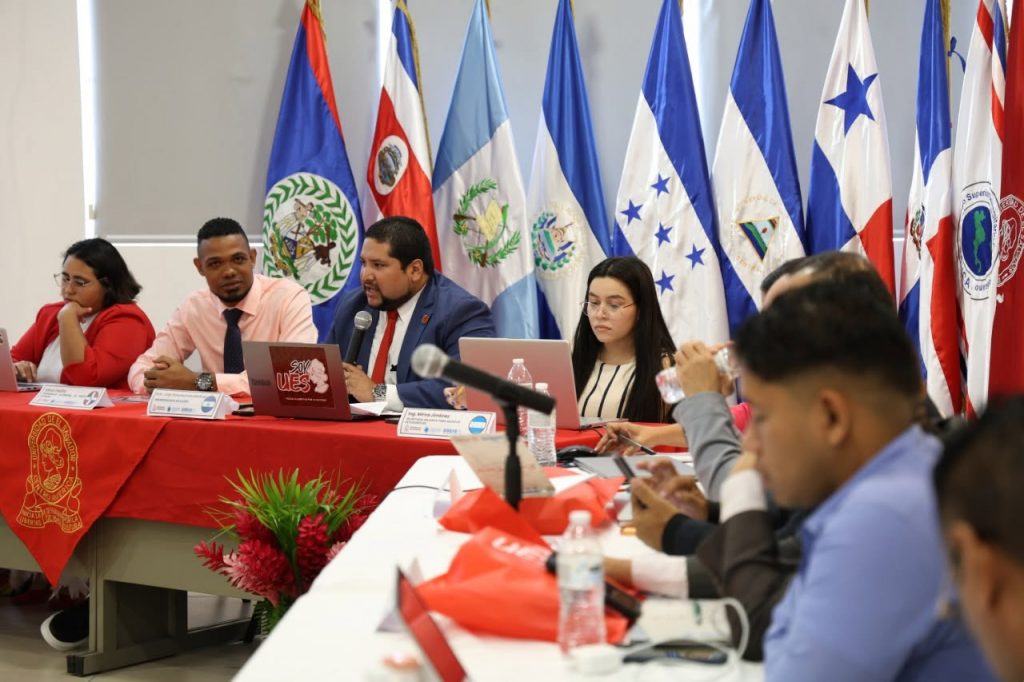
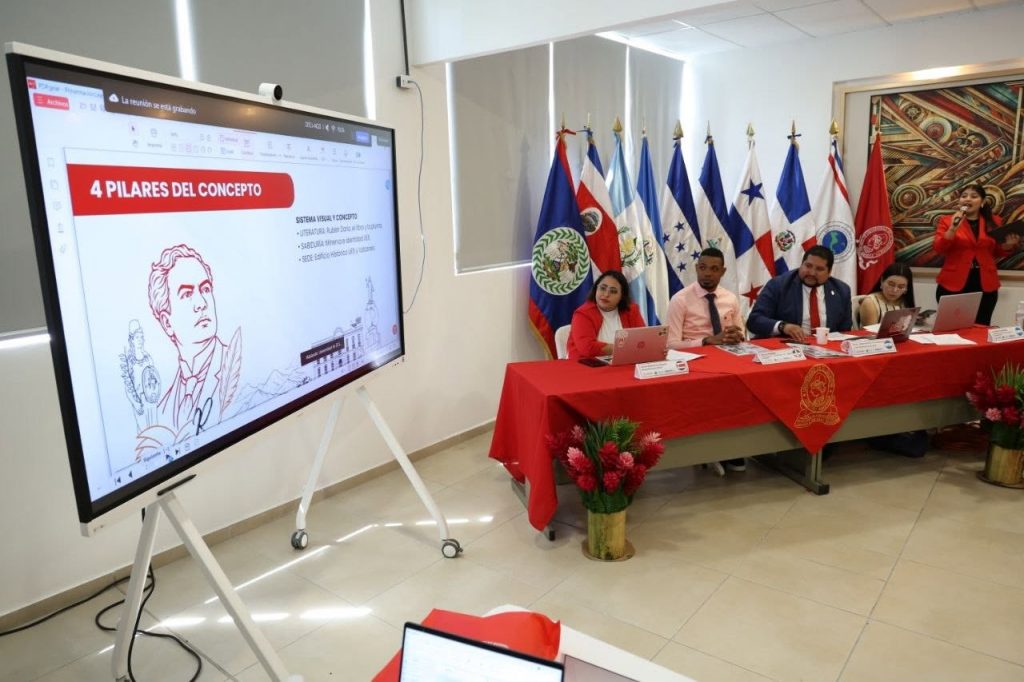
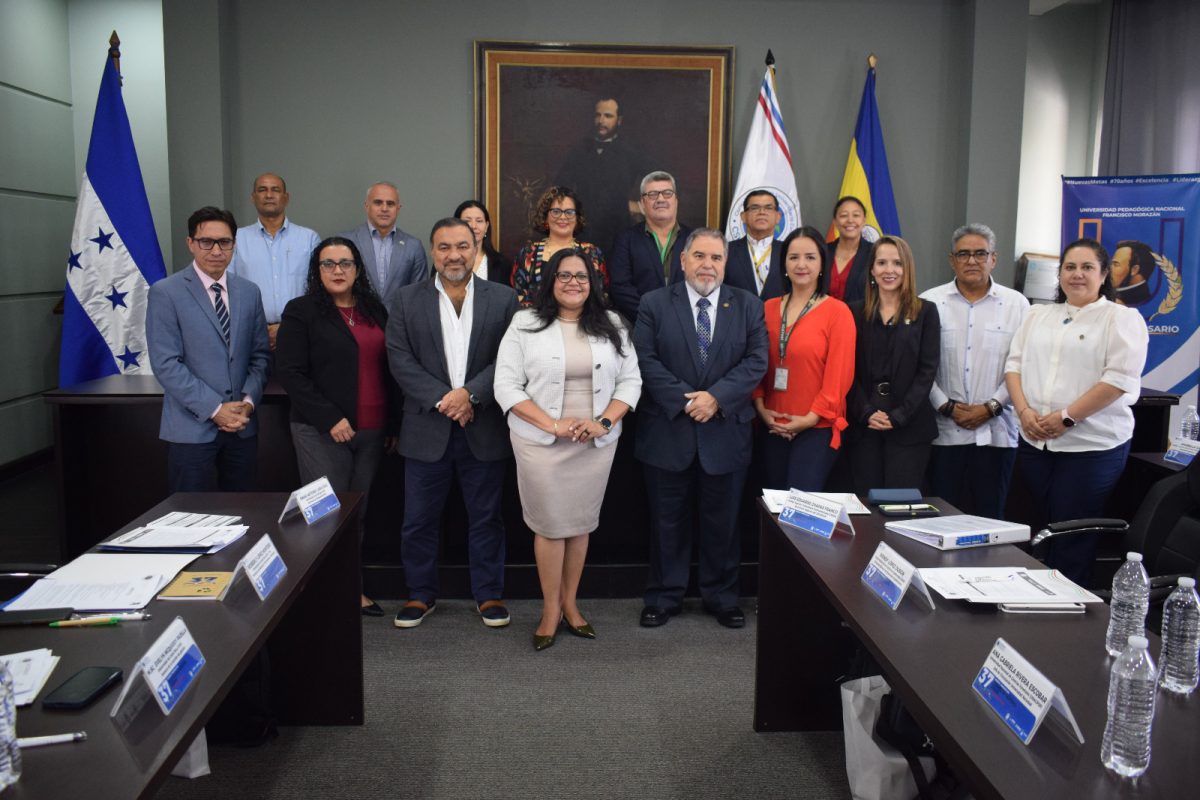
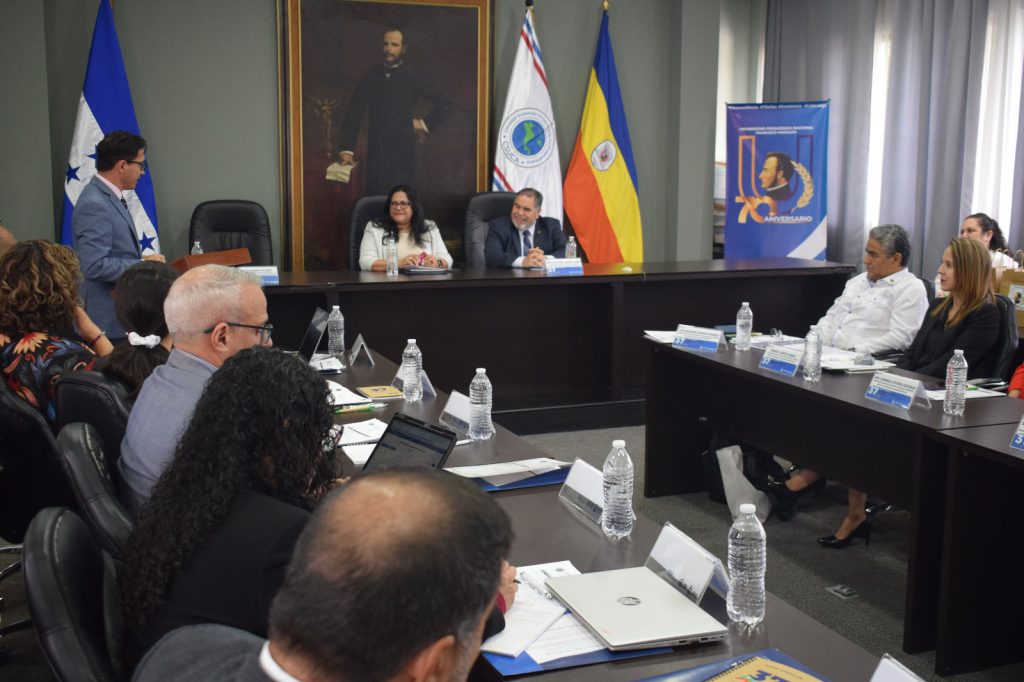
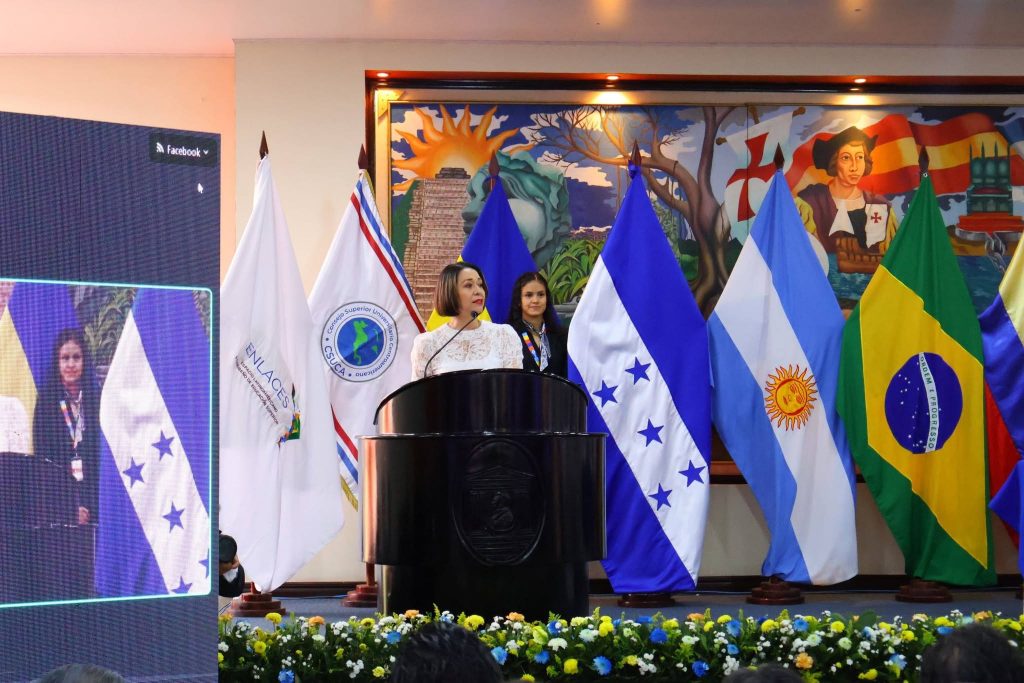
Following the various actions of the Presidency of the Central American Higher University Council, the University of El Salvador (UES) assumed the presidency of two systems that make up the CSUCA, as part of the institutional change that gives continuity to the joint work of the public universities of Central America and the Caribbean, in matters of evaluation and harmonization of higher education, research and postgraduate studies.

The transfers correspond to the Central American System for Evaluation and Harmonization of Higher Education (SICEVAES) and the Central American and Caribbean Regional System for Research and Postgraduate Studies (SIRCIP), whose presidencies were held by representatives of the University of San Carlos of Guatemala (USAC).

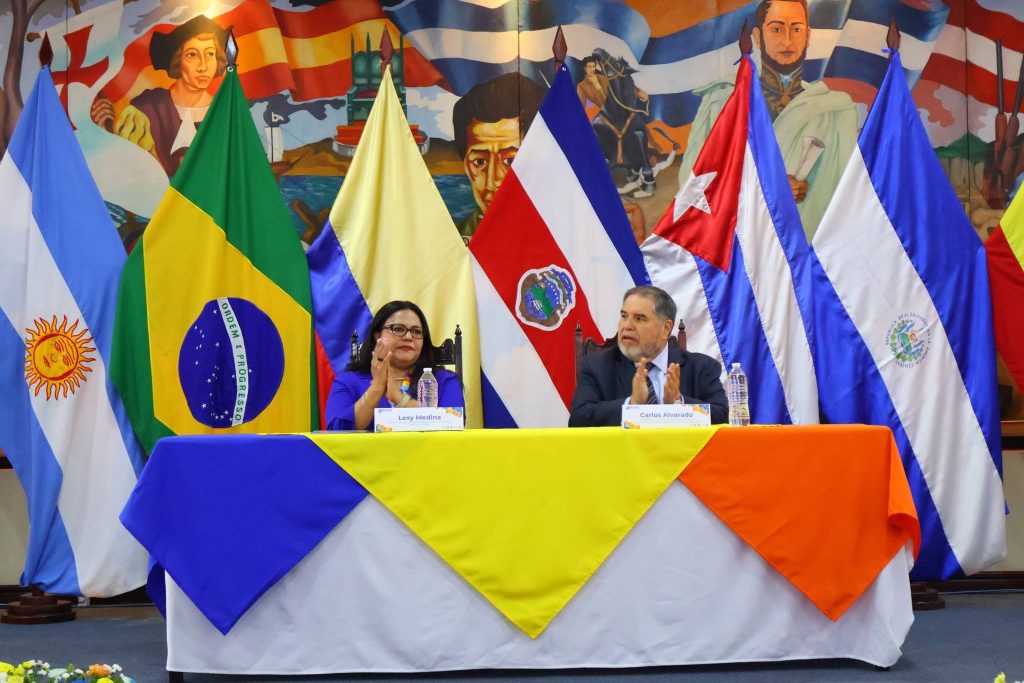
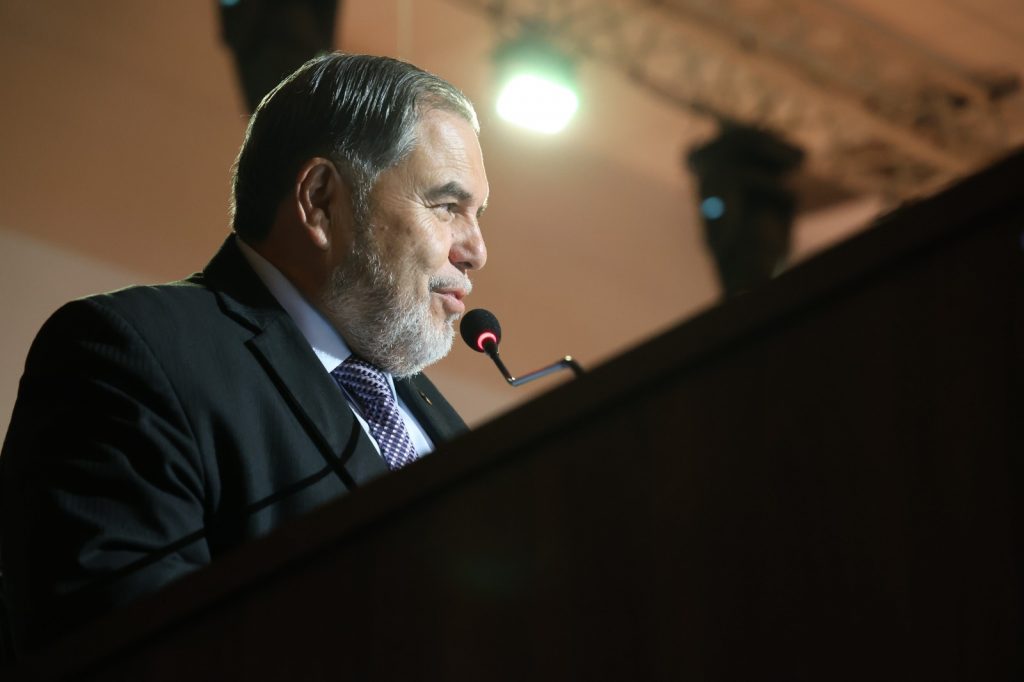
In both events, the Secretary General of CSUCA, MSc. Carlos Alvarado Cerezo, reaffirmed the General Secretariat's commitment to supporting the new presidencies and continuing to strengthen the collaborative work of the region's universities. He emphasized the importance of maintaining the systems' agendas as spaces for cooperation and regional integration, aimed at strengthening the quality of higher education, research, human talent development, and generating responses to the challenges facing Central America and the Caribbean.

SICEVAES: continuity of the regional commitment to the quality of public higher education

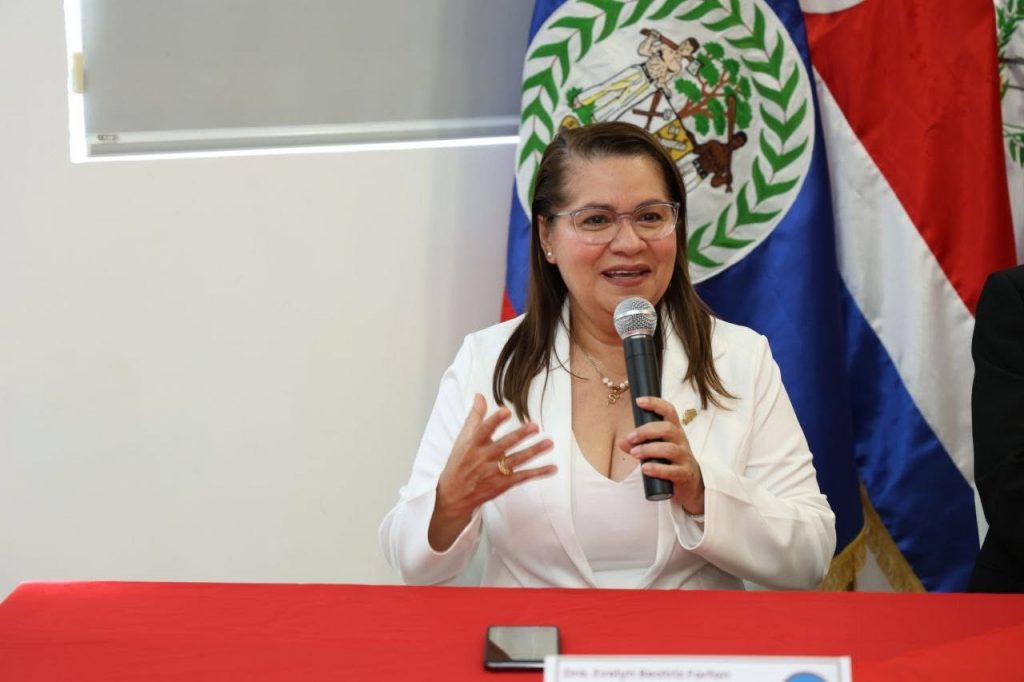
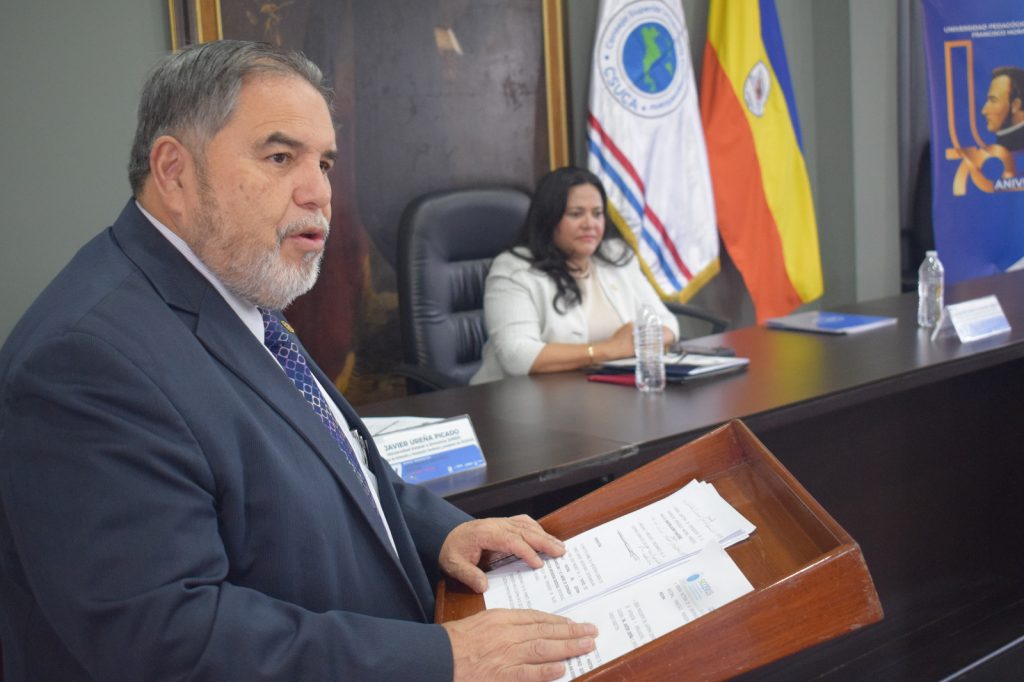
MA Brenda Marroquín, Director of Teaching at USAC, handed over the Presidency of SICEVAES to Dr. Evelyn Farfán, Academic Vice-Rector of UES, who will be in charge of the system during the period July 2026–June 2027.

At the conclusion of her term, MA Brenda Marroquín highlighted the progress achieved in academic harmonization, quality assurance, and regional academic integration, and reaffirmed that the quality of higher education constitutes an ethical, social, and regional commitment. In this regard, she called for continued strengthening of cooperation, the exchange of experiences, and the building of agreements, emphasizing that quality must be consolidated as an institutional culture based on continuous improvement, innovation, transparency, and social commitment.

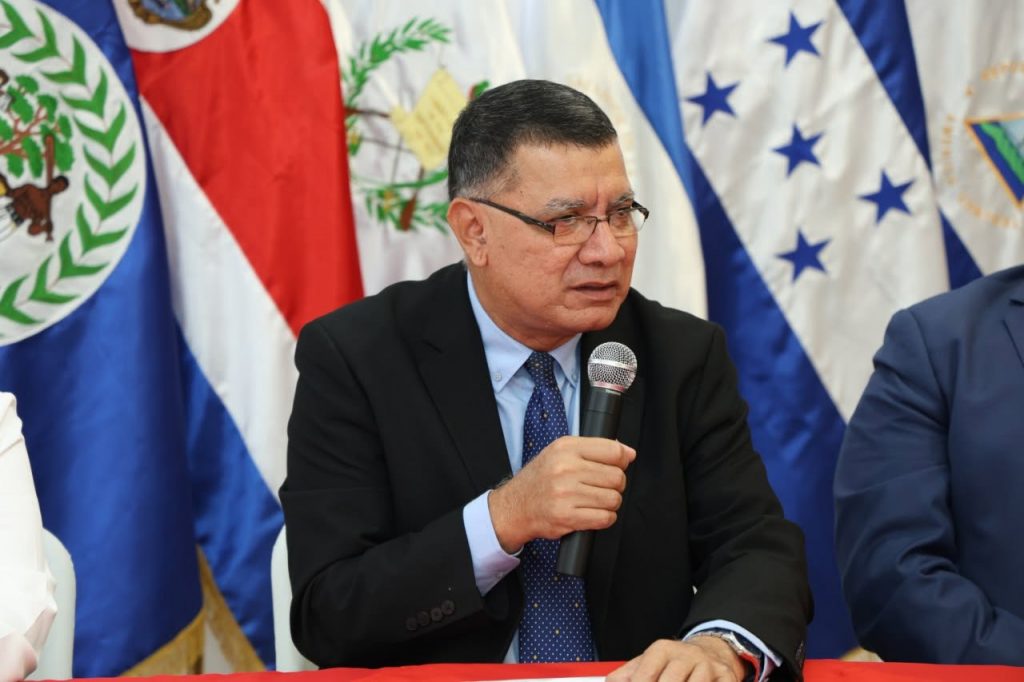
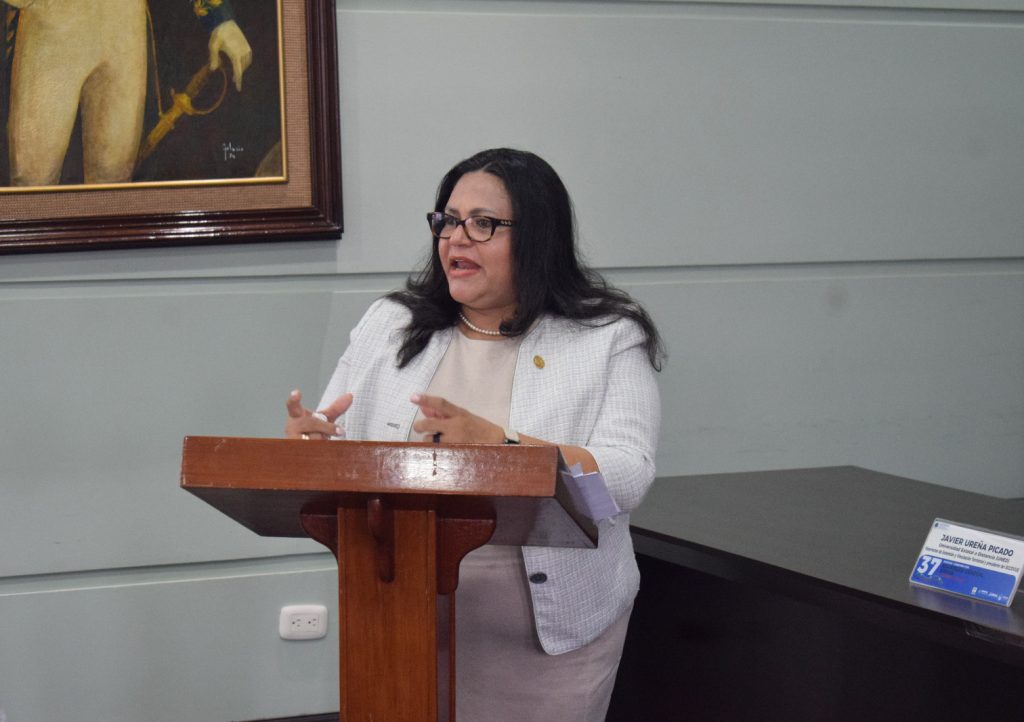
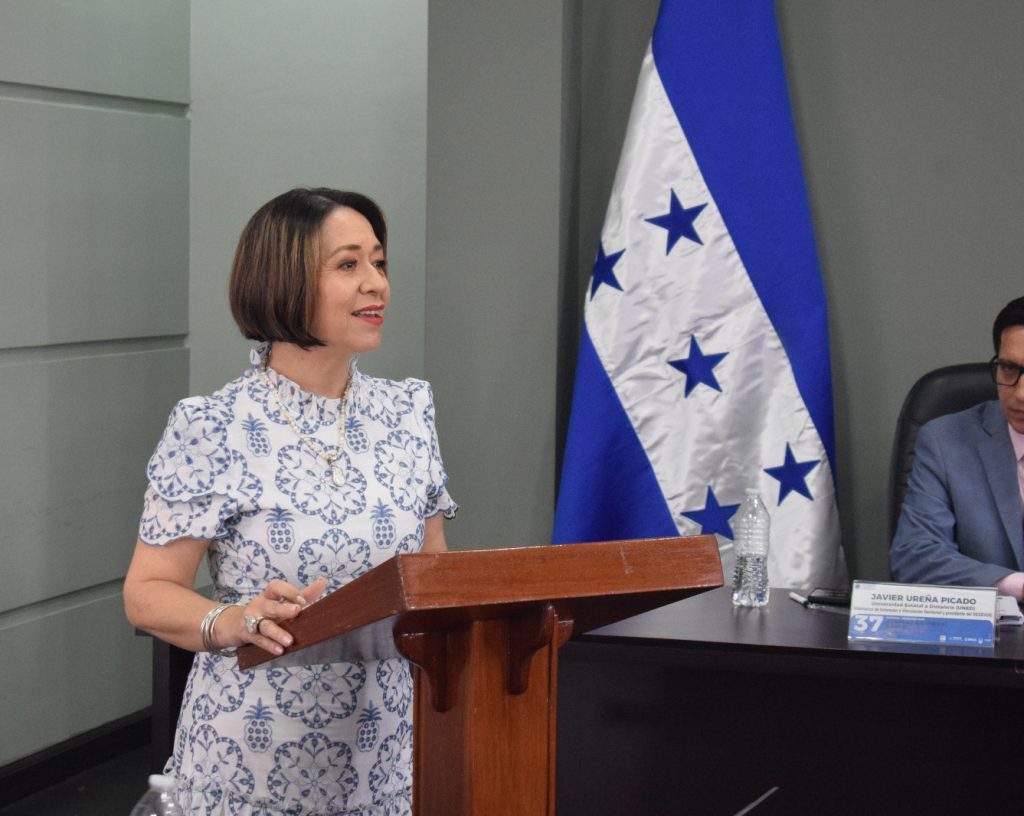
For her part, Dr. Evelyn Farfán thanked the previous administration for its work and expressed her commitment to continue promoting joint actions to achieve the objectives of SICEVAES.

Among the processes that the new Presidency will oversee is the preparation of the 10th Central American University Congress, to be held from October 19 to 22, 2027, in Tegucigalpa, Honduras. SICEVAES will play a significant role in this process, which will allow for the evaluation of progress on the Fifth Plan for the Integration of Higher Education in Central America and the Dominican Republic (PIRESC V) and the development of proposals to address the current transformations and challenges in higher education.

SIRCIP: an active system with a regional agenda underway

Dr. Alice Burgos Paniagua, from USAC, handed over the Presidency of SIRCIP to Dr. Óscar Ovidio Cabrera Melgar, Postgraduate Secretary of UES, who assumed leadership of the system for a period of one year.

Upon handing over the Presidency, Dr. Alice Burgos highlighted that the new administration is receiving an active system, with a defined regional agenda, important agreements underway, and a university community willing to continue working collectively.

Among the advances achieved during his administration, he highlighted the Regional Research and Postgraduate Agenda; the CRIS-CSUCA Regional Strategy for university scientific management; the strengthening of regional postgraduate programs; the development of the Regional Observatory of Scientific Research and Postgraduate Programs; as well as the work on the ethical and responsible use of artificial intelligence in research.

Dr. Alice Burgos highlighted that these advances are the result of the collective and coordinated work of the universities, which allows the region to expand its capacity to research, train, innovate and transform.

Upon assuming the Presidency, Dr. Óscar Cabrera reaffirmed the UES's commitment to research, science, and postgraduate studies as pillars for addressing the region's needs. For this new phase, he outlined three priorities: strengthening regional research focused on challenges such as climate change, food security, public health, governance, and social equity; enhancing postgraduate programs and advanced training; and strengthening internationalization and cooperation with international research networks.

The transition continues in the CSUCA systems

The transfers of the presidencies of SICEVAES and SIRCIP are part of the institutional succession process derived from the CSUCA Presidency, which is currently held by the University of El Salvador, under the leadership of its Rector, M.Sc. Juan Rosa Quintanilla.

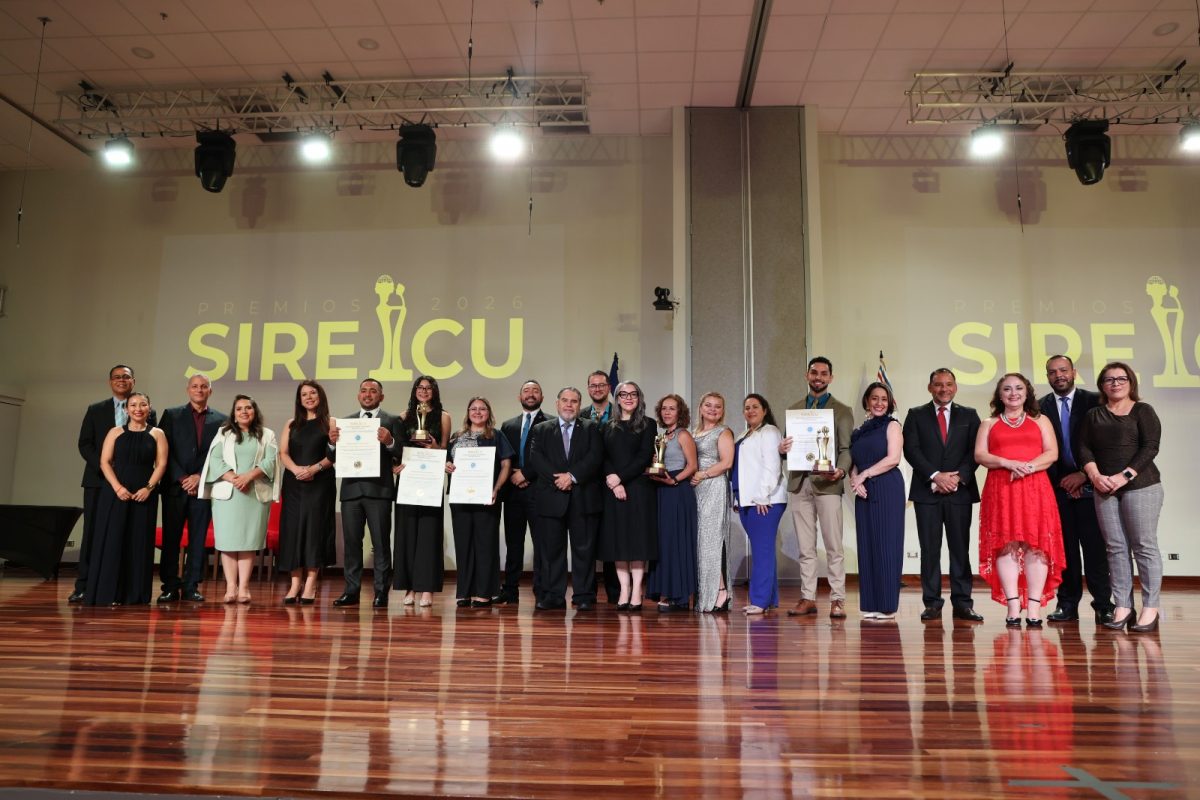
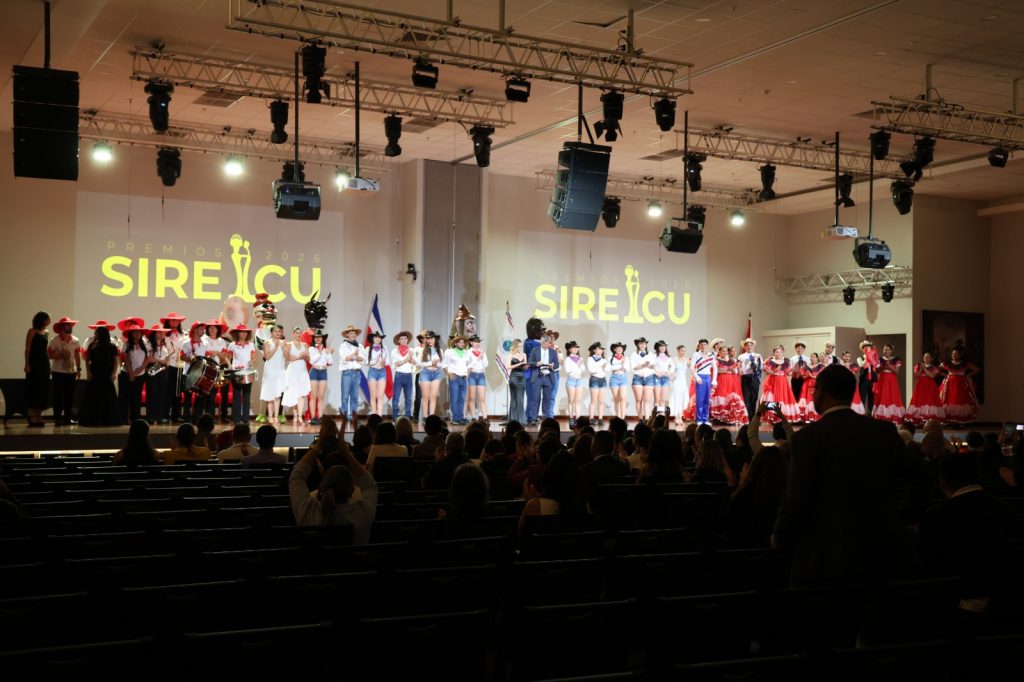
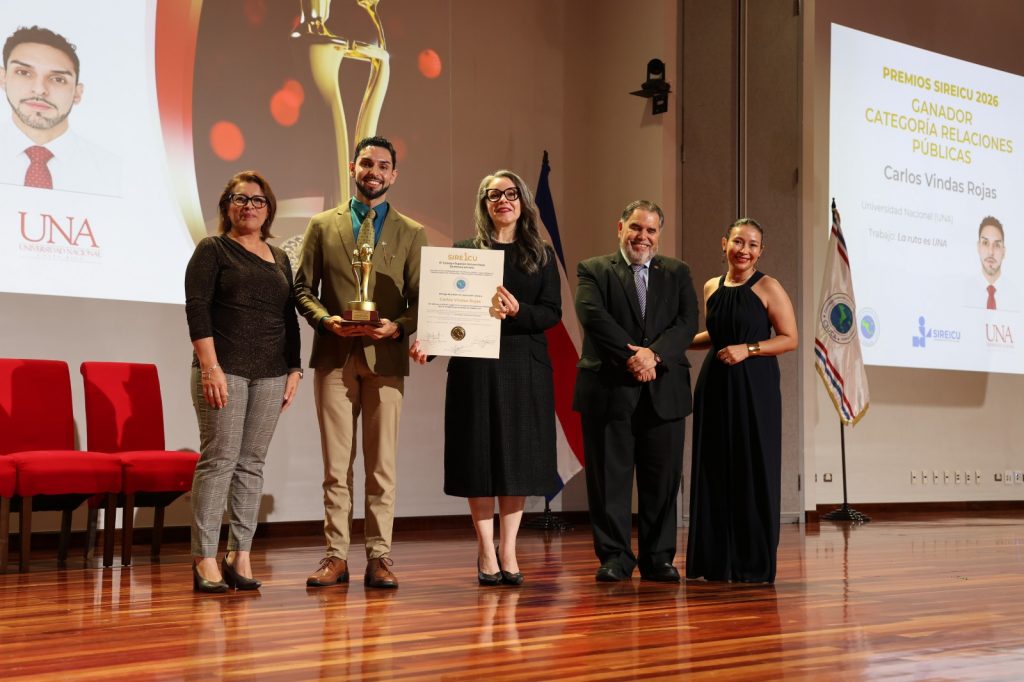
As part of this process, the transfer of the presidencies of the Central American Higher Education Internationalization System (SIESCA) and the Regional University Information and Communication System (SIREICU) is still pending. In the case of the latter, the transfer will take place during the XIII SIREICU General Assembly.

These changes allow for continuity in the work agendas of the systems and strengthen the articulation of member universities around the priorities of higher education in Central America and the Caribbean.

CSUCA projects the future of higher education with the X Central American University Congress

The Central American Higher University Council (CSUCA), during its 128th Ordinary Session, approved the call for the 10th Central American University Congress (10 CUC), initiating the process of organizing one of the main regional spaces for analysis, reflection and construction of proposals of the Central American University Confederation, which will guide the future of higher education in Central America and the Caribbean with a vision towards the year 2036.

Under the motto “University, region and future: towards a transformative higher education 2036”, the X Central American University Congress will promote a broad process of academic and strategic reflection that will allow the evaluation of the progress of the Fifth Plan for the Integration of Higher Education of Central America and the Dominican Republic (PIRESC V) and build collaborative proposals that respond to the academic, scientific, social, technological and environmental challenges that the region faces.

The Central American University Congress is held every five years and is the main meeting place for the higher education institutions that are members of the Central American University Confederation to analyze the progress of university integration, strengthen regional cooperation and define the priorities that will guide the development of higher education during the next decade.

Honduras will host the 10th Central American University Congress

As part of the agreements reached in that session, the plenary unanimously approved that the Francisco Morazán National Pedagogical University (UPNFM), of Honduras, be the host institution of the X Central American University Congress, with the support of the National Autonomous University of Honduras (UNAH), the National University of Agriculture (UNAG) and the National University of Forest Sciences (UNACIFOR), consolidating a joint effort of the Honduran public universities for the organization of this important regional meeting.

The formation of the Organizing Committee was also approved. This committee comprises the President of CSUCA, the General Secretariat of CSUCA, the Rector of UPNFM (the host university), the rectors of the Honduran public universities participating in the organization, and two student representatives appointed by the Federation of University Students of Central America (FEUCA). Similarly, the formation of an Academic Committee was agreed upon. This committee will be made up of the presidents of CSUCA's regional systems, and its convening will be coordinated by the Academic Directorate of the General Secretariat of CSUCA.

The preparatory process includes pre-congress activities during the first half of 2027, which will foster spaces for analysis, dialogue, and the development of proposals from universities and the regional systems of the CSUCA (Central American University Council). The Final Plenary of the 10th Central American University Congress will take place from October 19 to 22, 2027, bringing together university authorities, student representatives, academic staff, and specialists to define the strategic guidelines that will strengthen regional public higher education with a vision toward 2036.

With the approval of this call, CSUCA reaffirms its commitment to university integration and the collective construction of a regional agenda that strengthens public higher education, promotes cooperation among universities, and contributes to the sustainable development and well-being of the peoples of Central America and the Caribbean.

CSUCA successfully concluded FICCUA 2026, strengthening regional integration through art and culture

Tegucigalpa, Honduras, July 31, 2026.

The Central American Higher University Council (CSUCA) successfully concluded the XIII edition of the Central American Interuniversity Festival of Culture and Art (FICCUA 2026), held from July 27 to 31 at the National Autonomous University of Honduras (UNAH), consolidating this space as the main regional meeting of art, culture and university integration in Central America and the Caribbean.

For five days, hundreds of student artists from public universities in the region shared stages, experiences, and cultural expressions that reflected the richness, diversity, and identity of the Central American and Caribbean peoples, promoting exchange between university communities and strengthening the cooperative ties that distinguish CSUCA.

The opening ceremony brought together university authorities from the region, who emphasized the role of art and culture as fundamental pillars of students' holistic education and as tools for strengthening regional identity, coexistence, and integration among public universities. The Festival began with a colorful parade of artistic delegations and the presentation of the opening work, "Tierra Viva" (Living Earth), a performance inspired by the rich Honduran culture and the diversity that characterizes Central America and the Caribbean.

Throughout the Festival, more than 1,100 student artists, from 12 public universities in Panama, Guatemala, El Salvador, Costa Rica and Honduras, participated in presentations of dance, music, theater, visual arts and other cultural manifestations, reaffirming the commitment of higher education institutions to the promotion of art, creativity and cultural heritage as essential components of university education.

As one of the flagship programs of the CSUCA Regional Student Life System (SIREVE), FICCUA continues to consolidate itself as a space that transcends the scenarios, by strengthening the sense of regional belonging, respect for cultural diversity and the exchange between university communities, contributing to the construction of a more integrated Central America and Caribbean from public higher education.

The Festival coincided with the One Hundred and Twenty-Eighth Ordinary Session of the CSUCA and the Summit of Rectors, making Honduras the meeting point for important academic, cultural and regional integration spaces that reaffirmed the commitment of public universities to the development of higher education and university cooperation.

At the close of this thirteenth edition, CSUCA announced that the XIV edition of the Central American Interuniversity Festival of Culture and Art (FICCUA) will take place in 2028, hosted by the University of San Carlos of Guatemala (USAC), which will welcome the regional university community to continue this space that, edition after edition, strengthens the integration of Central America and the Caribbean through art, culture and student life.

CSUCA accompanied UNACIFOR in the launch of its institutional self-evaluation process for accreditation purposes

Siguatepeque, Honduras, July 31, 2026

The Central American Higher University Council (CSUCA), through the Central American System for Evaluation and Harmonization of Higher Education (SICEVAES), accompanied the National University of Forest Sciences (UNACIFOR), of Honduras, in the official launch of its Institutional Self-Evaluation Project with a view to accreditation, an initiative that reaffirms the institution's commitment to strengthening the quality and continuous improvement of higher education.

The activity took place on July 31, 2026 under the motto "All together for continuous improvement" and was attended by the Secretary General of CSUCA, Dr. Carlos Alvarado Cerezo, accompanied by a technical team from the General Secretariat of CSUCA, as well as university authorities, academic and administrative staff and students from UNACIFOR.

During his address, the Secretary General of CSUCA emphasized that initiating an evaluation and accreditation process represents much more than fulfilling an institutional requirement, as it entails a commitment to objectively reviewing academic, administrative, and management processes to strengthen a culture of continuous improvement. He also acknowledged UNACIFOR's decision to undertake this process and expressed his gratitude for the trust placed in CSUCA to provide technical support through SICEVAES.

Dr. Alvarado Cerezo also emphasized that the quality of higher education is a strategic pillar for ensuring relevant training, strengthening research, promoting innovation, and contributing to the sustainable development of the region's countries. In this context, he reaffirmed that SICEVAES has consolidated its role as a regional leader in promoting evaluation and accreditation processes based on academic cooperation and ongoing technical support for higher education institutions.

As part of the formal ceremony, the UNACIFOR authorities officially launched the process and swore in the Institutional Self-Evaluation Commission (Institutional Quality Committee), the body responsible for leading this participatory effort towards institutional accreditation.

The day also included the keynote address “Institutional Self-Assessment for Improvement Purposes,” given by M.Sc. Noemí Luz Navas Martínez, Executive Secretary of the Academic Area of CSUCA, who shared her experience in quality assurance in higher education and highlighted the importance of self-assessment as a tool for institutional strengthening.


As the closing of the event, the UNACIFOR Evaluation and Accreditation Directorate officially presented the project logo, a symbol that will identify the self-evaluation process during the different stages of implementation.

With this support, CSUCA, through SICEVAES, reaffirmed its commitment to continue strengthening the quality of public higher education in Central America and the Caribbean through evaluation processes, accreditation, academic cooperation and institutional innovation, contributing to the development of increasingly solid universities committed to the needs of their societies.

CSUCA develops its CXXVIII Ordinary Session with a vision of the future for regional higher education

Tegucigalpa, Honduras, July 27, 2026

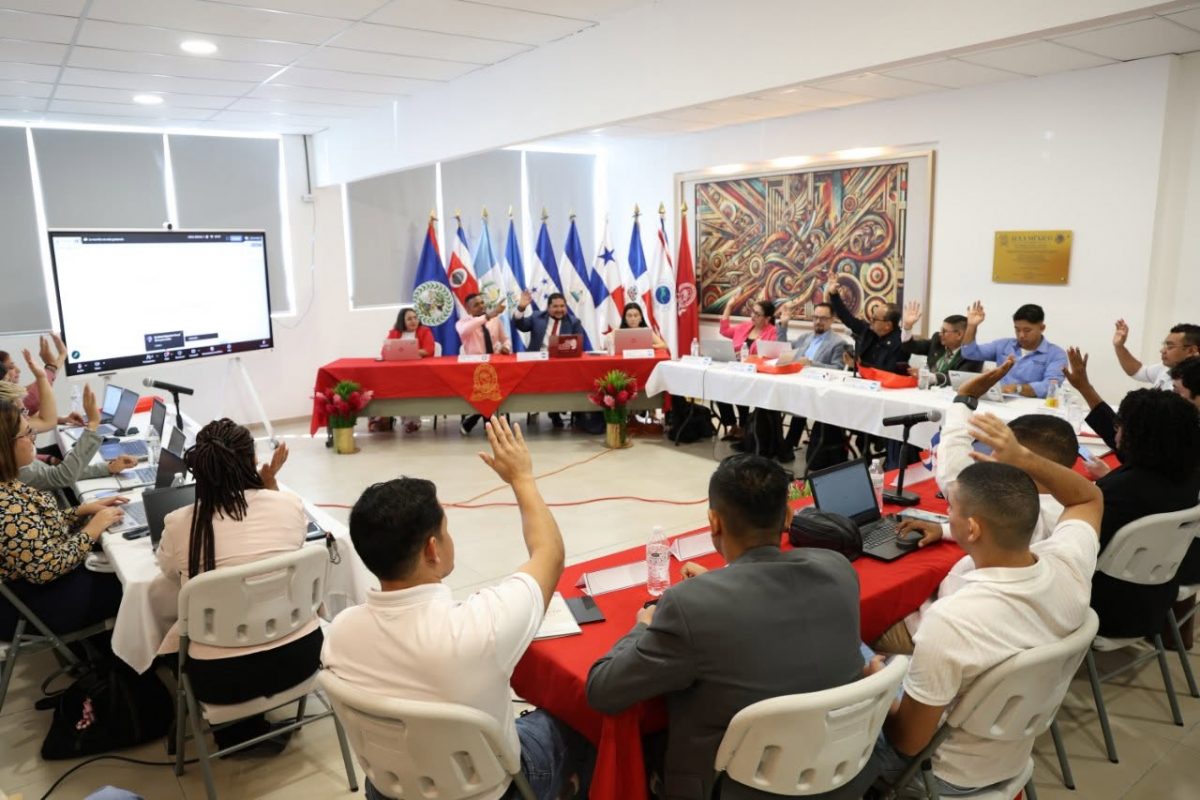
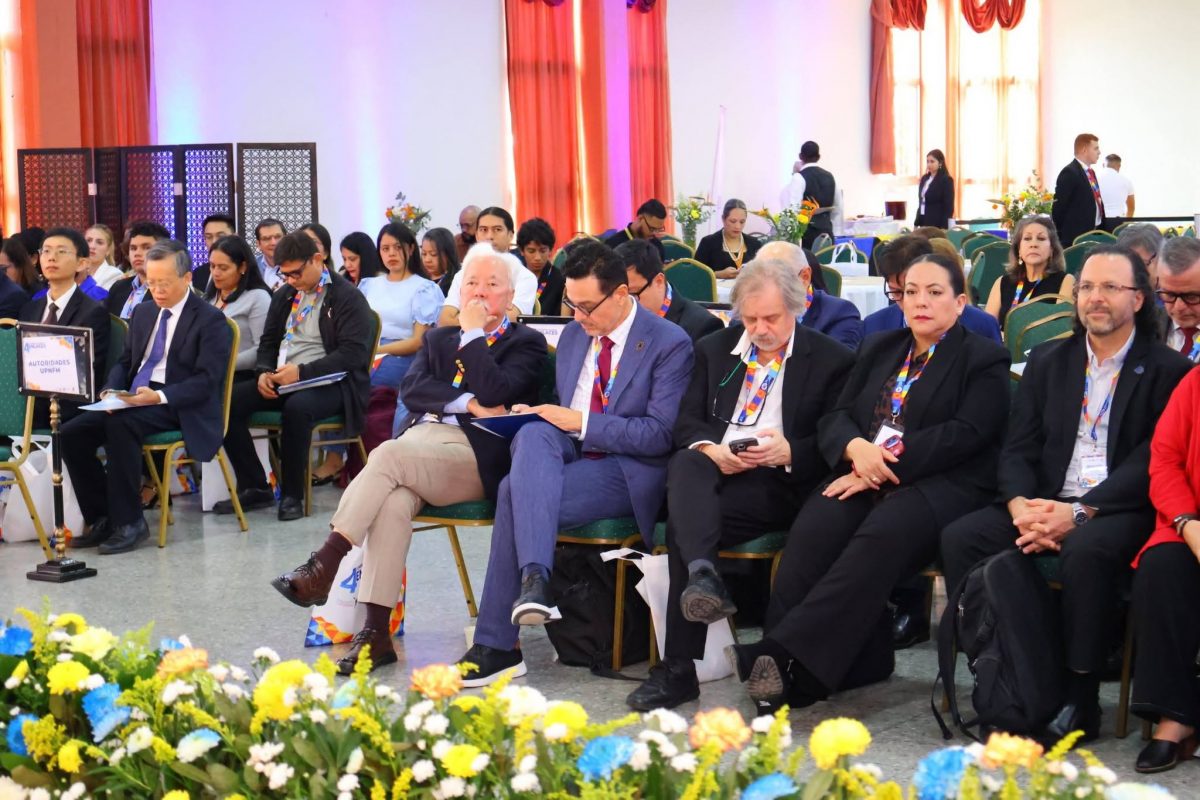
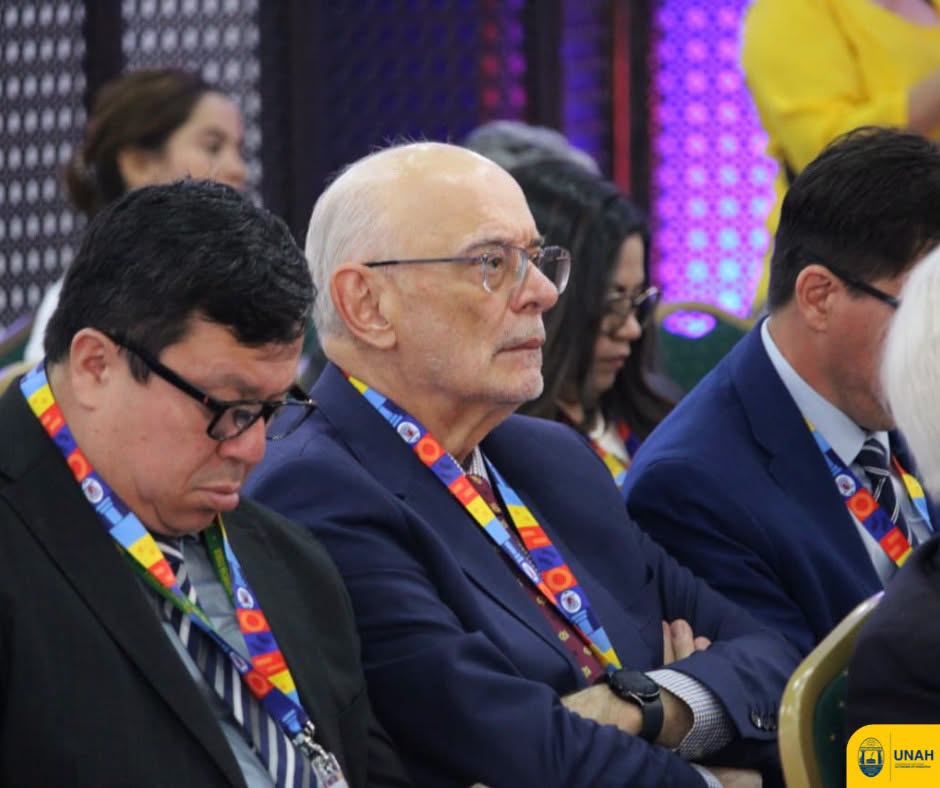
The Central American Higher University Council (CSUCA) is holding its One Hundred and Twenty-Eighth Ordinary Session today, hosted by the National Autonomous University of Honduras (UNAH). The meeting brings together the highest authorities of the public universities that are members of CSUCA, along with regional student representatives, to analyze strategic issues that guide the strengthening of higher education, university integration, and the construction of a shared vision for the future of Central America and the Caribbean.

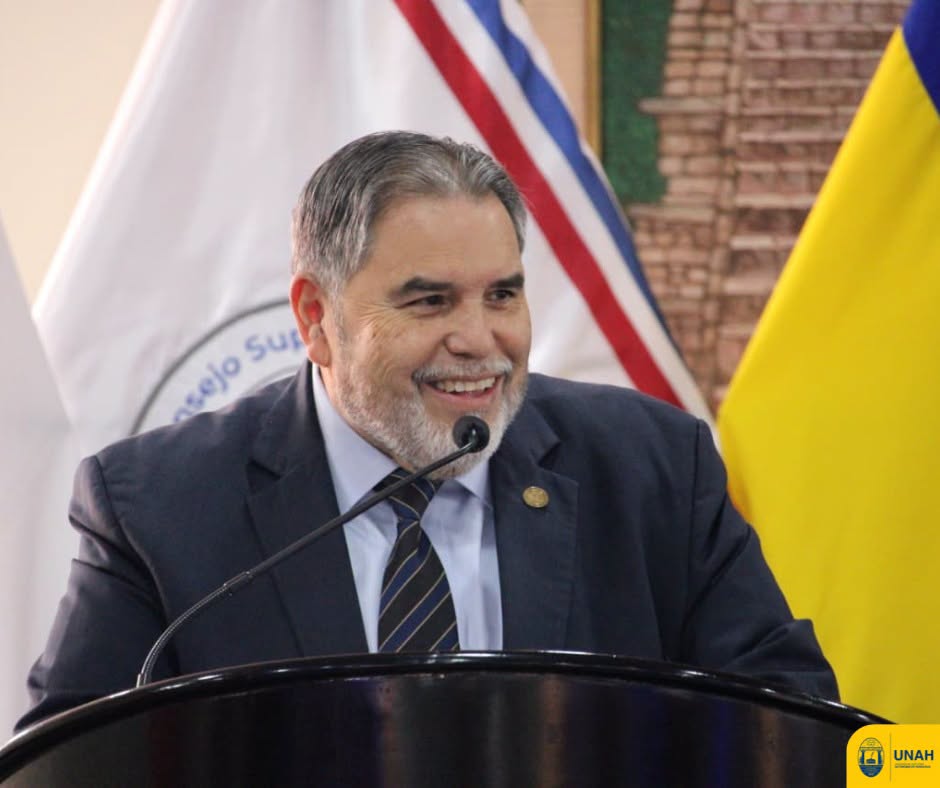
The opening ceremony began with remarks from Dr. Odír Fernández, Rector of UNAH, who stated that: “Today, the National Autonomous University of Honduras is definitely filled with pride; we have a full house, and today the unionist thought of Francisco Morazán is reflected in higher education.“He also highlighted that this week the university is hosting three important events for strengthening higher education in Central America and the Caribbean.

For his part, MSc. Carlos Alvarado, Secretary General of CSUCA, mentioned “Each session of this council represents much more than the fulfillment of an agenda; it is the expression of a regional project that, for more than 75 years, has demonstrated that university cooperation and teamwork are the most effective tools for facing the shared challenges of our societies.”, starting from the fact that in this session the bases for the development of the X Central American University Congress are defined.

Likewise, MSc. Juan Rosa Quintanilla, Rector of the University of El Salvador and President of CSUCA, stated:“Higher education is a transformative factor in societies…“In his speech, he highlighted the importance of strengthening investment in public higher education and emphasized the collaborative work promoted by universities in the region to foster integration, expand training opportunities, and contribute to the development of their societies.

During the session, the plenary session addressed an agenda focused on high-impact issues for the development of the regional university system. These included the presentation of reports from the CSUCA Presidency, the General Secretariat, and the Federation of University Students of Central America (FEUCA); the analysis of the institutional budget for 2027; the election of the Deputy General Secretary for the 2026-2030 term; the strengthening of university outreach; and the approval of regional instruments that contribute to strengthening strategic communication and crisis management in higher education institutions.

Towards the X Central American University Congress

One of the central themes of this session is the proposal to convene the X Central American University Congress (X CUC), the main regional space for analysis, reflection and building agreements of the Central American University Confederation, which periodically brings together higher education institutions to evaluate the progress of university integration and define the priorities that will guide the development of higher education in the coming years.

The proposal suggests that this tenth edition should promote a broad regional reflection process under the theme "University, region and future: towards a transformative higher education 2036", taking as a starting point the evaluation of the Fifth Plan for the Regional Integration of Central American Higher Education (PIRESC V) and the construction of an agenda that responds to the academic, scientific, social, technological and environmental challenges facing the region.

Summit of Rectors promotes regional dialogue

As part of the activities surrounding this meeting, the CSUCA Rectors' Summit will take place on Tuesday, July 28. This summit is conceived as a forum for academic and strategic dialogue among the highest university authorities of Central America and the Dominican Republic. Under the theme "The Public University: Engine of Development and Integration in Central America," this meeting promotes reflection on the role of public universities in addressing present and future challenges, as well as the exchange of experiences and the development of joint proposals to strengthen regional cooperation, innovation, university autonomy, and the commitment of higher education to the sustainable development of the Central American peoples. As a result of this dialogue, the groundwork will be laid for activities leading up to the 10th Central American University Congress.

FICCUA 2026 begins

Simultaneously, the Central American Interuniversity Festival of Culture and Art (FICCUA 2026) also begins this Monday, with its opening ceremony taking place at the National Autonomous University of Honduras. This regional event brings together student artists from CSUCA member universities to promote cultural exchange, strengthen Central American identity, and recognize art and culture as essential components of a well-rounded university education. Details of this important event will be covered in a separate publication.

The CXXVIII Ordinary Session reaffirms CSUCA's commitment to an articulated, relevant and innovative public higher education, capable of promoting regional solutions to common challenges and consolidating university integration as an engine for sustainable development, well-being and social transformation in Central America and the Caribbean.