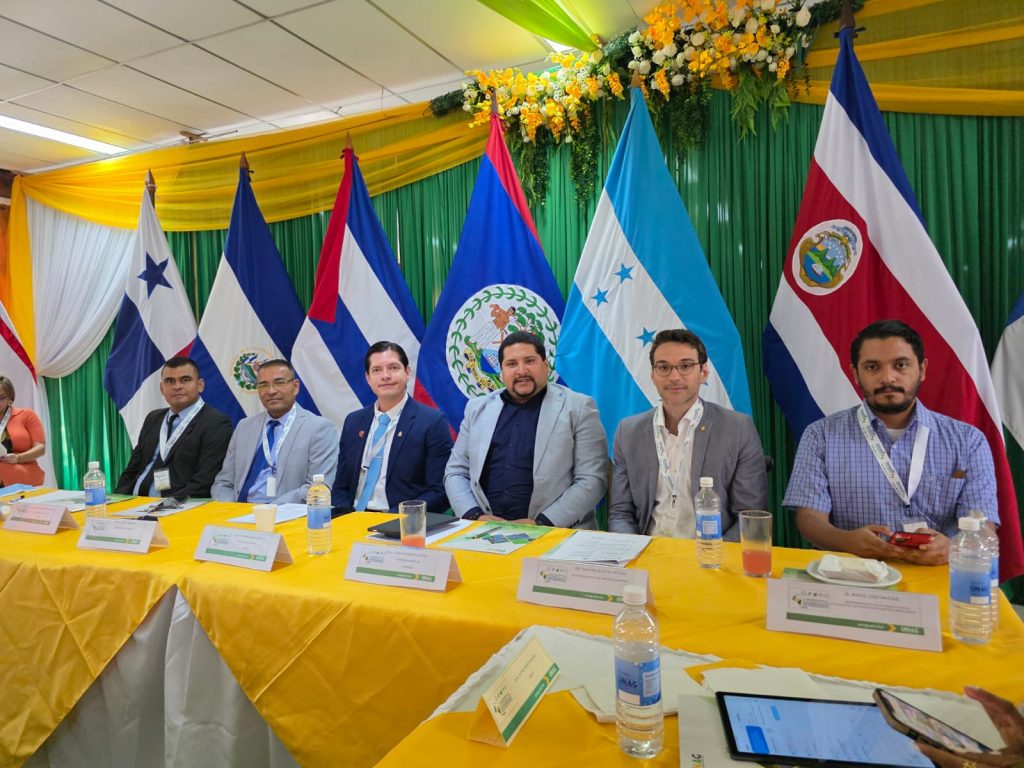
Presentation of ENLACES at the CXXV Ordinary Session of the CSUCA

Tegucigalpa, Honduras, November 21, 2025

Within the framework of the one hundred and twenty-fifth Ordinary Session of the Central American Higher University Council (CSUCA), the presentation of the Latin American and Caribbean Space for Higher Education (ENLACES) was carried out, an international organization that articulates networks, associations and institutions of higher education in Latin America and the Caribbean to strengthen academic integration and regional cooperation.

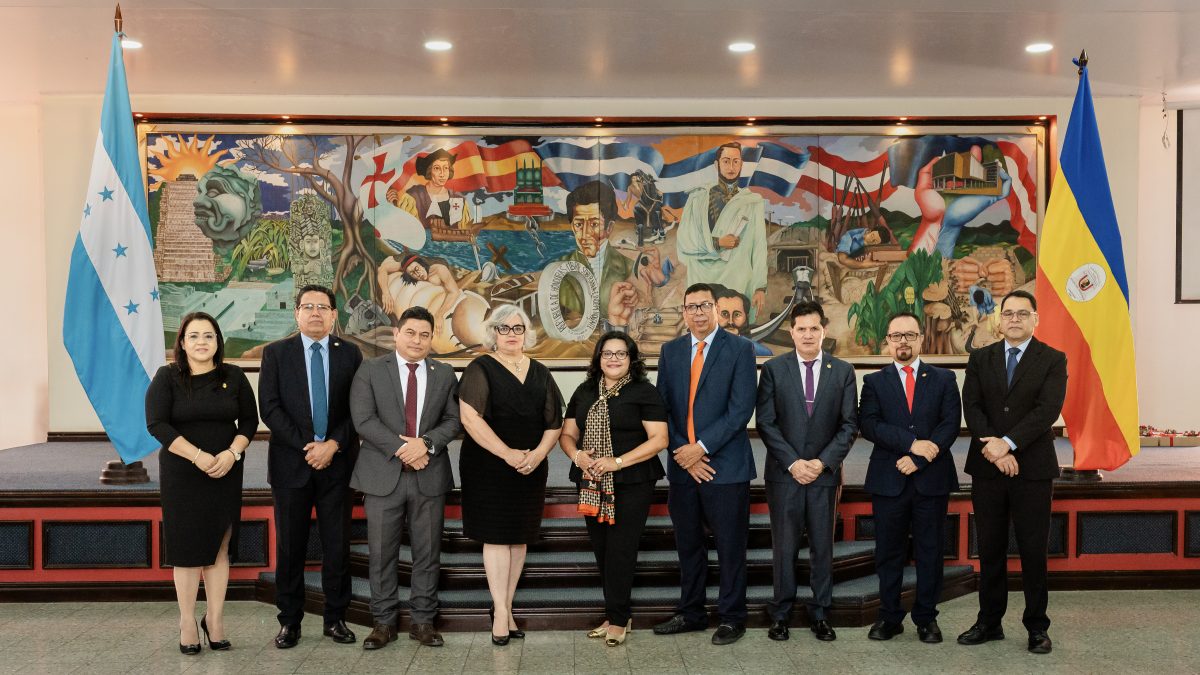
The activity took place at the Francisco Morazán National Pedagogical University (UPNFM) and was inaugurated by MSc. Lexy Medina, Rector of the UPNFM, who highlighted that “Building a common knowledge space requires the active participation of our universities, committed to the challenges of the present and to the vision of a more integrated regional future.”.

Meanwhile, Professor Isabel Rojas, representing the Presidency of CSUCA and the University of San Carlos of Guatemala, emphasized the importance of “to advance regional initiatives, recognizing the particularities of Central America and the strength with which the region has managed to position itself as a proactive actor in international spaces”.

The president of the Federation of University Students of Central America and the Caribbean (FEUCA), Bachelor Mario Macia, highlighted the role of university youth in these processes, noting that “FEUCA is not indifferent to the risks facing the region; we are here to strengthen student participation and work together for the common good.”.

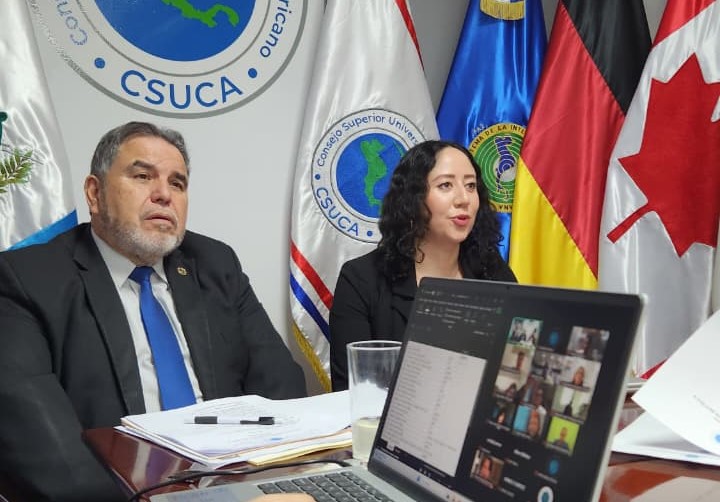
The Secretary General of CSUCA, MSc. Carlos Alvarado Cerezo, emphasized that “The way forward is to unite: to work collectively and with solidarity to respond to the hopes that our societies place in the region's public universities..”

He added that these spaces are vital for “Listen to observations, doubts and contributions with total independence and confidence, because integration is built with real participation”.

For his part, Dr. Fernando Sosa, executive secretary of ENLACES, recalled the long road traveled to consolidate this continental project and stressed that “ENLACES is the result of a dream sustained for years: to build a common academic space for Latin America and the Caribbean, articulating networks and wills that today materialize with a continuous work that already exceeds a decade”.

Dr. Álvaro Rico, executive secretary of the Montevideo Group Association of Universities (AUGM), welcomed the Council, highlighting that AUGM, comprised of 51 universities from seven countries, shares the vision of defending higher education as a human right and a duty of states. He stated that “The joint path with CSUCA has been fruitful, advancing towards a Latin American and Caribbean space for higher education that articulates our networks and strengthens the common objectives of the continent”.

Dr. Elizabeth Bernal Gamboa, Secretary General of the Colombian Association of Universities (ASCUN), emphasized that “In any international space, it is essential to consider the particularities of Central America, because they provide a strategic vision and a key transformative force for the region.”. He also shared the reasons why the CEO of ASCUN could not attend, reiterating the association's commitment to regional integration and to the work of ENLACES.

Presentation of the Latin American and Caribbean Higher Education Space (ENLACES)

The ENLACES executives outlined their main priorities:

  • Background: from CRES 2008 to the approval of its statutes.
  • Nature, purposes and principles: articulation of organizations and networks for the development of the common space of knowledge.
  • Strategic objectives: strengthening integration, academic mobility, educational quality and regional research.
  • Membership and integration: participation in national and regional networks, including CSUCA, AUGM, ASCUN and other associations.
  • Internal organization that supports the technical and political work of the space.

Featured actions of ENLACES

  • First General Conference: National University of Córdoba, Argentina (June 2018).
  • Second General Conference: University of Cartagena, Colombia (June 2022).
  • Consolidation of thematic commissions, mobility, cooperation and research networks.

Regional commitment

CSUCA reaffirmed with conviction that integration not only strengthens universities, but also positions Central America and the Caribbean as a solid, articulated actor with its own voice within the Latin American and Caribbean space of higher education, reaffirming its leadership in regional academic integration during the presentation of ENLACES at the CXXV Ordinary Session of CSUCA.

125th Ordinary Session of the Central American Higher University Council (CSUCA)

Tegucigalpa, November 20, 2025

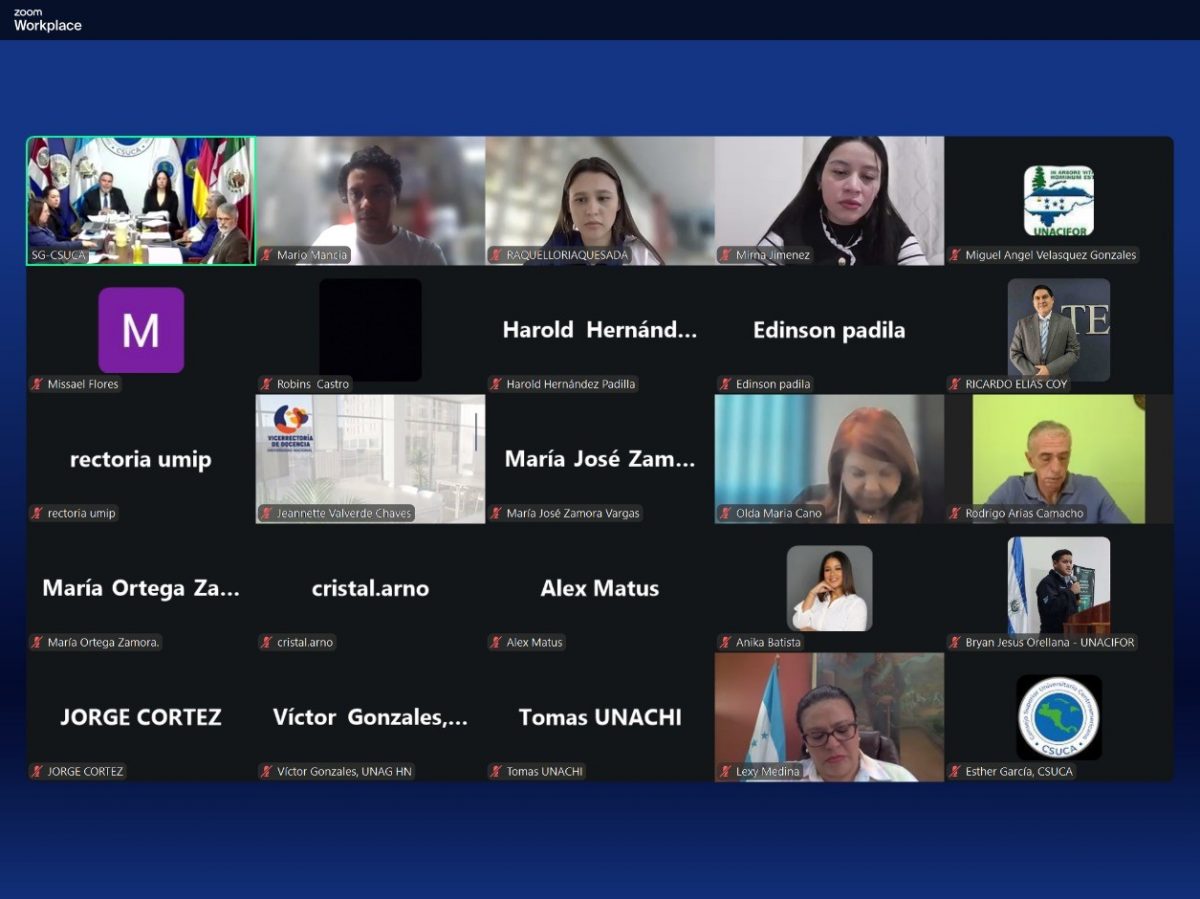
Today, at the facilities of the National Autonomous University of Honduras (UNAH), the one hundred and twenty-fifth Ordinary Session of the Central American Higher University Council (CSUCA) is inaugurated, a space that brings together the highest university authorities and the regional student presidencies, to strengthen academic integration and advance in shared institutional priorities.

The opening ceremony included remarks from Dr. Odir Fernández, Rector of UNAH, who extended a warm welcome to the university he represents, the venue for this ordinary session, and noted “The purpose of these council sessions has been to promote the institutional development of our universities, to promote the harmonization of their curricula, to facilitate academic exchange, to study regional problems, and above all to defend quality higher education, as an indispensable partner that must exist in these spaces.”.

Meanwhile, teacher Isabel Rojas, representing the Presidency of CSUCA, mentioned “A warm greeting from the Rector's Office of the University of San Carlos of Guatemala. It is an honor to be with you and to share in this meeting between universities, which allows us to further the academic development of our countries, promoting future integration through the decision-making that takes place at this table.

For his part, MSc. Carlos Alvarado Cerezo, Secretary General of CSUCA, indicated “This CSUCA session takes place in a context full of challenges and opportunities for our institutions. We are at a key moment to consolidate progress, evaluate our processes, strengthen our regulations, and continue to commit to regional integration as a way to enhance our institutional capacities.”.

The session officially began with the verification of quorum and the approval of the day's agenda. Following this, the plenary approved the minutes of the 124th Ordinary Session held on June 2, 2025.

The institutional reports were then presented:

  • Report of the Presidency of the CSUCA
  • FEUCA report, which outlined the actions of the student movement in the regional sphere.
  • Report from the General Secretariat of CSUCA

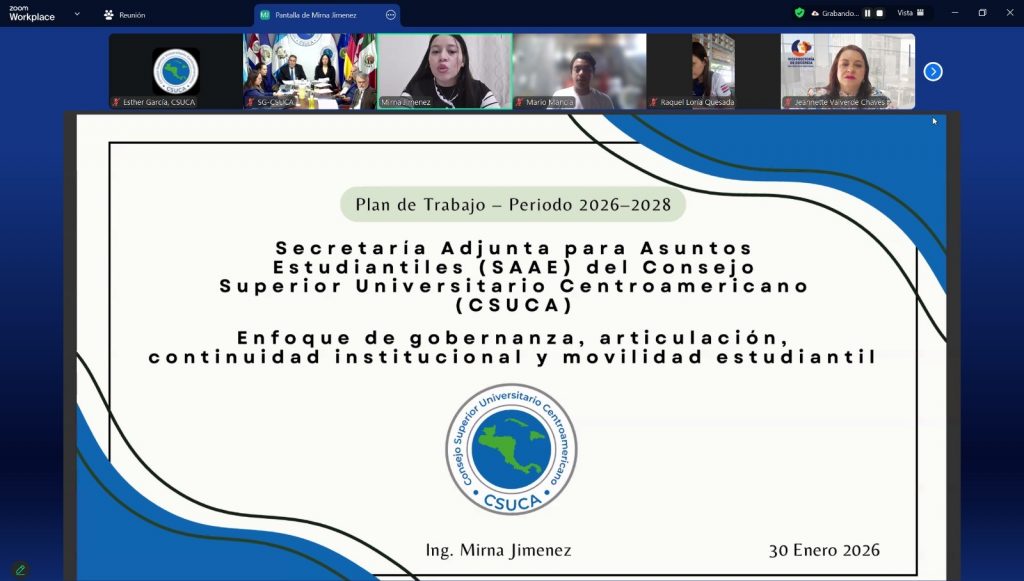
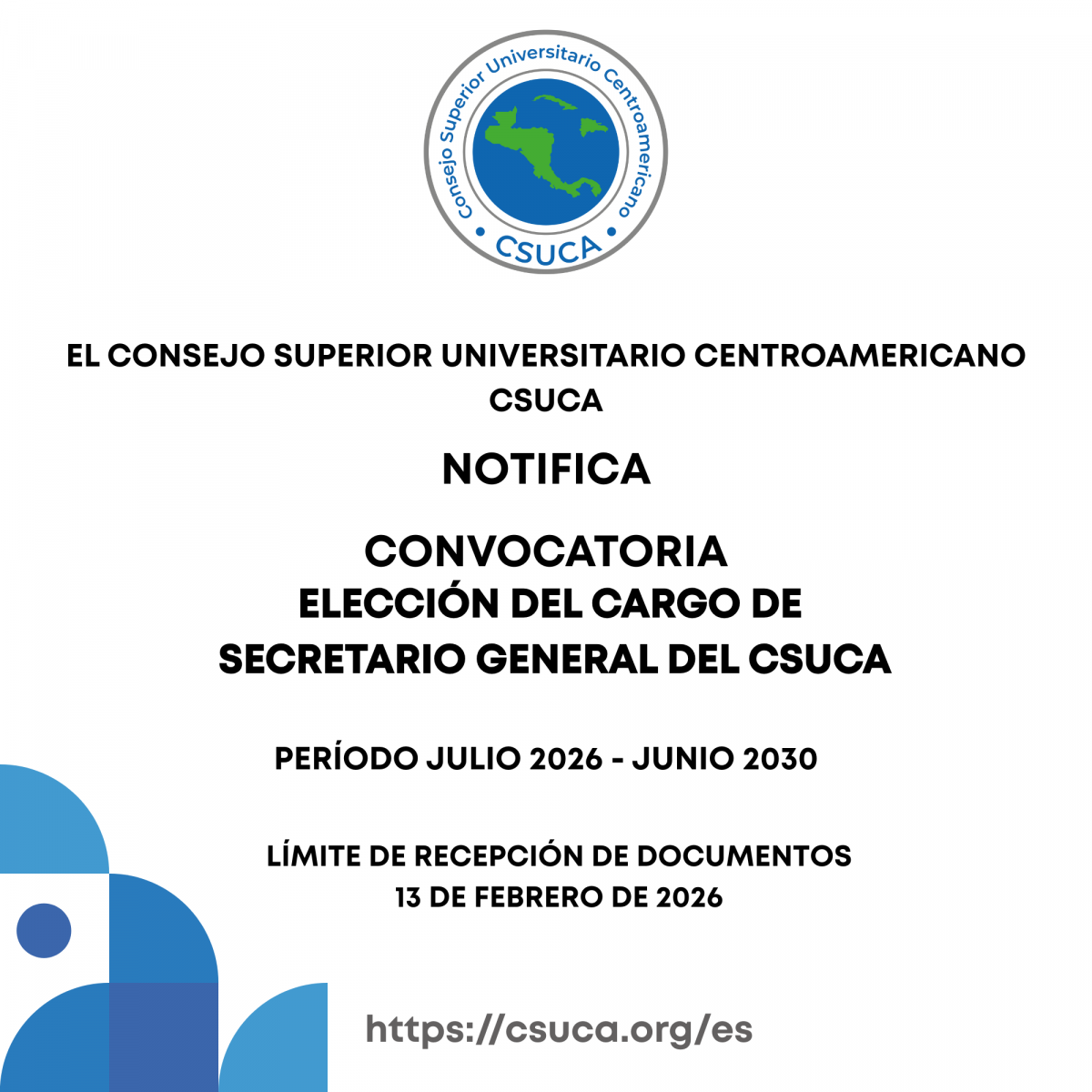
One of the topics discussed, with the aim of strengthening the work carried out by the General Secretariat, was the extension of the call for nominations to elect the Deputy Secretary for Student Affairs (SAAE) for the 2026–2028 term, setting the deadline for January 15, 2026. Also discussed was the approval of the call for nominations to elect the General Secretary of CSUCA for the 2026–2030 term.

In administrative matters, the plenary session learned of the selection of the auditing firm that will accompany the 2025 accounting period, reaffirming the commitment to transparency and accountability.

Another point addressed was the report on the Central American University Sports Games (JUDUCA) and the activities of SIREVE, led by UNAH.

In the area of institutional integration, the request of the Higher Technical Community Institute to join as a full member of CSUCA was discussed, thus strengthening the regional network of higher education, and the incorporation of said institution was approved, bringing the total to 28 public universities that make up the Central American University Confederation.

Subsequently, the CSUCA General Secretariat's Work Plan for 2026 was presented, which will guide the strategic priorities for the coming year.

Among the additional points, the report of the COIL OBREAL–CSUCA course was shared, highlighting the progress in internationalization and academic cooperation.

The agenda continued with the presentation of the proposed regional research and postgraduate agenda, led by the Rector of the National University of Costa Rica, a strategic input for the articulation of regional scientific work.

Finally, the authorities reviewed the addendum to the SIREICU Regulations and presented awards to former CSUCA members as a token of appreciation for their contributions to institutional development. The meeting concluded with the selection of the venue and date for the next meeting, with the International Maritime University of Panama (UMIP) being unanimously chosen to host the 126th ordinary session of CSUCA, to be held in May 2025.

Before the day ended, a friendly reminder was given that tomorrow, at the facilities of the Francisco Morazán National Pedagogical University (UPNFM), a meeting will be held with the board of directors of ENLACES: Latin American and Caribbean Space for Higher Education.

LIX Assembly of SICEVAES

Comayagua, Honduras, November 12, 2025

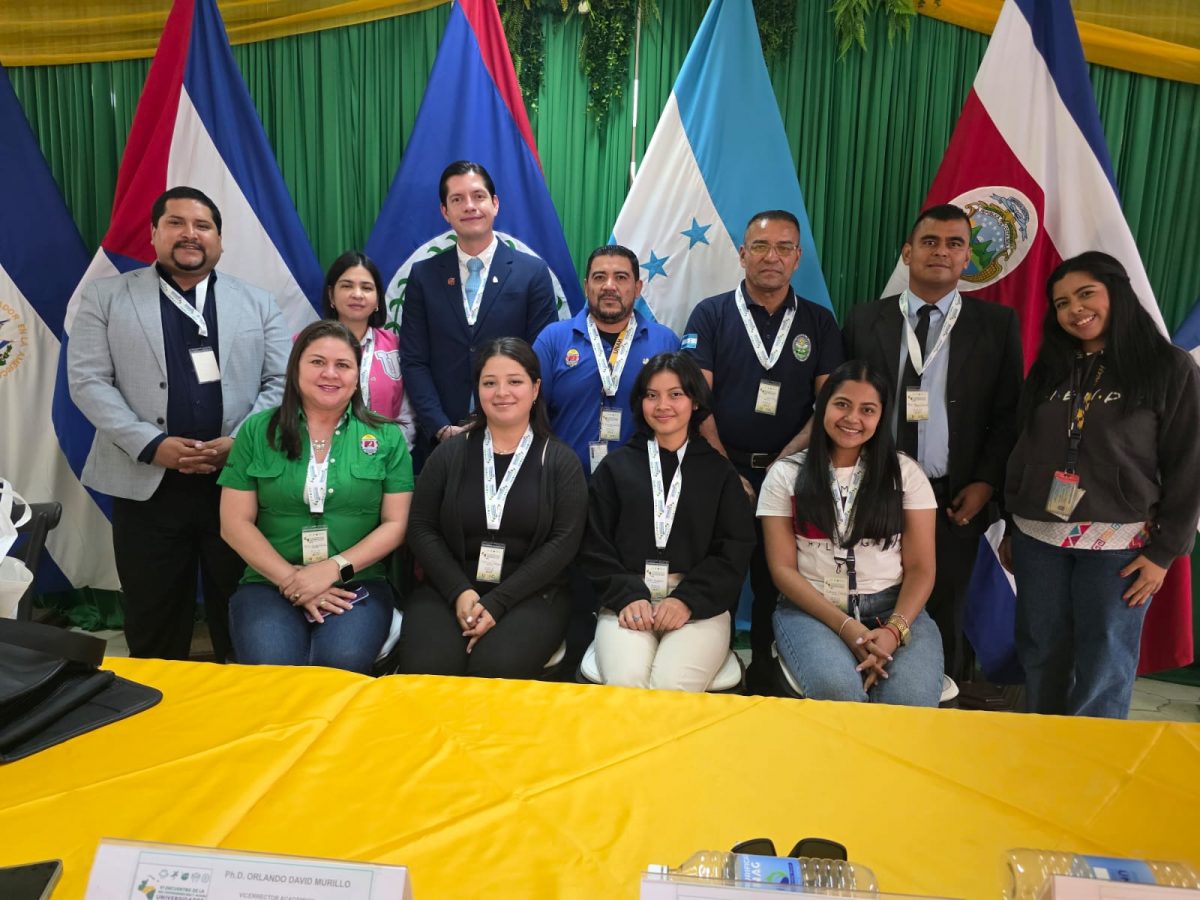
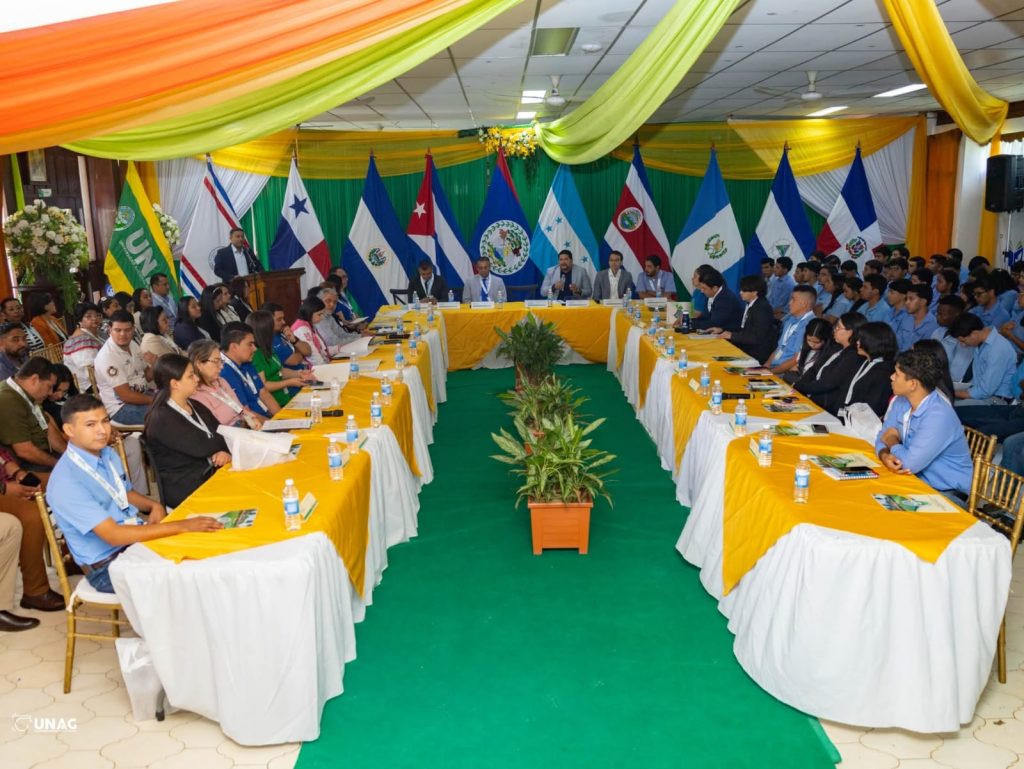
The fifty-ninth meeting of the Central American System for Evaluation and Harmonization of Higher Education (SICEVAES) is being held at the facilities of the National University of Agriculture (UNAG) in the university center of Comayagua, with the commitment to continue promoting a relevant, innovative higher education that is aligned with the demands of regional development.

The meeting, which takes place from November 12 to 14, brings together representatives of the Regional Coordination Committee (CCR) and the Technical Commission (CT) of SICEVAES, along with university authorities and academic teams from the public universities that make up the Central American Higher University Council (CSUCA).

During the opening, authorities from UNAG, CSUCA and SICEVAES highlighted the importance of this joint workspace that allows progress towards quality higher education, with a regional vision and sustained by inter-university cooperation.

To begin the activity, MSc. Víctor Gonzales, rector of UNAG, gave a warm welcome to the Comayagua University Center: “Today we have the pleasure of welcoming you to this beautiful city in our beloved Republic of Honduras, a place with great wealth and high agricultural production, and this university center that has hosted the training of great academics committed to our country.”.

For his part, MSc. Carlos Alvarado Cerezo, Secretary General of CSUCA, emphasized, “Once again, I have the opportunity to reiterate that we must work collaboratively, in an integrated and supportive manner, with the hope and energy dedicated to the reconstruction of our countries, with innovative measures that will allow us to design a promising future, where common goals can be achieved above any differences.” He also thanked Rector Gonzales and his team for their hospitality and logistical support in organizing this assembly.

Meanwhile, Dr. Brenda Marroquín, president of SICEVAES, pointed out that “Educating is an act of love, therefore an act of courage; this courage is expressed in dialogue, cooperation, and the constant pursuit of excellence with a human touch. Therefore, it is our responsibility to the present and future of our people, through the training of professionals capable of transforming realities.”.

Academic exchange and educational innovation

On the first day, participants addressed strategic issues related to quality assessment, academic internationalization, and pedagogical innovation. Highlights included keynote presentations on graduate employability by representatives from the University of Texas at San Antonio, as well as the presentation of CSUCA's Regional Internationalization Policy and the experiences of collaborative international learning (COIL) in the region.

Also presented are the progress of the SICEVAES Regulation, the technical reports of the General Secretariat of CSUCA and the results of the Simple and Fruitful Innovation Network (RISYF), thus consolidating the link between quality, innovation and academic cooperation.

Second day of work

The agenda for Thursday, November 13, includes simultaneous sessions of the SICEVAES standing committees, which will work around four fundamental axes:

  • Foresight and strategic dialogue with the environment.
  • Innovation in teaching and learning for 21st-century skills.
  • Regional academic harmonization.
  • Internal management and external quality accreditation.

The closing session will include the presentation of the agreements and lines of action that will be submitted to the next SICEVAES General Assembly.

Regional commitment

SICEVAES, as a specialized system of CSUCA, promotes evaluation, quality assurance and academic harmonization in public universities in Central America, strengthening continuous improvement processes and regional academic integration.

Through the SICEVAES meeting, the regional commitment to training professionals capable of contributing to sustainable development, food security and educational innovation in the region is reaffirmed.

Development of the XXXVII Central American and Caribbean University Student Congress

Tegucigalpa, Honduras, October 25, 2025

On October 24 and 25, the thirty-seventh Central American and Caribbean University Student Congress (CEUCA) took place, a regionally relevant event that brings together student representatives from the universities that make up the Central American University Superior Council (CSUCA), with the purpose of strengthening cooperation ties, approving the new statutes of the Federation of University Students of Central America and the Caribbean (FEUCA) and electing its new Board of Directors.

The activity was carried out in a hybrid format, with in-person attendance at the Central Campus of the Francisco Morazán National Pedagogical University (UPNFM), and aims to promote student participation, university leadership and commitment to the educational and social development of the region.

The opening ceremony was attended by the Secretary General of CSUCA, MSc. Carlos Alvarado Cerezo and the Vice-Rector of Student Life of UPNFM, Dr. Bartolomé Chinchilla, who welcomed attendees and spoke about the importance of the spirit of unity, dialogue and commitment that characterizes the student community of the region.

For their part, the FEUCA delegates highlighted the importance of CEUCA as a space that fosters the exchange of ideas, the updating of its statutes, and the election of new student authorities, who will represent the voice of university students before the various bodies of the regional system.

During the Congress, participants address issues related to student organization, regional cooperation, and the challenges of higher education in the current context, seeking to strengthen youth participation in building more equitable and sustainable societies.

With this activity, CSUCA reaffirms its commitment to student leadership and the active participation of the university community, contributing to the strengthening of Central American and Caribbean integration through the development of a more supportive, democratic and inclusive higher education.

IV RISYF Workshop, a space for co-creation of teaching

San Pedro Sula, Honduras, October 28 and 29

The Francisco Morazán National Pedagogical University (UPNFM) is the venue for the IV Simple and Fruitful Innovation Workshop (RISYF) under the motto "Innovate to transform: co-creating the teaching of the future", a workshop that has the participation of project planners, managers and promoters of innovation in higher education in Central America and the Caribbean.

The meeting, organized by the Central American Higher University Council (CSUCA), the German Rectors' Conference (HRK), the Dialogue on Innovation Strategies in Higher Education in Germany (DIES) and UPNFM, aims to share experiences of teaching innovation, strengthen regional academic cooperation and collaboratively design a guidance guide for simple and fruitful innovation in university practice.

Openness and transformative purpose

The workshop will be inaugurated with words from Dr. Carlos Alvarado Cerezo, Secretary General of CSUCA; Dr. Bettina Burger-Menzel, from the Brandenburg University of Applied Sciences (Germany); and Dr. Lexy Medina Mejía, Rector of UPNFM.

During the event, dialogue, reflection and co-creation will be encouraged through activities such as the World Café, the RISYF 2024 Project Gallery and practical sessions such as "Activate your vision" and "Hands to work", where participants will exchange experiences on teaching innovation and effective methodologies for university teaching.

Co-creation of the regional innovation guide

The second day will be dedicated to the co-creation of a guidance document to innovate teaching practice in Central American higher education, a document that will serve as a reference to strengthen the impact of the RISYF model in the universities of the region.

In addition, a collaborative agenda will be developed with strategies and activities that network members can implement to continue promoting innovation from their institutions.

Space for academic integration

In addition to the working sessions, participants will visit the UPNFM Regional Center in San Pedro Sula, as part of the cultural and academic exchange activities that strengthen ties between Central American universities.

The workshop will conclude with the presentation of the RISYF guide and strategy agenda, as well as the definition of next steps to continue promoting simple and fruitful innovation as an engine of university transformation.

LIV Ordinary Session of CONREVE

Tegucigalpa, Honduras, October 22, 2025

The National Autonomous University of Honduras (UNAH) hosted the Fifty-fourth Ordinary Session of the Regional Council of Student Life (CONREVE), an organ of the Regional System of Student Life (SIREVE), held in a hybrid format, with the participation of student life representatives from public universities in Central America, the Caribbean and Panama.

The opening ceremony included speeches by Dr. Mario Arístides Contreras, Vice-Rector of Student Affairs and Guidance at UNAH; and Dr. Carlos Guillermo Alvarado Cerezo, Secretary General of the Central American Higher University Council (CSUCA), who highlighted CONREVE's role in strengthening regional university welfare policies and programs.

During the session, reports were presented from the Presidency of CONREVE, the Deputy Secretariat for Student Affairs of CSUCA (SAAE), the Federation of University Students of Central America and the Caribbean (FEUCA), as well as the results of the IX Central American University Sports Games (JUDUCA), held in Tegucigalpa, and the First Pre-FICCUA 2026 Congress, held at the same university.

The reports demonstrated the commitment of the public university system to integration, youth leadership, and the promotion of culture, health, and sports as pillars of comprehensive student development.

Projected activities and new challenges

Among the central topics were the organization of upcoming SIREVE events, including the 20th edition of the Rubén Darío Award for Academic Excellence 2025, the 6th Meeting of Health Promoting Universities (EUPS) and the First International Congress of Research and Student Engagement (CONINVE), to be held in Costa Rica.

Also, the progress of the commission reviewing the modifications to the SIREVE General Regulations was presented, and the venues and dates for the 2026 activities were approved, including:

  • The 55th Ordinary Session of CONREVE.
  • The Second Pre-FICCUA 2026 Congress.
  • The XIII Central American Interuniversity Festival of Culture and Art (FICCUA).
  • The First Pre-JUDUCA 2027 Technical Congress.
  • And the actions of the Central American and Caribbean Student University Volunteer Network (Red UNIVOCES), aimed at training and professionalization in university volunteering.

The session concluded with the reaffirmation of the commitment of the CSUCA member universities to continue strengthening spaces for student participation, comprehensive health and leadership, promoting an inclusive, supportive university life committed to the sustainable development of the region.