CSUCA develops the 1st Central American and Caribbean Biennial with more than 103 presentations on innovation and educational quality

Panama City, Panama, May 20-22, 2026

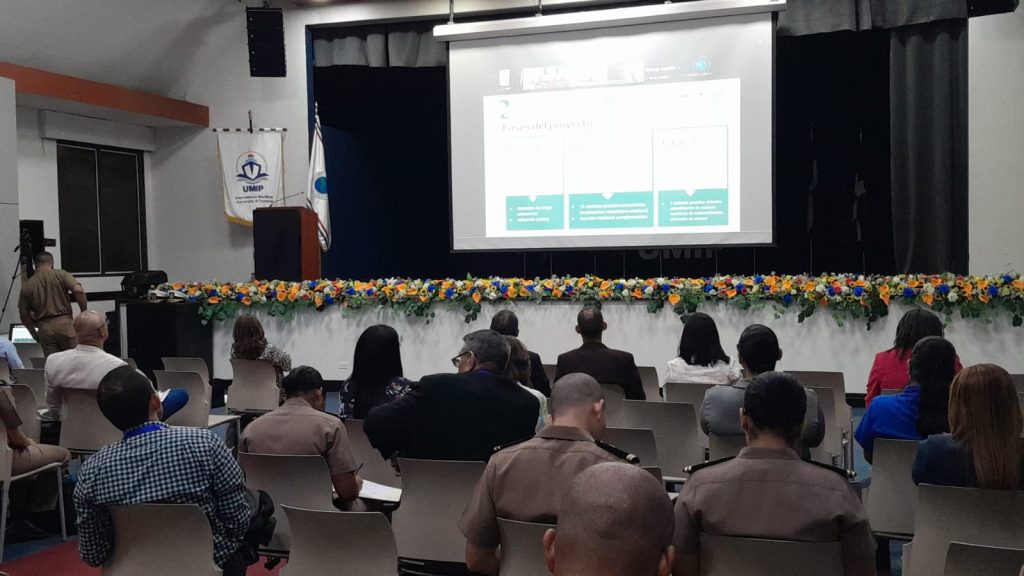
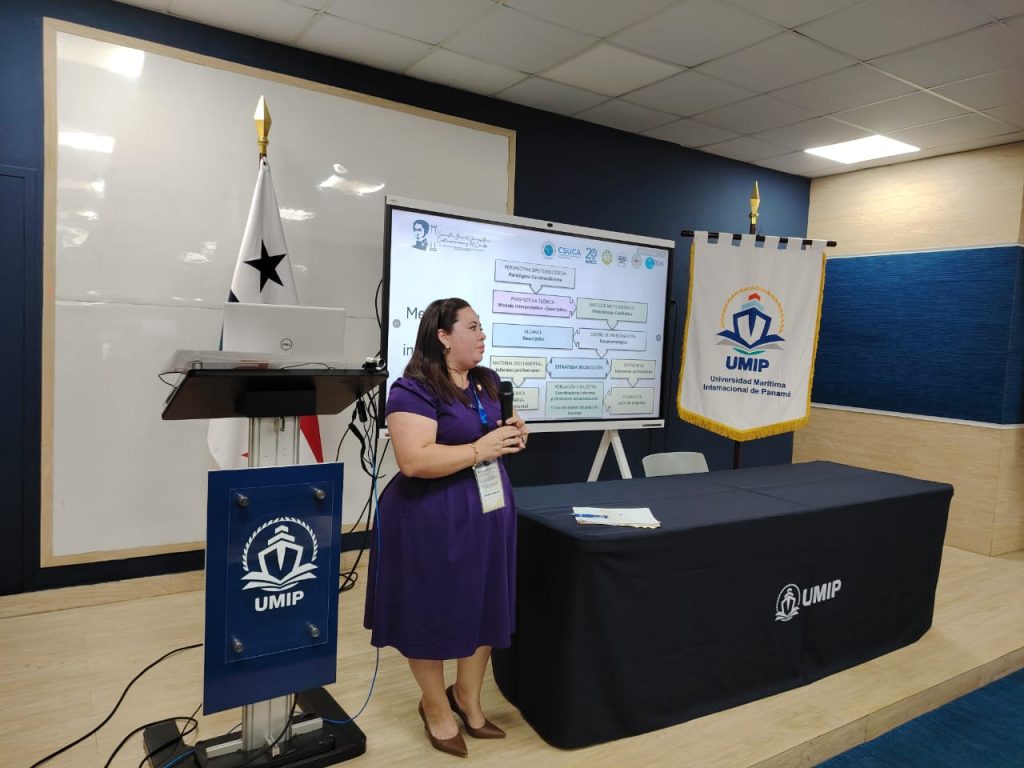
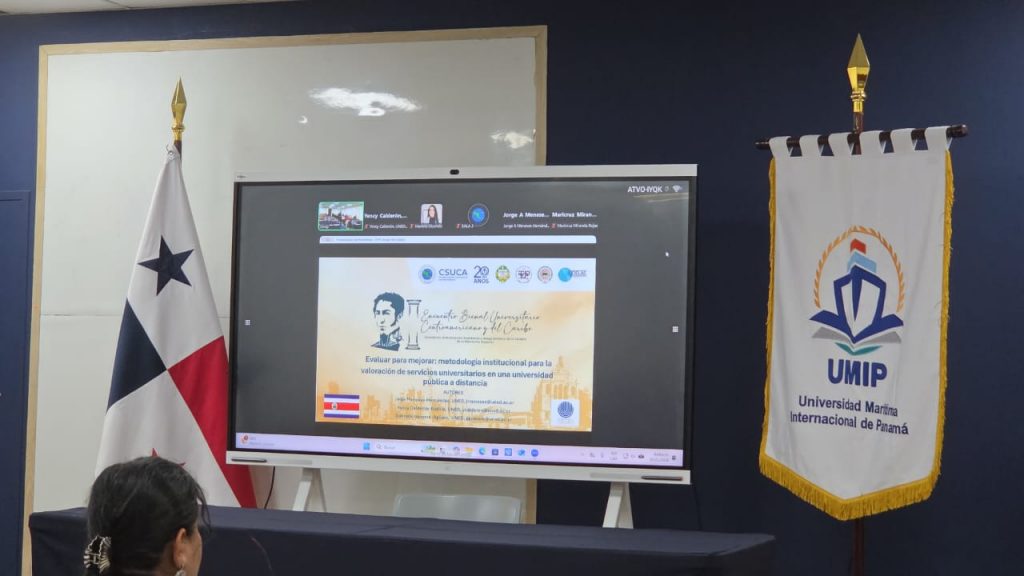
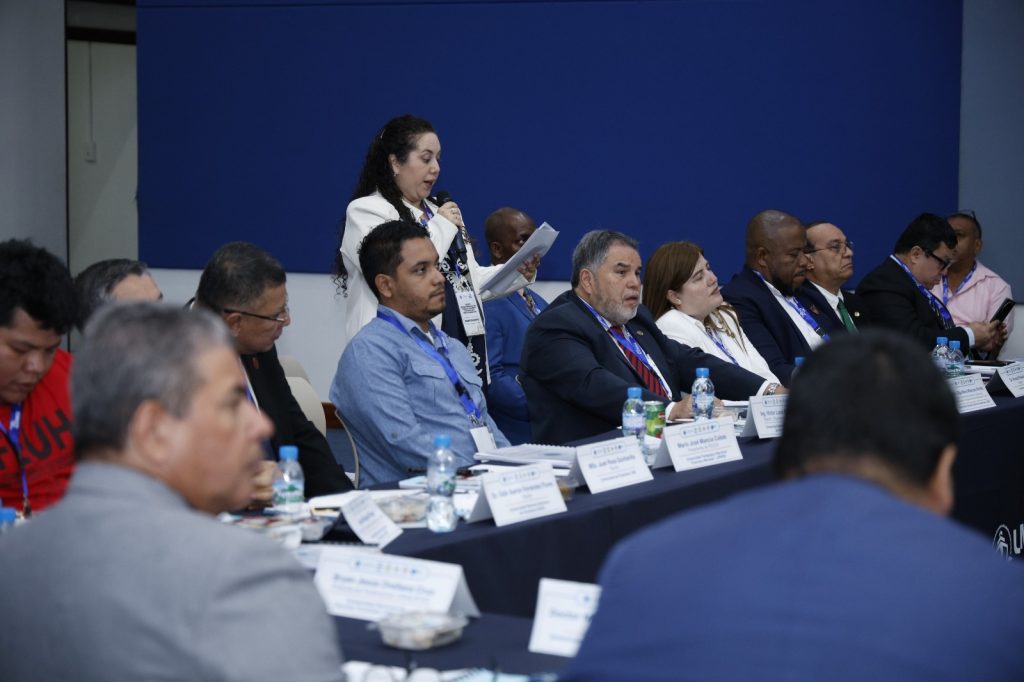
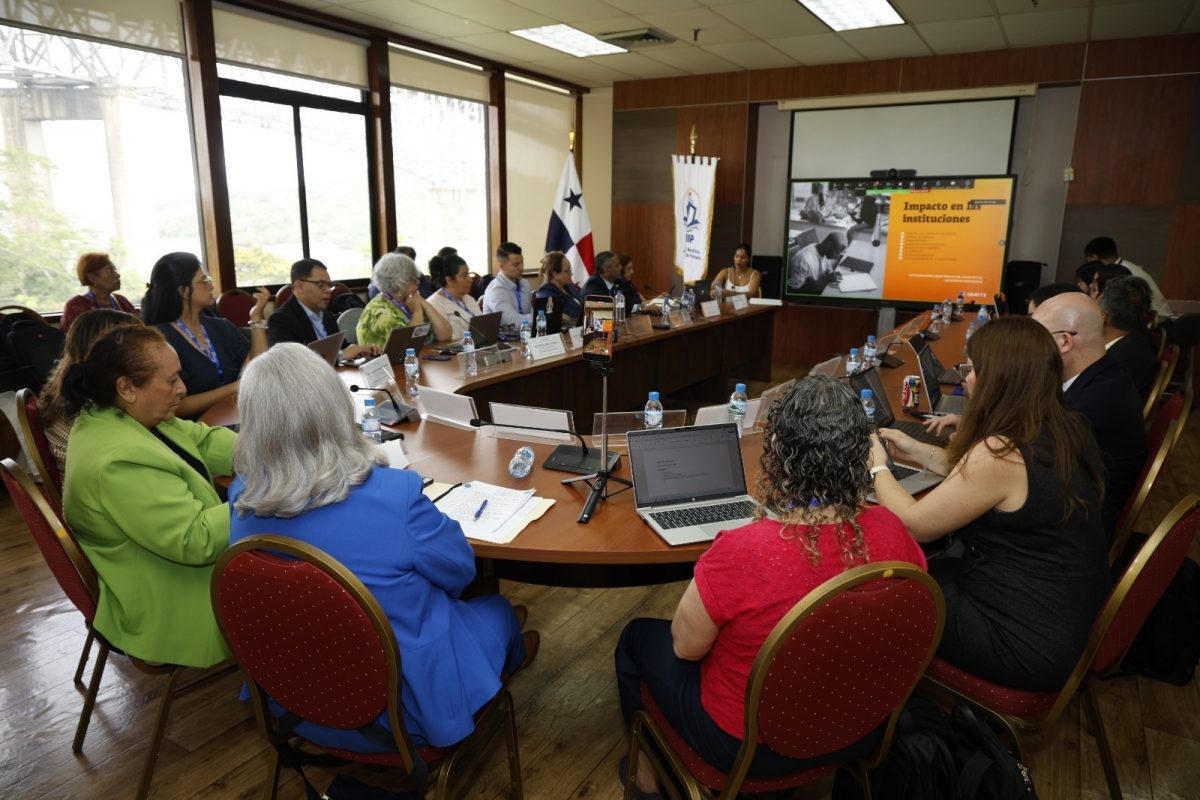
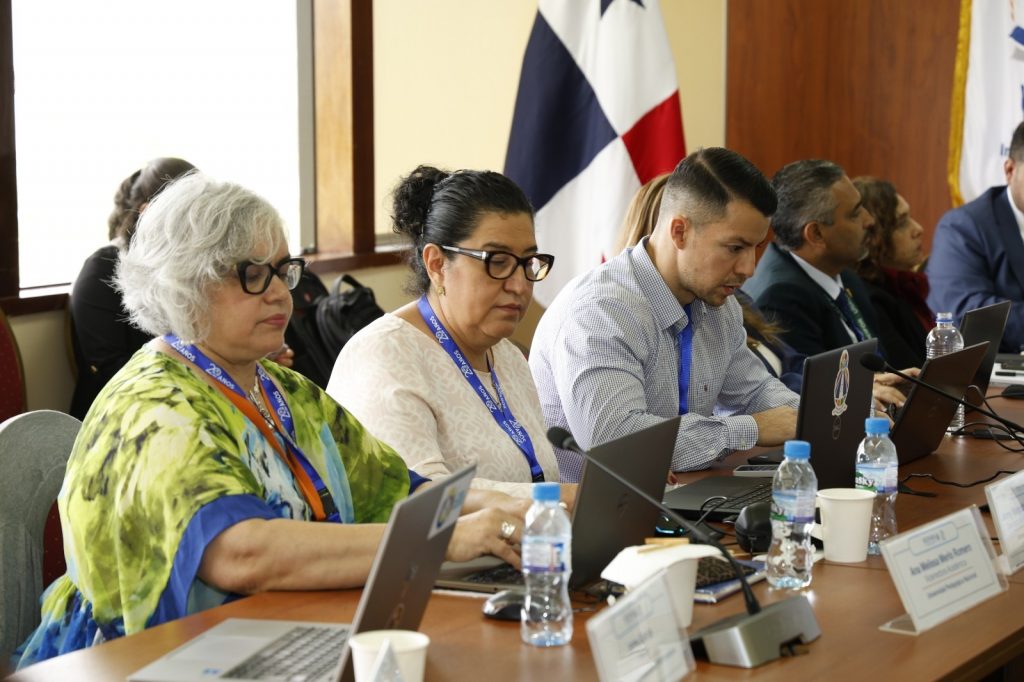
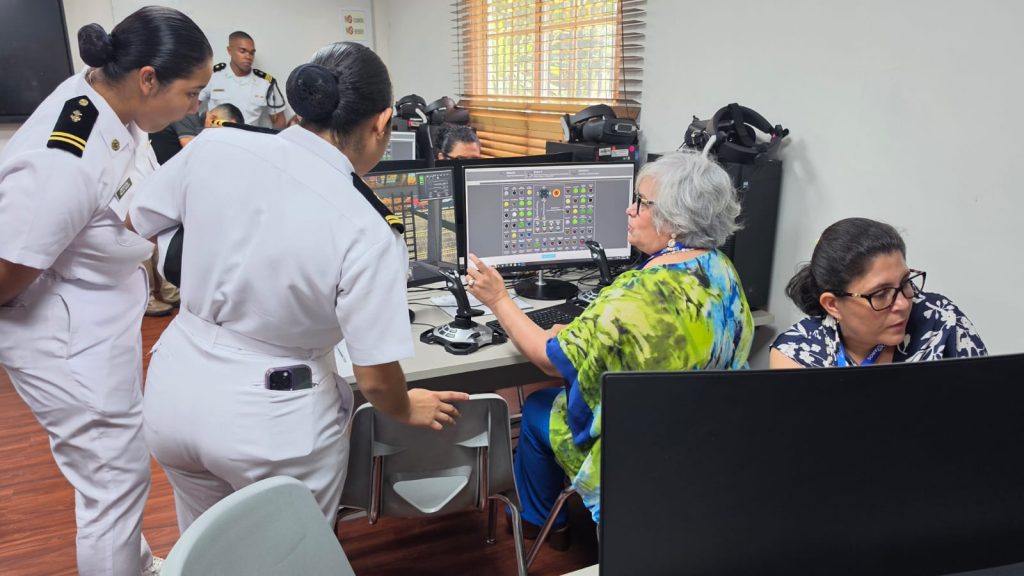
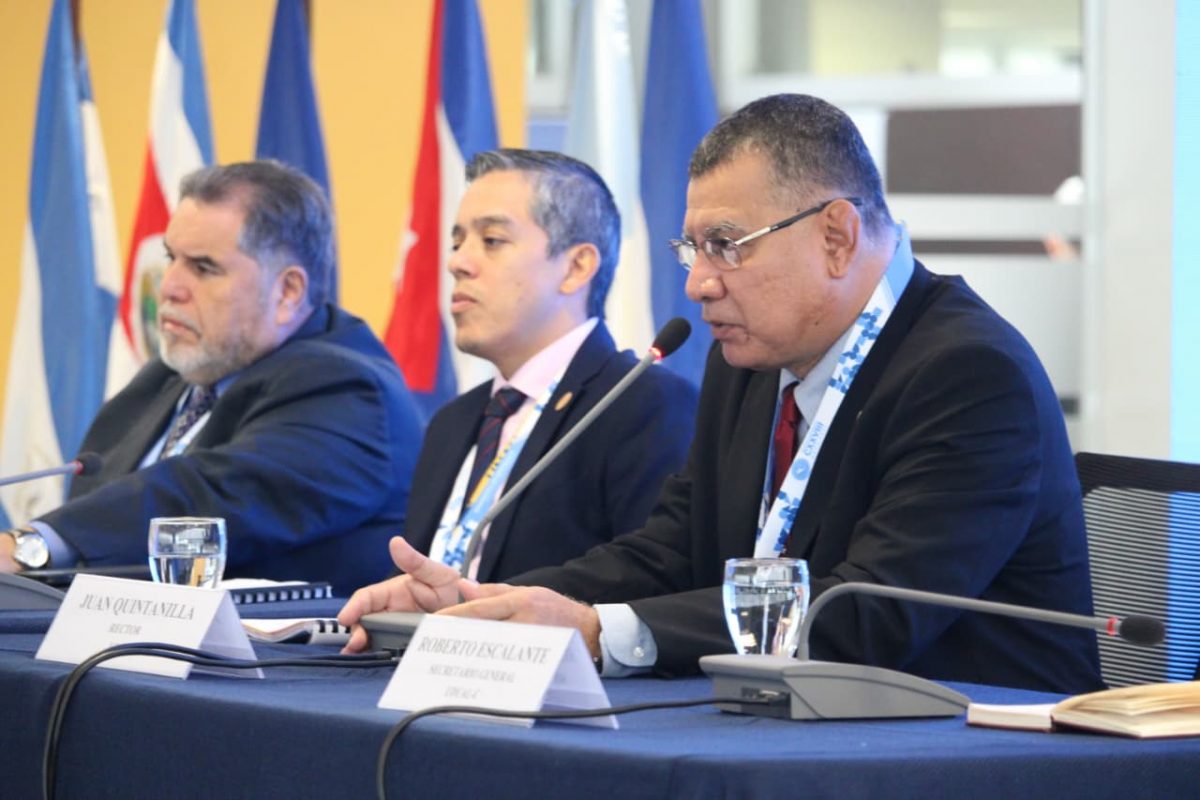
With broad participation from university authorities, teachers, researchers, students and specialists from the region, the development of the I Central American and Caribbean Biennial of Innovation, Academic Harmonization and Quality Assurance of Higher Education began at the International Maritime University of Panama (UMIP), an academic space promoted by the Central American System of Evaluation and Harmonization of Higher Education (SICEVAES), which takes place on May 20, 21 and 22.

The Biennial brings together more than 103 academic presentations, consolidating itself as one of the most relevant regional spaces for the exchange of experiences, research, good practices and proposals aimed at strengthening public higher education in Central America and the Caribbean.
During the academic sessions, universities and institutions from Panama, Honduras, Costa Rica, El Salvador, Guatemala, the Dominican Republic, and Cuba participate, addressing strategic issues related to educational innovation, academic harmonization, internationalization, digital transformation, artificial intelligence, microcredentials, quality assurance, and institutional strengthening.

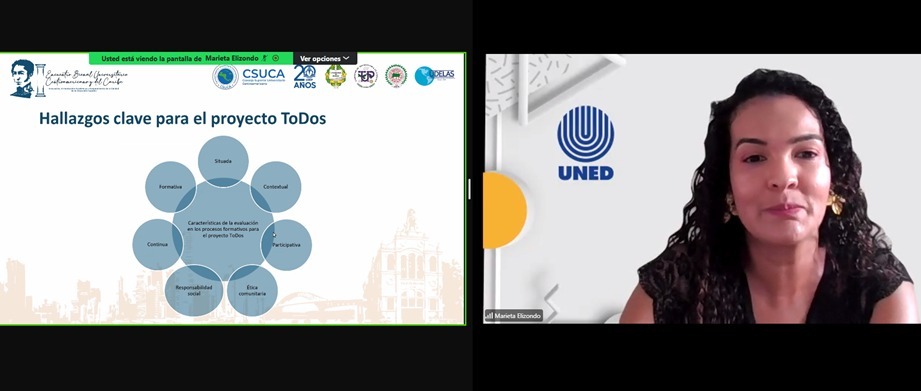
The program includes keynote lectures, specialized panels, interdisciplinary discussion tables, virtual and in-person presentations, audiovisual exhibitions, and collaborative spaces aimed at strengthening academic networks and new regional alliances.

Among the experiences presented, the following stand out: initiatives related to innovation in teaching-learning processes, internationalization strategies through COIL methodologies, artificial intelligence applied to higher education, digital transformation, development of 21st century skills, institutional evaluation, and regional experiences linked to the improvement and accreditation of university quality.

The Biennial is developed within the framework of a regional agenda aimed at strengthening the Regional Harmonization and Quality Assurance Program for Higher Education, promoting processes of reflection and collective construction that allow public universities to respond to the current challenges of the region.

This first regional meeting also represents a strategic space to consolidate a more innovative, articulated and relevant higher education, strengthening university cooperation and academic exchange as pillars for regional development.


CSUCA promotes regional agenda and unanimously re-elects Carlos Alvarado Cerezo as general secretary

Panama City, Panama, May 18, 2026

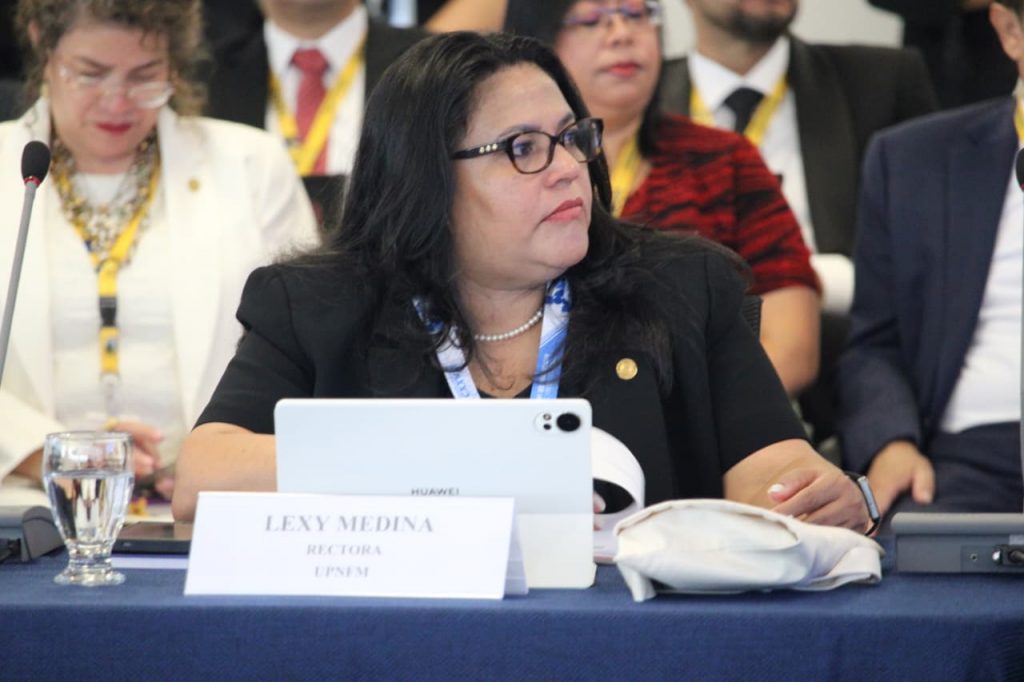
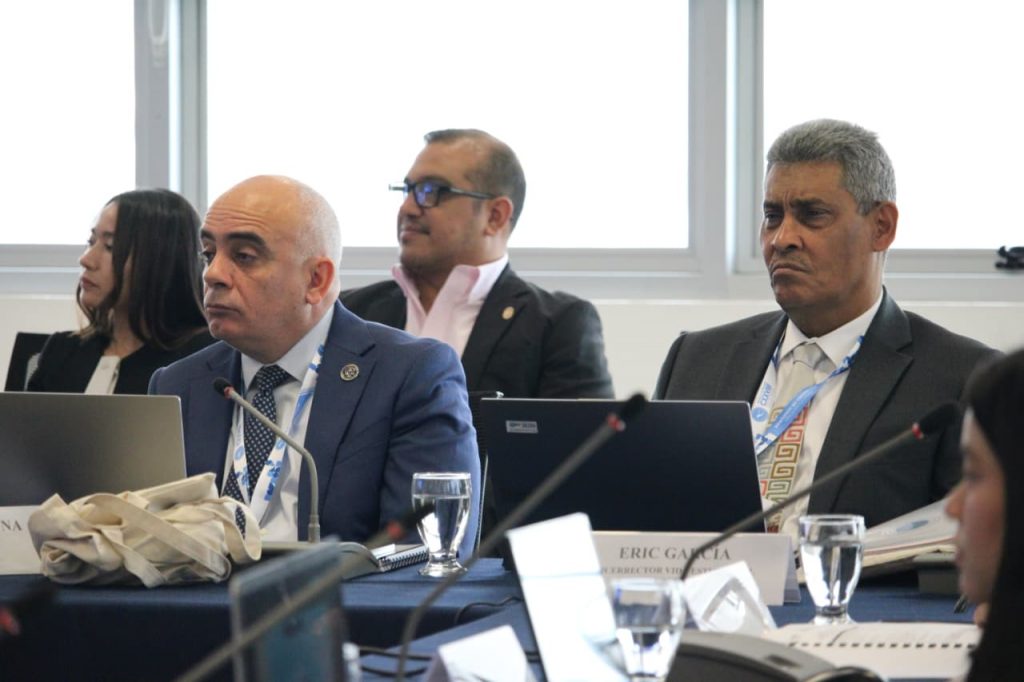
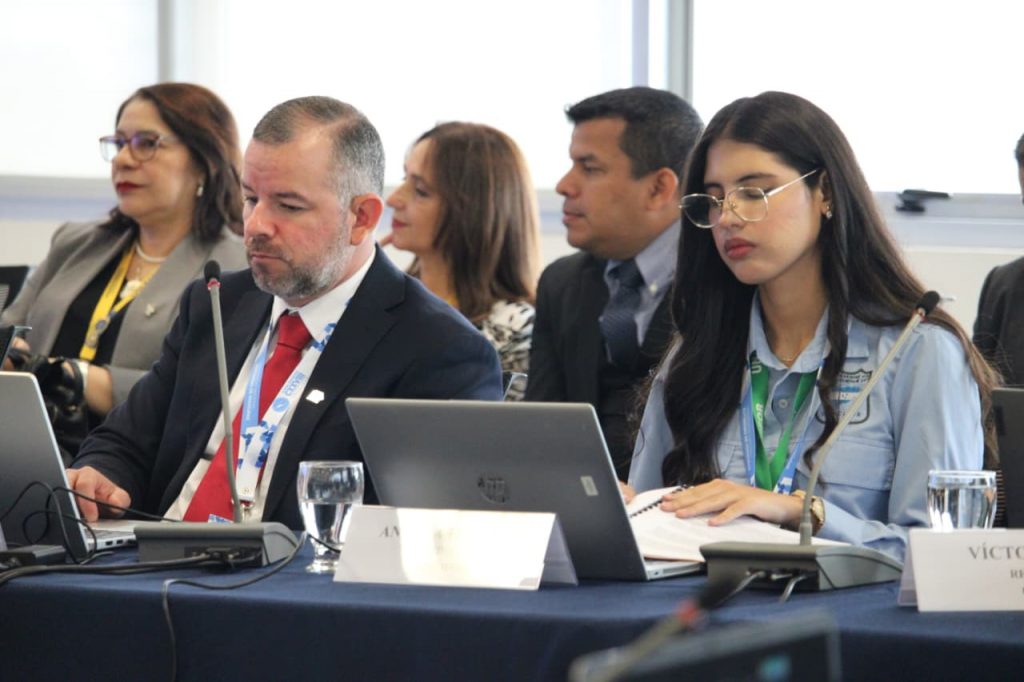
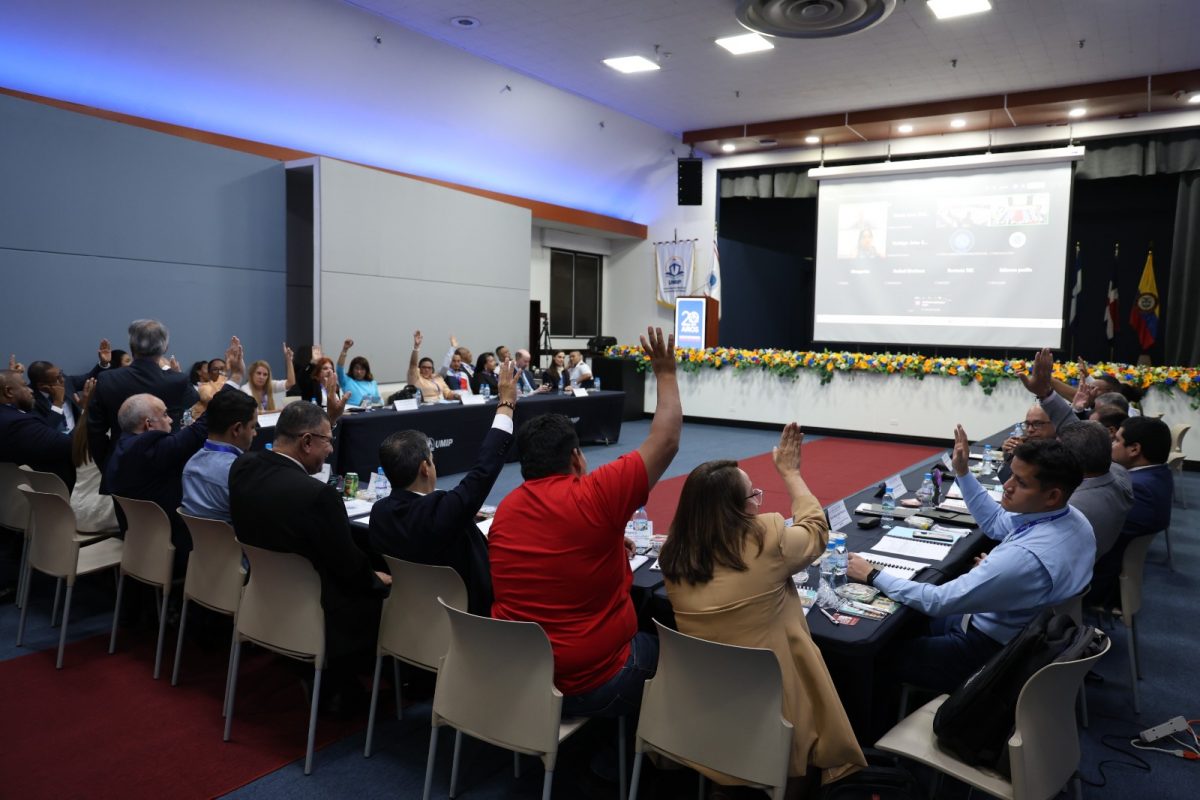
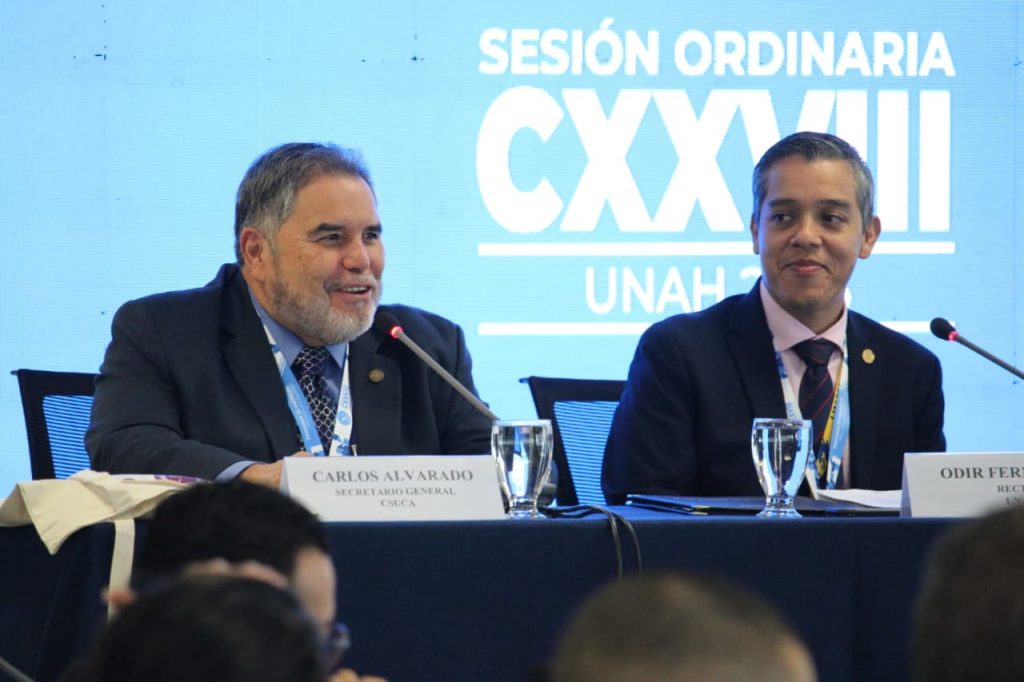
University authorities from Central America, the Dominican Republic, and Cuba are participating in the 127th Ordinary Session of the Central American Higher University Council (CSUCA), a regional forum focused on strengthening university integration, analyzing strategic issues, and building agreements for the development of public higher education in the region. The session is being held at the International Maritime University of Panama (UMIP), solidifying its position as a key space for decision-making and the coordination of regional initiatives.

The work agenda includes addressing issues related to institutional reports from the CSUCA Presidency, the General Secretariat, and the Federation of University Students of Central America and the Caribbean (FEUCA), as well as strategic processes related to academic cooperation and institutional strengthening.

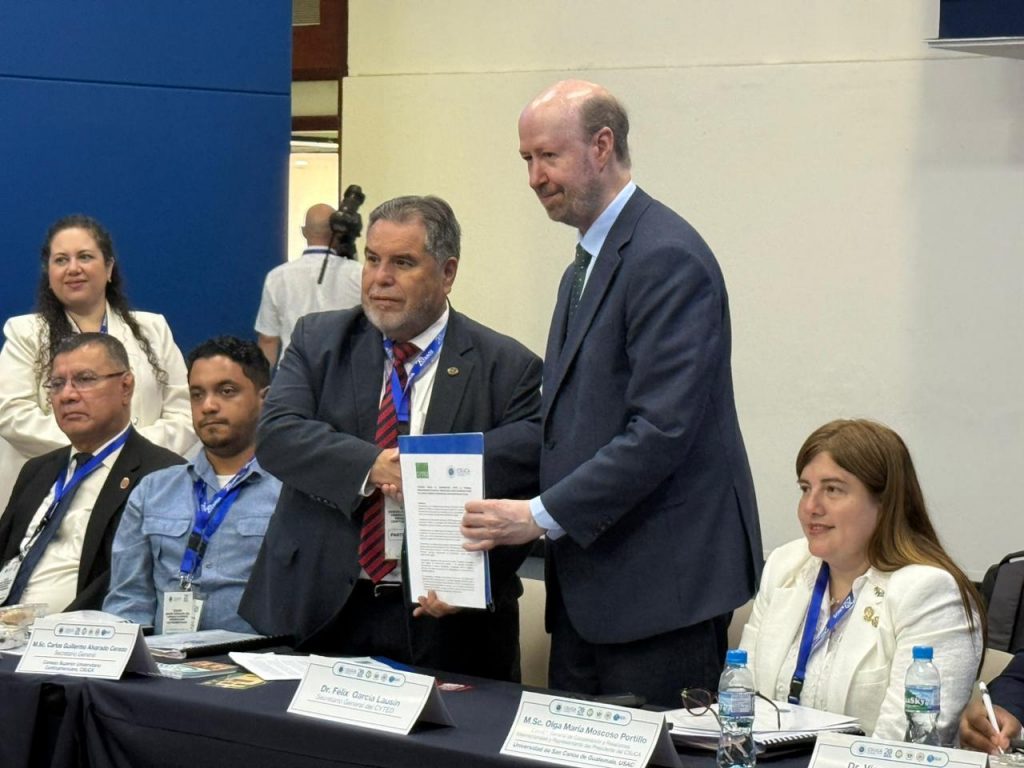
Among the points addressed were the signing of the CYTED-CSUCA agreement; the presentation of the final report of the COIL course; the situation of the CSUCA Presidency for the period 2026–2027; the regional declaration on university scientific publication; the proposal of the Regulations of the Regional University Extension Award promoted by SICAUS; as well as requests for admission of new university institutions to the regional body.

The session also included the presentation of awards to former members of the organization and various points aimed at continuing to strengthen the Central American and Caribbean university agenda.

Furthermore, as part of the decisions adopted during the session, university authorities approved the incorporation of the Technological University of Eastern Cibao (UTECO), from the Dominican Republic, as a full member of CSUCA, strengthening the Caribbean's presence and participation in the regional body. Likewise, the incorporation of the Higher University Institution of Cartagena (UMAYOR), located in the Colombian island region of San Andrés, Providencia, and Santa Catalina, as an observer member was approved, expanding the spaces for academic collaboration, exchange, and regional cooperation promoted by the Central American Higher University Council.

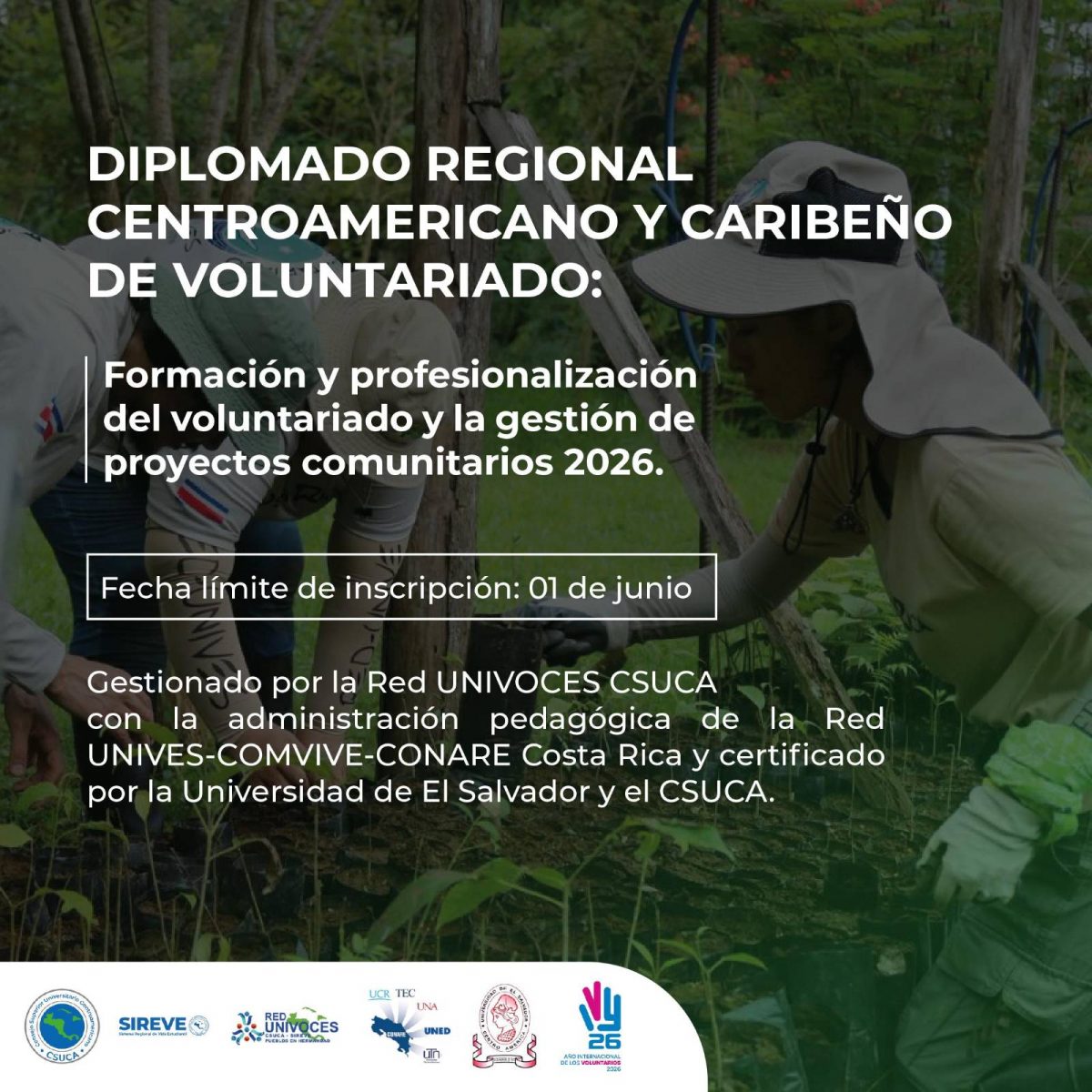
Furthermore, university authorities approved establishing June 21 as the official date for the commemoration of Central American and Caribbean University Volunteer Day. This initiative aims to recognize and highlight the commitment, participation, and contributions of university communities to solidarity and social transformation projects carried out in the various countries of the region. The approval reaffirms the value of university volunteering as a mechanism for strengthening social responsibility, regional citizenship, and the connection between public universities and the needs and realities of their communities.

As part of the strategic agreements reached during the day, the university authorities that are members of CSUCA unanimously re-elected MSc. Carlos Alvarado Cerezo as secretary general of the organization for the period 2026–2030, a decision that reflects the support of the universities of the region for the management developed from the General Secretariat and the efforts promoted to strengthen university integration, academic cooperation and the articulated work between the member institutions.

The decision also reaffirms the confidence placed in a regional agenda aimed at continuing to strengthen academic, scientific and institutional development initiatives that contribute to responding, from public higher education, to the challenges and needs of Central America and the Caribbean.
Furthermore, in accordance with the institutional rotation mechanism that strengthens the organization's regional governance, the authorities agreed that the CSUCA Presidency for the period July 2026–June 2027 will be assumed by El Salvador, represented by Eng. MSc. Juan Rosa Quintanilla, Rector of the University of El Salvador (UES). Likewise, it was approved to transfer the Presidency to Belize for the following period, in response to a request submitted by the University of Belize, a decision that reaffirms the spirit of dialogue, consensus, and cooperation that characterizes the regional organization.

The CXXVII Ordinary Session reaffirms the commitment of the region's public universities to an articulated work agenda, focused on academic strengthening, regional cooperation, and building joint responses to the current challenges of Central America and the Caribbean.

.

SICEVAES strengthens regional agenda on innovation, academic harmonization and quality assurance

Panama City, Panama, May 18, 2026

University authorities and regional specialists participate in the LX Meeting of the Central American System of Evaluation and Accreditation of Higher Education (SICEVAES), a space aimed at strengthening regional strategies for innovation, academic harmonization and assurance of educational quality.

The meeting is being held at the International Maritime University of Panama and brings together the Regional Coordination Committee and the Technical Commission of the system to address strategic issues related to the quality and transformation of higher education.

Among the main agenda items are the progress of the strategic commissions of Program 3 of PIRESC V, innovation in teaching and learning processes, regional academic harmonization and the strengthening of accreditation and quality management mechanisms.

The meeting also incorporates the organizational follow-up of the 1st Central American and Caribbean Biennial of Innovation, Academic Harmonization and Quality Assurance of Higher Education, strengthening spaces for exchange and regional cooperation.

The activities developed seek to continue consolidating an innovative, articulated regional higher education committed to the needs of the Central American and Caribbean peoples.

CSUCA inaugurates regional academic week together with SICEVAES and the 1st Central American and Caribbean Biennial

Panama City, Panama, May 18, 2026

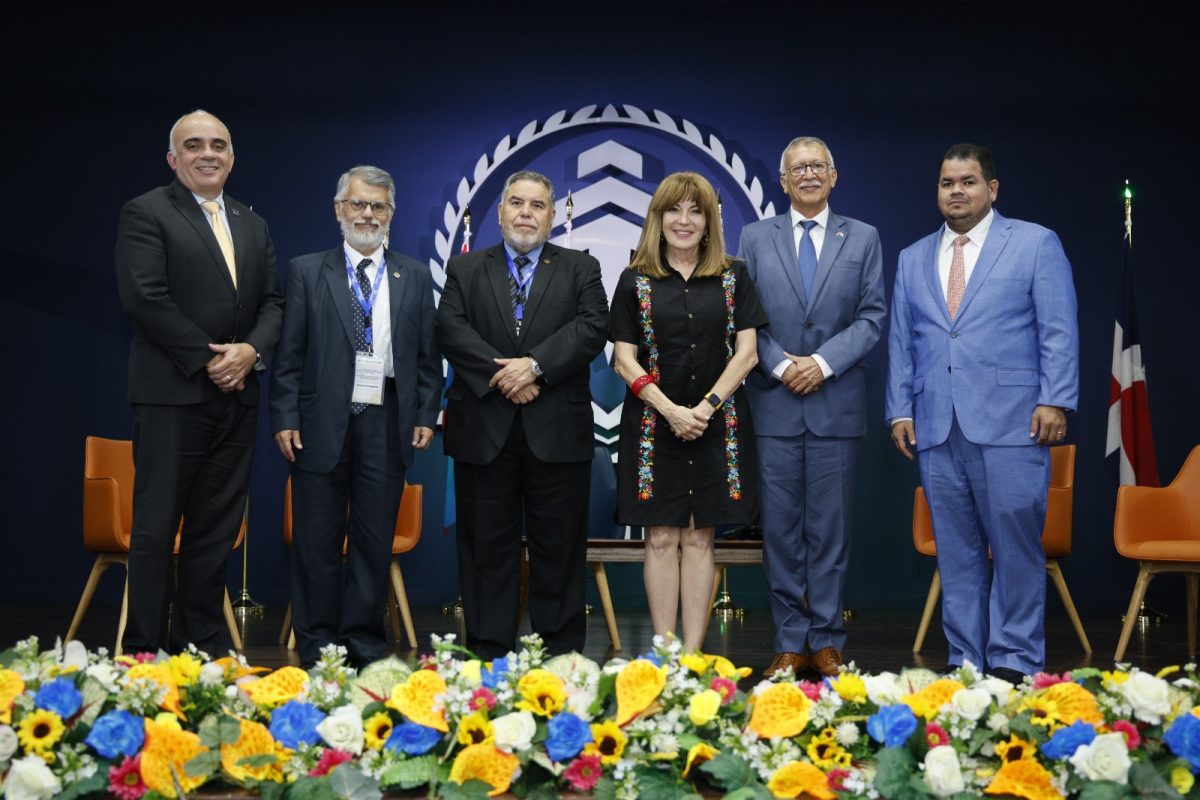
With a joint opening ceremony held at the International Maritime University of Panama (UMIP), the Central American Higher University Council (CSUCA), the Central American System of Evaluation and Accreditation of Higher Education (SICEVAES) and the 1st Central American and Caribbean Biennial of Innovation, Academic Harmonization and Quality Assurance of Higher Education kicked off a strategic week for regional public higher education.

The agenda brings together university authorities, rectors, academic teams, students and specialists from Central America, the Dominican Republic and Cuba to promote spaces for dialogue and collective construction aimed at strengthening regional university integration.

The celebration takes on special significance with the realization of the I Central American and Caribbean Biennial, developed within the framework of the commemoration of the 200th anniversary of the Amphictyonic Congress of Panama, a historical event that symbolizes the ideals of union and integration promoted by Simón Bolívar and that continues to inspire contemporary regional efforts.

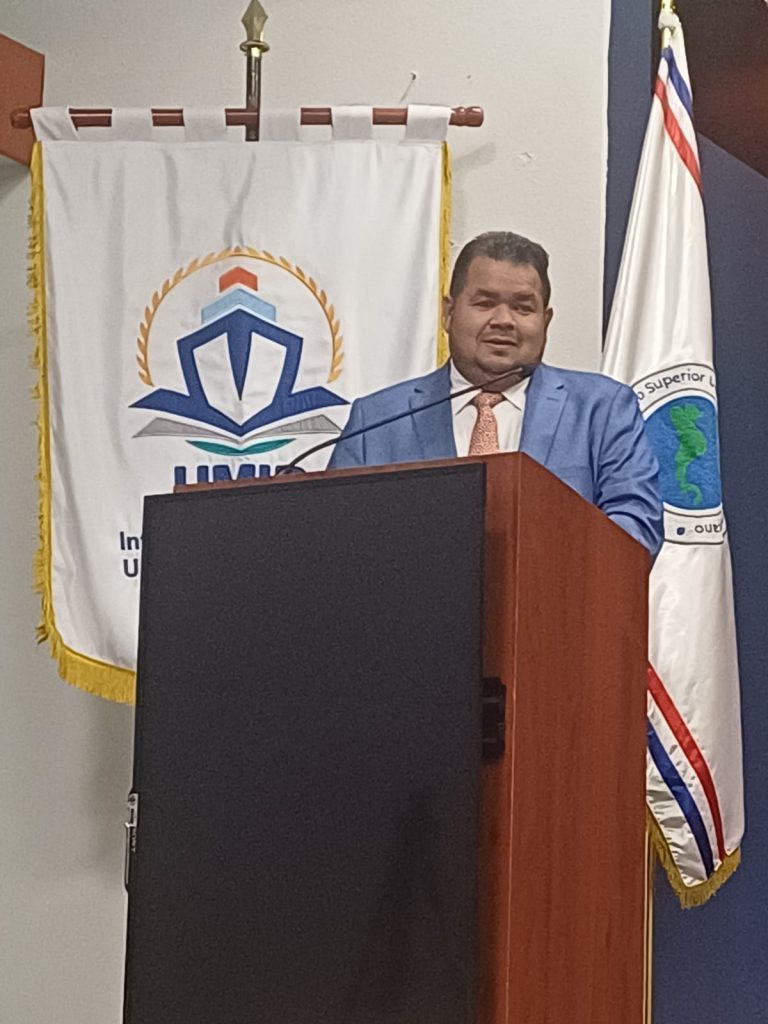
As part of the opening ceremony, MSc. Olga María Moscoso, representing the University of San Carlos of Guatemala and the Presidency of CSUCA, spoke, highlighting that universities are called upon to consolidate strategic alliances that promote academic mobility, regional scientific research, and comprehensive student development, emphasizing that higher education must respond to contemporary challenges from a regional and solidarity-based perspective.

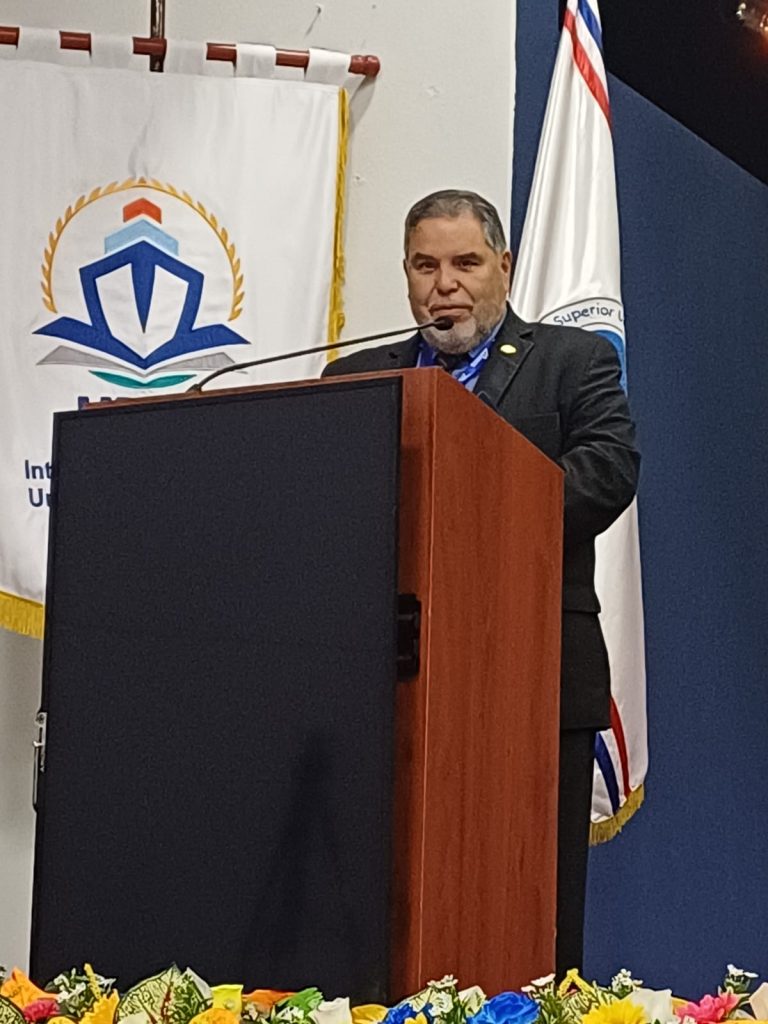
For his part, the Secretary General of CSUCA, MSc. Carlos Alvarado Cerezo, pointed out that public universities have the responsibility to lead processes of social transformation and strengthen regional integration based on academic quality, university cooperation and the collective construction of solutions for the Central American and Caribbean peoples.

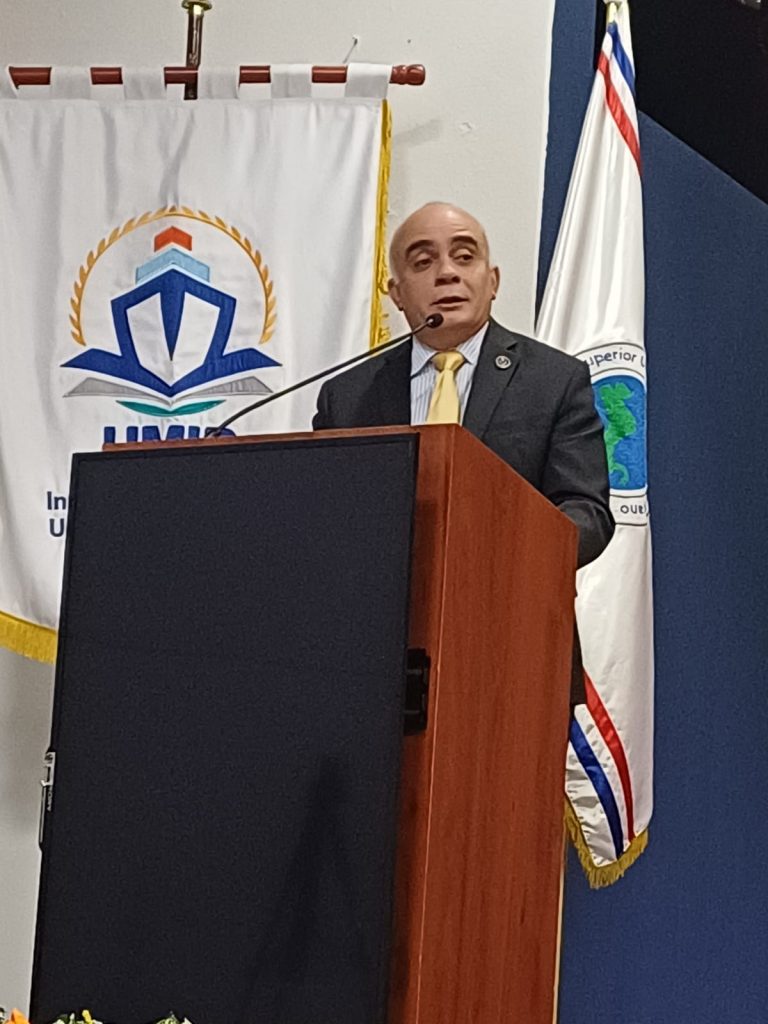
During his speech, Dr. Roberto Aparicio, Vice-Rector of Teaching at the International Maritime University of Panama, highlighted the value of the coordinated work between public universities in the region, emphasizing that holding this meeting constitutes a joint effort driven by institutions committed to strengthening regional academic integration.

Likewise, the rector of the International Maritime University of Panama, engineer Víctor Luna, to inaugurate the academic week, highlighted that CSUCA continues to be a fundamental space to maintain regional unity through knowledge, especially in a context where contemporary challenges require answers built from collective intelligence and cooperation.

Thus highlighting that regional public higher education constitutes a platform for social transformation, knowledge generation, and the construction of solutions to the region's shared challenges.

The program includes topics related to academic mobility, educational innovation, curriculum harmonization, internationalization, regional research and quality assurance, thus strengthening the role of public universities as drivers of social and human development.

The academic week also represents an opportunity to consolidate alliances and renew the commitment of universities to a more inclusive, relevant and regionally impactful higher education.

CONREVE strengthens regional student integration at its 55th Ordinary Session in Honduras, within the framework of CSUCA actions

Siguatepeque, Honduras, 18 y 19 de marzo de 2026

En instalaciones de la Universidad Nacional de Ciencias Forestales (UNACIFOR) se lleva a cabo la LV Sesión Ordinaria del Consejo Regional de Vida Estudiantil (CONREVE), consolidándose como un espacio clave para el fortalecimiento de la vida estudiantil en la región, como parte de las acciones del Consejo Superior Universitario Centroamericano (CSUCA).

El encuentro reúne a autoridades universitarias, representantes estudiantiles y equipos técnicos de Centroamérica y el Caribe, con el objetivo de avanzar en la articulación de políticas, programas y acciones en beneficio del estudiantado universitario.

El acto protocolario contó con las palabras de bienvenida del rector de la UNACIFOR, Miguel Ángel Velásquez Gonzáles, quien destacó el papel fundamental de las y los estudiantes en la construcción de una educación superior de calidad, inclusiva y transformadora. En su intervención, subrayó la importancia de fortalecer los procesos académicos, ampliar la inclusión de sectores históricamente excluidos (especialmente de zonas rurales) y promover una transformación institucional alineada con los desafíos del desarrollo regional.

Por su parte, el Secretario General del CSUCA, Carlos Alvarado Cerezo, hizo énfasis en los retos que enfrenta la educación superior en un contexto globalizado, destacando la necesidad de fortalecer los sistemas de información regionales. Señaló que actualmente existe una limitada disponibilidad de datos consolidados sobre más de 150,000 egresados de las instituciones de educación superior, lo que evidencia la importancia de avanzar en mecanismos de seguimiento y articulación del talento humano formado en la región.

Asimismo, subrayó que el crecimiento sostenido de la educación superior desde el año 2000 plantea nuevos desafíos que requieren respuestas coordinadas entre universidades, sistemas regionales y políticas públicas.

Durante la sesión, Mirna Jiménez, secretaria adjunta para Asuntos Estudiantiles del CSUCA, participó por primera vez en este espacio regional en su calidad de SAAE, reiterando su compromiso de trabajar de manera articulada con el CONREVE y de fortalecer la participación estudiantil en los procesos regionales.

En el marco del desarrollo de la sesión, el presidente del CONREVE, Jorge Eduardo Cortez Martínez, destacó la importancia de consolidar este espacio como un mecanismo estratégico para el fortalecimiento de la vida estudiantil en la región.

La agenda de trabajo designada para dos días, incluye la presentación de informes de la Presidencia del CONREVE, de la Secretaría Adjunta para Asuntos Estudiantiles (SAAE) del CSUCA y de la Federación de Estudiantes Universitarios de Centroamérica y el Caribe (FEUCA), así como el análisis de iniciativas estratégicas como el voluntariado universitario, los avances del Festival Interuniversitario Centroamericano de la Cultura y el Arte (FICCUA) y la planificación de encuentros regionales para el año 2026.

Asimismo, se abordarán temas relevantes como la elección de la Segunda Vocalía del Comité Directivo del CONREVE, la revisión de normativas del sistema regional de vida estudiantil y la proyección de actividades académicas, culturales y deportivas en la región.

El desarrollo de la sesión también incorpora metodologías de trabajo más dinámicas y flexibles, orientadas a fomentar una participación más activa y un intercambio sustantivo entre las y los participantes, fortaleciendo así los procesos de diálogo regional.

Con este encuentro, el CSUCA reafirma su compromiso de continuar impulsando espacios de integración que contribuyan al fortalecimiento de la vida estudiantil, promoviendo una educación superior más inclusiva, de calidad y comprometida con el desarrollo sostenible de Centroamérica y el Caribe.